
The Elusive Architects of Our Lives: Navigating the Nexus of Chance, Choice, and Destiny
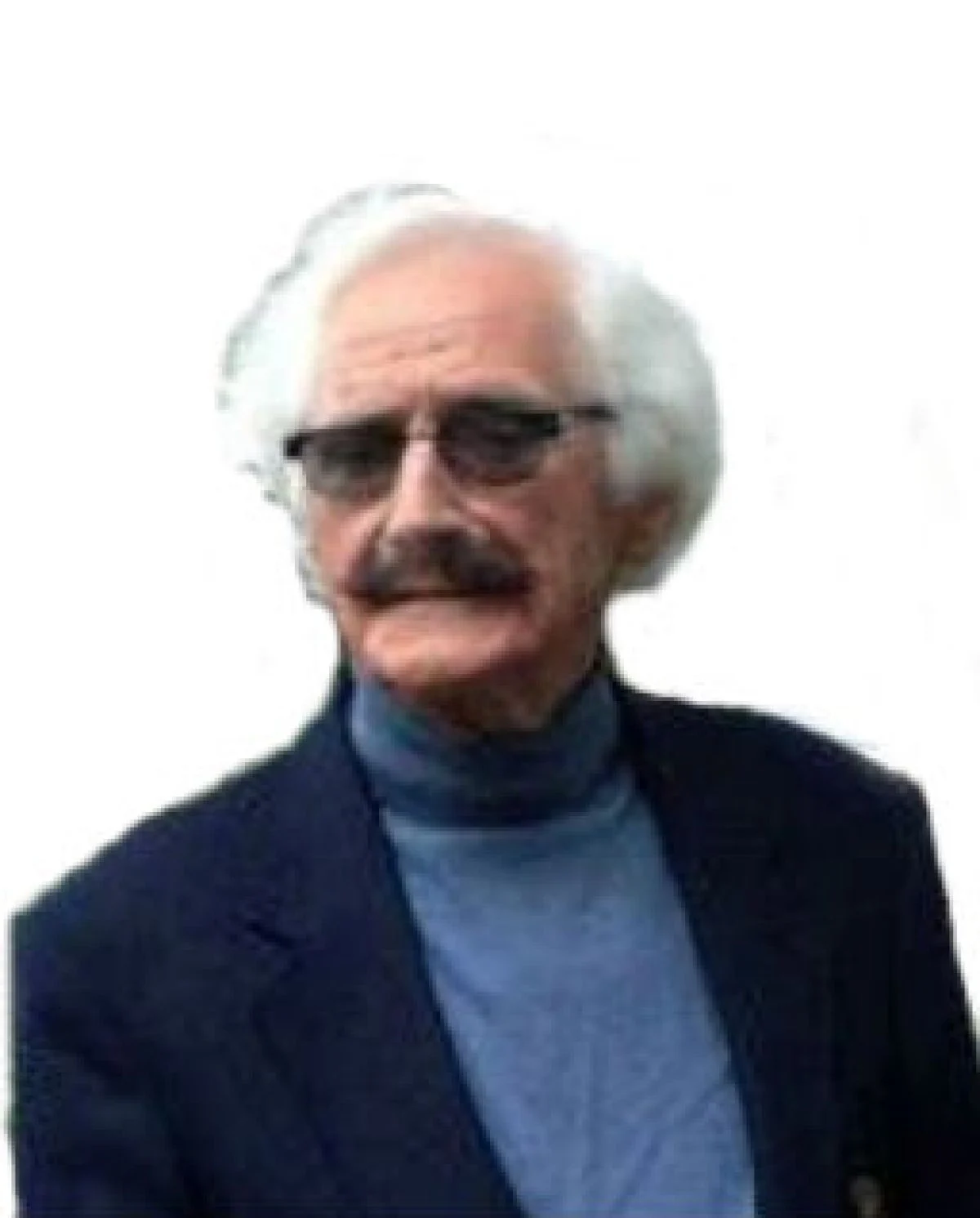
The profound question of human destiny, a query that has echoed through the ages, is brought into sharp focus by the very consciousness that acknowledges our finite existence. This existential riddle, as inherent to our being as the pursuit of happiness, was recently posed to me during a casual encounter with a fellow dog walker. The conversation, initiated by a simple observation on the nature of life, quickly spiraled into a contemplation of the forces that shape our individual paths, ultimately leading to a compelling exploration of the interplay between conscious choice, external circumstances, and the tantalizing prospect of a guiding, perhaps even predetermined, fate.
The Genesis of a Philosophical Inquiry: A Dog Walk and a Deeper Question
The exchange began innocuously enough. My companion, perhaps sensing the weight of the unspoken, voiced a sentiment familiar to many: the persistent, underlying question of life’s purpose and direction. "We’re given this awareness," he mused, "this consciousness that knows, ultimately, we’re going to die. What’s it all for?"
Seeking a moment to gather my thoughts, I turned the question back, proposing a thought experiment: "Do you believe we navigate life as if undergoing a form of training, a preparation, so to speak, for some ultimate destiny that lies beyond death? A destiny we can only conceive of as a spiritual existence?"
His response was one of honest uncertainty. "I’m not sure," he admitted, "but I do feel there must be some reason why there’s always this nagging persuasion at the back of my mind to do what’s right, to avoid causing harm." He was, in essence, describing the internal tug-of-war between immediate gratification and a deeper moral imperative – the persistent voice of conscience that challenges the ego-driven, sensory allure of everyday life.
As the first drops of rain began to fall, signaling a natural end to our extended conversation, it became clear that delving into the psychological significance of this internal moral compass was a topic too complex for a fleeting chat. I promised to ponder his words and offer my reflections the next time our canine companions brought us together. The truth was, I felt remarkably unprepared to articulate a viewpoint that had, in many ways, been the quiet, introspective soundtrack to my own ongoing dialogue with myself for years.
The Compulsive Philosopher: An Introspective Journey Through Life’s Unfolding Narrative
I have always been, as I candidly admit, compulsively philosophical, particularly as I navigated the second half of my life. This introspection often led me to ponder the existence of a resistless, preordained power – what we might term "destiny" – that governs both the events that populate our lives and the actions we take, planned or spontaneous, that ultimately shape our individual trajectories.
The challenge lies in disentangling the threads of personal agency from the tapestry of circumstance. It is not an easy task to objectively assess how much of one’s life has unfolded according to deliberate plans and how much has been seemingly dictated by chance. However, I found it relatively straightforward to recall the major decisions and plans I had meticulously crafted, often after extensive rational deliberation, and the emotional landscape that accompanied them – the weighing of pros and cons, the hopes and anxieties. Far more elusive, however, were the instances where I had made no overt plans, surrendering, seemingly, to the vagaries of luck or serendipity.
The Duality of Self: Unraveling the Biological and Spiritual Strands of Our Being
My current understanding, forged through years of contemplation, suggests that to meaningfully discuss personal destinies, we must acknowledge a crucial duality within the human experience: the interplay between our biological and spiritual selves. Our biological existence, the part of us driven by instinct, environment, and the immediate demands of survival, is significantly influenced by the often unpredictable currents of chance and luck. It is the realm where random occurrences can dramatically alter our course.
Conversely, our spiritual side, which I propose is the conduit for a transcendent force, points towards an inner compass guiding us towards a higher moral good. This force, often referred to through millennia as the "soul," is the presumed architect of our deeper, more enduring destiny. It is this spiritual dimension that imbues us with an awareness of ethical principles, a yearning for meaning that transcends the purely physical.
The Conundrum of Survival: A World War II Anecdote as a Case Study
The abstract nature of this philosophical exploration can often feel detached from the gritty reality of lived experience. However, life itself often presents us with stark, poignant illustrations of these complex forces at play. My own service in the Royal Air Force during World War II offers a compelling, albeit somber, example.
The losses sustained by Bomber Command were staggering, with a grim attrition rate of approximately 65% of aircraft and crews. In 1942, a seemingly routine color vision test was introduced for aircrews. By sheer chance, or perhaps by some unseen hand, I failed this test. The consequence of this single, seemingly minor event was profound: I was grounded from flying duties. This unforeseen turn of events, directly attributable to a physiological anomaly identified through a chance medical examination, meant that I was not present on missions where the odds were overwhelmingly stacked against survival. The outcome was simple, yet monumental: I survived the war.
Luck or Destiny? The Lingering Question
This personal anecdote, while deeply significant to me, encapsulates the fundamental enigma. Was my survival a mere stroke of luck, a random twist of fate in the grand lottery of war? Or was it an instance of destiny intervening, a preordained path that, through a series of seemingly coincidental events, steered me away from a fatal encounter?
The color vision test, an arbitrary determinant in the larger scheme of military operations, acted as a pivot point. Had I passed, my operational life would have continued, and my chances of survival would have plummeted. The fact that I failed, a seemingly insignificant detail, became the critical factor. This raises profound questions about the extent to which our lives are shaped by external, uncontrollable forces versus our own choices and innate qualities.
Supporting Data and Psychological Frameworks: The Enduring Fascination with Fate
The human fascination with destiny is not a modern phenomenon. Across cultures and throughout history, civilizations have grappled with this concept, developing elaborate mythologies, religious doctrines, and philosophical systems to explain it. From the Greek Fates who spun, measured, and cut the thread of life, to the concept of karma in Eastern philosophies, the idea that our lives are, to some degree, predetermined or influenced by forces beyond our immediate control, is deeply ingrained in the human psyche.
Psychologically, the allure of destiny can be understood in several ways. For some, it offers a sense of order and meaning in a chaotic world. The belief that events are not random, but part of a larger, purposeful design, can be comforting. It can also alleviate the burden of responsibility; if events are fated, then personal culpability for negative outcomes might be lessened.
Conversely, the concept of free will, the capacity of individuals to make choices independent of external constraints, is equally central to human self-perception. The tension between determinism (the belief that all events are causally determined by preceding events) and free will is a perennial debate in philosophy and psychology. Modern neuroscience continues to explore the intricate neural mechanisms underlying decision-making, further blurring the lines between conscious intent and biological predisposition.
Official Responses and Academic Discourse: The Elusive Nature of Definitive Answers
The question of destiny, by its very nature, eludes definitive "official responses" in the conventional sense. There are no governmental agencies or international bodies tasked with verifying or debunking its existence. However, the academic and scientific communities have long engaged with related concepts, albeit under different terminology.
In psychology, research into attribution theory explores how individuals explain the causes of events and behaviors, often distinguishing between internal (dispositional) and external (situational) factors. This directly relates to whether we attribute outcomes to our own agency or to external forces like luck or fate.
The field of behavioral genetics investigates the extent to which our traits and behaviors are influenced by our genes, suggesting a biological predisposition that can, in turn, influence our life choices and the opportunities that come our way. Evolutionary psychology examines how our ancestral environment may have shaped innate behavioral tendencies that, while not strictly destiny, can strongly influence our life paths.
In the realm of philosophy, existentialism, for instance, strongly emphasizes individual freedom and responsibility, positing that individuals create their own meaning and destiny through their choices. Conversely, philosophical naturalism often leans towards a more deterministic view, where events are understood as the inevitable outcome of natural laws.
Implications: Navigating the Paradox of Agency and Influence
The implications of wrestling with the concept of destiny are profound and far-reaching, impacting our understanding of personal responsibility, our approach to decision-making, and our capacity for resilience in the face of adversity.
If we are primarily agents of our own destiny, then the onus is on us to make wise choices, to strive for our goals, and to take full responsibility for the outcomes. This perspective empowers individuals and fosters a sense of control over their lives. It encourages proactive engagement, self-improvement, and a commitment to personal growth.
However, if we acknowledge the significant role of chance, luck, and external forces, it can foster a greater sense of humility and acceptance. It can lead to greater empathy for those facing difficult circumstances, recognizing that not all outcomes are solely the result of individual failings. It can also encourage a more nuanced approach to problem-solving, acknowledging that sometimes, despite our best efforts, external factors may impede progress.
The anecdote from World War II serves as a potent reminder that life is a complex interplay of these forces. My survival was not solely due to my courage or skill as an airman, but also to a random medical outcome that placed me out of harm’s way. This does not diminish the courage of those who served and made the ultimate sacrifice, nor does it negate the importance of strategic planning and individual effort in wartime. Instead, it highlights the often-unseen currents that shape our individual narratives.
Ultimately, the question of destiny may not have a singular, definitive answer. Perhaps the most fruitful approach is to embrace the inherent paradox: to live as if we are the architects of our own lives, making conscious choices and striving for our aspirations, while simultaneously remaining open to the influence of forces beyond our immediate control. It is in this dynamic tension, this ongoing negotiation between agency and influence, that we find the richness and complexity of the human journey, a journey perpetually unfolding, guided by a delicate balance of what we choose and what befalls us. The conversation with my fellow dog walker, though cut short by the rain, continues to resonate, a testament to the enduring power of life’s most profound and personal mysteries.




Leave a Comment