"In Cold Blood": The Chilling Genesis of True Crime and Its Enduring Ethical Shadow
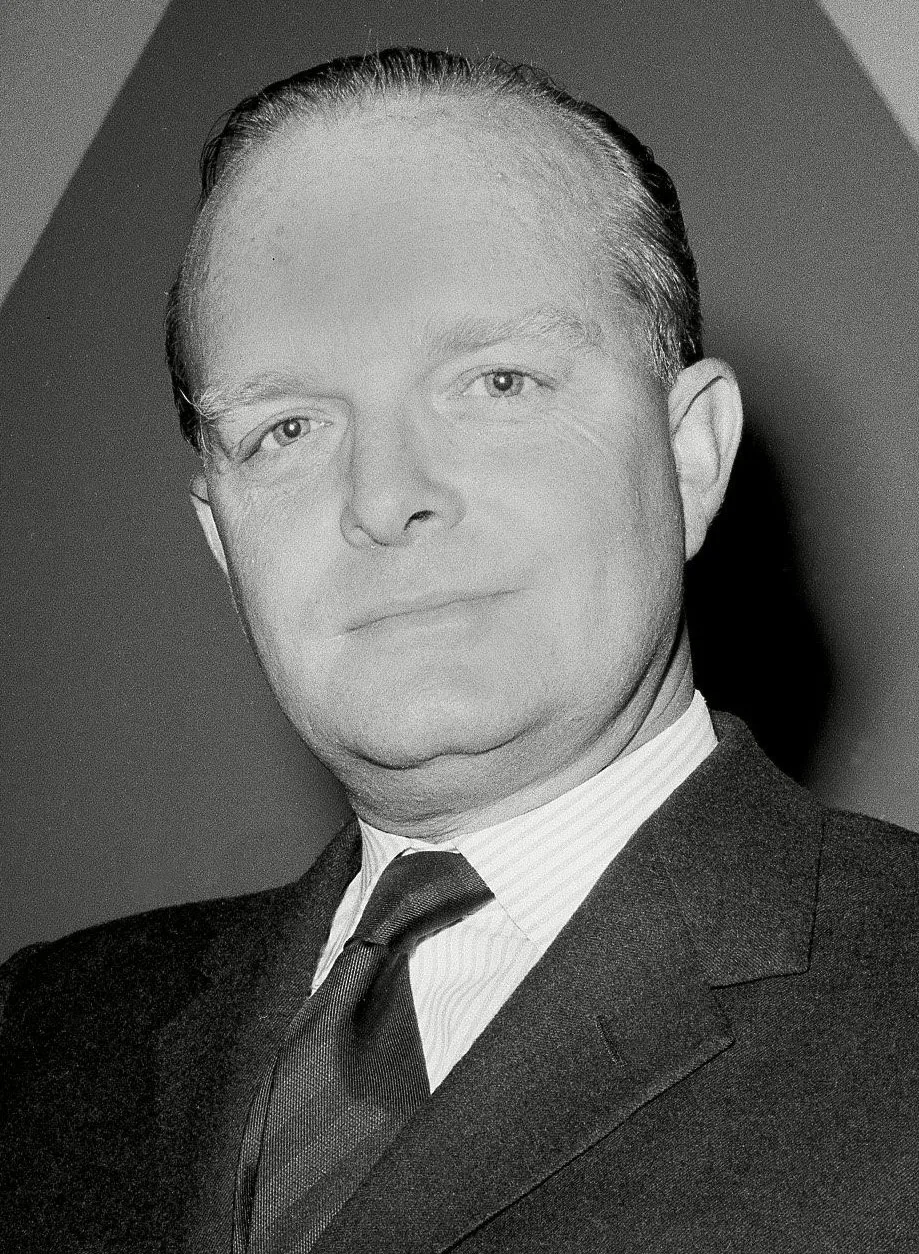
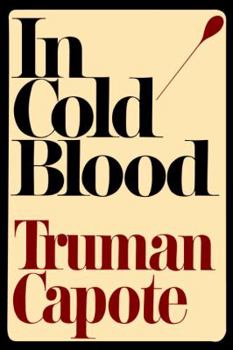
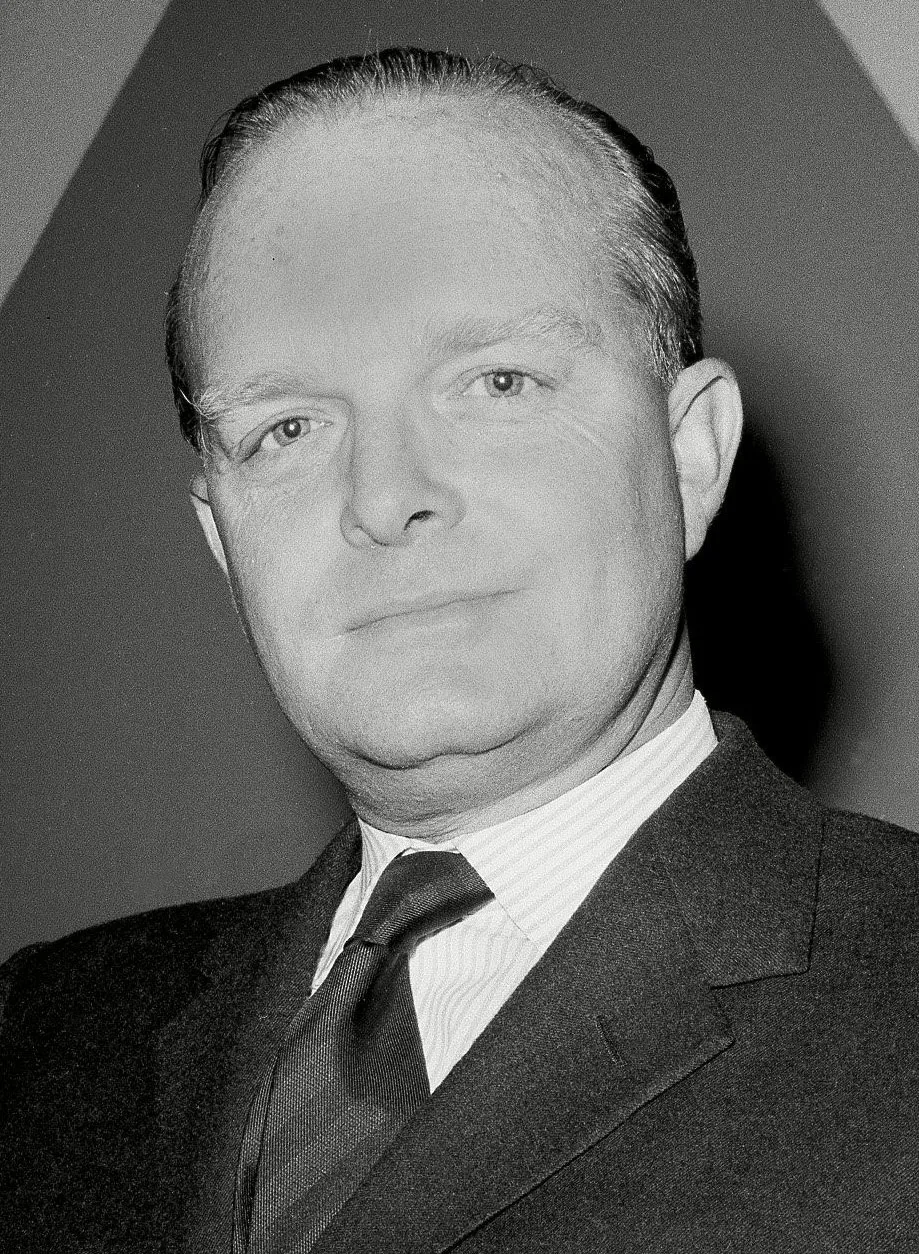
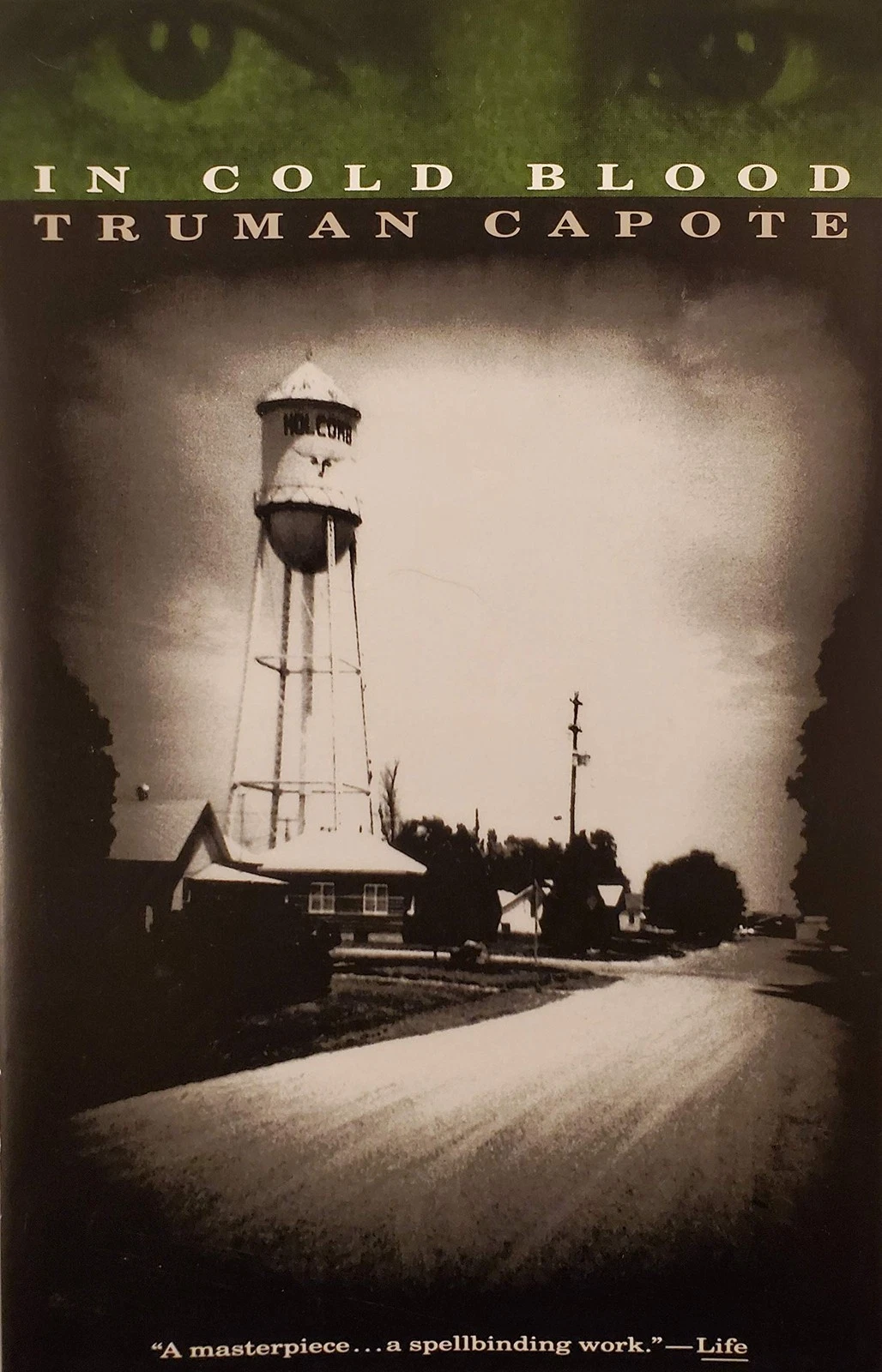
The human fascination with crime, particularly murder, is an ancient and unsettling truth. From Shakespearean tragedies to modern detective novels, the fictionalized exploration of ultimate transgression offers a safe distance, a controlled thrill. Yet, when the line between fiction and reality blurs, the allure can transform into a deeply conflicted unease. This profound ethical tightrope walk is nowhere more evident than in the genre of true crime, a pervasive cultural force largely catalyzed by one groundbreaking, yet controversial, work: Truman Capote’s 1966 masterpiece, In Cold Blood.
Capote’s "nonfiction novel" did more than just chronicle a horrific quadruple murder; it redefined a literary genre, transforming sensationalist pulp into serious literature and, in doing so, opened the floodgates for a multi-billion-dollar industry that continues to grapple with the very moral questions Capote himself confronted. The article delves into the enduring impact of In Cold Blood, its masterful narrative, the harrowing events it describes, and the profound ethical questions it continues to provoke in an age saturated with real-life horrors consumed as entertainment.
The Genesis of a Genre: From Pulp to Prestige
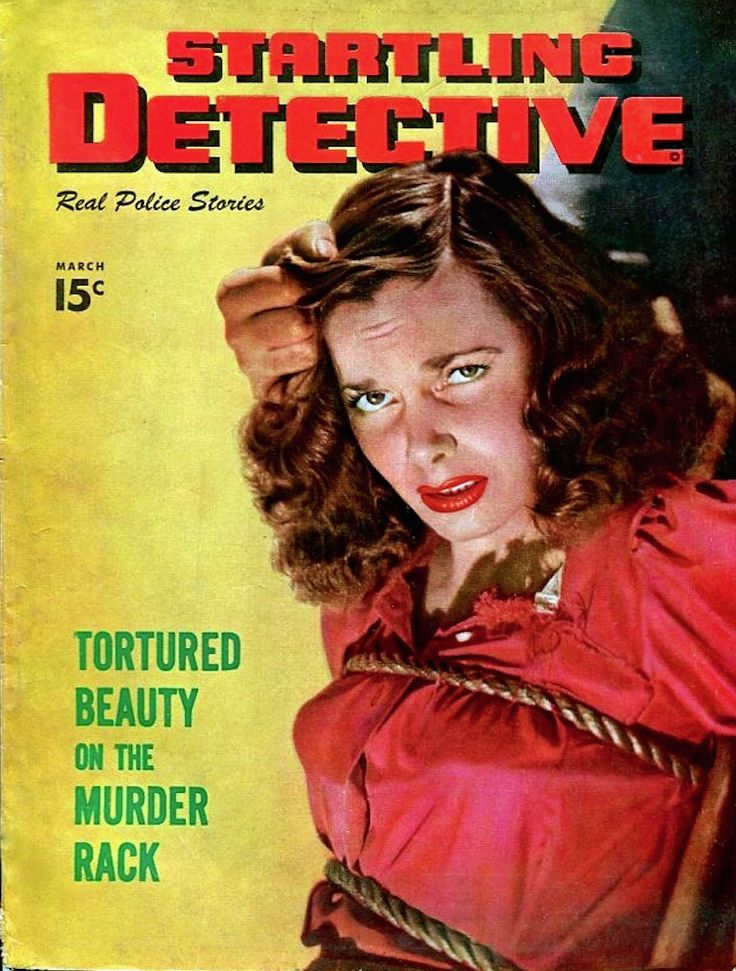
Before In Cold Blood, accounts of real-life atrocities were predominantly confined to the lurid pages of sensationalist magazines. Titles like True Detective and Police Files promised gruesome details and graphic imagery, often accompanied by suggestive "bondage/cheesecake" covers and hack-written stories that prioritized shock value over journalistic integrity or psychological depth. These were publications to be hidden, consumed in secret, far from the intellectual mainstream.
Truman Capote, however, was no anonymous purveyor of sleaze. He was a literary lion of his era, celebrated for works like Breakfast at Tiffany’s. When he heard about the brutal, seemingly motiveless murder of the Clutter family in Holcomb, Kansas, in 1959, he recognized an opportunity not for sensationalism, but for something unprecedented: a meticulously researched, literary exploration of a real crime. What began as an article idea for The New Yorker quickly evolved into an ambitious six-year project that would consume his life and define his legacy. By elevating a true story of murder from the gutter press to the hallowed pages of a respected literary magazine and then a bestselling book, Capote single-handedly legitimized true crime as a serious literary form, forever altering the media landscape.
The Holcomb Horror: A Chronicle of the Clutter Murders
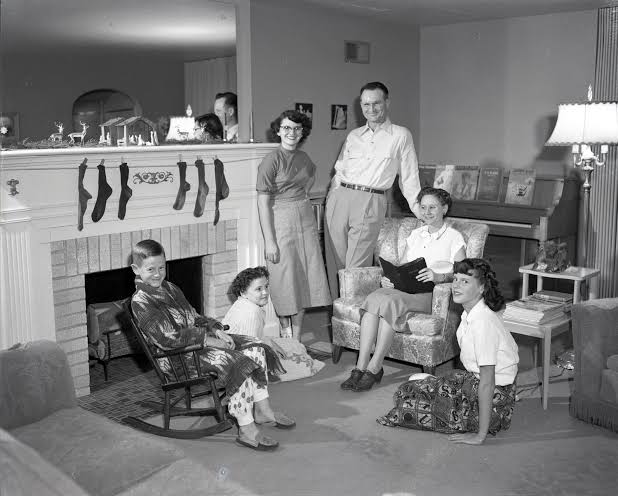
The events that anchored Capote’s monumental work unfolded on the night of November 15, 1959, in the quiet, unassuming farming community of Holcomb, Kansas. Herbert Clutter, a prosperous and respected wheat farmer, his gentle wife Bonnie, and their two teenage children, Nancy and Kenyon, were brutally murdered in their family home. The Clutters were pillars of their community, known for their kindness, generosity, and strong Methodist faith. In a town where doors were often left unlocked, the idea of such a violent intrusion was unfathomable.
The discovery of the bodies the following morning by Nancy’s high school friend, Susan Kidwell, shattered Holcomb’s idyllic sense of security. Each family member had been bound, gagged, and killed with a shotgun blast to the head; Herbert Clutter’s throat had also been cut. The meticulous nature of the crime, combined with the apparent lack of motive and absence of significant stolen property, plunged the tight-knit community into a state of profound shock and near-panic. Suspicions festered, turning neighbor against neighbor, as residents grappled with the terrifying possibility that one of their own could be responsible for such savage cruelty.
The Unraveling of a Mystery: Investigation and Apprehension
The investigation fell largely to a tenacious team from the Kansas Bureau of Investigation (KBI), led by the dedicated ex-sheriff Alvin Dewey. The initial weeks were a grueling exercise in frustration, with hundreds of leads proving fruitless. The perpetrators had worked with chilling efficiency, leaving behind few clues beyond some boot prints. The sheer brutality of the killings suggested a deeply personal vendetta, yet no such animosity could be traced back to the well-liked Clutter family.
The crucial breakthrough arrived six weeks after the murders, from an unlikely source: Floyd Wells, a former cellmate of Richard Hickock at the Kansas State Penitentiary. Wells had briefly worked for Herbert Clutter a decade prior and, during his incarceration, had unwittingly provided Hickock with a fabricated detail: that Clutter kept a safe containing $10,000 cash in his home office. Wells, hearing radio reports of the unsolved Clutter murders, slowly pieced together the horrifying truth and, after weeks of agonizing internal debate, confessed his story to the authorities.
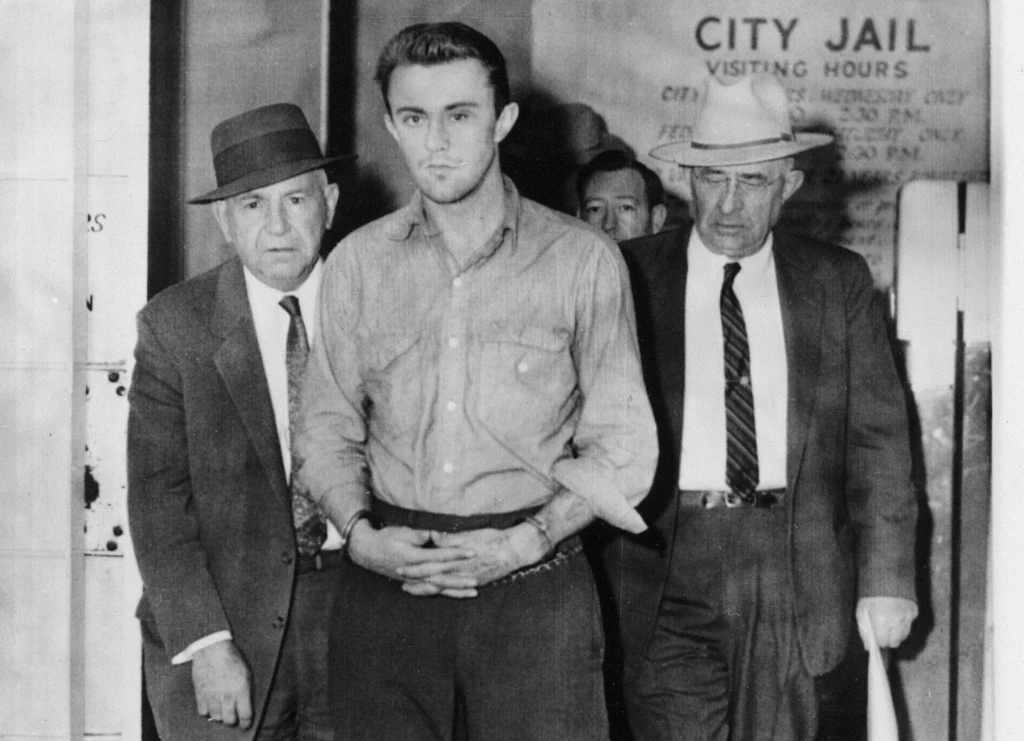
This pivotal information allowed the KBI to identify and pursue Hickock and his accomplice, Perry Smith. The two small-time criminals, who had indeed traveled 400 miles specifically to commit the robbery, were eventually apprehended in Las Vegas after a cross-country flight. Their capture brought a collective sigh of relief to Holcomb, even if it meant confronting the uncomfortable truth that the killers were not a disgruntled local, but rather two strangers from a world far removed from their own.
Portrait of the Killers: Hickock and Smith
Capote’s narrative delves deeply into the lives of Richard Hickock and Perry Smith, offering psychological portraits that are both disturbing and, in Smith’s case, tragically complex. Richard Hickock emerges as a cynical, manipulative, and outwardly aggressive individual. His childhood, while not luxurious, was relatively stable, making his descent into casual violence all the more chilling. He was a gifted con artist, adept at passing bad checks, and his veneer of friendly charm often masked a predatory cunning. He was the architect of the robbery plan, fueled by the false promise of easy wealth and a ruthless determination to leave "no witnesses."
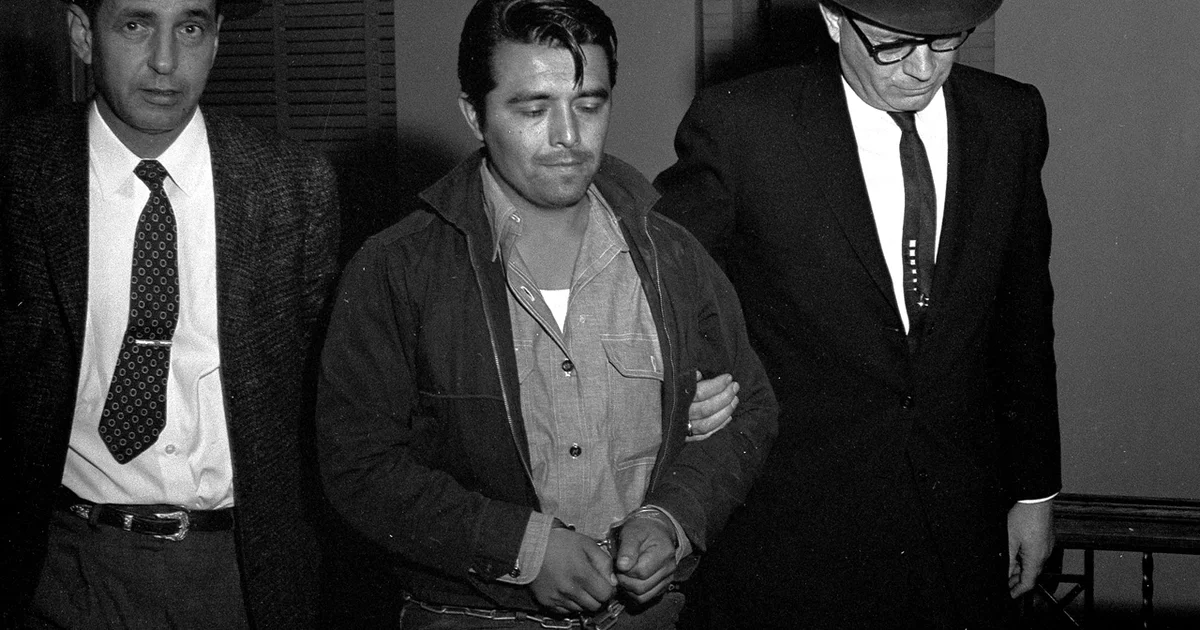
Perry Smith, by contrast, is presented as a more enigmatic and deeply troubled figure. His childhood was a litany of abuse, neglect, and institutional brutality. Raised by alcoholic parents and shuttled through a series of harsh orphanages and juvenile homes, Smith harbored a volatile cocktail of artistic sensitivity, childlike vulnerability, and explosive, uncontrollable rage. Capote, who spent years interviewing the killers on death row, developed a complicated, almost paternal, sympathy for Smith, seeing him as a product of his wretched circumstances. This perceived empathy for Smith, often at the expense of Hickock, became a point of contention for some critics, suggesting Capote’s own temperament resonated more with the transgressive than the conventional.
The actual events of the murder, as revealed through Smith’s confession, were even more senseless than initially imagined. The phantom $10,000 never existed. Hickock and Smith, frustrated and agitated after ransacking the house and finding only a paltry sum, escalated from robbery to cold-blooded murder. Smith, despite moments of surprising tenderness—like placing a pillow under Kenyon Clutter’s head or preventing Hickock from raping Nancy—ultimately committed the horrific acts. His chilling admission, "I didn’t want to harm the man. I thought he was a very nice gentleman. Soft spoken. I thought so right up to the moment I cut his throat," encapsulates the terrifying irrationality at the heart of the crime.

Capote’s Masterpiece: Narrative Craft and Ethical Quandaries
Capote’s brilliance in In Cold Blood lies in its masterful narrative structure, divided into four sections: "The Last to See Them Alive," "Persons Unknown," "Answer," and "The Corner." He meticulously sets the scene, introducing the Clutters in their final hours and paralleling their peaceful existence with the converging path of their future murderers. This technique builds agonizing suspense, likened to watching the Titanic and an iceberg inevitably draw closer. Capote strategically delays the explicit details of the murders, breaking the narrative just as Hickock and Smith approach the Clutter home, leaving the reader in excruciating anticipation. The horrific truth is only fully revealed two hundred and fifty pages later, in a chilling, minute-by-minute account provided by Perry Smith to Alvin Dewey. This narrative choice forces readers to confront the brutality directly, rather than merely observe it.
However, the book’s classification as a "nonfiction novel" and Capote’s famous assertion that "every word is true" became subjects of intense scrutiny and debate. Critics and journalists later uncovered instances of invented dialogue, composite characters, and entirely fabricated scenes. Most notably, the poignant final scene where Alvin Dewey encounters Nancy Clutter’s friend, Susan Kidwell, at the Clutter family grave, a moment designed to offer a sense of closure and life-affirming continuity, was entirely Capote’s invention. Dewey himself confirmed that no such encounter ever took place. Similarly, a scene depicting a jailer’s wife consoling Perry Smith was later denied by the woman involved.
These fabrications raise profound ethical questions about the true crime genre. Does artistic license justify altering facts in a narrative purporting to be entirely truthful, especially when dealing with real-life tragedy? Was Capote prioritizing narrative perfection over absolute factual fidelity? Was he attempting to provide a redemptive arc or a sense of meaning that the bleak reality simply did not offer? These questions lie at the heart of the ongoing debate about true crime: when does powerful storytelling become exploitation, and when does it cross the line from historical account to fictionalized sensationalism?
The Enduring Legacy of True Crime
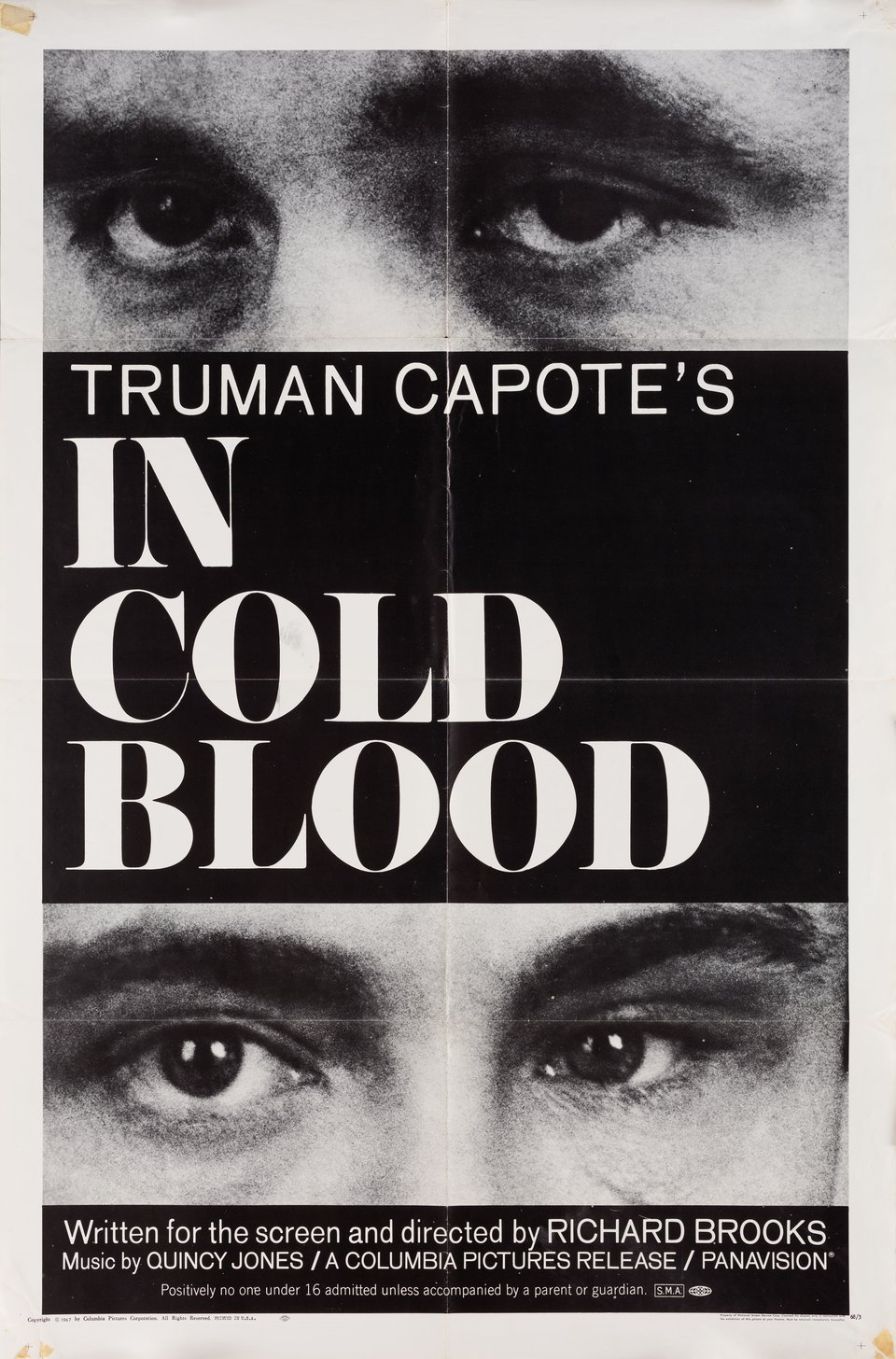
In Cold Blood became an instant bestseller and its 1967 film adaptation further cemented its place in cultural history. Its success single-handedly paved the way for the modern true crime genre, influencing countless books, documentaries, podcasts, and streaming series. Today, the entertainment industrial complex is saturated with true crime, a "bloody bread and butter" for platforms like Netflix and Prime, fulfilling a seemingly insatiable public appetite for stories of real-life murder, abduction, and mystery.
Yet, the ethical concerns first highlighted by Capote’s methodology and the very nature of his subject matter persist. The central conflict expressed by the original article’s author—the deep discomfort with consuming actual human suffering and death as entertainment—is a sentiment shared by many critics and even some consumers of the genre. While fictional mysteries allow for catharsis without consequence, true crime confronts us with genuine anguish, demanding a more profound engagement. The question remains: can true crime provide valuable insight into the human condition, or does it merely pander to a voyeuristic impulse, reducing real tragedy to spectacle?
A Deeper Inquiry: Fate, Free Will, and the Human Abyss
Beyond the gruesome details and narrative tension, In Cold Blood compels readers to grapple with some of humanity’s most enduring and difficult questions. It forces a serious contemplation of fate and free will, of the intricate "webs of circumstance" that entangle individuals. It probes the "mystery of iniquity," asking whether a person’s circumstances determine who they are, or merely reveal it. The stark contrast between the seemingly normal lives of the Clutters and the deeply fractured psyches of their killers underscores this philosophical dilemma.
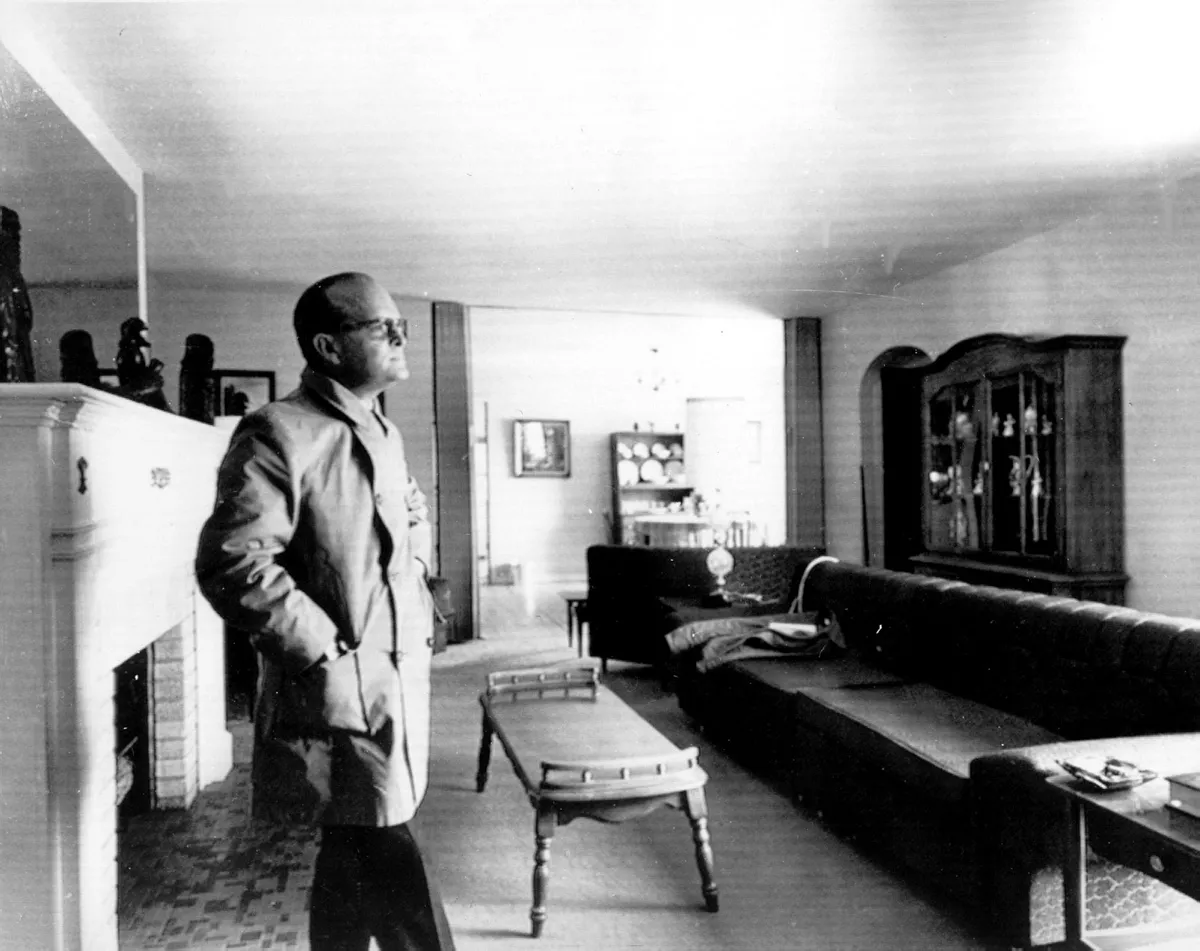
Capote’s personal journey while writing In Cold Blood serves as a testament to the profound weight of its subject matter. The years he spent immersed in the lives of the victims and, more intimately, the killers, took an undeniable toll. The book became his greatest success, the pinnacle of his career, but it also, arguably, "permanently marked him as a man and finished him as a writer." He never completed another novel after In Cold Blood, suggesting that staring into such an abyss exacted an unbearable psychological cost.
The book’s power lies in its ability to force uncomfortable introspection. It compels readers to consider forgiveness and justice, revenge and mercy, life and death, and the often-unfathomable depths of human cruelty. The almost unbearable juxtaposition of Nancy Clutter’s final, desperate pleas against Perry Smith’s pathetic, self-serving last words before execution encapsulates the moral tension at the core of the narrative. This is not a story easily forgotten or shrugged off.
Conclusion
In Cold Blood remains a literary landmark, a gripping, meticulously crafted narrative that birthed a genre and continues to resonate with its raw power and psychological depth. It is a testament to Capote’s genius as a storyteller, but also a stark reminder of the ethical complexities inherent in transforming real human tragedy into art. The unease felt by many, including the author of the original article, upon consuming such narratives speaks to a fundamental human empathy that struggles to reconcile entertainment with genuine suffering.
The ongoing proliferation of true crime in popular culture demands that creators and consumers alike confront these questions. Does our engagement with these stories provide genuine insight, fostering a deeper understanding of human nature, crime, and justice? Or does it merely satisfy a primal, unsettling curiosity, leaving us with a transient thrill but no true illumination? In Cold Blood stands as a powerful, uncomfortable mirror, reflecting not just the darkness of the human heart, but also the enduring, perhaps unanswerable, questions about our own complicity in its observation. The quiet, unhelpful gaze of a passerby at a roadside accident—a chilling metaphor evoked by the original author—remains a potent reminder of the fine line between empathy and voyeurism that true crime perpetually navigates.