
A New Era for Faerûn: Craig Mazin to Helm HBO’s Dungeons & Dragons Series Set After Baldur’s Gate 3
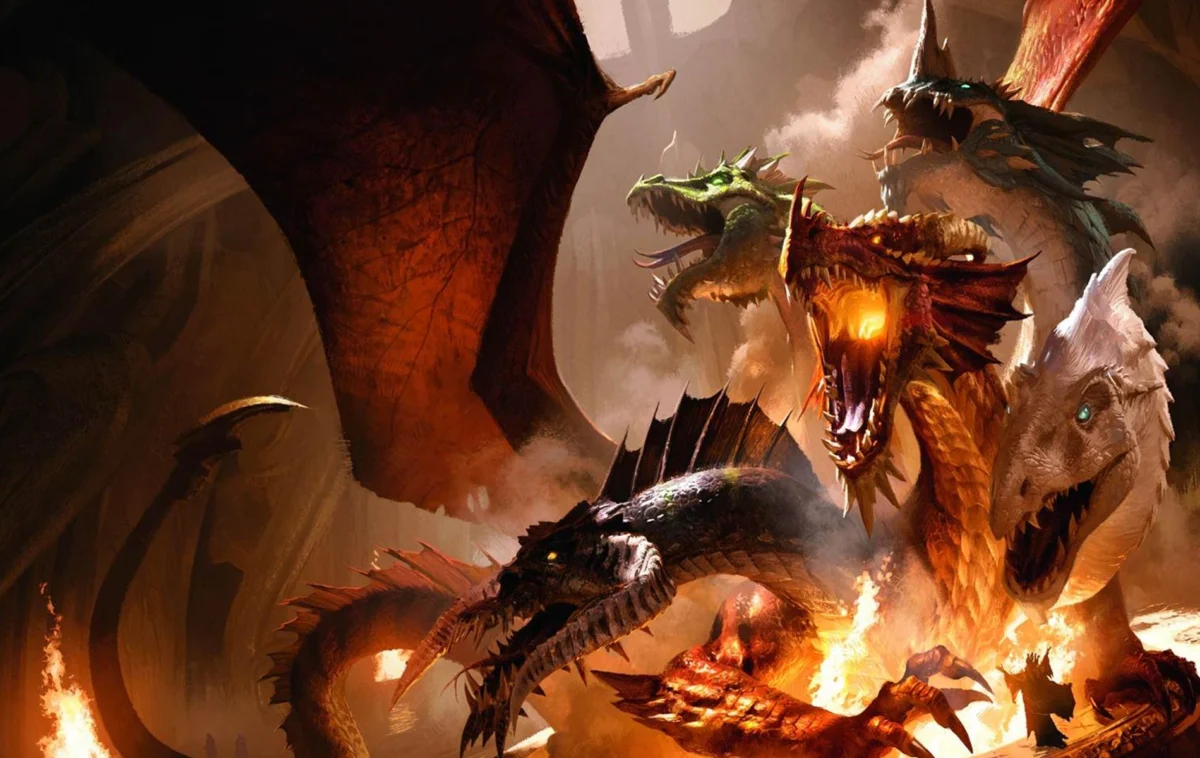
In a groundbreaking announcement that has sent ripples through the vast realms of fantasy entertainment and gaming, Emmy-winning showrunner Craig Mazin, acclaimed for his masterful work on HBO’s The Last of Us and Chernobyl, is spearheading the development of a monumental Dungeons & Dragons television series for HBO. This ambitious project is set to adapt and significantly expand upon the universally beloved Baldur’s Gate video game universe, uniquely positioned to pick up the narrative thread immediately following the climactic events of the critically adored Baldur’s Gate 3.
This highly anticipated series promises a fresh narrative approach, diverging from the direct adaptations often seen in the industry. Unlike the meticulous, tightly scripted narrative of The Last of Us, which faithfully mirrored the plot of its original video game source, this D&D series grants Mazin substantial creative autonomy. He will have the freedom to construct and explore entirely new storylines within the established framework. While firmly set in the iconic Forgotten Realms and deeply rooted in the rich narrative and complex characters introduced in Baldur’s Gate 3, the show is expected to artfully interweave familiar lore and beloved personalities with original arcs. This strategy aims to deepen the world’s intricate political intrigue, explore character dynamics beyond the game’s scope, and present fresh mysteries for both veteran fans and newcomers to unravel. The news marks a significant investment by HBO in high-fantasy storytelling, leveraging the immense popularity of the Dungeons & Dragons franchise and the recent unparalleled success of its latest video game iteration.
The Maestro Behind the Myth: Craig Mazin’s Track Record and Vision
The selection of Craig Mazin as the guiding force behind this epic undertaking is a testament to his unparalleled ability to craft compelling narratives from existing intellectual properties and his proven track record in delivering critically acclaimed, high-stakes dramas. Mazin’s filmography speaks volumes about his versatile talents, transitioning from early comedic screenwriting to becoming one of television’s most respected dramatic showrunners.
His work on Chernobyl (2019) garnered widespread critical adulation, earning him two Emmy Awards for Outstanding Writing for a Limited Series and Outstanding Limited Series. The five-part historical drama was lauded for its meticulous research, harrowing realism, and profound emotional impact, demonstrating Mazin’s capacity to translate complex, real-world events into gripping television. He proved his skill in building tension, developing multifaceted characters under extreme duress, and handling sensitive material with gravitas and nuance.
Following Chernobyl, Mazin took on the daunting task of adapting Naughty Dog’s beloved video game, The Last of Us, for HBO. This project was met with immense anticipation and scrutiny, given the game’s iconic status and fiercely loyal fanbase. Mazin, co-creating and co-writing the series with game director Neil Druckmann, delivered a faithful yet deeply cinematic adaptation that shattered the "video game curse" in Hollywood. The series earned widespread critical acclaim, became a massive commercial success, and garnered numerous awards, including multiple Emmys, for its masterful storytelling, powerful performances, and unwavering commitment to the source material’s emotional core. His ability to distill the essence of a narrative-driven game and expand its emotional resonance for a new medium solidified his reputation as a visionary adapter.
Crucially, Mazin is not merely a showrunner with a proven track record; he is a bona fide, lifelong Dungeons & Dragons enthusiast. This personal connection is a significant factor in the excitement surrounding the project. He has been openly vocal about his deep love for the tabletop game, having played it for many years. His commitment extends to the source material for this series, as he revealed he completed Baldur’s Gate 3 on its most challenging setting, demonstrating a profound understanding and respect for the game’s intricate mechanics and narrative depth. In statements shared with various media outlets, Mazin described the opportunity to bring this world to life as a "dream come true," emphasizing his fervent desire to honor the original source material while simultaneously crafting something uniquely compelling and effective for the television medium. This blend of professional acumen and genuine passion offers a reassuring promise to a fanbase that has often seen its cherished properties mishandled in adaptation. His commitment to authenticity, combined with his narrative prowess, positions him as an ideal steward for the rich tapestry of the Forgotten Realms.
Charting Uncharted Territory: Post-Baldur’s Gate 3 Narrative Freedom
One of the most intriguing aspects of HBO’s Dungeons & Dragons series is its commitment to continuing the story after the events of Baldur’s Gate 3, rather than a direct retelling of the game’s plot. This creative decision offers both unique opportunities and considerable challenges, distinguishing it sharply from Mazin’s previous adaptation of The Last of Us. While The Last of Us succeeded by meticulously translating the game’s narrative beat-for-beat, the D&D series embraces a different philosophy, leveraging the established world and characters as a springboard for new adventures.
This approach grants Mazin and his writing team unparalleled creative freedom. They are not bound by the game’s specific branching choices or its multiple endings, which would be an impossible feat to reconcile in a linear television format. Instead, they can craft a cohesive, singular narrative trajectory, exploring the ramifications of the game’s epic conclusion and the lingering questions left unanswered. This allows for the introduction of new characters, the development of existing ones in unforeseen ways, and the exploration of untapped corners of the vast Forgotten Realms. The world of Faerûn, where Baldur’s Gate 3 and the new series are set, is one of the most expansive and detailed fantasy settings ever conceived, boasting millennia of lore, countless cities, diverse cultures, and a pantheon of gods and monsters. Mazin’s team can delve into its political landscape, the power vacuums left by recent events, or the emergence of new threats that require the intervention of heroes.
However, this freedom also comes with the significant challenge of managing fan expectations. Baldur’s Gate 3 players invested hundreds of hours making choices that shaped their personal narratives, forged deep connections with specific companions, and experienced highly personalized endings. The television series will inevitably present a definitive "canon" path, which might diverge from individual players’ experiences. The delicate balance will be to create a story that feels authentic to the spirit of the game and its characters, regardless of which ending a player achieved, while also forging a new path that feels compelling and essential. This requires a profound understanding of the game’s core themes, character motivations, and world-building principles. Mazin’s stated desire to "honor the original source material" will be paramount in navigating these waters, ensuring that while the story is new, it remains true to the essence of Baldur’s Gate 3. The decision to continue the story rather than retell it is a bold one, signaling a confidence in the narrative potential of the universe itself and a desire to provide a genuine continuation for the millions who fell in love with Faerûn’s latest saga.
The Phenomenon of Baldur’s Gate 3: A Foundation of Excellence
The decision to base HBO’s new Dungeons & Dragons series on the universe immediately following Baldur’s Gate 3 is a strategic one, capitalizing on the game’s unprecedented success and cultural impact. Released in 2023 by Larian Studios, Baldur’s Gate 3 was not merely a video game; it was a phenomenon that redefined expectations for the role-playing genre and captivated a global audience far beyond traditional gaming circles.
Upon its release, Baldur’s Gate 3 garnered near-universal critical acclaim, earning perfect scores from numerous publications and quickly establishing itself as a benchmark for narrative depth, player agency, and intricate world-building. Critics lauded its sprawling storyline, which offered hundreds of hours of content, its complex and morally ambiguous characters, and its innovative gameplay mechanics that truly emulated the freedom and unpredictability of a tabletop D&D campaign. Its success was not just critical; it was a massive commercial hit, selling millions of copies worldwide and dominating discussions across social media platforms. The game swept numerous "Game of the Year" accolades, solidifying its place as one of the most influential and beloved titles of its generation.
What makes Baldur’s Gate 3 such a rich tapestry for television adaptation lies in its inherent narrative qualities. The game presented a compelling central conflict – a parasitic invasion threatening to transform its victims into mind flayers – alongside a deeply personal journey for its diverse cast of origin characters and player-created heroes. It explored themes of choice, consequence, destiny, corruption, and redemption with remarkable nuance. Its characters, from the charismatic vampire Astarion to the steadfast cleric Shadowheart and the fiery tiefling Karlach, became instant fan favorites, each with their own complex backstories, internal struggles, and compelling personal arcs. The game’s narrative was not just about saving the world; it was about the intricate relationships formed, the difficult moral dilemmas faced, and the personal sacrifices made along the way.
Furthermore, Baldur’s Gate 3 excelled at creating a vibrant, lived-in world. From the bustling streets of Baldur’s Gate itself to the shadowy underdark and the corrupted landscapes of the Shadow-Cursed Lands, every location felt brimming with history, danger, and opportunity. The political machinations, ancient rivalries, and looming threats provided a fertile ground for dramatic storytelling, perfectly suited for the serialized format of television. The game’s success proved that there is a massive appetite for rich, character-driven fantasy that respects its audience’s intelligence and rewards deep engagement. This robust foundation provides Mazin and HBO with a proven, beloved universe and a ready-made audience eager to see its story continue in a new medium.
HBO and the Fantasy Landscape: A Legacy of Grand Storytelling
HBO’s decision to greenlight a Dungeons & Dragons series, particularly one helmed by Craig Mazin and set in the Baldur’s Gate 3 universe, firmly underscores the network’s unwavering commitment to high-budget, critically acclaimed fantasy storytelling. HBO has long been synonymous with groundbreaking television, and its ventures into the fantasy genre have consistently raised the bar for the entire industry.
The most prominent example, of course, is Game of Thrones. From its debut in 2011, Game of Thrones transformed fantasy television from a niche genre into a mainstream cultural phenomenon. It demonstrated that complex narratives, morally grey characters, political intrigue, and spectacular production values could captivate a global audience of unprecedented scale. Despite its controversial final season, Game of Thrones established HBO as the premier destination for epic fantasy, proving its capacity to manage massive budgets, intricate world-building, and a sprawling ensemble cast. This legacy continues with House of the Dragon, a prequel series that successfully recaptured much of the original’s magic, further cementing HBO’s dominance in the genre.
This history positions HBO as an ideal home for a Dungeons & Dragons adaptation. The network possesses the financial resources, the production expertise, and the creative talent infrastructure necessary to translate the sprawling, intricate world of Faerûn into a visually stunning and narratively compelling series. They understand the nuances of building a believable fantasy world, investing in high-quality visual effects, elaborate costumes, and immersive sets that are essential to bringing D&D to life. Moreover, HBO’s reputation for allowing its showrunners significant creative freedom, within reasonable boundaries, aligns perfectly with Mazin’s vision for this project, particularly his desire to explore new narrative avenues post-Baldur’s Gate 3.
The D&D series represents a strategic move for HBO, strengthening its portfolio of premium fantasy content in an increasingly competitive streaming landscape. With other platforms also investing heavily in the genre, HBO is doubling down on its strengths, leveraging a globally recognized brand and a proven showrunner. This move not only caters to its existing subscriber base who appreciate high-quality fantasy but also aims to attract new audiences drawn by the immense popularity of Dungeons & Dragons and Baldur’s Gate 3. The project is a clear signal that HBO intends to remain at the forefront of grand, immersive storytelling for years to come.
Strategic Partnership: Hasbro Entertainment and the Future of the D&D Brand
The development of the Dungeons & Dragons television series is a collaborative effort, being developed in partnership with Hasbro Entertainment. This arrangement is crucial, as Hasbro owns the Dungeons & Dragons brand through its subsidiary, Wizards of the Coast, which is responsible for the tabletop role-playing game and its associated lore, including the Forgotten Realms setting and the Baldur’s Gate video game series.
This partnership is more than a mere licensing deal; it positions the show as an official continuation of the Baldur’s Gate 3 storyline within the broader D&D canon. This strategic alignment is vital for maintaining narrative consistency and authenticity, which is paramount for a franchise with such a rich and extensive history. By working directly with Hasbro Entertainment, Mazin and HBO gain direct access to the vast repository of lore, character backstories, and world-building details that make Dungeons & Dragons so compelling. This collaboration ensures that the series will resonate deeply with existing fans who are intimately familiar with the intricacies of Faerûn.
For Hasbro, this television series represents a significant expansion of the Dungeons & Dragons brand beyond its traditional tabletop and video game markets. A high-profile HBO series, especially one spearheaded by a talent like Craig Mazin, offers an unparalleled opportunity to introduce D&D to a massive mainstream audience who may not have ever rolled a twenty-sided die or played a complex CRPG. The success of Baldur’s Gate 3 already demonstrated the broad appeal of the D&D universe, and a well-executed television series could further amplify this reach, drawing new players to the tabletop game, increasing sales of D&D merchandise, and fostering a new generation of fans.
This collaborative model contrasts with some past adaptations where a brand owner might simply license out rights without deep creative involvement. Here, the emphasis is on a shared vision to create a definitive, high-quality adaptation that respects the brand’s legacy while also forging a new path. It’s a clear indication that Hasbro is invested in the long-term health and growth of the Dungeons & Dragons franchise, recognizing the power of cross-media storytelling to sustain and expand its cultural footprint. The partnership aims to ensure that both existing fans of the video game and newcomers can engage with the world in a fresh, yet authentic, way, solidifying D&D‘s position as a leading fantasy property across all entertainment mediums.
Implications for the Realm: What This Means for D&D, Gaming, and Television
The announcement of Craig Mazin’s Dungeons & Dragons series for HBO, set after Baldur’s Gate 3, reverberates with profound implications across multiple entertainment spheres. It signals not just another high-budget fantasy show, but a potential watershed moment for the D&D franchise, the gaming industry, and the broader landscape of premium television.
Bridging Worlds: From Tabletop to Television
For the millions of Dungeons & Dragons players worldwide, this series represents another exciting, and potentially definitive, bridge between the worlds of tabletop role-playing games (TTRPGs) and mainstream entertainment. The success of Dungeons & Dragons: Honor Among Thieves in 2023 demonstrated the cinematic potential of the brand, but a serialized HBO drama delves much deeper into character and world-building, echoing the immersive experience of a TTRPG campaign.
A critically acclaimed series on HBO could significantly broaden the appeal of D&D itself. Just as Game of Thrones inspired a surge of interest in epic fantasy novels, this series could entice countless new players to pick up a Player’s Handbook, gather friends around a table, and embark on their own adventures in the Forgotten Realms. It validates the storytelling richness of TTRPGs, showcasing their capacity for complex narratives and profound emotional engagement to an audience that might only be familiar with more conventional forms of entertainment. This cross-media synergy could spark a new era of D&D popularity, reinforcing its position as the progenitor of modern fantasy role-playing.
A New Benchmark for Fantasy Adaptations?
With Craig Mazin at the helm, expectations for this Dungeons & Dragons project are astronomically high. His proven ability to translate beloved properties into critically adored television, combined with his personal passion for D&D, suggests that this series could not only capture the spirit of Baldur’s Gate but also elevate the fantasy genre on the small screen to unprecedented heights. It has the potential to set a new benchmark for how video game and tabletop RPG adaptations are approached, emphasizing creative freedom within a framework of deep respect for source material.
The choice to continue the story rather than adapt it directly speaks to a maturation in the adaptation landscape, moving beyond simple retellings to explore the expansive narrative potential of established universes. This could pave the way for other game franchises to receive similar treatment, fostering a new wave of serialized storytelling that respects its gaming roots while forging bold new paths.
Expanding the Gaming Universe
For the gaming community, particularly fans of Baldur’s Gate 3, the series offers an opportunity to revisit beloved characters and a cherished world. While many details – including casting, release timing, and specific plot elements – are still under wraps, the mere existence of this project validates the immense narrative and cultural impact of Baldur’s Gate 3. It transforms the game’s ending, whatever it may have been for individual players, into a launching pad for a new, shared adventure. This is a testament to the game’s quality and its power to create a universe worthy of continued exploration in a premium television format.
In an era increasingly defined by multi-platform storytelling, the Dungeons & Dragons series on HBO represents a significant leap forward. It promises to deliver a rich, immersive narrative that honors its legendary origins while forging a bold new chapter for Faerûn, captivating millions and solidifying the enduring legacy of Dungeons & Dragons for generations to come. The dice are cast, and the adventure is just beginning.



Leave a Comment