The Enduring Allure of Physical Media Amidst Global Upheaval: A 2020 Retrospective
Six years have passed since the summer of 2020, a period indelibly marked by the global COVID-19 pandemic and its sweeping societal changes. As the world grappled with unprecedented lockdowns and isolation, the arts—from literature and music to television and cinema—transformed from mere diversions into vital lifelines. This era underscored the profound psychological importance of cultural consumption and, for a dedicated niche, the irreplaceable value of physical media. A poignant encounter during a Barnes & Noble Criterion Collection sale in July 2020 serves as a powerful microcosm of these broader trends, highlighting resilience, unexpected human connection, and the enduring power of film.
The Criterion Collection, renowned globally for its meticulous curation and preservation of "the greatest films from around the world" in editions of the "highest technical quality, with supplemental features that enhance the appreciation of the art of film," has long held a revered status among cinephiles. Its biannual 50% off sales at Barnes & Noble are eagerly anticipated events, attracting collectors who view these releases as the gold standard of physical media. The July 2020 sale, however, unfolded against a backdrop unlike any other, offering a unique lens through which to examine consumer behavior, the resilience of retail, and the human need for connection in an era of profound detachment.
A Snapshot of Isolation: The Summer of 2020
California’s Lockdown Experience
While some regions of the world began to cautiously ease restrictions by mid-2020, California, the "Golden State," found itself deeply entrenched in the throes of lockdown. Strict public health measures meant shuttered businesses, deserted streets, and a pervasive sense of eerie quiet. The once-bustling metropolises, vibrant cultural hubs, and sun-drenched beaches were transformed into landscapes of enforced solitude. This period was characterized by a collective psychological strain, as individuals navigated uncertainty, fear, and the profound disruption of daily routines. The social fabric frayed under the pressure of prolonged isolation, and the absence of casual human interaction became a palpable void.
Entertainment as a Cultural Anchor
In this environment, entertainment transcended its typical role. Books became windows to other worlds, music offered solace and rhythm, and television shows and movies provided both escapism and a shared cultural language, however distant. The surge in streaming services during this time was well-documented, as millions sought refuge in digital content libraries. Yet, for many, the tangible comfort and permanence of physical media held a unique appeal. Owning a film, rather than merely accessing it, offered a sense of control and certainty in an unpredictable world. The Criterion Collection, with its emphasis on cinematic artistry and comprehensive supplementary materials, became particularly significant for those seeking deeper engagement with film, transforming home viewing into a richer, more profound experience.
The Annual Pilgrimage: A Chronology of the 2020 Criterion Sale
The Notification and the Ritual
For dedicated collectors, the arrival of the Criterion sale email in June or July is a cherished annual ritual, a beacon of cinematic opportunity. In 2020, this notification carried an added layer of significance. It represented a brief, albeit carefully managed, return to a semblance of normalcy and a chance to engage with a beloved passion. The routine of preparing for the visit—grabbing a wallet, heading for the door—was now augmented by the essential addition of a face mask, a stark reminder of the extraordinary circumstances. This simple act of donning a mask before a shopping trip epitomized the new reality, blending the familiar with the unprecedented.
The Journey and the Eerie Landscape
The journey to the Barnes & Noble, typically a routine drive, became an experience tinged with the surreal. Roads that once teemed with traffic were eerily quiet, reflecting the statewide stay-at-home orders. Upon arrival, the store itself, usually a bustling hub of activity, presented an almost post-apocalyptic tableau. The vast interior, designed to accommodate hundreds, held only a handful of patrons, their masked faces and cautious movements underscoring the prevailing anxiety. The silence, broken only by the distant hum of HVAC systems, amplified the sense of isolation, making the act of browsing feel like a solitary exploration in a deserted archive.
A Moment of Connection
Within this quiet expanse, a unique human interaction unfolded. At the rear of the store, where the Criterion Collection occupied a substantial twenty-five-foot stretch of wall, two masked figures began their browsing, one starting from the left with Amarcord (Italy, 1973) and the other from the right with Zatoichi: The Blind Swordsman (Japan, 1962-1973). Their eventual convergence in the middle of the display was more than a coincidence; it was a silent acknowledgment of shared passion. In ordinary times, such an encounter might pass without a word. However, 2020 was far from ordinary. The pervasive isolation had amplified the human yearning for connection, making even brief interactions remarkably potent.

A spontaneous conversation blossomed, transcending the usual social barriers. The shared love for cinema—genres, directors, actors, specific scenes, and iconic shots—provided an immediate and deep common ground. For forty minutes, these two strangers, separated by an age gap but united by their passion, discussed films with an intensity born of prolonged solitude. This unplanned dialogue was a powerful testament to the human need for interaction, a moment of profound connection in an otherwise disconnected world. It underscored how shared interests can bridge divides, even in the most challenging of times, offering a temporary reprieve from the anxieties of the pandemic.
The Power of Recommendation: Supporting Data and Thematic Resonance
The Collector’s Imperative
The extensive personal collection of "almost six hundred Criterions," ranging from early DVDs like Laurence Olivier’s Hamlet (United Kingdom, 1948) to modern 4K UHD editions such as Guillermo del Toro’s Nightmare Alley (United States, Mexico, 2021), and monumental multi-disc sets like Ingmar Bergman’s Cinema, exemplifies the profound dedication of Criterion enthusiasts. This passion is driven not merely by acquisition but by an appreciation for cinematic art in its most pristine and contextualized form. Criterion’s commitment to high technical quality and rich supplemental features elevates these films beyond simple viewing experiences, turning them into cultural artifacts deserving of preservation and study. The annual sale offers an irresistible opportunity for these collectors to expand their curated libraries, further cementing their connection to the art form.
The Choice: Ace in the Hole vs. The Black Stallion
As the conversation drew to a close, the younger man posed a deeply personal question: if he could afford one more Criterion, which film would be recommended? The immediate thought was Billy Wilder’s Ace in the Hole (United States, 1951), a searing critique of American media and public sensationalism. Starring Kirk Douglas in a monumental performance as a cynical newspaperman who manipulates a small human tragedy into a national spectacle, leading to an innocent man’s death, the film is a "glass of acid" flung at societal greed and moral decay. Its brilliant, scalding indictment of human nature and media exploitation makes it one of the finest cinematic achievements of the 1950s.
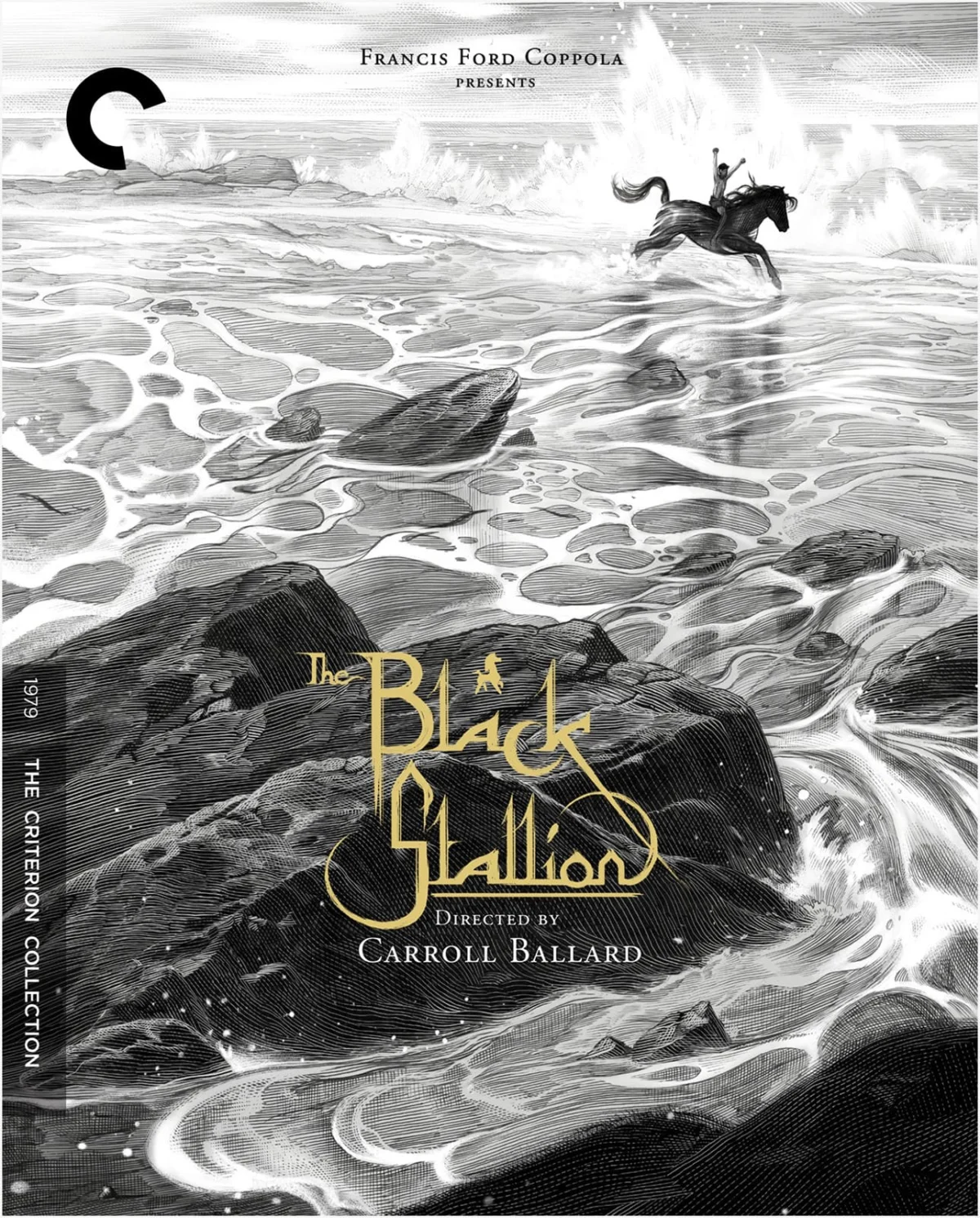
However, in the unique context of 2020, a different choice emerged. The intense isolation and collective anxiety of the pandemic necessitated a message of hope and uplift. Ace in the Hole, for all its genius, was perhaps too dark, too cynical for a moment when the human spirit craved affirmation. Instead, Carroll Ballard’s The Black Stallion (United States, 1979), based on Walter Farley’s classic children’s novel, resonated more profoundly. This film tells the story of Alec, a boy shipwrecked with a wild black stallion, and their journey of survival, taming, and ultimately, triumph.
The Psychology of Escapism and Hope
The Black Stallion is a narrative steeped in themes of resilience, the power of connection between human and animal, and the ultimate victory of spirit. Alec’s struggle to survive on a barren island and tame the savage horse, culminating in their rescue and subsequent triumph in a match race, offers a powerful allegory for overcoming adversity. The film’s climax, where Alec and the black stallion surge ahead, flashes back to the boy’s ecstatic moment on the island when the horse first allowed him to ride. This iconic image—the pair racing along the beach, virtually one creature, Alec’s hair flying, his face glowing with joy and his arms lifted in exultation—is a potent symbol of "joy, freedom, and release."
These were precisely the emotions desperately needed in 2020. The film provided a much-needed antidote to the pervasive gloom, offering a vision of triumph over seemingly insurmountable challenges. It spoke to the universal human desire for liberation from constraint, a longing that was particularly acute during the lockdowns. The recommendation of The Black Stallion was not just about cinematic quality, but about delivering a message of hope and emotional sustenance, reinforcing the idea that "nothing lasts forever" and that joy and freedom would eventually return. It was a film chosen for its therapeutic power, its ability to remind viewers of the beauty and resilience of the human (and equine) spirit.
Industry Responses and Consumer Shifts: Broader Implications
Retail Adaptation and Resilience
The pandemic presented an unprecedented challenge to brick-and-mortar retail, forcing rapid adaptation. Barnes & Noble, like many others, implemented stringent safety protocols: mandatory masks, reduced capacity, social distancing markers, and enhanced cleaning regimens. While foot traffic plummeted across the board, specialized retail segments catering to passionate communities, such as film enthusiasts, demonstrated a surprising resilience. These consumers, often driven by a desire for tangible collections and a curated experience, continued to support physical stores, albeit in modified ways. Analysts observed that while e-commerce surged, the unique appeal of browsing and the social aspect of niche retail, even if subdued, retained its value for a dedicated clientele. The Criterion sale at Barnes & Noble became a testament to this resilience, showing that certain retail experiences, especially those tied to passionate hobbies, could persist even under duress.
The Enduring Appeal of Physical Media

The debate between streaming and physical media intensified during the pandemic. While streaming services offered immediate access to vast libraries, the instability of content availability—films frequently disappearing or moving platforms—underscored a key advantage of physical ownership. Collectors found solace in the permanence of their physical libraries, immune to licensing changes and digital rights management. Moreover, physical media often provides superior technical quality (especially 4K UHD), lossless audio, and invaluable supplemental features that deepen appreciation for the art form.
The personal commitment to physical media, despite its demands on space and wallet, is rooted in these "human reasons." It’s about more than just watching a film; it’s about curating a personal archive, engaging with the artistry, and owning a piece of cultural history. The 2020 experience reinforced this sentiment, highlighting how physical media offered a sense of stability and personal control in a world that felt increasingly out of control. It solidified the understanding that for discerning consumers, the tactile experience and archival integrity of physical media remain irreplaceable.
The Legacy of Human Connection
The "brief encounter" at the Barnes & Noble Criterion display serves as a powerful symbol of the human spirit’s capacity to seek and find connection even in the most isolating of circumstances. In a year defined by social distancing and fear, a spontaneous conversation between strangers over a shared love for film became an exceptionally precious moment. This interaction, unburdened by the usual social formalities, spoke to a collective longing for genuine human contact.
The hope that The Black Stallion provided solace and lasting value to the young man reflects a broader implication of the pandemic: the profound impact of small acts of kindness and understanding. Such moments, however fleeting, offered glimmers of hope and reinforced the idea that community and empathy could still flourish, even when physical proximity was restricted. The film recommendation transcended mere cinematic advice; it was an offering of emotional support, a tangible reminder that "things would get better." The legacy of this encounter lies not only in the film itself but in the memory of a shared moment that underscored the vital importance of human connection during a time when it was most acutely missed.
Conclusion: Six Years On, A Timeless Message
Six years have now passed since the lockdown summer of 2020. The anxieties of that period have receded, yet the lessons learned about resilience, the profound role of art, and the enduring need for human connection remain. The annual pilgrimage to the Barnes & Noble Criterion sale continues, a tradition that now carries the weight of a powerful memory, even if the young man from that particular summer has not reappeared.
If that "brief encounter" was indeed a singular moment, a Brief Encounter (United Kingdom, 1945) never to be repeated, the hope persists that The Black Stallion offered its recipient something vital—joy, freedom, and a sense of release during a time of immense strain. It stands as a testament to the power of cinema not merely as entertainment, but as a source of emotional sustenance and a catalyst for human connection.
The commitment to physical media, despite the pervasive nature of streaming, continues to be validated by such experiences. It is a commitment rooted not just in technical superiority or archival integrity, but in the deeper, "human reasons" that emerge most clearly during challenging times. It reminds us that stories, in whatever form they take, possess an extraordinary capacity to hold us up, to keep us from reaching The Breaking Point (United States, 1950), and to assure us that, eventually, we will emerge into brighter days, capable of looking back and asking, "Has it been that long ago, already?"
And for anyone seeking a recommendation for a good movie to watch tonight, the answer remains the same: The Black Stallion. Its message of hope and triumph is as relevant today as it was in the solitary summer of 2020.