Author Tomi Adeyemi Declares Boycott of Film Adaptation of "Children of Blood & Bone" Amidst Public Rift
A Deeply Personal Stance Shakes the Anticipation for Paramount’s Highly-Awaited Fantasy Epic
The highly anticipated film adaptation of Tomi Adeyemi’s groundbreaking young adult fantasy novel, "Children of Blood & Bone," has been thrust into an unforeseen storm of controversy. In a dramatic public declaration, author Tomi Adeyemi has announced her intention to neither view nor support the film, slated for release on January 15, 2027. This stark pronouncement, delivered via a personal TikTok video, signals a profound and painful disconnect between the visionary creator and the cinematic interpretation of her beloved work. The move has sent ripples through the literary and film communities, raising urgent questions about creative control, authorial rights, and the often-fraught relationship between source material and its adaptation.
Adeyemi, who also served as a co-writer on the film, articulated her reasons for estrangement with a palpable sense of sorrow and frustration. "There is a reason I will not post anything about the adaptation of my work," she stated in her viral TikTok, leaving fans and industry observers alike grappling with the implications of her decision. While she refrained from delving into explicit details, Adeyemi confirmed that she has not seen the film and has no intention of watching it upon its release. This resolute stance suggests a level of creative or personal dissatisfaction that transcends mere aesthetic preference, hinting at deeper, more fundamental issues.
The Painful Revelation: A Rift Unveiled
The emotional weight of Adeyemi’s announcement was undeniable. "It’s been painful holding this back from you all," she confessed, directly addressing her devoted fanbase. Her words conveyed a sense of immense personal struggle, a prolonged period of internal conflict before choosing to share her feelings publicly. The author’s apology for any perception of indifference toward her audience underscores her awareness of the disappointment this news might cause. "And I’m sorry if any of you thought I didn’t care about US. More than any glitter," she added, emphasizing that her decision is rooted in a profound commitment to the essence of her work and its connection with its readership.
The gravity of the situation was further amplified by Adeyemi’s revelation of a private communication with actress Amandla Stenberg, who is reportedly attached to the project. A screenshot of a direct message (DM) shared by Adeyemi depicted a stern directive to Stenberg: "Do not ever use my name in an interview or video again. Do not text me. Do not call me." This exchange, particularly the unequivocal instruction to cease all personal contact, paints a stark picture of the breakdown in communication and the deep chasm that has formed between the author and key figures involved in the adaptation. The nature of this ultimatum suggests a significant breach of trust or a profound disagreement that has led Adeyemi to sever ties completely.
Paramount’s Ambitious Undertaking: "Children of Blood & Bone" on Screen
Paramount Pictures is the studio behind the ambitious adaptation of "Children of Blood & Bone." The film is directed by Gina Prince-Bythewood, a filmmaker known for her compelling storytelling and her ability to craft emotionally resonant narratives, particularly in films like "Love & Basketball" and "The Old Guard." The story, at its heart, mirrors the novel’s central premise: it follows a young woman within a vibrant African-inspired fantasy kingdom who embarks on a perilous quest to reclaim the stolen magic of her people. The book, a critical and commercial phenomenon, resonated deeply with readers for its rich world-building, its exploration of themes of oppression, power, and identity, and its unapologetic celebration of Black culture and mythology.
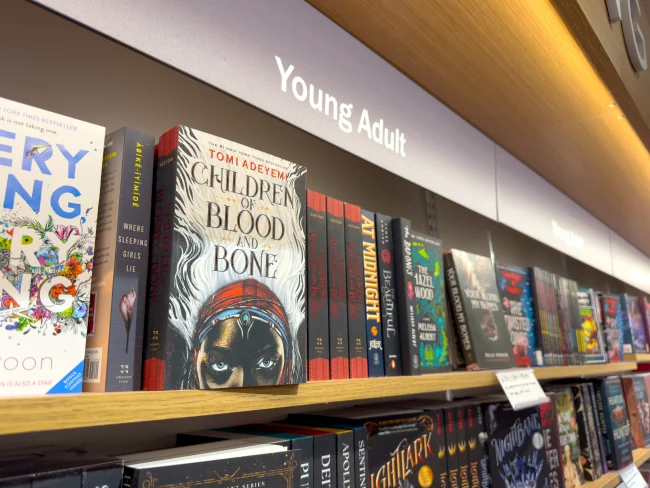
The success of "Children of Blood & Bone" was meteoric. Published in 2018, it quickly ascended bestseller lists, earning widespread critical acclaim and captivating a global audience. Adeyemi’s debut novel was lauded for its originality, its powerful protagonist, Zélie Adebola, and its intricate magic system rooted in West African folklore. The book’s themes of systemic injustice and the fight for liberation struck a chord, making it a significant cultural touchstone for young readers and a powerful representation of Black fantasy. The subsequent film adaptation was thus met with immense anticipation, seen as a potential landmark moment for Black representation in blockbuster fantasy cinema.
A Scorched Earth Scenario: Precedents and Parallels
Adeyemi’s public declaration of non-support and her stark communication with Stenberg have drawn comparisons to other high-profile disputes between creators and their adapted works. The article draws a parallel to George R.R. Martin, author of the "A Song of Ice and Fire" series, who has been notably vocal and critical of HBO’s "House of the Dragon," a prequel series to "Game of Thrones." Martin’s criticisms, often delivered via blog posts, have focused on specific creative choices and departures from his established lore. While Martin’s interventions have been direct and public, Adeyemi’s stance appears to be one of complete disengagement and withdrawal, a far more definitive form of protest.
The phrase "scorched earth" aptly describes the severity of Adeyemi’s stance. It suggests a deliberate and complete severing of ties, leaving no room for reconciliation or further involvement. This level of authorial disapproval, especially when articulated so publicly and with such evident pain, is rare in the film industry, where adaptations are often a collaborative effort, albeit one where creative control can be a point of contention. The silence surrounding the specific grievances that led to this extreme measure only amplifies the speculation and concern within the fan base and the broader industry.
Chronology of a Developing Rift
While the full timeline of the discord remains largely private, certain key moments can be pieced together.
- March 2018: Tomi Adeyemi’s debut novel, "Children of Blood & Bone," is published to immediate critical and commercial success. It quickly becomes a global phenomenon, lauded for its originality and its representation of Black fantasy.
- Early Development: Paramount Pictures secures the film rights to "Children of Blood & Bone." Gina Prince-Bythewood is announced as director, and Tomi Adeyemi is involved as a co-writer, signaling a potentially collaborative and harmonious production process.
- Undisclosed Period: Behind the scenes, tensions and disagreements begin to surface between Adeyemi and the film’s creative team. The exact nature and timeline of these conflicts are not publicly known.
- Recent Past: Adeyemi engages in private communication with actress Amandla Stenberg, leading to the stern directive to cease contact. This suggests a significant personal or professional breach.
- January 15, 2027: The film adaptation of "Children of Blood & Bone" is scheduled to premiere.
- Recent (Pre-Premiere) Disclosure: Tomi Adeyemi posts a TikTok video publicly stating her decision to boycott the film, citing personal pain and a desire to distance herself from the adaptation. She reveals her lack of viewing and intention to not watch the film.
This timeline, though sparse on specific details of the conflict, highlights the progression from a promising creative partnership to a public estrangement, culminating in Adeyemi’s definitive declaration.
Supporting Data and Contextual Information
The impact of "Children of Blood & Bone" extends beyond its sales figures. The novel was a critical darling, earning accolades such as a spot on The New York Times Best Seller list, a National Book Award nomination, and widespread praise for its innovative world-building and its potent themes. It introduced readers to the fictional West African-inspired kingdom of Orïsha, a land where magic once flourished but was brutally suppressed by a tyrannical king. The story centers on Zélie Adebola, a young woman who discovers she possesses dormant magical abilities and embarks on a quest to restore magic to her people and overthrow the oppressive monarchy.
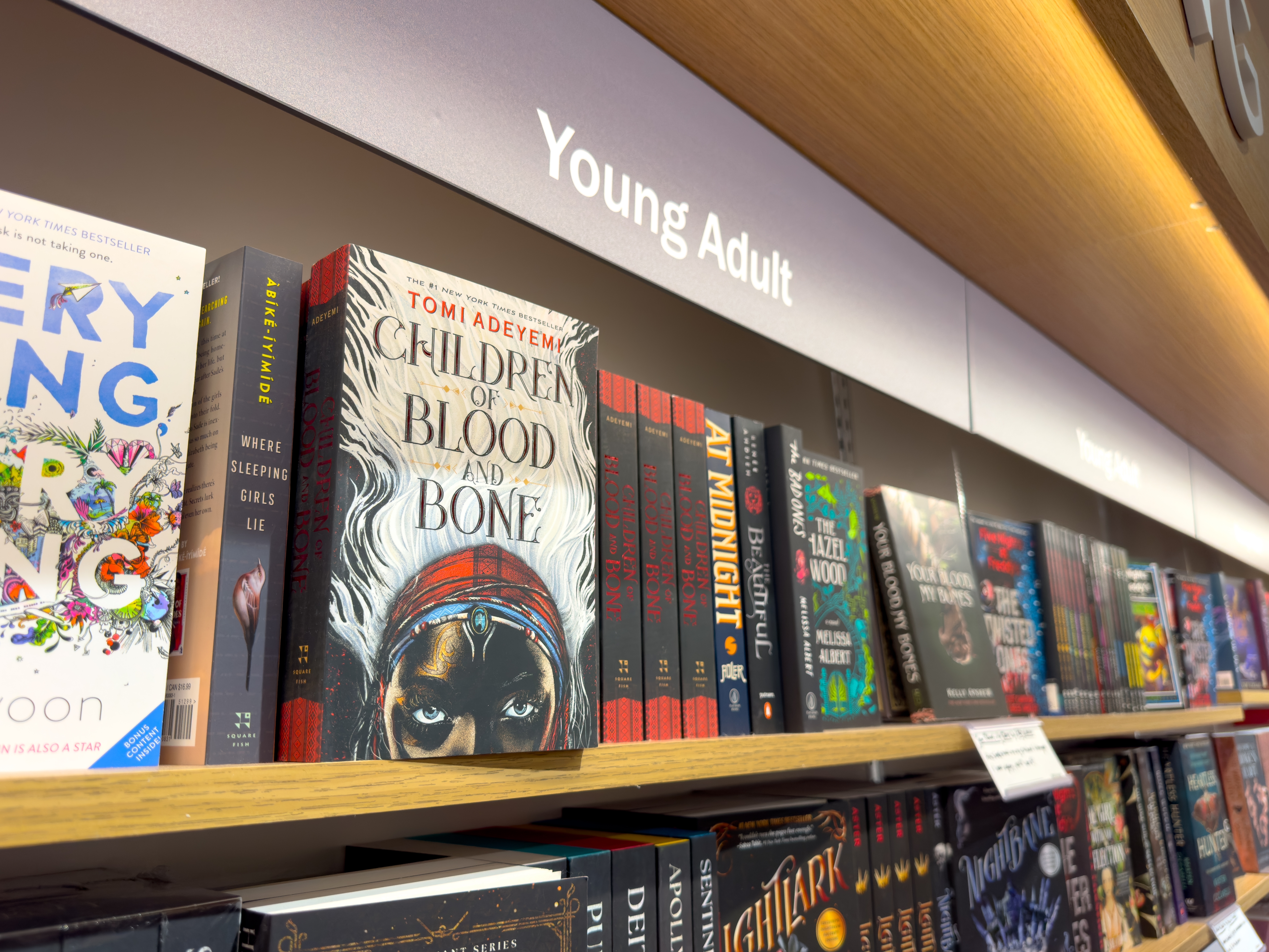
The novel’s success made it a prime candidate for a major film adaptation, and the involvement of both Paramount and a respected director like Prince-Bythewood initially suggested a high-quality production. Adeyemi’s role as a co-writer was seen as a positive sign, indicating a commitment to honoring the source material. However, the journey from book to screen is notoriously complex, often involving creative compromises and differing visions. Issues of creative control, script changes, casting decisions, and thematic interpretation can lead to friction between authors and studios.
The themes present in "Children of Blood & Bone" – oppression, resistance, identity, and the reclamation of heritage – are deeply resonant and have contributed to its widespread appeal. The prospect of these themes being translated to the screen with authentic representation was a significant draw for fans. Adeyemi’s public disavowal, therefore, raises concerns about whether the film will successfully capture the spirit and integrity of her original work.
Official Responses and Industry Reactions
As of the time of reporting, there have been no official statements released by Paramount Pictures or director Gina Prince-Bythewood regarding Tomi Adeyemi’s public announcement. The silence from the studio and the director is notable, and could indicate a strategy of non-engagement or a desire to manage the situation internally. The absence of any public comment from Amandla Stenberg, given Adeyemi’s direct mention of her, is also significant.
Industry observers and fans have reacted with a mixture of shock, sympathy for Adeyemi, and concern for the future of the film. Social media platforms have been abuzz with discussions, with many expressing solidarity with the author and questioning the circumstances that led to such a drastic measure. The hashtag #SupportTomiAdeyemi has gained traction, reflecting the widespread support for her decision.
The situation highlights a broader conversation within the entertainment industry about the rights and considerations of authors whose works are adapted. While studios often acquire rights with creative freedom in mind, a respectful engagement with the original creator’s vision is generally seen as crucial for a successful and well-received adaptation. Adeyemi’s bold move forces a re-examination of these dynamics and the importance of authorial voice in the adaptation process.
Implications: The Future of "Children of Blood & Bone" and Authorial Rights
Tomi Adeyemi’s public boycott of the "Children of Blood & Bone" film adaptation carries significant implications for several key areas:
1. Fan Engagement and Box Office Performance: The author’s endorsement, or lack thereof, can have a substantial impact on fan enthusiasm and, consequently, box office performance. Adeyemi’s statement, while potentially alienating some who are eager to see the film, will likely galvanize her most ardent supporters to respect her wishes and refrain from engaging with the adaptation. This could create a divided audience, with some boycotting and others forging ahead, potentially impacting the film’s commercial success.
2. The Integrity of the Adaptation: Adeyemi’s deep dissatisfaction raises serious questions about the fidelity and integrity of the film adaptation. As the co-writer, her involvement suggests an initial intent to ensure the story’s essence was preserved. Her subsequent withdrawal and public condemnation imply that the final product has veered significantly from her vision or has been compromised in ways she finds unacceptable. This could lead to a film that, while visually impressive, may fail to resonate with the core themes and spirit of the beloved novel.
3. The Power of Authorial Voice: This incident serves as a potent reminder of the power an author can wield, even after relinquishing film rights. Adeyemi’s willingness to take such a public and firm stance underscores the importance of authorial voice and creative control in the adaptation process. It challenges the traditional power dynamic between studios and creators, highlighting the potential consequences when an author feels their work has been misrepresented or disrespected. This could encourage other authors to be more assertive in protecting their creative vision.
4. The Landscape of Black Fantasy Cinema: "Children of Blood & Bone" was poised to be a landmark film for Black representation in the fantasy genre. Adeyemi’s disassociation casts a shadow over this potential triumph. It raises concerns about whether the film will truly honor the cultural richness and narrative depth that made the book so impactful, or if it will become a cautionary tale about the complexities of adapting culturally significant works.
5. Future Adaptations and Authorial Relationships: The fallout from this situation could influence how studios approach future adaptations of popular books, particularly those with strong authorial voices and culturally specific narratives. There may be increased pressure for studios to ensure genuine collaboration and to address author concerns proactively, rather than allowing them to escalate into public disputes. The incident might also embolden authors to seek greater protections and involvement in the adaptation process from the outset.
In conclusion, Tomi Adeyemi’s decision to publicly boycott the film adaptation of "Children of Blood & Bone" is a significant development that transcends a typical celebrity dispute. It is a deeply personal declaration rooted in profound creative or ethical concerns, sending a clear message about the importance of respecting an author’s vision. As the release date of January 15, 2027, approaches, the industry and fans will be watching closely to see how this unprecedented rift unfolds and what its long-term implications will be for the film, the author, and the broader landscape of literary adaptations. The magic of Orïsha may be returning to the screen, but the absence of its creator’s blessing casts a long and somber shadow.