
Avatar’s Genesis Under Scrutiny: Q’orianka Kilcher Sues James Cameron and Disney Over Alleged Likeness Misappropriation
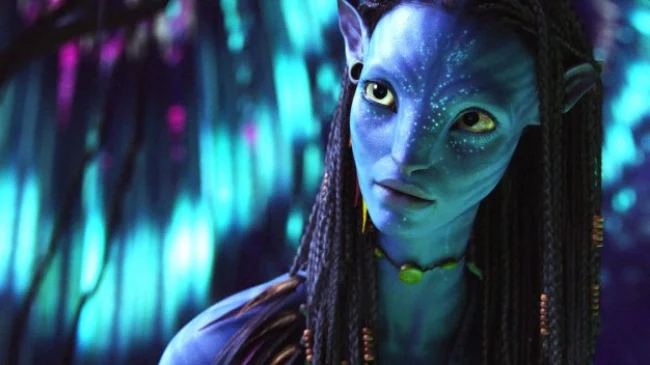
Hollywood titans James Cameron and The Walt Disney Company are facing a significant legal challenge, accused of the unauthorized use of actress Q’orianka Kilcher’s likeness in the foundational development of the groundbreaking film "Avatar." Kilcher alleges that her distinctive facial features were extracted from a photograph when she was a minor and used as a blueprint for the iconic Na’vi character, Neytiri, without her knowledge or consent.
The lawsuit, filed recently and detailed in a complaint obtained by Variety, marks a serious accusation of intellectual property infringement and exploitation against one of the most commercially successful film franchises in history. Kilcher, an Indigenous actress known for her roles in "The New World" and "Princess Kaiulani," claims that her likeness was not merely an inspiration but was actively and systematically incorporated into the design process of Neytiri, the fierce and noble warrior played by Zoe Saldana.
The Core Allegations: Likeness Extraction and Exploitation
At the heart of Kilcher’s complaint is the assertion that James Cameron’s design team, during the nascent stages of "Avatar’s" conceptualization, utilized a photograph of the then fourteen-year-old actress. This image, it is alleged, served as a crucial reference point for developing the foundational facial structure of Neytiri. The lawsuit explicitly states, "Plaintiff never consented to Defendants’ use of her likeness, either in Avatar or in any related product or promotion." This lack of consent is the central pillar of Kilcher’s legal claim.
The alleged appropriation of Kilcher’s likeness was not confined to a single sketch. The complaint details a pervasive use of her features across various stages of pre-production and production. This included its incorporation into production sketches, 3D maquettes, and digital models. Furthermore, these digital assets, allegedly derived from Kilcher’s likeness, were disseminated to multiple visual effects (VFX) studios involved in bringing Pandora to life. This widespread distribution amplifies the scope of the alleged infringement.
Arnold P. Peter, Kilcher’s lead counsel, articulated the severity of the situation with stark language: "What Cameron did was not inspiration, it was extraction. He took the unique biometric facial features of a 14-year-old Indigenous girl, ran them through an industrial production process, and generated billions of dollars in profit without ever once asking her permission. That is not filmmaking. That is theft." This powerful statement underscores the legal team’s perspective, framing the actions as a deliberate act of appropriation rather than artistic homage.
A Gifted Sketch and a Cryptic Note: Seeds of the Dispute
Adding a layer of personal connection and potential foreknowledge to the lawsuit, Kilcher’s complaint also highlights a specific incident from her past. She states that during an initial meeting with James Cameron, she was presented with a framed print of a sketch he had created. Accompanying this artwork was a note from Cameron, reportedly stating that her beauty was his "early inspiration for Neytiri." This detail suggests that Cameron was aware of Kilcher’s features and their potential as inspiration, yet the lawsuit claims no formal consent was ever sought or obtained for the subsequent extensive use of her likeness.
The timing of this alleged incident – when Kilcher was just fourteen – also raises questions about the power dynamics and potential vulnerabilities involved. As a young actress, she may have been less equipped to understand or assert her rights regarding the use of her image in such a significant artistic endeavor.
Chronology of Allegations: From Conception to Blockbuster
While the exact timeline of the alleged likeness extraction is central to the legal proceedings, the lawsuit points to the early development phase of "Avatar" as the period when these actions purportedly occurred.
- Early Conceptualization of "Avatar": James Cameron and his design team begin the arduous process of creating the visual world of Pandora and its inhabitants. This phase involves extensive concept art, character design, and the development of digital models.
- Alleged Likeness Extraction: According to Q’orianka Kilcher’s complaint, during this early stage, a photograph of her, taken when she was fourteen, was used by Cameron’s team. Her facial features are allegedly extracted from this photograph to serve as a foundational basis for the character of Neytiri.
- Creation of Production Assets: The extracted likeness is reportedly incorporated into various production materials, including initial sketches, 3D maquettes, and digital models. These assets are then distributed to visual effects studios.
- Meeting with James Cameron: Kilcher states that during an early encounter with Cameron, she received a framed sketch of Neytiri, accompanied by a note from Cameron acknowledging her beauty as his "early inspiration." The lawsuit implies this interaction did not lead to any formal consent or agreement regarding the use of her likeness.
- Development and Release of "Avatar": The film undergoes years of production, culminating in its record-breaking release in 2009. Neytiri becomes a central and beloved character, contributing significantly to the film’s global appeal and commercial success.
- Discovery and Legal Action: Kilcher and her legal team, after becoming aware of the alleged appropriation, initiate legal proceedings against James Cameron and The Walt Disney Company.
Supporting Data and Legal Precedents: The Weight of Likeness Rights
The legal challenge brought by Q’orianka Kilcher hinges on established principles of intellectual property law, specifically the right of publicity and the protection against the misappropriation of likeness. These rights generally grant individuals control over the commercial use of their name, image, and other identifying characteristics.
The lawsuit’s claim that Kilcher’s likeness was used in "production sketches, 3D maquettes, digital models, and was distributed across multiple VFX studios" points to a pervasive and systematic integration of her image into the film’s creation. This is not a case of fleeting inspiration but, as the legal team alleges, a fundamental building block derived from her identity.
The commercial success of "Avatar" is a critical factor in the context of this lawsuit. The film has grossed billions of dollars worldwide, with its sequels further expanding the franchise’s financial reach. If Kilcher’s likeness was indeed instrumental in the creation of a character that contributed to this immense profitability, her claim for damages could be substantial. The lawsuit’s mention of "billions of dollars in profit" directly links the alleged misappropriation to significant financial gains for the defendants.
Legal experts often point to cases where individuals have successfully sued for the unauthorized use of their likeness, particularly when it has been used for commercial gain. The "right of publicity" is a well-recognized legal concept designed to prevent individuals from being exploited for their identity. The fact that Kilcher was a minor at the time of the alleged extraction could also introduce additional legal considerations regarding consent and the protection of minors’ rights.
The definition of "likeness" in legal terms can extend beyond a direct photographic representation. It can encompass distinctive facial features, biometric data, and other identifying characteristics that allow an individual to be recognized. The lawsuit’s assertion that "unique biometric facial features" were extracted suggests a detailed and specific appropriation.
Official Responses: Silence Amidst Legal Storm
As of the reporting of this article, neither James Cameron nor The Walt Disney Company have issued official comments regarding the lawsuit filed by Q’orianka Kilcher. This silence from the accused parties is not uncommon in ongoing legal battles, as companies typically strategize their public relations and legal responses carefully.
The lack of immediate comment leaves the public and the media to speculate on the defendants’ stance. They may choose to vigorously contest the allegations, arguing that Kilcher’s likeness was not used in the manner described or that any inspiration was transformative and legally permissible. Alternatively, they might pursue a confidential settlement to avoid a protracted and potentially damaging public trial.
The legal team for Q’orianka Kilcher, however, has been vocal in articulating their client’s position and the severity of the alleged actions. Their strong statements suggest a commitment to pursuing the lawsuit through the legal system.
Implications and Future of "Avatar" IP
The lawsuit filed by Q’orianka Kilcher carries significant implications, not only for James Cameron and The Walt Disney Company but also for the broader landscape of intellectual property law in Hollywood.
For the Defendants: A loss in this case could result in substantial financial penalties, including damages that reflect the profits derived from the alleged misappropriation. It could also lead to injunctions that affect the future use of Neytiri’s character in sequels, merchandise, or other related media. Furthermore, the reputational damage to Cameron, a filmmaker known for his innovative vision, and Disney, a company built on strong brand values, could be considerable.
For Q’orianka Kilcher: A successful outcome would vindicate her claims and provide her with financial compensation for the alleged exploitation of her likeness. It could also serve as a powerful precedent for other individuals who believe their intellectual property rights have been violated in the creative industries.
For the Film Industry: This lawsuit could heighten scrutiny on the practices of character development and the use of reference materials in filmmaking. It may prompt studios and filmmakers to implement more robust consent procedures and intellectual property protection protocols, particularly when dealing with emerging artists or individuals whose likeness might be deemed inspirational. The case could reinforce the importance of respecting an individual’s right of publicity, even in the context of artistic creation.
The Future of "Avatar": The "Avatar" franchise is a cornerstone of Disney’s cinematic empire, with multiple sequels planned. The ongoing legal challenge raises questions about the potential impact on these future endeavors. While the current lawsuit focuses on the foundational development of the first film, any ruling or settlement could set precedents that influence how characters and their designs are managed moving forward. The question of whether Kilcher’s likeness is demonstrably present in the final iteration of Neytiri, and to what extent, will be a critical point of contention in the legal proceedings.
As this legal battle unfolds, the industry will be watching closely, awaiting developments that could redefine the boundaries of artistic inspiration and intellectual property rights in the age of digital creation and global blockbusters.




Leave a Comment