Avian Interloper: Kathy Sullivan’s Moluccan Cockatoo Joins the ‘Cats Sleep on SFF’ Literary Tradition
Introduction
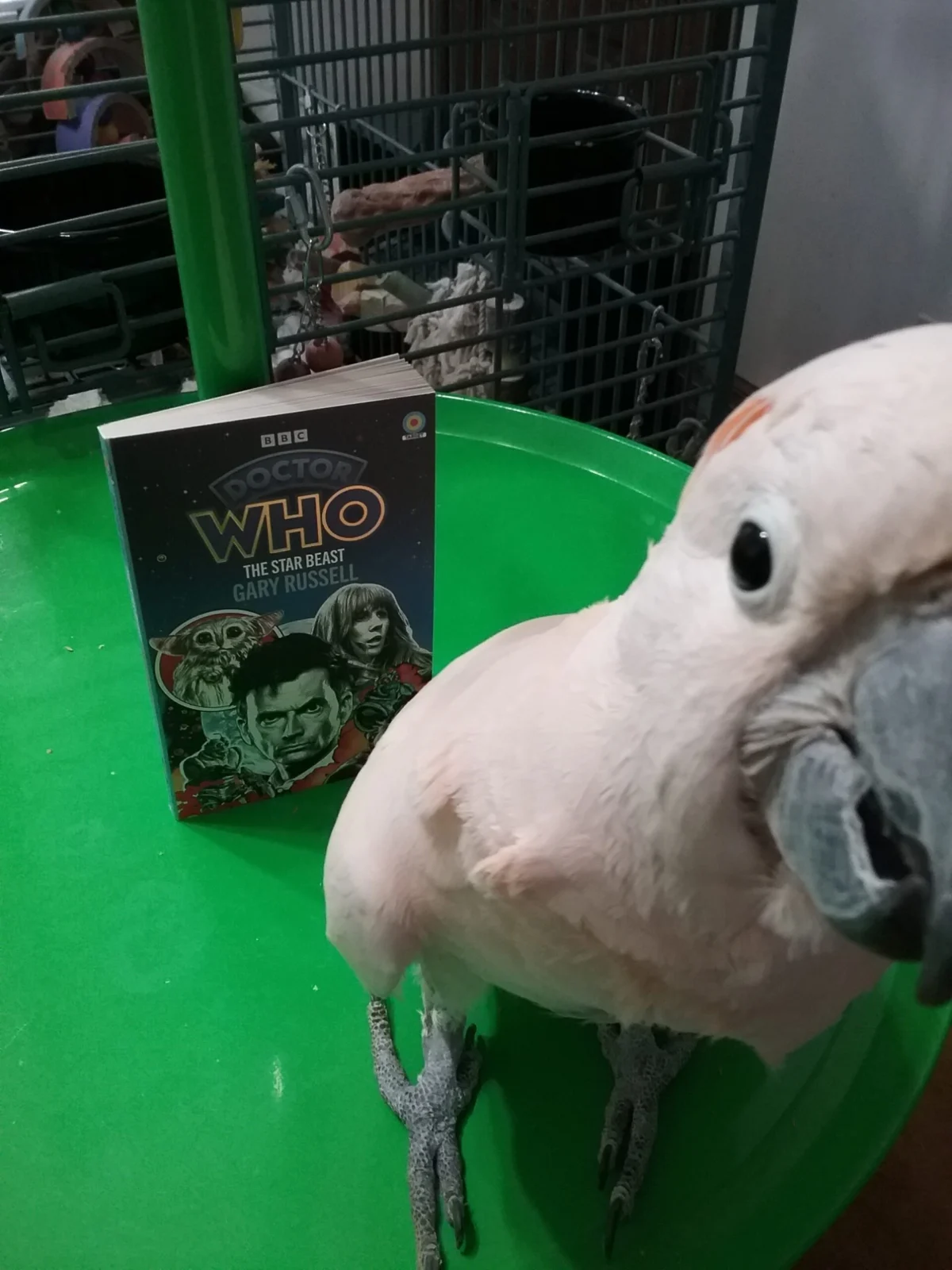
In the vibrant, often idiosyncratic world of science fiction and fantasy (SFF) fandom, few digital traditions carry as much charm and longevity as the "Cats Sleep on SFF" series hosted by the Hugo Award-winning fanzine File 770. On August 8, 2026, this long-running feature took a notable avian turn when contributor Kathy Sullivan submitted a photograph that deviated from the feline norm. The image featured Bayla, a Moluccan cockatoo, standing guard over a copy of The Star Beast, a novelization by Gary Russell.
While the series title suggests a feline monopoly, the inclusion of a cockatoo underscores the inclusive and eclectic nature of the SFF community. This latest installment not only highlights the intersection of domestic life and speculative fiction but also brings renewed attention to the literary adaptations of iconic multimedia franchises—specifically the Doctor Who universe, from which Gary Russell’s work emerges.
Main Facts: A Departure from Feline Dominance
The core of the report centers on a submission to File 770, the preeminent news digest for science fiction fandom edited by Mike Glyer. Kathy Sullivan, a member of the community, shared a high-resolution image of her pet, Bayla. Bayla is a Moluccan cockatoo (Cacatua moluccensis), a species known for its striking salmon-colored crest and high intelligence.
The book featured in the photograph is The Star Beast, a novelization penned by Gary Russell. This specific title is part of the modern Doctor Who literary canon, based on the 60th-anniversary television special of the same name. The choice of literature is significant; The Star Beast itself has a long history, originating as a comic strip in Doctor Who Weekly in 1980, written by Pat Mills and illustrated by Dave Gibbons, before being adapted into television and subsequently into the novelized format by Russell.
The "Cats Sleep on SFF" series serves as a "soft" news feature for File 770, providing a visual respite from the site’s more rigorous reporting on Hugo Award controversies, convention planning, and industry news. However, the appearance of a cockatoo represents a "species-agnostic" shift in the column, which Glyer has encouraged by inviting readers to send photos of "felines (or whatever you’ve got!)" resting on genre works.
Chronology: From Comic Strips to Digital Fanzines
To understand the significance of this post, one must look at the converging timelines of the publication, the author, and the source material.
- 1980: The Comic Origins: The Star Beast debuts in the pages of Doctor Who Weekly. It introduces the Meep, a deceptively cute but malevolent alien creature. This story becomes a cult classic within the Whovian mythos.
- 2023: The Television Revival: As part of the Doctor Who 60th-anniversary celebrations, showrunner Russell T. Davies adapts the comic story into a live-action special starring David Tennant and Catherine Tate.
- 2024: The Novelization: Gary Russell, a veteran of the Doctor Who expanded universe and former editor of Doctor Who Magazine, releases the official novelization. His work expands on the internal monologues and lore of the Meep and the Wrarth Warriors.
- 2024–2026: The "Cats Sleep on SFF" Evolution: Over these two years, Mike Glyer’s File 770 sees a surge in pet-related submissions. While cats remain the primary subjects, the series begins to feature dogs, rabbits, and eventually, Sullivan’s cockatoo.
- August 8, 2026: The post featuring Bayla is published at 1:17 am, marking a moment of "avian representation" in a series historically dominated by mammals.
Supporting Data: The Intersection of Biology and Bibliography
The photograph of Bayla and The Star Beast provides a unique data point regarding the demographics of SFF readership and their domestic environments.
The Subject: The Moluccan Cockatoo
Moluccan cockatoos are among the largest of the "white" cockatoos. They are highly social and possess a cognitive complexity often compared to that of a young human child. In the context of SFF fandom, the choice of a cockatoo as a companion often mirrors the "high-maintenance" but rewarding nature of deep-lore fandom. Bayla’s presence next to a Doctor Who novelization is symbolically apt, given the franchise’s history of featuring intelligent, non-human companions.
The Object: The Star Beast Novelization
Gary Russell’s novelization is a 192-page hardcover (in its standard edition) published by BBC Books/Target. Target novelizations hold a sacred place in British SFF history, having been the primary way fans consumed Doctor Who stories before the advent of home video. The 2024 release of The Star Beast was a deliberate homage to this "Target era," utilizing the classic logo and cover art style.

The Platform: File 770
File 770 has won the Hugo Award for Best Fanzine multiple times (including wins in 1984, 2000, 2001, and several times in the 2010s/2020s). The site receives thousands of unique visitors daily, making the "Cats Sleep on SFF" feature a high-visibility platform for fan interaction. The data suggests that these "fluff pieces" (both literal and figurative) generate higher-than-average engagement in the comments section compared to dry administrative reports.
Official Responses and Community Engagement
The publication of Bayla’s photo prompted an immediate, albeit gentle, response from the File 770 community. Mike Glyer, acting as the site’s curator and lead editor, facilitated the discourse.
In his editorial capacity, Glyer noted: "Photos of your felines (or whatever you’ve got!) resting on genre works are welcome." This open-ended invitation has been interpreted by the community as a mandate for biodiversity. Kathy Sullivan’s contribution was met with enthusiasm from regular commenters, who often use these threads to discuss their own pets and their personal reading lists.
While there are no "official" corporate responses from the publishers of The Star Beast, the inclusion of the book in such a grassroots fan setting is a testament to the enduring "long tail" of the Doctor Who brand. Authors like Gary Russell often engage with these fan communities, recognizing that the "Target novelization" culture is sustained by the very people who contribute to fanzines like File 770.
Implications: The Domesticity of the Fantastic
The "Cats Sleep on SFF" series, and Sullivan’s cockatoo contribution specifically, carries several broader implications for the study of fan culture and the SFF genre.
1. The "Taming" of the Genre
By placing a pet—a symbol of domesticity and comfort—on top of a work of speculative fiction, the fan performs a symbolic "taming" of the fantastic. The Star Beast, which deals with alien invasions and the cosmic "Beep the Meep," is grounded by the presence of Bayla the cockatoo. This suggests that for many fans, SFF is not an escapist flight away from home, but a layer of imagination that is integrated into their daily, domestic lives.
2. The Longevity of the Fanzine Model
In an era dominated by algorithmic social media platforms like X (formerly Twitter) and TikTok, File 770 represents the survival of the traditional fanzine model. The "Cats Sleep on SFF" feature is a digital evolution of the "letters of comment" (LoCs) that defined 20th-century fandom. It prioritizes community connection over "viral" potential, fostering a sense of belonging among readers who see their own lives reflected in the posts.
3. Multimedia Synergy and the Novelization Market
The fact that a 2026 blog post features a novelization of a 2023 TV special (based on a 1980 comic) highlights the cyclical nature of SFF intellectual property. It proves that there is a sustained market for physical books in an increasingly digital world. For collectors, the book is an artifact; for the pet, it is a perch; for the fan, it is a bridge between eras.
4. Expanding the Definition of "Fan Companion"
Sullivan’s choice to submit a cockatoo challenges the "cat lady/man" stereotype often associated with bookish subcultures. It reflects a growing diversity in the types of animals that share the lives of SFF creators and consumers. As the "Cats Sleep on SFF" series continues, it is likely to see further "encroachments" from reptiles, amphibians, and other exotic pets, mirroring the diverse "alien" biology often celebrated within the books themselves.
Conclusion
The appearance of Bayla the Moluccan cockatoo on File 770 is more than a simple pet photo; it is a snapshot of contemporary fandom. It links the high-concept world of Gary Russell’s Doctor Who novelizations with the grounded, everyday reality of a dedicated reader. As Mike Glyer continues to curate this intersection of pets and prose, he reinforces the idea that science fiction and fantasy are not just genres found on a shelf, but integral parts of the homes—and the hearts—of their audience. Whether it is a cat, a dog, or a salmon-crested cockatoo, the message remains the same: the fantastic is always close to home.