
Before Pixar: Unearthing the Ambitious, Ill-Fated Dream of "The Works" at NYIT
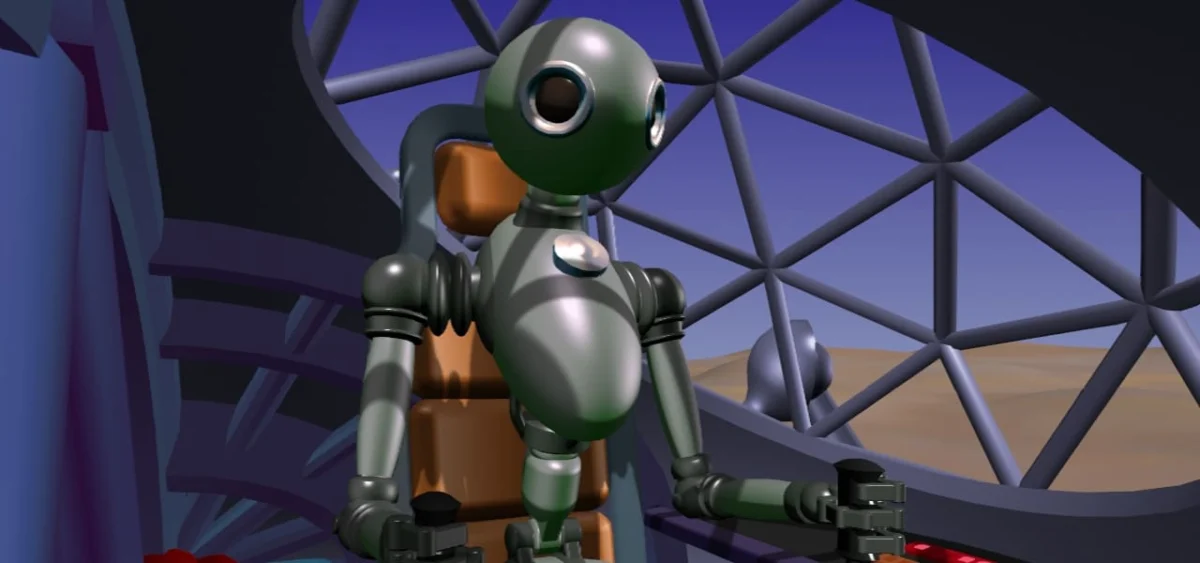
A new documentary, "Inside The Works," shines a spotlight on a groundbreaking, yet ultimately unfinished, computer-generated feature film project from the 1970s, revealing a pivotal, often-overlooked chapter in the history of digital animation.
New York, NY – May 21, 2026 – In the nascent days of computer graphics, long before the polished perfection of Pixar and the widespread adoption of digital animation, a bold and ambitious dream flickered to life at the New York Institute of Technology (NYIT). The project, a feature-length animated film tentatively titled "The Works," aimed to be a pioneering work of CG cinema. While it ultimately remained unfinished, its story is now being brought to light through the feature-length documentary "Inside The Works," produced by Ziggy Cashmere (the pseudonym of Jake Pruitt) and released on YouTube. In its first five days, the documentary garnered over 12,000 views, a testament to the enduring fascination with this lost piece of animation history.
"Inside The Works" is more than just a retrospective; it’s a deep dive into the creative cauldron that brewed some of the earliest innovations in computer graphics. The documentary meticulously reconstructs the story of "The Works" through a compelling mosaic of Zoom interviews, archival audio, and unearthed footage. It features a veritable who’s who of CG pioneers who were instrumental in its development, offering invaluable firsthand accounts of the challenges, triumphs, and eventual downfall of this ambitious undertaking.
The Genesis of a Digital Vision: Alex Schure’s Ambitious Gamble
The story of "The Works" is inextricably linked to the vision of Alex Schure, a wealthy investor and founder of NYIT. Inspired by the groundbreaking 3D vector graphic animation of a human hand created by Ed Catmull and Fred Parke at the University of Utah in 1974, Schure harbored a grand ambition: to create the world’s first feature-length computer-animated film. He envisioned NYIT as a next-generation Disney, a hub where artistic talent and cutting-edge technology would converge to produce cinematic marvels.
"Dr. Schure saw himself as a visionary, a successor to Walt Disney in the digital age," recounts Ed Catmull, a foundational figure in computer graphics and co-founder of Pixar. "He was captivated by the potential of this new medium and was willing to invest heavily to bring his vision to life."
Schure established a sprawling computer graphics lab on NYIT’s Long Island campus, attracting a diverse group of animators, artists, and computer scientists. This fertile ground would become the birthplace of numerous significant innovations that laid the groundwork for future digital animation studios.
A Crucible of Innovation: Pioneering Tools and Techniques
The environment at NYIT was a hotbed of experimentation, fueled by Schure’s financial backing and the passion of its inhabitants. Among the key developments to emerge from the lab were:
- Alvy Smith’s Paint3: A groundbreaking 24-bit digital paint system that allowed for unprecedented color manipulation and digital artistry.
- Ed Catmull’s Tween: An essential tool for digital in-betweening, automating the laborious process of creating intermediate frames in animation.
- Catmull and Smith’s Fill: A program that enabled the efficient coloring of digital objects and scenes.
- Smith and Edward Emshwiller’s Sunstone: A visually striking 3D short film that showcased the emerging capabilities of CG animation.
This period of intense creative output was significantly shaped by the arrival of Lance Williams, who would become the writer and director of "The Works." His arrival spurred new creative directions, pushing NYIT beyond initial projects like digitally animating "Tubby the Tuba" and towards the more ambitious science fiction narrative of "The Works," a story set on a post-apocalyptic Earth overrun by robots.
The documentary features interviews with a remarkable roster of individuals who were part of this pioneering era, including Ed Catmull, Alvy Smith, Garland Stern, Gordon Moore (of "Moore’s Law" fame), animators Tom Sito, Robert Stuhmer, Paul Heckbert, Chuck Jones, and Lance Williams himself, whose widow, fine artist Amber Denker, provides poignant testimony.
Adding further depth, the film includes contributions from composer Carter Burwell, who reminisces about his time as a 3D modeler and director of digital audio at NYIT. Surprise guests also shed light on the era, including archival appearances from filmmaker George Lucas, who, despite not being a fan of the institution, played an indirect role in the trajectory of its talent. Disney animation legend Shamus Culhane, animators Hank Grebe and David Lubell, and musician Laurie Anderson also contribute. Notably, the documentary explores how 1980s video mavens Rocky Morton and Annabel Jankel may have found inspiration for their iconic video emcee, Max Headroom, from the experimental work at NYIT.
.png)
"The Works": A Narrative of Ambition and Discord
The documentary meticulously traces the development of "The Works," showcasing early script excerpts, storyboards, and 3D models. Vintage footage reveals the evolution of the film’s visual style, including Dick Lundin’s impressive 3D giant mechanical walking ant and Rebecca Allen’s early rotoscope experiments, which translated human movement into digital kinematics.
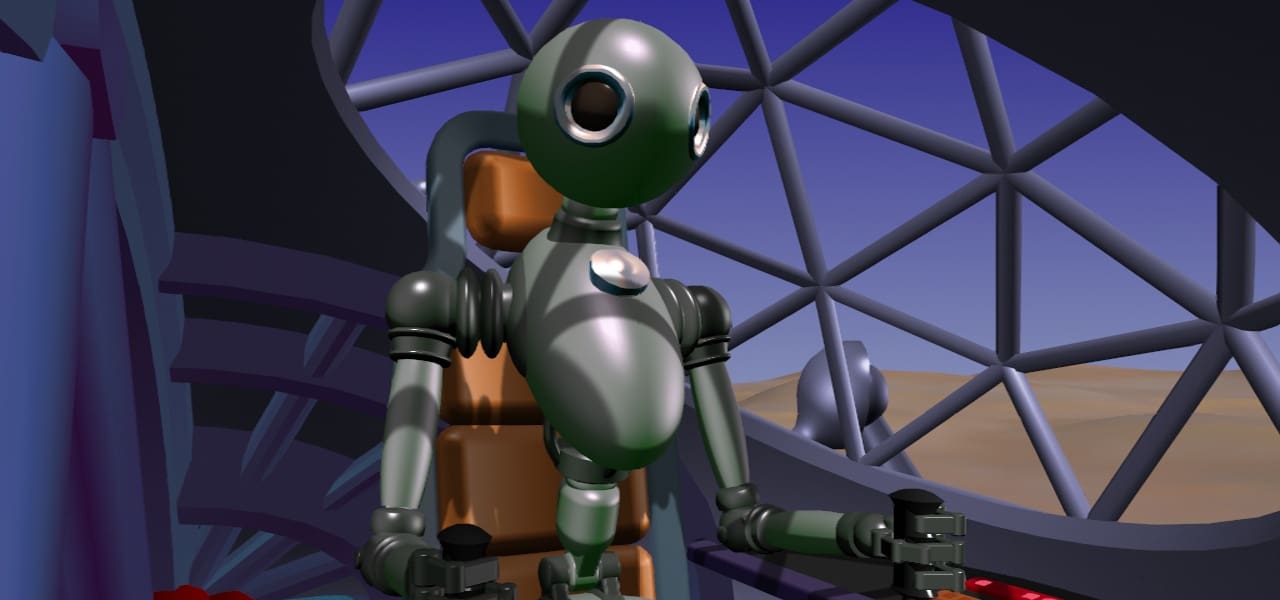
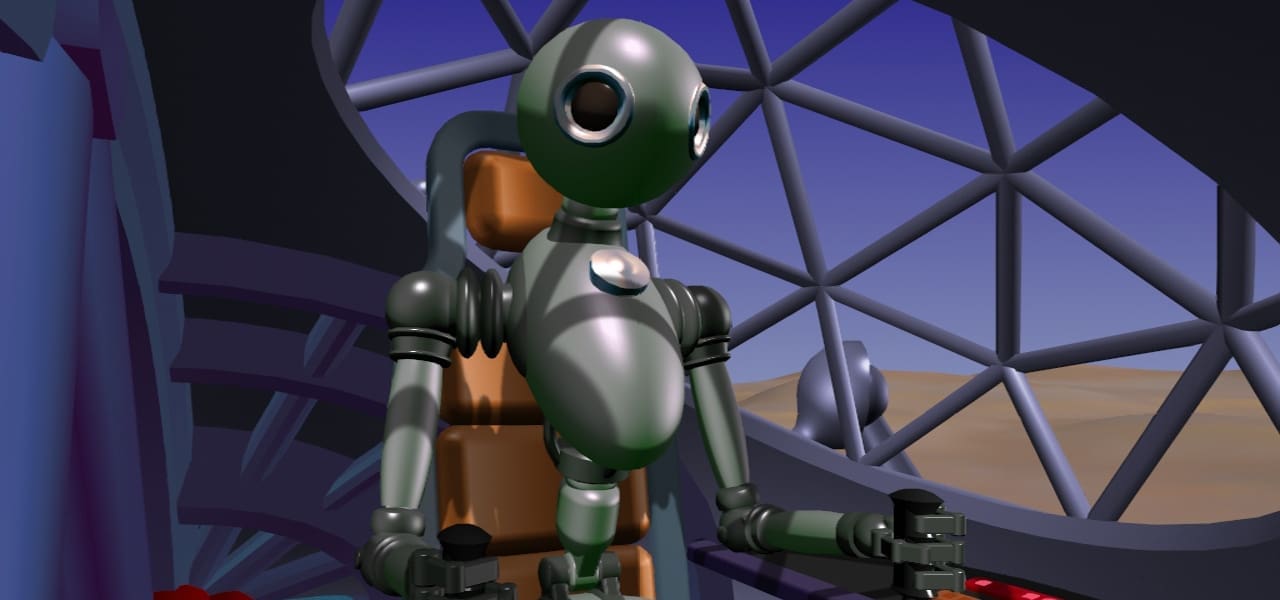
The narrative of "The Works" itself was envisioned as a science fiction epic where robots had conquered Earth. Key visual elements included unrealized robotic character designs, detailed keyframe art, and wireframe renderings. The film’s protagonist was a squat robotic hero named Ipso Facto, and its visual identity was further defined by Dick Lundin’s proto-steampunk title graphics and the creation of T-Square, a pseudo-human character featuring a woman’s face video-mapped onto a mechanical spacesuit.
However, as "Inside The Works" reveals, the path to completing the film was fraught with challenges. The "undisciplined crucible of talent," as described, began to spin out of control. Artistic temperaments clashed with Alex Schure’s vision, and a growing pressure to monetize the campus led to the production of various commercial projects, including an "eyeball-imploding" Life Savers candy commercial, digital motion graphics, and elaborate CG title sequences. While these projects showcased the studio’s technical prowess, they also diverted resources and focus from the main feature.
The Exodus to California: Seeds of Future Giants
A pivotal moment in the history of NYIT’s CG lab, and indeed the entire field of computer animation, occurred when George Lucas and his visual effects supervisor Richard Edlund made a secret visit to the lab. This visit, described with a touch of wry humor by Ed Catmull, proved to be a catalyst. Following their departure, Ed Catmull and Alvy Smith made the significant decision to leave NYIT and head to California.
In 1979, they co-founded the Lucasfilm Computer Division, a move that would profoundly impact the future of digital filmmaking. This division would eventually evolve into Pixar Animation Studios seven years later, fundamentally changing the landscape of animated cinema. Smith has expressed a sense of guilt for leaving NYIT, but acknowledges that "history was made" as a result of their relocation.
The Unraveling: Artistic Differences and Financial Woes
As "The Works" progressed, the internal dynamics of the NYIT CG lab became increasingly complex. The documentary delves into the sad but fascinating tale of how Lance Williams witnessed the project grow, but also how the initial creative synergy began to falter. Artistic differences, coupled with Schure’s evolving business strategies, created an environment of instability.
The pursuit of commercial projects, while providing much-needed revenue, also diluted the focus on "The Works." The documentary highlights the studio’s swan song, an ill-advised feature film production titled "Strawberry Fields." This project, intended as a sequel to the Beatles’ "Yellow Submarine," was initiated in 1984 and canceled eight years later. Directed by Dave Lubell, it was a hybrid CG/2D-animated film that attempted to adapt a sprawling 300-page script into a montage of Beatles cover songs by various artists. The result, as described by those involved, was a disjointed and ultimately unhappy production.
The Lingering Legacy: A Heartbreaking End to Digital Ambition
The NYIT CG lab, once a beacon of innovation, eventually succumbed to its internal conflicts and financial pressures. The lab officially shuttered in May 1992. The documentary captures the poignant final moments through lackluster video footage of surviving members sharing slices of a sheet cake adorned with a depiction of their studio.
The final words of "Inside The Works" are delivered by a pair of animated digital emcees, reminiscent of Max Headroom, hosting a show called "DynaDigiDataVac." These futuristic hosts, alongside archival footage of Lance Williams, offer a concluding reflection on NYIT’s achievements. Williams, in a testament to the studio’s spirit, noted that the lab was a magnet for talent, celebrating "the genius of the human mind."
"Inside The Works" serves as a vital historical document, rescuing from obscurity a critical chapter in the evolution of computer graphics. It underscores the fact that the foundations of modern digital animation were not laid solely by a few dominant studios, but by a multitude of ambitious experiments, passionate individuals, and ultimately, the lessons learned from both groundbreaking successes and profound failures. The film is a poignant reminder of the dreams that paved the way for the digital wonders we experience today, a testament to the enduring power of human creativity and the complex journey of technological innovation.



Leave a Comment