From Chinese Folktales to Global Acclaim: The Journey of "Nobody" and its Artistic Revolution
Shanghai Animation Film Studio’s "Nobody" Captivates Annecy After a Triumphant Domestic Run and Limited U.S. Release
In a testament to the enduring power of creative storytelling and artistic innovation, the highly acclaimed animated feature film, "Nobody," is set to grace the prestigious Annecy International Animation Film Festival this year. This screening marks a significant milestone for the film, which has already achieved remarkable success in its native China and saw a quiet but impactful release in the United States in 2025 through CMC Pictures.
"Nobody," produced by the venerable Shanghai Animation Film Studio and masterfully directed by Yu Shui, has ascended to become the highest-grossing 2D animated film in China’s domestic market. Its journey from a segment within the anthology series "Yao: Chinese Folktales" to a full-length feature is a compelling narrative in itself, one that reinterprets a beloved classic through a fresh and unconventional lens.
The Genesis of a Underdog Tale
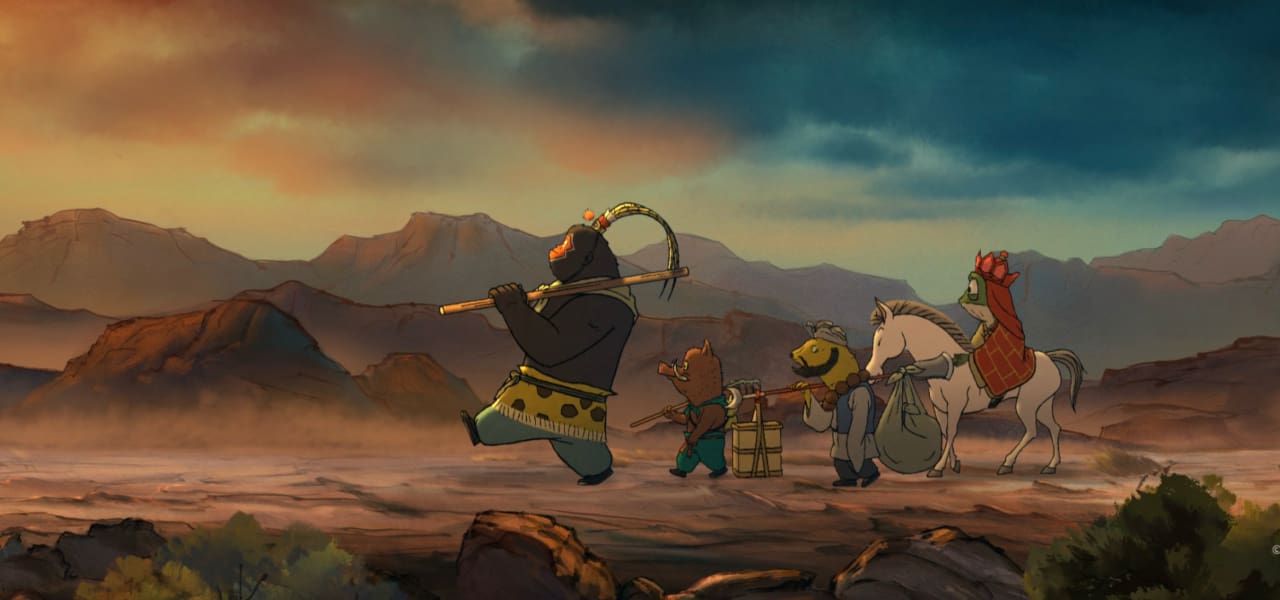
The heart of "Nobody" lies in its ingenious reimagining of "Journey to the West," one of China’s Four Great Classical Novels. Instead of focusing on the iconic pilgrimage of the monk Tang Sanzang and his powerful disciples – the Monkey King, Sun Wukong, being the most prominent – the film shifts its gaze to the often-overlooked Yaoguai, spirits or monsters, who populate this fantastical world.
The premise is captivating: these lesser beings, yearning to transcend their marginalized social standing and achieve immortality, devise a daring plan. They decide to impersonate the legendary heroes of "Journey to the West," hoping to outwit the original adventurers and claim the prize of eternal life for themselves. This audacious twist on a universally recognized narrative offers a unique perspective, democratizing the epic tale and giving voice to its minor characters.
Director Yu Shui explained the core appeal of this reinterpretation: "Very few works feature Yao as the main characters, especially nameless minor ones. Observing the world of ‘Journey to the West’ from an alternative perspective offers a completely fresh experience." This approach not only injects a novel energy into a familiar story but also allows for a deeper exploration of themes such as ambition, identity, and the pursuit of recognition.
A Visual Symphony: Blending Eastern and Western Artistic Traditions
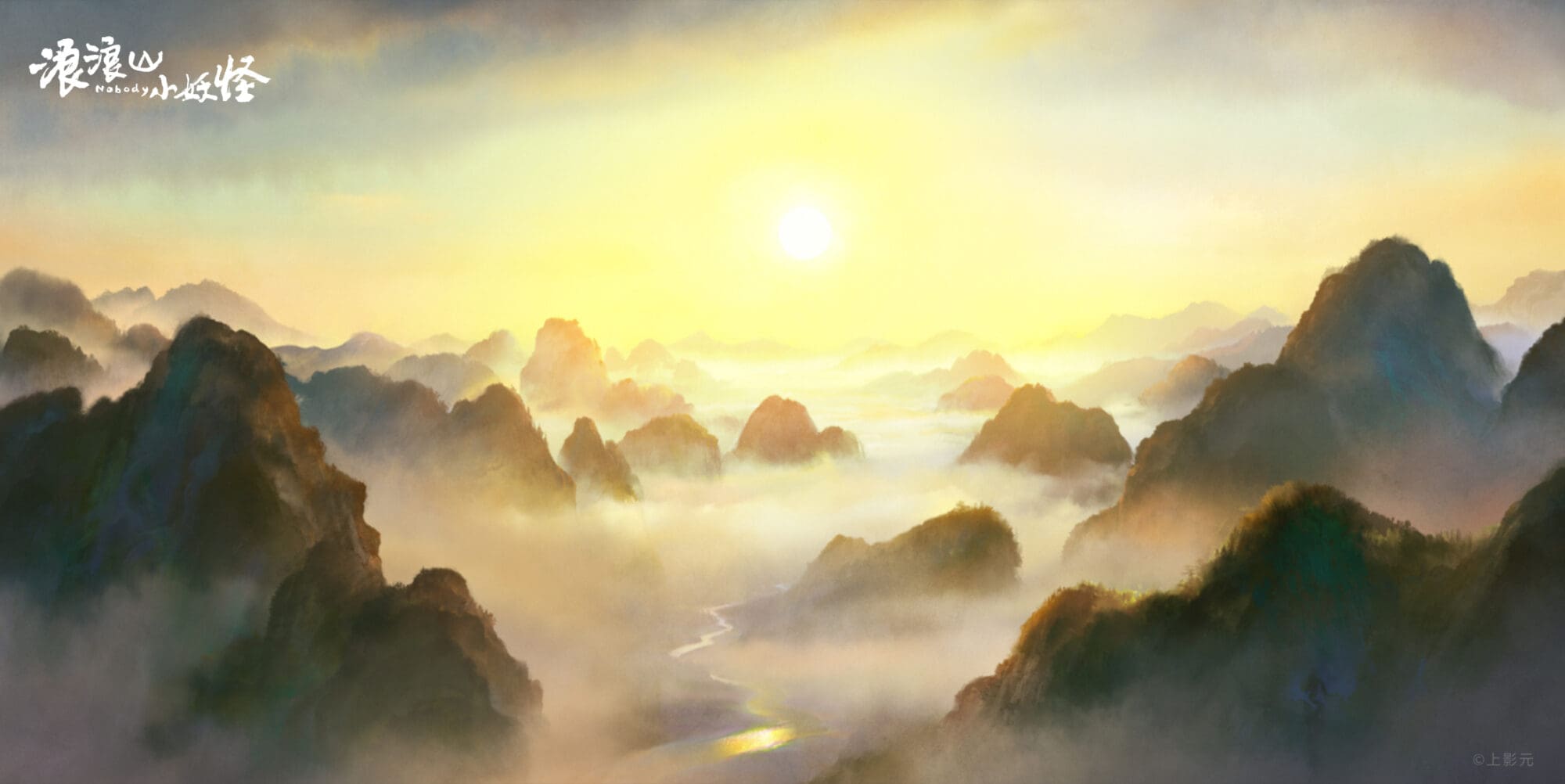
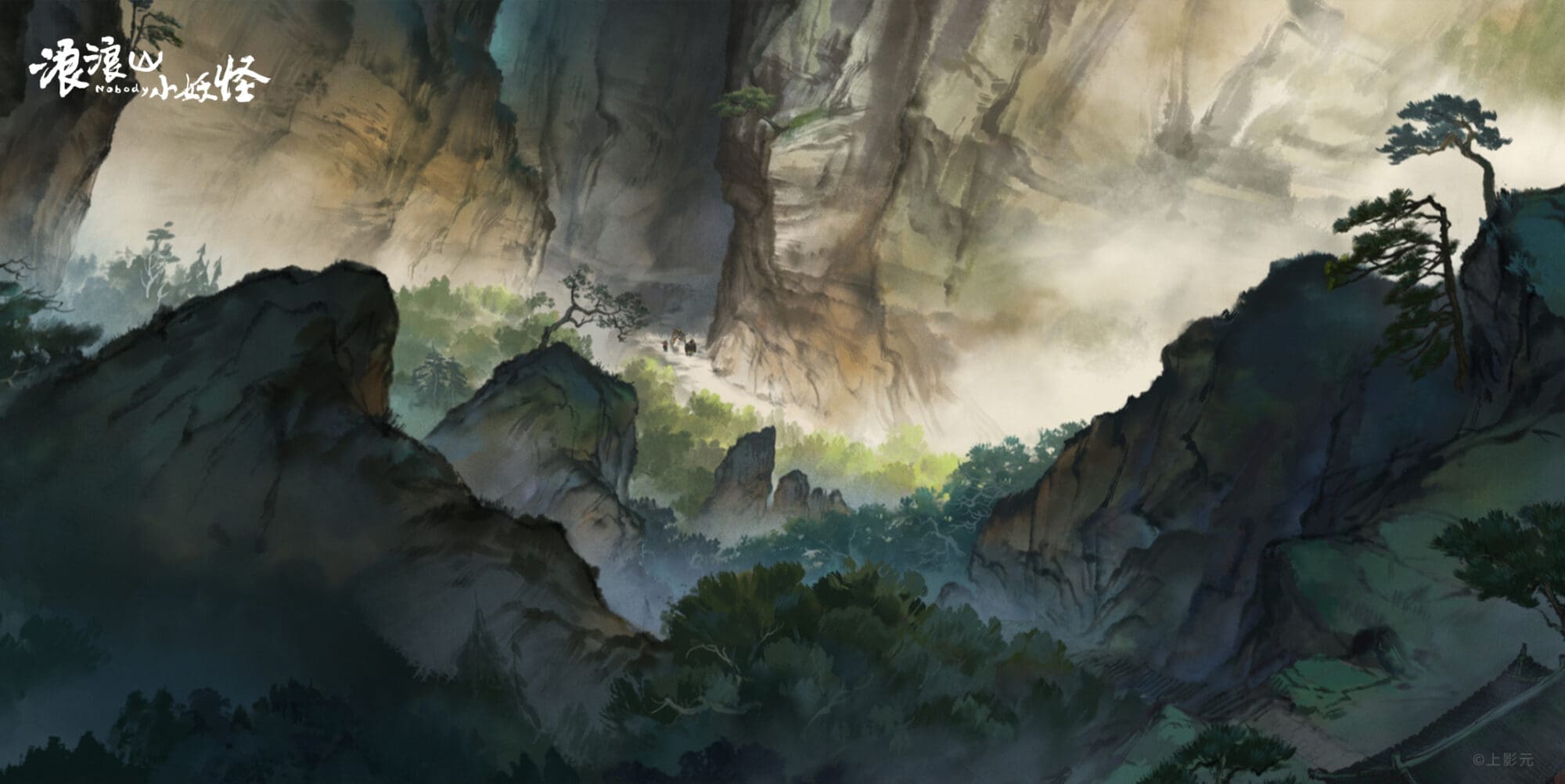
Beyond its compelling narrative, "Nobody" distinguishes itself through a breathtakingly unique visual style. The film’s aesthetic is a deliberate and harmonious fusion of traditional Chinese painting techniques and the principles of Western art. This ambitious undertaking was a cornerstone of the production, aiming to create an immersive and visually rich experience that honors both cultural heritages.
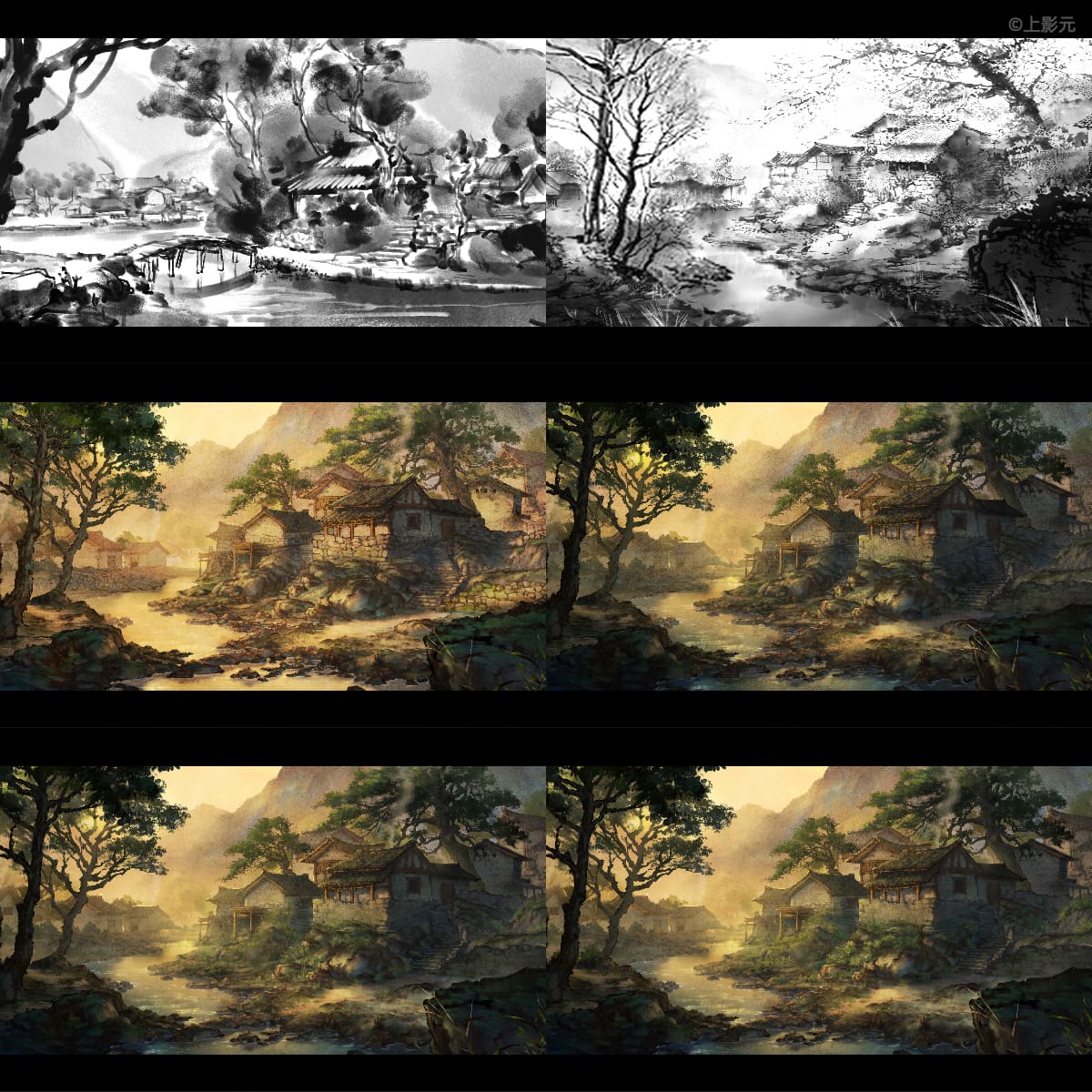
"We have been looking for ways to combine the freehand brushwork of traditional Chinese painting with the realism of Western painting," stated Director Yu Shui. "The ink smudges, negative space, and unique methods of depicting mountains, rocks, and trees found in Chinese painting create the uniqueness of the film’s art. The perspective, structure, and use of light and shadow in Western painting can create a believable environment and an immersive audiovisual experience."
This commitment to artistic exploration meant that the team devoted significant effort to perfecting this visual synthesis. The result is a world that feels both ethereal and grounded, where the fluidity of ink washes meets the tangible depth of Western rendering.
The Art of the Background: A Painterly Landscape
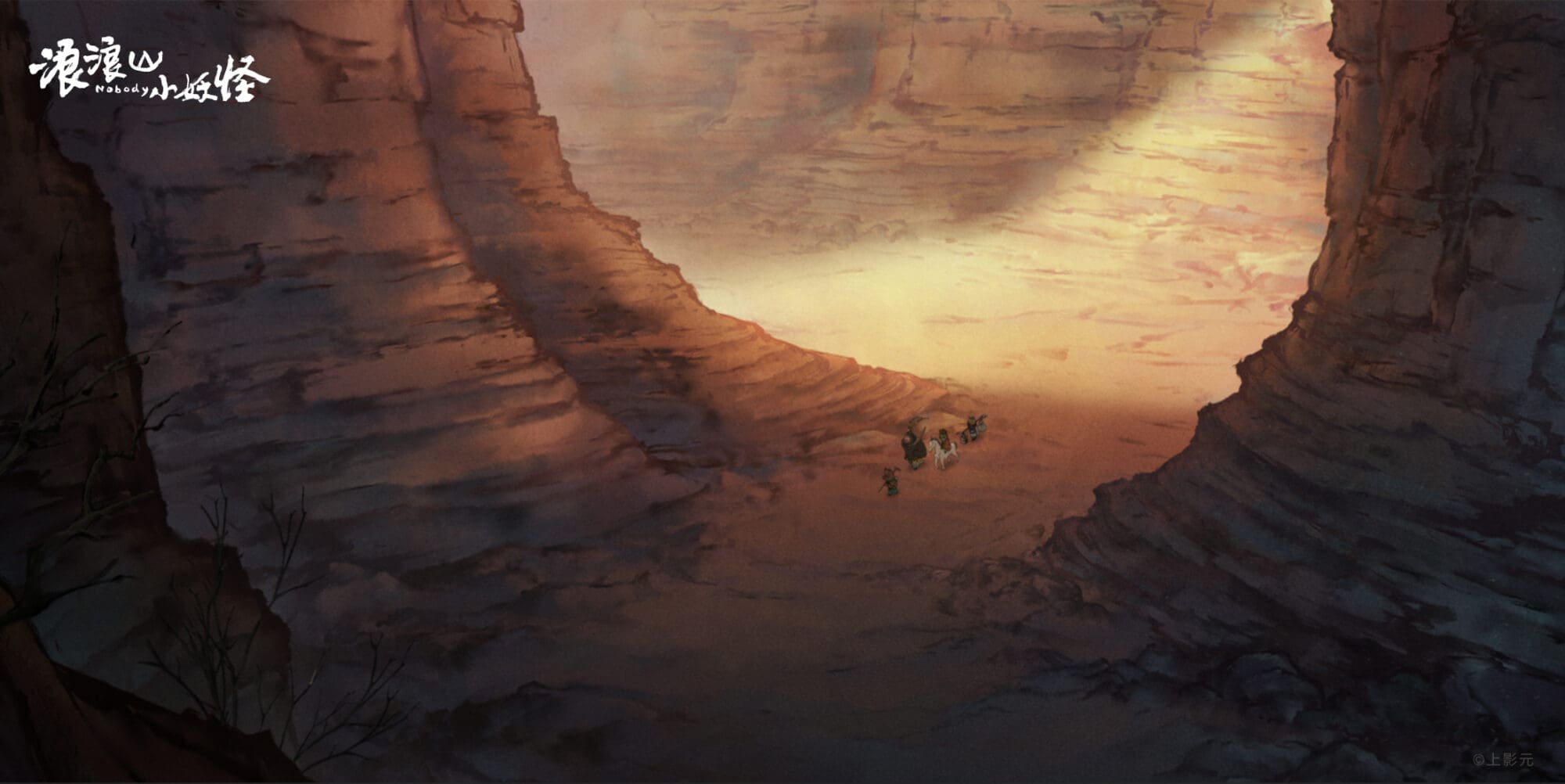
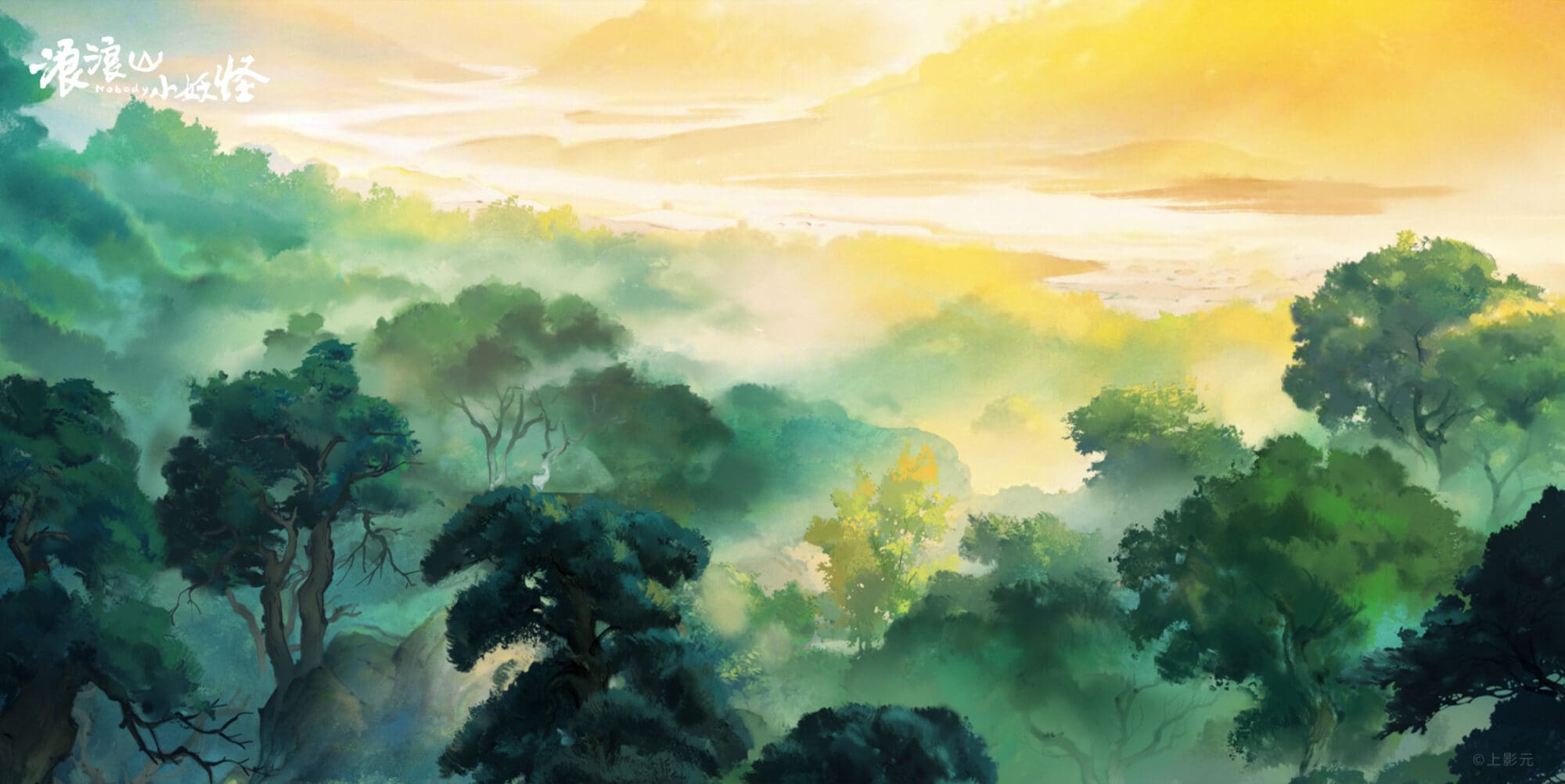
The background art in "Nobody" is a particular highlight, presenting a striking contrast to the more stylized character designs. The creation of these environments was a meticulous process, deeply rooted in traditional Chinese art.
The studio’s art director began by experimenting with ink on rice paper, striving to capture the authentic touch and essence of Chinese painting before translating these techniques into digital form. To achieve this, the team developed custom brushes within their digital software that mimicked the nuances of Chinese ink painting. The artists underwent systematic study of traditional techniques for rendering natural elements like mountains and rocks.
Yu Shui elaborated on the distinct approaches: "In Chinese art, the darkest ink tones are placed at the tops of rocks to suggest vegetation, whereas in Western painting, darker shades are typically applied to the bottom or shadowed areas to reflect the physical principles of light and shadow." By integrating these contrasting methodologies, the film’s landscapes possess a distinctive aesthetic while maintaining a powerful sense of immersion. The inspiration for these backgrounds also draws heavily from the artistic legacy of Shanghai Animation Film Studio’s celebrated animated shorts from the previous century.
Character Design: A Whimsical Blend of Tradition and Modernity
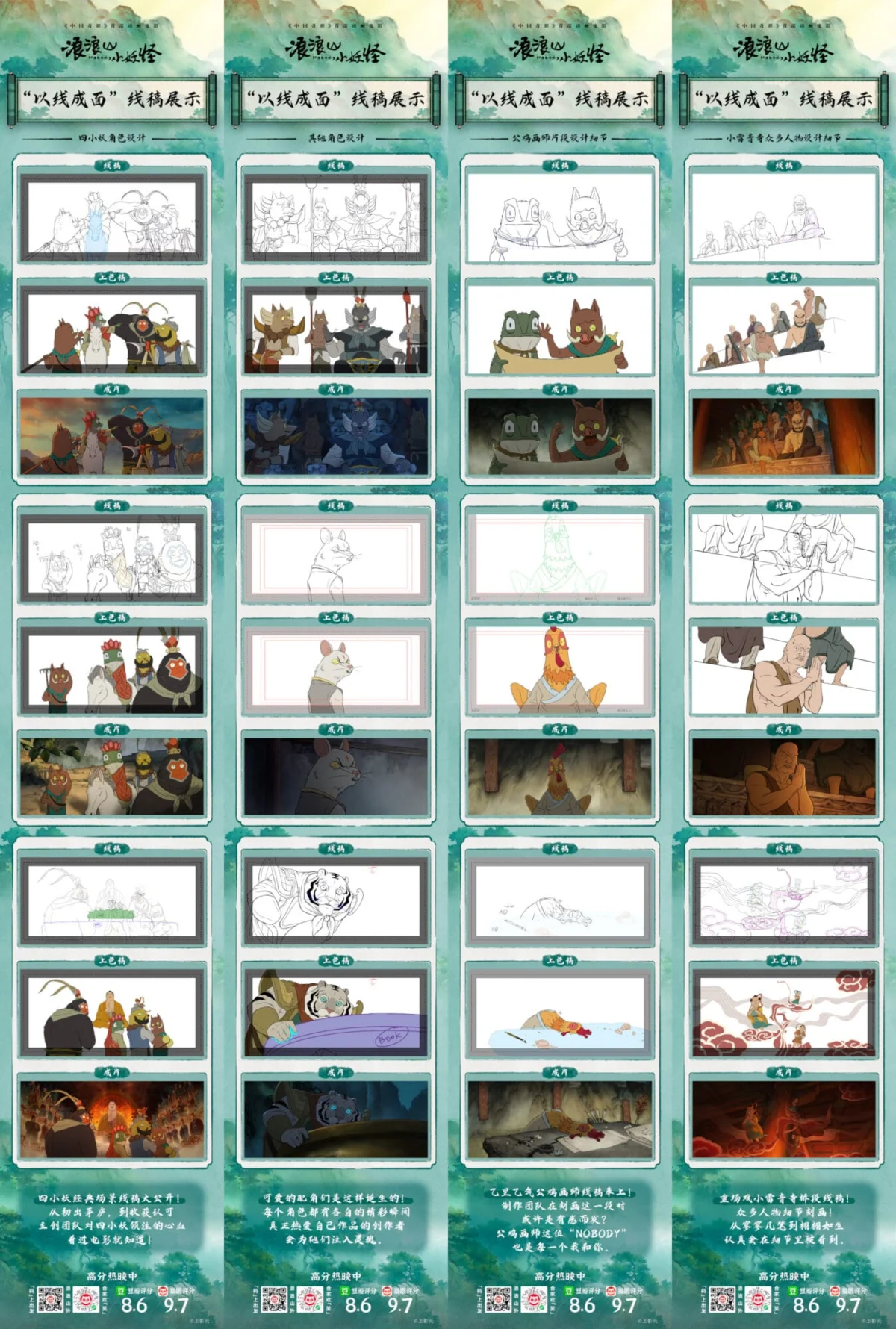
The character designs in "Nobody" are equally captivating, featuring a distinctive linework that stands out against the softer, painterly backgrounds. This approach was inspired by a confluence of factors, including the inherent nature of the Yaoguai themselves and the resurgence of certain traditional Chinese art forms.
Director Yu Shui revealed that his inspiration stemmed from two primary sources: "the inherent whimsy of the Yao characters themselves and traditional Chinese art." He referenced a trend in China during the 1980s characterized by picture-story books with strong ethnic characteristics, a style that gradually receded with the rise of Japanese manga. For "Nobody," the team sought to revive and adapt elements of this picture-story book style, blending it with contemporary sensibilities to create a look that is both innovative and broadly appealing.
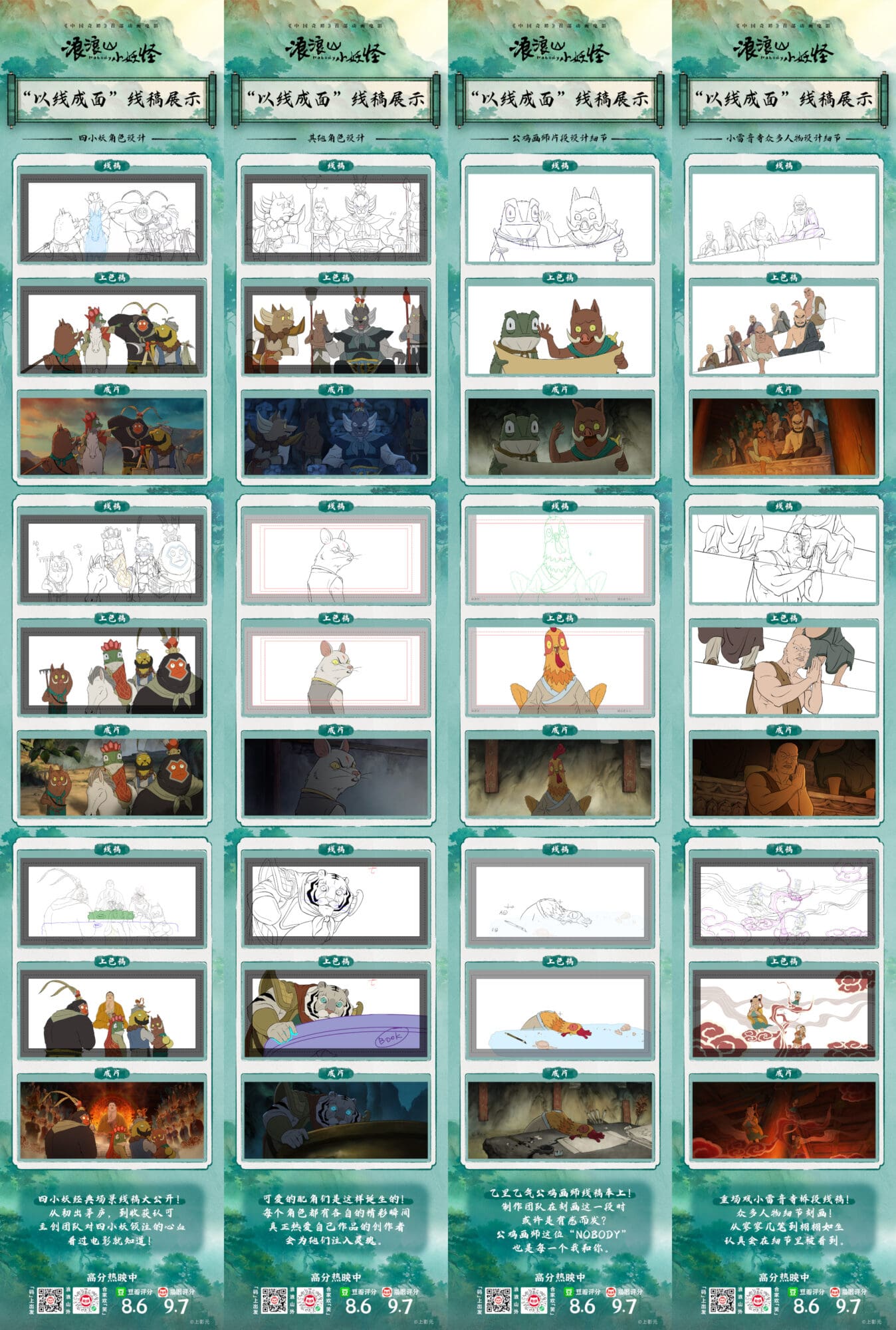
The linework in the character designs was a deliberate choice to convey rhythm and dynamism. A nuanced approach was taken, with line thickness adjusted based on the shot’s scale. Closer shots, such as close-ups, featured thicker lines, while wider shots employed thinner lines to maintain visual clarity and impact.
From Short Film to Feature: An Evolving Vision
The genesis of "Nobody" as a feature film is a fascinating story of recognizing potential and undertaking a significant creative reinvention. The original concept emerged from a short film within the "Yao: Chinese Folktales" anthology.
"When the storyboard for the animated short ‘Nobody’ had just taken shape, we decided to move forward with a feature-length adaptation because the storyboard looked like it had a lot of potential," explained Yu Shui. "The short film featured vivid characters and an interesting story, but its narrative scope was too limited to sustain a feature film."
The team considered several avenues for expansion: expanding the existing story, developing a sequel, or creating a prequel. Ultimately, they opted for a more ambitious path: a complete rewrite of the narrative. This decision was made at the end of 2021, marking the official commencement of scriptwriting for the feature film. This bold move allowed for a richer, more complex storyline that could fully explore the characters and their aspirations.
Production Challenges and Artistic Integrity
The ambitious artistic vision of "Nobody" presented unique production challenges, particularly in maintaining artistic integrity throughout a large-scale collaborative effort. The demanding nature of the background painting style, for instance, required a high level of artistic skill, making it difficult to find sufficient talent.
"The most difficult part is that this background painting style places very high demands on artists, and we simply cannot find enough high-level talent," Yu Shui admitted. "During industrialized production, ensuring that the style does not suffer any loss of quality is a major challenge."
To address this, the team implemented a tiered approach to assigning background tasks. Panoramic views and the most complex backgrounds were entrusted to their most skilled artists, while less demanding scenes were handled through more standardized production workflows. This strategy ensured that the film’s visual quality remained consistently high across all its environments.
Similarly, the nuanced linework in character design required careful management. To ensure consistency and convey the intended rhythm and brushwork, the team developed detailed guidelines for character modeling and line drawing. This process involved continuous communication and iteration with the production team to achieve the desired aesthetic. "To some extent, we needed to quantify the process," Yu Shui noted, highlighting the balance between artistic expression and the practicalities of large-scale animation production.
A Groundbreaking Achievement
The success of "Nobody" is a significant achievement for Shanghai Animation Film Studio and a powerful demonstration of the artistic and commercial viability of Chinese animation on the global stage. Its triumph in the domestic market, coupled with its presence at Annecy and its U.S. release, signifies a growing appreciation for diverse storytelling and innovative animation techniques.
The film’s ability to weave together rich cultural heritage with contemporary artistic sensibilities, while offering a fresh perspective on a classic tale, positions it as a landmark in animated cinema. As "Nobody" continues its festival run and reaches wider audiences, it not only entertains but also inspires, showcasing the boundless possibilities that emerge when creativity and tradition converge. The journey of these unassuming Yaoguai, striving for their place in the sun, has indeed become a story worthy of immortalization.