
Black River Orchard: A Harvest of Horror and Cultic Whispers Now Available for a Song
A thrilling descent into the dark heart of rural America, Chuck Wendig’s "Black River Orchard" is being offered at an unprecedented price, drawing attention to its potent blend of agricultural unease, suburban dread, and insidious cult dynamics.
March 28, 2026 – In a move that has sent ripples of excitement through the literary horror community, Chuck Wendig’s acclaimed novel, "Black River Orchard," is currently available for a mere $1.99 on major e-book platforms. This limited-time offer, a significant departure from its standard pricing, serves as a potent reminder of the novel’s compelling narrative and its unique appeal to readers with a penchant for the unsettling. "Black River Orchard" masterfully weaves together elements of folk horror, domestic unease, and the chilling allure of clandestine organizations, creating a reading experience that is both deeply disturbing and undeniably addictive.
The novel, lauded for its atmospheric prose and its exploration of the dark undercurrents that can exist beneath seemingly idyllic surfaces, has garnered significant praise since its release. This strategic price reduction aims to broaden its reach, inviting a new wave of readers into its macabre world. The story centers on the seemingly ordinary, yet profoundly sinister, Black River Orchard, a place where the very soil seems to whisper secrets and the harvest is far from innocent.
A Deep Dive into the "Cheap Evil Apple" Alert
The recent announcement of "Black River Orchard" being available for just under two dollars has been met with enthusiastic responses from fans and critics alike. The author, Chuck Wendig, expressed his pride in the work, encouraging a widespread embrace of the novel. The phrase "cheap evil apple alert" has become a rallying cry for those eager to experience the book’s dark charm without a significant financial commitment.
The e-book is accessible across a wide spectrum of digital marketplaces, including but not limited to:
- Bookshop.org: Supporting independent bookstores.
- Kobo: A global e-reader platform.
- Amazon: The ubiquitous online retail giant.
- Barnes & Noble: A prominent American bookseller.
- Apple Books: Integrated within the Apple ecosystem.
This broad availability ensures that readers worldwide can easily procure their copy of "Black River Orchard." The author’s impassioned plea for readers to "tell everyone" underscores the value and impact of the novel, drawing a playful comparison to Gary Oldman’s memorable performance in "The Professional," where the emphasis is on universal dissemination.
Thematic Tapestry: Agriculture, Suburban Dread, and Cultic Influence
"Black River Orchard" taps into a rich vein of contemporary horror themes, making it resonate with a broad audience. Its core appeal lies in its masterful synthesis of three distinct, yet interconnected, elements:
A. Apple Agriculture: The Verdant Facade of Rot
At its surface, "Black River Orchard" presents a meticulously crafted portrayal of apple agriculture. The novel delves into the cyclical nature of farming, the tangible labor involved, and the intimate connection between the land and its produce. However, this seemingly wholesome industry becomes a breeding ground for insidious dread. The apples themselves, plump and inviting, harbor a sinister secret, their sweetness masking a deep-seated corruption. This juxtaposition of natural bounty with inherent evil is a hallmark of effective folk horror, where the familiar is twisted into something terrifying. Readers are drawn into the sensory details of the orchard – the scent of ripe fruit, the rustle of leaves, the damp earth – only to have these sensations subverted by a growing sense of unease. The very process of cultivation, meant to nurture life, becomes a conduit for something far more ancient and malevolent.
B. Suburban Folk Horror: The Unsettling Quiet of the Everyday
The novel skillfully employs the tropes of suburban folk horror, a subgenre that finds terror not in remote wilderness, but in the seemingly mundane settings of suburban life. Black River Orchard is situated within a community that appears normal on the surface, with its manicured lawns, friendly neighbors, and the predictable rhythm of daily routines. Yet, beneath this veneer of normalcy lies a profound disquiet. The author explores how secrets fester in close-knit communities, how unspoken traditions can morph into dangerous rituals, and how the desire for belonging can lead individuals to embrace darkness. The horror in "Black River Orchard" is not always overt; it often manifests as a creeping sense of dread, a feeling that something is fundamentally wrong, even when all outward appearances suggest otherwise. This taps into a primal fear of the familiar turning hostile, a world that was once safe becoming a source of unspeakable peril.
C. Cults: The Allure of the Unseen Flock
A central pillar of "Black River Orchard" is its exploration of cultic dynamics. The novel doesn’t shy away from depicting the insidious ways in which these organizations can infiltrate communities, prey on vulnerabilities, and exert control. The allure of a cult often lies in its promise of belonging, purpose, and a shared ideology, however twisted. "Black River Orchard" examines how individuals, seeking solace or meaning, can become ensnared in the web of a charismatic leader or a dogmatic belief system. The narrative masterfully portrays the psychological manipulation, the erosion of individual will, and the terrifying consequences of blind devotion. The cult in "Black River Orchard" is not a distant, abstract threat; it is woven into the fabric of the community, its tendrils reaching into the lives of unsuspecting residents, making the horror all the more personal and pervasive.
A Chronology of Dread: The Unfolding Narrative
While a precise chronological breakdown of the novel’s plot would venture into spoiler territory, the narrative arc of "Black River Orchard" can be understood as a gradual descent into a deepening mystery. The story typically begins with an introduction to the setting and its inhabitants, often through the eyes of a protagonist who is either new to the area or becoming increasingly aware of its peculiar nature.

The early stages of the novel focus on establishing the atmosphere of the Black River Orchard and its surrounding community. Hints of unease are subtly introduced – odd local customs, hushed conversations, unexplained occurrences that are easily dismissed by those accustomed to them. As the protagonist delves deeper, either through personal investigation or by becoming an unwitting participant, the layers of deception begin to peel away.
The middle of the narrative often involves significant discoveries that confirm the protagonist’s suspicions. This might include uncovering historical records, stumbling upon hidden rituals, or witnessing firsthand the disturbing practices of the cult. The stakes are raised, and the danger becomes more palpable. The protagonist may find themselves increasingly isolated, with few allies and powerful adversaries who will stop at nothing to protect their secrets.
The climax of "Black River Orchard" typically involves a direct confrontation with the forces of darkness. This could be an attempt to escape the orchard’s clutches, a desperate fight for survival, or a climactic revelation that exposes the full extent of the cult’s malevolence. The resolution, while often offering a sense of closure, may also leave lingering questions or a sense of the enduring nature of the evil that has been unearthed, a common characteristic of effective folk horror.
Supporting Data: The Power of Atmosphere and Psychological Terror
The effectiveness of "Black River Orchard" is not derived from jump scares or gratuitous violence, but from its carefully constructed atmosphere and its deep exploration of psychological terror. The author employs several literary techniques to achieve this:
- Sensory Details: Vivid descriptions of the orchard, the changing seasons, the scent of apples, and the sounds of the rural landscape immerse the reader in the setting, making the eventual subversion of these familiar elements all the more impactful.
- Foreshadowing: Subtle hints and ominous omens are woven throughout the narrative, building suspense and a sense of impending doom without explicitly revealing the threats.
- Unreliable Narration (Potential): Depending on the protagonist’s perspective, the reader may question what is real and what is perceived, adding another layer of psychological complexity.
- Character Vulnerability: The novel often focuses on characters who are grappling with personal struggles, making them more susceptible to manipulation and the seductive promises of the cult. This exploitation of human frailty is a key component of cult recruitment.
- Pacing: The author masterfully controls the narrative pace, allowing moments of quiet dread to punctuate periods of escalating tension, creating a reading experience that is both unnerving and engrossing.
Official Responses and Authorial Intent
While "Black River Orchard" is a work of fiction, its themes of cult influence and community manipulation resonate with real-world concerns. In the broader context of literature, the success of novels that delve into these dark aspects of human nature often prompts discussions about societal vulnerabilities and the importance of critical thinking.
Chuck Wendig, known for his direct engagement with his readership, has consistently championed "Black River Orchard" as a work he is particularly proud of. His intent, as evidenced by his promotional efforts and his enthusiastic embrace of the current price reduction, is to make this compelling story accessible to as many readers as possible. The author’s call to action, urging readers to share the book, highlights a desire for its themes to be discussed and contemplated.
Implications: The Enduring Power of Rural Gothic and Cultic Narratives
The enduring appeal of novels like "Black River Orchard" speaks to a fascination with the darker aspects of rural life and the psychological dynamics of cults. These narratives tap into primal fears about hidden dangers lurking beneath the surface of normalcy and the unsettling power of collective delusion.
The current promotional pricing of "Black River Orchard" is not merely a sales tactic; it’s an invitation to engage with a story that probes uncomfortable truths about human nature, community, and the seductive whispers of darkness. As readers are drawn into its chilling embrace, they are not only entertained but also prompted to consider the subtle ways in which fear, desire, and belonging can be exploited. The novel serves as a potent reminder that sometimes, the most terrifying secrets are found not in the shadows of the unknown, but in the familiar soil of our own backyards.
In addition to the "Black River Orchard" promotion, readers are also reminded of other recent and upcoming works by Chuck Wendig:
- "The Staircase in the Woods" is now available in paperback, offering another avenue for readers to explore the author’s distinctive brand of horror.
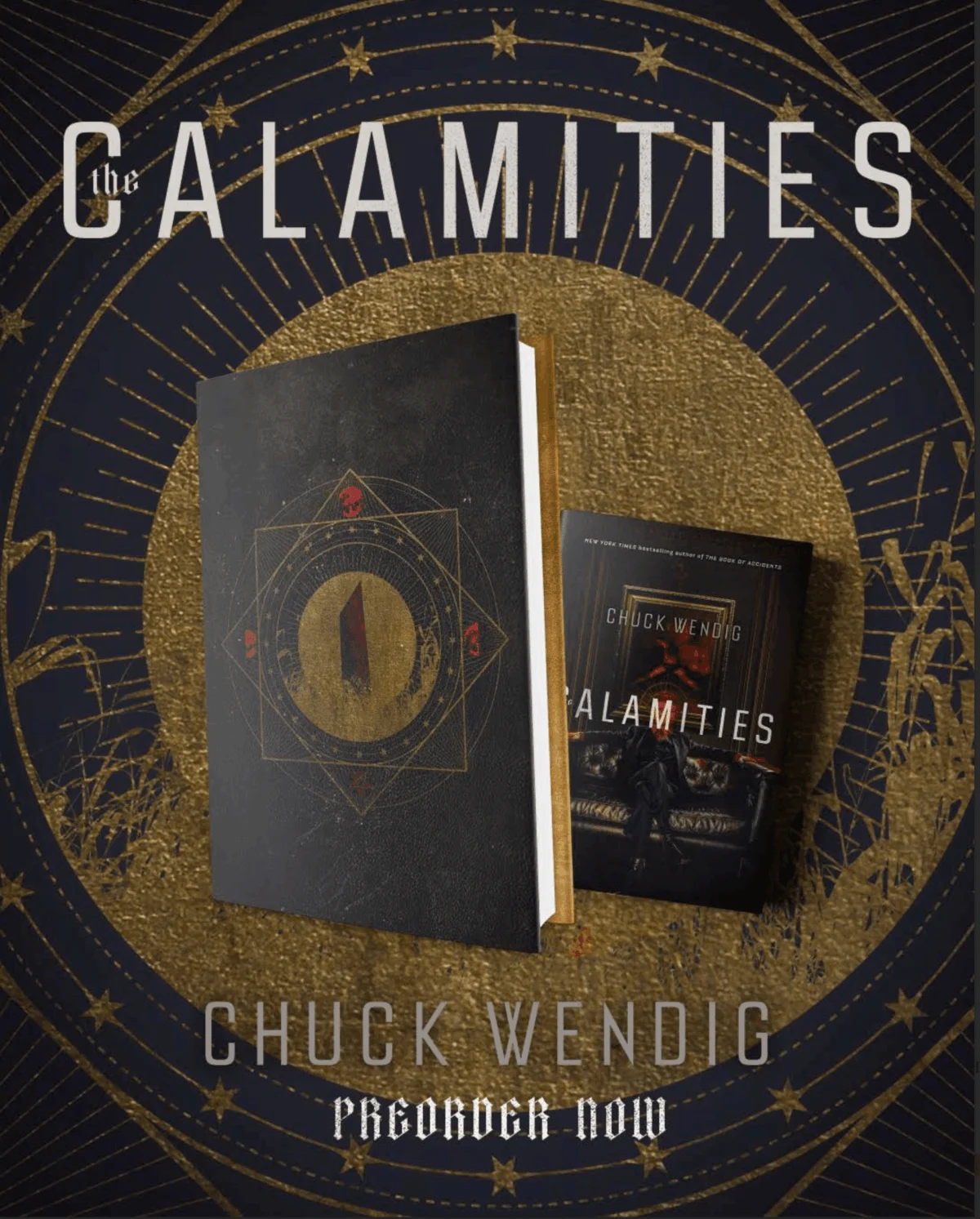
- "The Calamities" is slated for release in August, with pre-orders available that include special bonuses and personalized elements, such as the unique "demonic progenitor" naming service offered through Doylestown Bookshop. Further collaborations with artists for sticker art are also in the works, promising exciting supplementary merchandise.
The availability of "Black River Orchard" at such an accessible price point is a significant event for horror enthusiasts, offering a chance to experience a critically acclaimed novel that masterfully blends agricultural unease with the insidious grip of cultic influence.



Leave a Comment