
"Bow": A Deep Dive into a Ghibli-Inspired Solo RPG, Blending Underwater Serenity with High-Stakes Competition
FOR IMMEDIATE RELEASE
[City, State] – [Date of Publication] – A new and enchanting tabletop roleplaying game, "Bow," is poised to transport players into a vibrant underwater world, drawing profound inspiration from the tranquil exploration of the video game Abzu and the whimsical, often environmentally conscious narratives of Studio Ghibli films. Set to launch its crowdfunding campaign on Backerkit on May 31st, "Bow" offers a unique blend of solo or duet journalling gameplay, challenging players to become freedivers competing in a high-stakes Shoaling Festival, with the future of their community hanging in the balance.
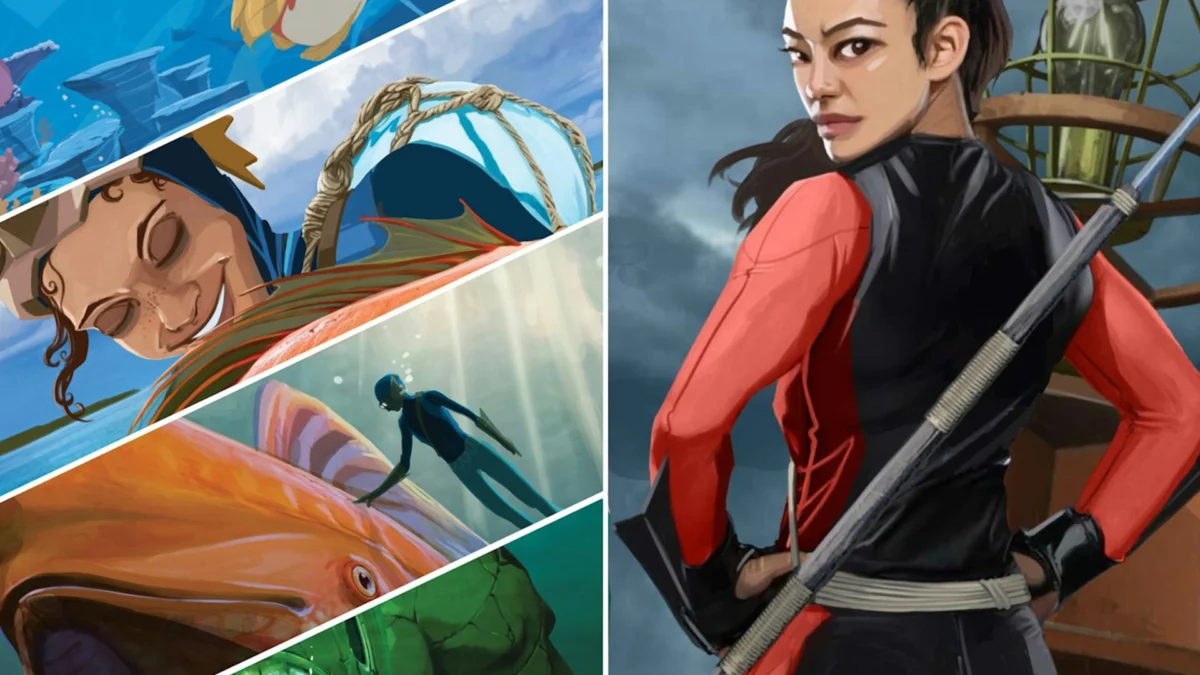
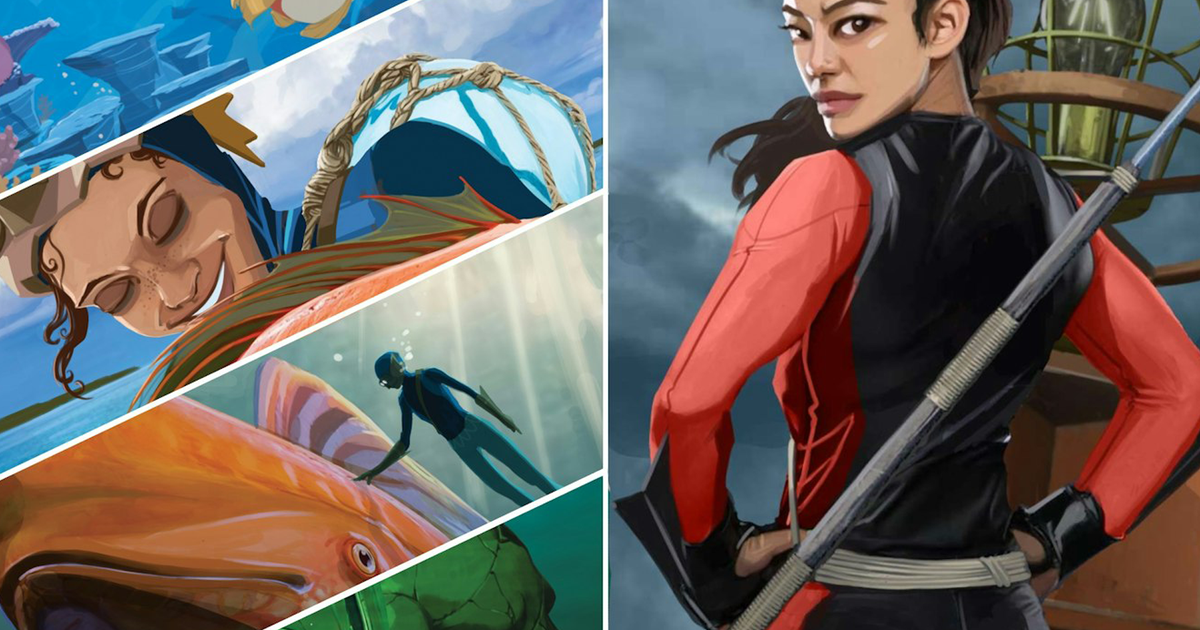
Developed by Hatchlings Games, "Bow" distinguishes itself by creating an immersive experience where players navigate pristine oceans, encounter diverse marine life, and uncover ancient relics. The game’s aesthetic, crafted by artists WillowsQuest and Alex Connolly, directly echoes the iconic visual style of Studio Ghibli, promising a journey filled with wonder and a deep connection to the aquatic environment. This innovative approach to tabletop gaming positions "Bow" as a compelling addition to the burgeoning solo RPG market, appealing to both seasoned players and newcomers drawn to its unique thematic and artistic vision.
Main Facts: Unveiling "Bow"’s Aquatic World
"Bow" is an upcoming solo or duet tabletop roleplaying game that invites one to two players to embark on an extraordinary underwater adventure. At its core, the game revolves around the Shoaling Festival, a pivotal event in a world defined by its breathtaking oceans. Players assume the role of skilled freedivers, whose primary objective is to race against rivals, collect ancient "Old-World relics," and ultimately reach four distinct markers scattered across a vast oceanic route. The success of this endeavor is not merely for personal glory; it carries the immense weight of determining the fate of their entire community.
The game’s narrative and visual identity are deeply rooted in two distinct yet harmoniously blended inspirations. The first is Abzu, the critically acclaimed 2016 indie video game renowned for its serene underwater exploration, vibrant ecosystems, and profound sense of discovery. "Bow" seeks to replicate this feeling of diving into a lush, living ocean, where every coral reef and mysterious creature contributes to a rich, immersive tapestry. The second, and perhaps most visually striking, influence comes from the legendary Japanese animation powerhouse, Studio Ghibli. Publishers Hatchlings Games explicitly cite films like Porco Rosso with its "glorious seascapes" and Nausicaä of the Valley of the Wind as direct inspirations for the game’s artwork and overall atmosphere, promising a sense of awe and a touch of magical realism.
Mechanically, "Bow" utilizes the elegant Carta gameplay system, originally developed by Peach Garden Games. This system employs a standard deck of 24 playing cards, arranged in a six-by-four grid, to dynamically shape the unfolding story. Each card suit dictates a different type of challenge or narrative prompt, while also representing the rival competitors in the Shoaling Festival. This innovative use of playing cards ensures that no two playthroughs are exactly alike, fostering replayability and emergent storytelling. Victory in "Bow" is achieved by adeptly navigating these challenges, collecting four aces, and outmaneuvering opponents to reach the final marker, thereby securing a prosperous future for one’s community.
Chronology: From Concept to Crowdfunding
The journey of "Bow" from an initial concept to a fully realized crowdfunding campaign reflects Hatchlings Games’ consistent dedication to crafting unique, narrative-driven tabletop experiences. While the precise genesis of "Bow" is not detailed, its thematic underpinnings suggest a natural evolution from the publisher’s prior works, particularly their affinity for the enchanting worlds of Studio Ghibli.
Hatchlings Games has established itself as a creative force in the indie TRPG scene, with a track record of developing games that stand out for their distinctive themes and innovative mechanics. A notable precursor to "Bow" is Dragon Dowser, another solo roleplaying game from Hatchlings Games that also drew significant inspiration from Studio Ghibli. This earlier title likely provided valuable experience and insights into translating Ghibli’s aesthetic and narrative sensibilities into a tabletop format, paving the way for the ambitious aquatic world of "Bow." Furthermore, Hatchlings Games is also behind Inspirisles, a tabletop RPG designed not only for entertainment but also as an educational tool to teach British and American sign language. This demonstrates a broader commitment by the publisher to create games that are not only engaging but also carry meaningful purpose or unique educational value.
The development of "Bow" has involved a collaborative effort, particularly in bringing its vivid world to life through art. Artists WillowsQuest and Alex Connolly were instrumental in translating the Ghibli and Abzu inspirations into the distinctive visual style seen in the rulebook, establishing the game’s serene yet adventurous tone. The decision to adapt the Carta gameplay system, originally created by Peach Garden Games, highlights Hatchlings Games’ strategic approach to game design, leveraging proven frameworks while infusing them with their own creative vision. This adaptation allowed the team to focus on world-building and narrative prompts, knowing the underlying mechanics were robust.
With the core mechanics established and the artwork shaping the game’s identity, the project moved towards its public unveiling. The announcement of the crowdfunding campaign on Backerkit, scheduled for May 31st, marks the culmination of this development cycle. This platform provides Hatchlings Games with the opportunity to connect directly with a global audience, secure the necessary funding for production, and build a community around "Bow" even before its official release. The anticipation for the campaign underscores a growing enthusiasm within the tabletop community for games that offer rich solo experiences and compelling artistic direction.
Supporting Data: A Deeper Dive into Inspirations and Mechanics
The unique tapestry of "Bow" is woven from threads of distinct creative inspirations and innovative gameplay mechanics. Understanding these elements provides a clearer picture of the immersive experience awaiting players.
The Allure of Abzu: Serene Exploration Meets Deep-Sea Wonder
Abzu, the 2016 indie video game, serves as a cornerstone of "Bow"’s atmospheric foundation. Developed by Giant Squid, Abzu is celebrated for its breathtaking underwater environments, vibrant marine ecosystems, and a narrative conveyed almost entirely through visual storytelling and environmental interaction. Players explore a vast ocean, swimming alongside schools of fish, encountering ancient ruins, and uncovering the secrets of a dying world. The game eschews combat for exploration, focusing instead on the sheer joy of discovery and the profound connection one can feel with the natural world.
"Bow" endeavors to translate this sense of serene yet profound exploration into a tabletop format. Players are encouraged to imagine themselves "diving into the depths of a pristine ocean, swimming around colourful coral reefs and coming across all sorts of strange and beautiful creatures along the way." This emphasis on vivid sensory details and imaginative immersion is crucial for a journalling RPG, where the player’s mind is the primary engine for rendering the game world. The inspiration from Abzu suggests that while there is a competitive race, a significant part of the game’s appeal will lie in the tranquil moments of discovery, the appreciation of marine beauty, and the quiet contemplation of the underwater realm. It sets a tone where the journey is as important as the destination, fostering a sense of wonder that resonates deeply with players seeking a less confrontational, more meditative gaming experience.
Studio Ghibli’s Legacy: Art, Emotion, and Environmentalism
The influence of Studio Ghibli on "Bow" extends beyond mere aesthetic inspiration; it imbues the game with a profound sense of wonder, emotional depth, and often, a subtle environmental message. Hatchlings Games specifically references Porco Rosso and Nausicaä of the Valley of the Wind, two films that perfectly encapsulate the multifaceted nature of Ghibli’s impact.
Porco Rosso, with its iconic aerial dogfights and idyllic Adriatic setting, features "glorious seascapes" that are not merely backdrops but integral to the film’s mood and narrative. Its depiction of the sea as a place of freedom, adventure, and beauty likely informs "Bow"’s vision of a vibrant, inviting ocean. Nausicaä of the Valley of the Wind, on the other hand, is a powerful epic centered on environmentalism, ecological disaster, and the intricate balance between humanity and nature. The film’s titular heroine navigates a post-apocalyptic world grappling with toxic jungles and giant insects, striving for coexistence and understanding. This reference hints that "Bow" might carry similar undertones, suggesting that the "pristine ocean" of the Shoaling Festival is not just a beautiful setting but a precious ecosystem whose future is intertwined with the players’ actions.
Beyond these specific films, the broader Ghibli aesthetic is evident in the artwork by WillowsQuest and Alex Connolly. Ghibli films are known for their meticulously hand-drawn animation, rich color palettes, and characters that exude both strength and vulnerability. They often explore themes of childhood, nature, pacifism, and the triumph of the human spirit. For "Bow," this translates into an art style that evokes a sense of timeless fantasy, where fantastical sea creatures blend seamlessly with realistic marine life, and the underwater world feels alive, magical, and deeply resonant. The Ghibli inspiration ensures that "Bow" is not just visually appealing but also carries an emotional weight and a sense of narrative richness that encourages players to invest deeply in their characters and the world around them.
The Carta System: A Framework for Emergent Storytelling
The adoption of the Carta gameplay system, originally by Peach Garden Games, is a strategic choice that underpins "Bow"’s design as a solo/duet journalling game. This system is designed for flexibility and narrative generation, making it ideal for games where players construct their own stories through prompts and card-driven events.
In "Bow," the core of the Carta system involves a deck of 24 playing cards laid out in a six-by-four grid. This grid acts as a dynamic map and event generator for the players’ race through the ocean. Each of the four suits in a standard deck takes on a specific meaning within the game:
- Spades: Often associated with challenges, obstacles, or difficult decisions.
- Hearts: May represent opportunities for connection, moments of beauty, or positive interactions.
- Diamonds: Could signify discoveries, treasures (like the Old-World relics), or resources.
- Clubs: Potentially related to rivals, competitive maneuvers, or tests of skill.
As players progress through the grid, drawing or interacting with cards, they are presented with prompts that guide their journalling. These prompts encourage creative writing and imaginative responses, allowing players to detail their encounters with "strange and beautiful creatures," describe the "colourful coral reefs," and narrate their interactions with rival divers. The competitive aspect is ingeniously integrated: "The card suits also represent the rival competitors players will be racing against, providing opportunities for players to interact with them during the game." This means that rivals aren’t just abstract opponents; they are embodied by the cards, creating dynamic narrative possibilities for friendly rivalries, tense confrontations, or even unexpected alliances.
The ultimate goal of collecting "four aces" and beating opponents to the finish line provides a clear victory condition within this narrative framework. Aces, typically the highest-ranking cards, likely represent significant achievements or breakthroughs during the dive, adding a layer of strategic decision-making to the overall race. This blend of structured mechanics and open-ended narrative generation ensures that "Bow" offers a satisfying balance between objective-driven gameplay and imaginative, player-driven storytelling, making each playthrough a unique and personal epic.

Official Responses: Hatchlings Games’ Vision
While direct quotes from the developers were not provided in the original article, we can infer Hatchlings Games’ philosophy and intentions behind "Bow" based on their design choices and previous projects. The publisher’s decision to blend Abzu‘s serene exploration with Studio Ghibli’s fantastical realism speaks volumes about their desire to create an emotionally resonant and visually rich experience.
Hatchlings Games likely envisions "Bow" as more than just a game; it’s an invitation to a meditative journey. The emphasis on a "pristine ocean" and the task of collecting "Old-World relics" suggests a commitment to themes of environmental stewardship and the appreciation of history. By framing the race within a "Shoaling Festival," where the "future of their community" rests on the players’ success, they elevate the personal challenge to a communal imperative, adding significant emotional weight to each dive.
The choice to develop "Bow" as a solo or duet journalling RPG aligns with a growing trend of providing intimate, self-directed narrative experiences. For Hatchlings Games, this likely represents an opportunity to cater to players who prefer introspection and creative writing over large group dynamics. The Carta system, being elegantly simple yet narratively robust, supports this vision by providing just enough structure to guide the story without stifling player imagination.
Furthermore, Hatchlings Games’ previous works, such as Dragon Dowser and Inspirisles, reinforce their identity as creators of games with unique thematic depth. Dragon Dowser, sharing the Ghibli inspiration, indicates a clear passion for the animation studio’s style and storytelling. Inspirisles, with its educational component, showcases a broader commitment to innovation and impact beyond pure entertainment. Thus, "Bow" can be seen as a continuation of this legacy: a game that is not only beautifully designed and mechanically engaging but also capable of evoking wonder, fostering reflection, and perhaps even subtly inspiring a greater appreciation for the natural world. The upcoming Backerkit campaign is not just a funding drive; it’s a call to join Hatchlings Games in bringing this unique vision to life.
Implications: The Future of Solo RPGs and Thematic Storytelling
The launch of "Bow" carries several significant implications for the tabletop roleplaying game landscape, particularly concerning the burgeoning solo RPG market and the power of thematic storytelling.
The Rise of Solo RPGs
"Bow" is launching into a tabletop market that has seen an exponential rise in the popularity of solo roleplaying games. Driven by factors such as busy schedules, geographical dispersion of gaming groups, and a desire for more personal, introspective experiences, solo RPGs have carved out a substantial niche. "Bow"’s design as a solo or duet journalling game positions it perfectly to capitalize on this trend. It offers a complete, self-contained experience that doesn’t require a game master or a full party, making it accessible to a wider audience. The journalling aspect, in particular, appeals to players who enjoy creative writing and deep immersion in character development and world-building, transforming gameplay into a personal narrative journey. This trend suggests that "Bow" could become a significant title in demonstrating the versatility and emotional depth achievable within the solo RPG format.
Bridging Media: Video Games, Animation, and Tabletop
One of "Bow"’s most innovative implications lies in its successful synthesis of inspirations from disparate media: the environmental exploration of a video game (Abzu) and the artistic and thematic richness of animated films (Studio Ghibli). This cross-media pollination highlights a growing trend in TRPG design to look beyond traditional fantasy and sci-fi tropes for fresh ideas. By drawing from sources outside the conventional RPG lexicon, "Bow" opens doors to new audiences—fans of Abzu seeking a tabletop equivalent of its serene beauty, or Ghibli enthusiasts looking for an interactive way to experience similar wonder and magic. This approach demonstrates how TRPGs can evolve by reinterpreting beloved elements from other entertainment forms, creating unique and compelling experiences that resonate on multiple levels.
Environmental Storytelling and Thematic Depth
The game’s focus on a "pristine ocean" and its implicit environmental themes, particularly through the lens of Studio Ghibli’s Nausicaä of the Valley of the Wind, suggest a powerful implication for thematic storytelling in TRPGs. In a world increasingly conscious of ecological issues, "Bow" offers a compelling narrative framework to explore themes of environmental preservation, the delicate balance of nature, and humanity’s role within it. The idea of a community’s future resting on the success of the Shoaling Festival subtly weaves these ecological concerns into the core gameplay, allowing players to engage with meaningful themes through their actions within the game. This deep thematic resonance could position "Bow" not just as an entertaining pastime, but as a thought-provoking experience that leaves players with a renewed appreciation for our own planet’s oceans.
Accessibility and Gateway Potential
The Carta system’s relative simplicity, combined with the game’s approachable theme and stunning artwork, suggests that "Bow" has strong potential as a "gateway" RPG. Its solo/duet nature lowers the barrier to entry, as new players don’t need to learn complex rulesets or navigate group dynamics immediately. The narrative-driven journalling encourages creative expression without demanding prior RPG experience. This accessibility could introduce a new generation of players to the joys of tabletop roleplaying, particularly those who might be intimidated by more traditional, rule-heavy systems.
In conclusion, "Bow" by Hatchlings Games is more than just an upcoming tabletop RPG; it represents a confluence of innovative design, profound artistic inspiration, and timely thematic relevance. As its Backerkit campaign prepares to launch on May 31st, the game stands poised to make a significant splash, offering players a unique opportunity to dive deep into a world of beauty, challenge, and imaginative wonder, all while shaping the destiny of an underwater community. Its success will undoubtedly illuminate new pathways for storytelling and player engagement within the ever-expanding universe of tabletop gaming.


Leave a Comment