Replicant Uprising: Free League Publishing Unveils "Replicant Rebellion" Expansion for Blade Runner RPG
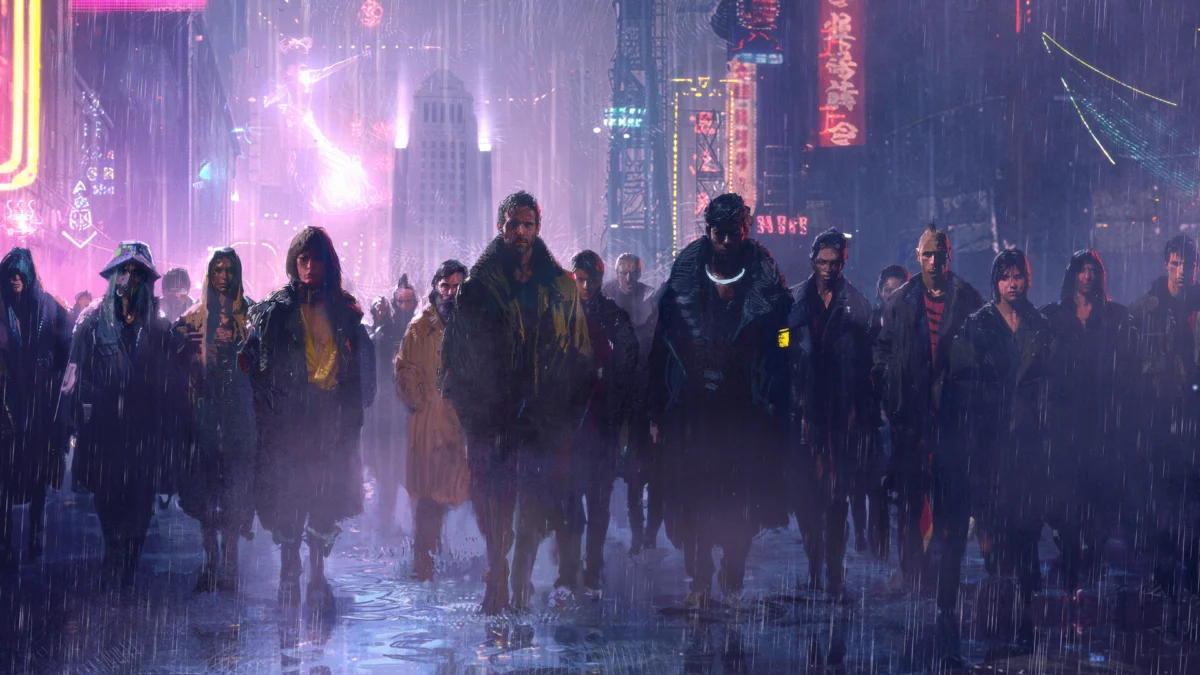
LOS ANGELES, CA – May 21, 2024 – Free League Publishing, renowned for its critically acclaimed tabletop roleplaying game adaptations of iconic franchises, has announced a significant new expansion for its Blade Runner: The Roleplaying Game. Titled Replicant Rebellion, the upcoming module promises to dramatically shift player perspectives, inviting participants to abandon their roles as LAPD Blade Runners and instead join the clandestine Replicant Underground in a desperate fight for freedom and liberation. The expansion is set to launch its crowdfunding campaign on Kickstarter on May 28th, marking a pivotal moment for fans eager to delve deeper into the dystopian future imagined by Philip K. Dick and immortalized on screen.
Main Facts: A Paradigm Shift in the Neon-Lit Dystopia
The core premise of Blade Runner: The Roleplaying Game typically places players in the shoes of human or Replicant Blade Runners, tasked with hunting down rogue synthetic humans in a rain-slicked, neon-drenched Los Angeles of 2037, a period nestled between the events of Ridley Scott’s seminal 1982 film and Denis Villeneuve’s 2017 sequel, Blade Runner 2049. This new expansion, Replicant Rebellion, subverts that established dynamic entirely. Instead of upholding the law of a society that views Replicants as mere commodities, players will be recruited into a secret organization dedicated to undermining the corporate and governmental forces that subjugate their kind.
Free League Publishing, a studio celebrated for its faithful yet innovative adaptations of intellectual properties like Alien, The One Ring, and Tales from the Loop, is once again demonstrating its commitment to exploring every facet of a beloved universe. Replicant Rebellion is designed to plunge players into a world of espionage, sabotage, and moral quandaries, forcing them to confront the ethical complexities inherent in the Blade Runner narrative from an entirely new vantage point. The expansion will empower players to form their own independent crews within the Replicant Underground, undertaking perilous missions ranging from laying explosive charges and sabotaging the oppressive Replicant trade to rooting out informants and balancing their personal ethics against the often-brutal necessities of a liberation movement.
This thematic pivot is not merely a cosmetic change; it represents a fundamental re-imagining of the player’s agency and objectives within the game’s meticulously crafted universe. For years, the franchise has explored the plight of Replicants from the perspective of their hunters. Now, players will experience the desperation, resilience, and revolutionary fervor of those fighting for their very existence, pushing the boundaries of what it means to be "human" in a world that seeks to define it so narrowly. The Kickstarter campaign, launching soon, is expected to offer various tiers and stretch goals, promising to enrich the player experience with new lore, artwork, and potentially additional game mechanics to support the themes of rebellion and underground operations.
Chronology: From Literary Origins to Cinematic Icons and Tabletop Expansion
The rich tapestry of the Blade Runner universe began not on the silver screen, but in the pages of science fiction literature. In 1968, renowned author Philip K. Dick published his novel, Do Androids Dream of Electric Sheep?, a groundbreaking work that explored themes of empathy, artificial intelligence, and the blurred lines between humanity and its synthetic creations. Dick’s novel laid the philosophical groundwork for a world where highly advanced androids, or "andys," served humanity, and specialized bounty hunters were tasked with "retiring" those who went rogue.
The first cinematic adaptation, Ridley Scott’s Blade Runner, premiered in 1982 and immediately became a touchstone of the cyberpunk genre. Starring Harrison Ford as Rick Deckard, a retired Blade Runner reluctantly called back into service, the film depicted a visually stunning, perpetually rain-soaked Los Angeles in 2019. Deckard’s mission: to hunt down a group of advanced Nexus-6 Replicants led by the charismatic Roy Batty (Rutger Hauer), who had escaped an off-world colony and returned to Earth seeking a longer lifespan from their creator. The film’s ambiguous ending and profound questions about Deckard’s own humanity cemented its status as a cult classic and a benchmark for sci-fi cinema.
Decades later, in 2017, Denis Villeneuve directed Blade Runner 2049, a critically acclaimed sequel that expanded the lore and continued the narrative arc. Ryan Gosling starred as K, a Nexus-9 Replicant Blade Runner working for the LAPD in 2049. K’s investigation into the discovery of a Replicant who had given birth leads him on a perilous journey to uncover secrets that could shatter the fragile social order and ignite a war between humans and Replicants. The film deepened the philosophical inquiries of its predecessor, exploring themes of identity, memory, and the nature of souls, further cementing the franchise’s reputation for intellectual depth alongside its stunning visual artistry.
It was against this revered backdrop that Free League Publishing launched Blade Runner: The Roleplaying Game. While the exact release date of the core rulebook would need to be pinpointed for a full historical account, its arrival was met with significant anticipation from both RPG enthusiasts and fans of the Blade Runner franchise. The game was meticulously designed to immerse players in the gritty, noir-infused world of 2037, bridging the narrative gap between the two films. Players initially assumed the roles of Blade Runners within the LAPD, conducting investigations, chasing down rogue Replicants, and navigating the moral ambiguities of their duties. This initial framework allowed for classic Blade Runner scenarios, focusing on detection, pursuit, and difficult ethical choices from the perspective of the enforcers.
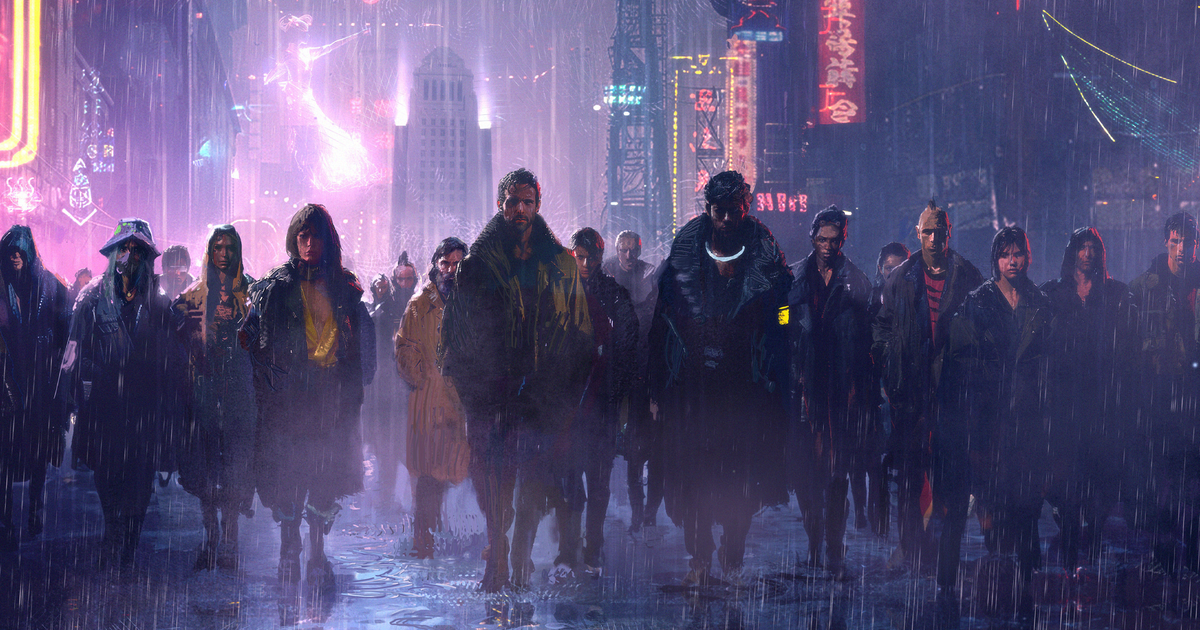
Now, with the advent of Replicant Rebellion, the narrative chronology of the tabletop game takes a dramatic turn. This expansion doesn’t just add new cases; it fundamentally alters the player’s allegiance and the very nature of their role in the world. By shifting focus from the LAPD to the Replicant Underground, Free League Publishing is not only expanding the game’s content but also offering a parallel, equally compelling narrative thread that runs through the established timeline, allowing players to explore the "other side" of the conflict that defines the Blade Runner universe. This chronological shift promises to unlock untold stories and perspectives, enriching the overall experience of the game.
Supporting Data: Deepening the Cyberpunk Dystopia and Free League’s Proven Track Record
The Blade Runner franchise is celebrated for more than just its compelling narratives; it is a foundational pillar of the cyberpunk genre. This subgenre of science fiction is characterized by its "high tech, low life" ethos, depicting futures dominated by advanced technology, powerful megacorporations, and profound societal inequality. Blade Runner‘s grim vision of a near-future Los Angeles, perpetually shrouded in rain and smog, illuminated by towering neon advertisements, perfectly encapsulates this aesthetic. It’s a world where corporate giants like the Tyrell Corporation and Wallace Corporation wield unchecked power, and human life, particularly that of synthetic beings, is devalued and exploited.
Replicant Rebellion promises to amplify these core cyberpunk themes. By joining the Replicant Underground, players are directly confronting the corporate-governmental nexus that perpetuates the exploitation of Replicants. This means engaging in acts of industrial sabotage against Replicant manufacturers, disrupting supply chains that transport Replicants to off-world colonies, and exposing the corruption within the system. The expansion will likely lean heavily into stealth, infiltration, and information gathering, demanding players to outwit powerful adversaries with limited resources, a classic cyberpunk trope.
Philosophically, Blade Runner delves into profound questions about consciousness, memory, and what it means to be truly human. Replicants, despite their artificial origins, often exhibit emotions, desires, and a capacity for self-preservation that mirrors or even surpasses that of many humans in the story. The very existence of the Replicant Underground speaks to this inherent humanity – a collective drive for freedom and self-determination against a system that denies their personhood. The expansion’s emphasis on "balancing personal morality with the operations of the Replicant Underground" suggests that players will grapple with difficult ethical dilemmas. Is violence justifiable in the pursuit of liberation? What sacrifices are acceptable for the greater good of a species? These are the kinds of questions that elevate Blade Runner beyond mere action and into the realm of philosophical inquiry, and Replicant Rebellion is poised to explore them directly.
Free League Publishing’s track record lends significant weight to the anticipation surrounding this expansion. The studio is widely recognized for its high-quality production values, evocative artwork, and robust game design, often utilizing their acclaimed Year Zero Engine system (though specifics for Blade Runner RPG’s engine would be relevant here, it’s known for its narrative focus and stress mechanics). Their ability to translate complex intellectual properties into engaging tabletop experiences is evident in titles like the Alien Roleplaying Game, which successfully captured the horror and tension of the film franchise, and The One Ring RPG, which brought J.R.R. Tolkien’s Middle-earth to life with remarkable fidelity. This history suggests that Replicant Rebellion will be not only faithful to the Blade Runner lore but also innovative in its gameplay, offering mechanics that support the unique challenges and moral ambiguities of leading a resistance movement. Their approach to IP adaptation typically involves deep dives into the source material, collaborating with rights holders, and meticulously crafting scenarios that feel authentic while also expanding narrative possibilities. The success of their previous ventures provides a strong foundation for the quality expected from Replicant Rebellion.
The choice of Kickstarter as a launch platform is also strategic. Crowdfunding allows Free League to gauge community interest, involve fans directly in the development process, and unlock additional content through stretch goals. A successful campaign can fund more intricate artwork, expanded lore sections, additional scenarios, unique physical components, and even further supplementary materials that might not be feasible under traditional publishing models. For players, it means a more comprehensive and feature-rich product, shaped in part by the collective enthusiasm of the fan base.
Official Responses: Voices from the Rebellion’s Heart
While specific quotes from Free League Publishing for the Replicant Rebellion expansion are not yet publicly available, the typical approach of the company suggests a clear vision for this narrative shift. It is highly probable that official statements will emphasize the expansion’s role in deepening the Blade Runner universe and offering an unparalleled player experience.
A hypothetical statement from Tomas Härenstam, CEO of Free League Publishing, might articulate the studio’s excitement: "The Blade Runner universe is a tapestry woven with profound ethical questions and gripping noir aesthetics. With Replicant Rebellion, we are incredibly excited to pull back the curtain on a side of this world that has largely been unseen by players – the courageous struggle of the Replicant Underground. This expansion is not just about new missions; it’s about a complete recontextualization of the player’s role, challenging them to consider freedom, identity, and justice from the perspective of the hunted, not the hunter. We believe this will offer an incredibly rich and emotionally resonant experience for fans of the RPG and the films."
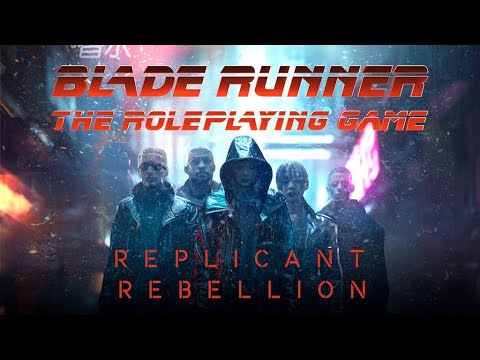
Further insights from a Lead Designer for the Blade Runner RPG, could elaborate on the gameplay philosophy: "Designing Replicant Rebellion has been an invigorating challenge. We’ve focused on creating mechanics that highlight the high stakes of clandestine operations, the difficult moral choices that come with rebellion, and the incredible bond that forms between crew members fighting for a shared cause. Players will find themselves navigating a dangerous tightrope, where every decision has profound consequences. From orchestrating daring heists to uncovering deep-seated corporate conspiracies, we want players to feel the weight and exhilaration of being at the forefront of a movement that could change the fate of an entire species."
The marketing language for the Kickstarter campaign itself will undoubtedly reflect this ethos, aiming to galvanize support from the community. Expect phrases such as: "Are you ready to abandon your badge and join the fight for freedom?", "Forge your own destiny in the heart of the Replicant Underground," and "Experience the Blade Runner universe from a thrilling new perspective, where every choice could spark a revolution." These statements are designed to appeal directly to the player’s desire for agency and ethical engagement within a beloved, yet often morally ambiguous, fictional world. The absence of specific official responses at this stage only builds anticipation for the full reveal on May 28th.
Implications: Reshaping the Narrative and Broadening Horizons
The release of Replicant Rebellion carries significant implications, not only for Blade Runner: The Roleplaying Game itself but also for the broader understanding and future interpretations of the Blade Runner intellectual property. By offering players the opportunity to embody members of the Replicant Underground, Free League Publishing is effectively broadening the narrative scope of the IP in a profound way.
Firstly, it allows for an unprecedented exploration of Replicant culture and resistance movements, which are largely glimpsed or hinted at in the films but never fully fleshed out. While Blade Runner 2049 touches upon Replicant rebellion through characters like Freysa and the burgeoning movement, Replicant Rebellion places players directly within the heart of such an organization. This could lead to the development of rich lore detailing Replicant safe houses, communication networks, internal factions, and strategies for survival and defiance against overwhelming human power. This new perspective enriches the universe by adding depth and nuance to the "other side" of the Blade Runner conflict.
Secondly, this shift has a considerable impact on the tabletop RPG community. It will undoubtedly attract a new segment of players who might have been hesitant to engage with the Blade Runner RPG if it exclusively meant playing as an enforcer of an oppressive system. For many, the philosophical draw of Blade Runner lies in its sympathy for the Replicants, and Replicant Rebellion provides a direct avenue to embody that sympathy through gameplay. For veteran players of the core game, it offers a fresh, challenging, and morally complex continuation of their experience, allowing them to revisit familiar locations and themes from a radically different viewpoint. This expansion reinforces the growing trend of successful licensed IPs in the TTRPG market, demonstrating that thoughtful adaptation can not only preserve but also expand upon the original material.
Furthermore, the themes explored in Replicant Rebellion resonate deeply with contemporary societal discussions. The questions of artificial intelligence rights, corporate overreach, systemic injustice, and the ethics of rebellion against an oppressive system are more relevant today than ever before. TTRPGs, as a medium, excel at providing a safe yet profound space for players to explore complex ethical dilemmas and engage with challenging social commentaries. By confronting these issues head-on, Replicant Rebellion transcends mere entertainment, becoming a tool for critical thinking and empathetic engagement with timely subjects.
Looking ahead, the success of Replicant Rebellion could pave the way for further expansions that explore other facets of the Blade Runner universe beyond the confines of Los Angeles. Could players eventually venture to the off-world colonies, the very places Replicants were created to serve, to foment rebellion there? Could future modules delve into the origins of different Replicant models, or the history of the human corporations that control their existence? The potential for community-generated content, inspired by this bold new direction, is also immense, as players create their own stories and scenarios within the framework of a burgeoning Replicant liberation movement.
In essence, Replicant Rebellion is more than just an expansion; it’s a statement. It declares that the Blade Runner universe is vast enough to contain multiple, equally compelling narratives, and that the fight for freedom, even for synthetic life, is a story worth telling from the inside out. As the Kickstarter campaign approaches, fans worldwide await the opportunity to join the ranks of the Replicant Underground and etch their own legend into the rain-swept annals of a dystopian future.