"Collect!": A Deep Dive into CMON’s Accessible Card Game Phenomenon
FOR IMMEDIATE RELEASE
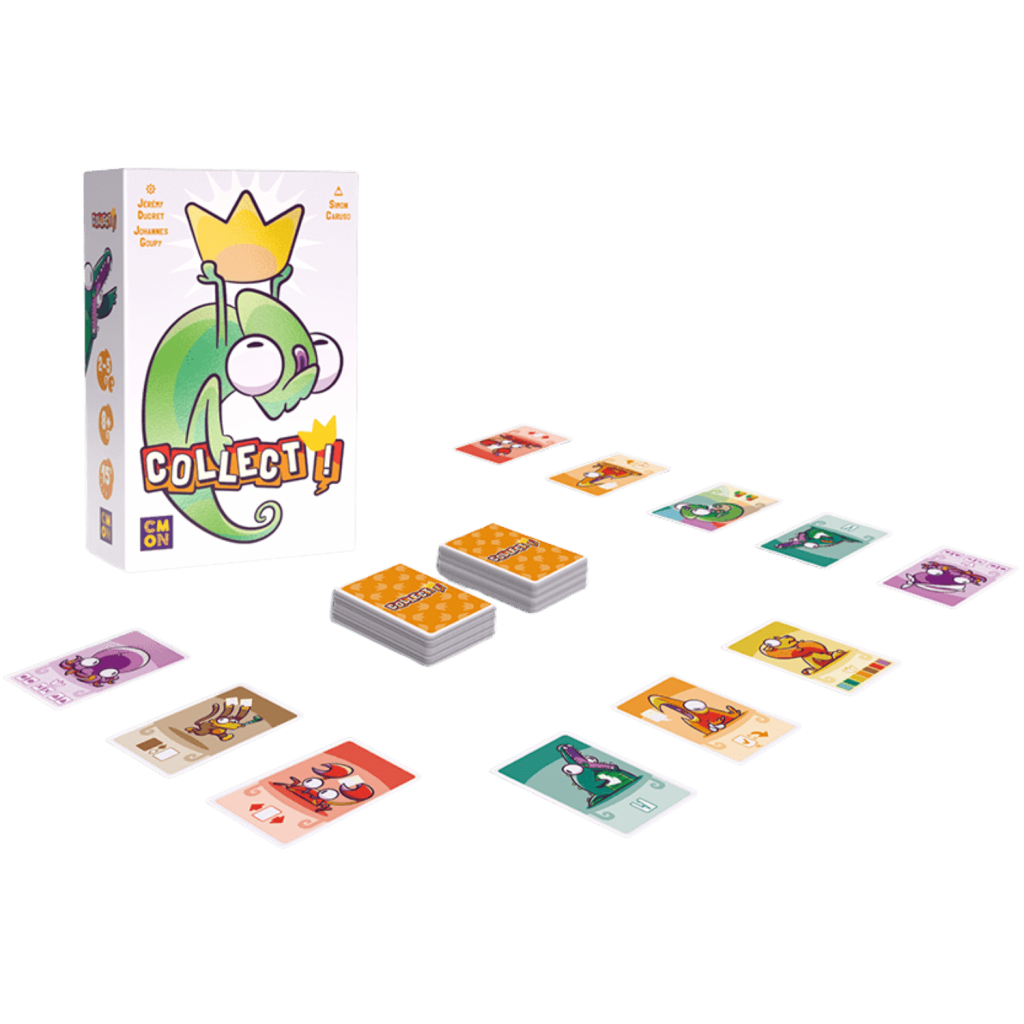
London, UK – [Insert Current Date] – In an increasingly complex world of tabletop gaming, where sprawling rulebooks and intricate mechanics often dominate the landscape, a refreshing simplicity can be a rare and cherished commodity. Enter Collect!, the latest offering from renowned publisher CMON, which promises an antidote to rules fatigue with its straightforward yet surprisingly engaging gameplay. Designed by Jérémy Ducret and Johannes Goupy, this card-collecting game has quickly garnered attention for its accessibility, vibrant artwork, and a unique blend of casual fun with strategic "take that" moments.
The initial appeal of Collect! is undeniable for anyone who has endured the arduous task of teaching complex board games to a mixed group of players. Its core mechanics can be grasped in mere minutes, a significant advantage in fostering immediate engagement and minimizing downtime. But beyond its ease of entry, the critical question remains: does Collect! deliver on its promise of sustained enjoyment? This comprehensive review delves into the game’s mechanics, player experience, and broader implications for the family and party game genre.
Main Facts: The Essence of "Collect!"
Collect! is a fast-paced, card-driven game where 2 to 5 players, aged 8 and up, compete to gather specific sets of animal cards. The primary objective is to form a group of four adjacent matching animals in your personal row, but secondary win conditions involving diverse collections or pairs add layers of strategic depth. With an estimated play time of just 15-30 minutes and a retail price of approximately £14, Collect! positions itself as an ideal filler game, a gateway for new enthusiasts, or a light-hearted option for family gatherings. Published by CMON, a company typically associated with expansive, miniature-heavy titles, Collect! represents a deliberate foray into the more accessible card game market, showcasing a commitment to diverse gaming experiences. The game’s delightful, eye-catching artwork is a significant draw, contributing to its family-friendly appeal.
Deep Dive into Gameplay Mechanics: Simplicity with Substance
The genius of Collect! lies in its elegantly simple core loop, which belies the tactical decisions players are constantly making. Each turn presents a seemingly straightforward choice that quickly branches into a series of strategic considerations, enhanced by the unique abilities of its animal inhabitants.
The Art of the Draw and Placement: A Push-Your-Luck Dilemma
At the heart of Collect!‘s gameplay is a captivating draw mechanism. Players begin their turn by choosing a facedown card from one of two distinct decks. This initial choice is crucial, as it introduces an element of controlled risk. Do you opt for the deck that might contain the animal you desperately need, or the one you suspect your opponent is avoiding?
Upon revealing the chosen card, a pivotal decision point emerges: do you keep this animal, or risk discarding it to draw from the other deck? The catch is that if you choose to discard, you must take the top card from the alternative deck, regardless of whether it suits your immediate needs. This creates a compelling push-your-luck scenario. Players are constantly weighing the known quantity against the unknown, hoping for a better outcome but risking a worse one. It’s a psychological gamble that keeps players on the edge of their seats, adding tension to every turn.
Once a card is acquired, it must be added to either the far left or far right of the player’s personal row. This seemingly minor rule is strategically profound. Winning requires four adjacent animals of the same type. Therefore, every placement decision is critical, influencing not only your current collection but also your future options. Do you place a card to maintain adjacency, or do you spread out your collection, hoping to activate an animal’s special ability or set up a different win condition? This constant spatial puzzle ensures that even the simplest action has meaningful consequences. The rapid cycle of drawing and placing ensures that downtime is minimal, keeping all players engaged and anticipating their next opportunity to advance their collection or disrupt an opponent’s.
Animal Abilities: The Strategic Heartbeat
While the core draw-and-place mechanism provides a solid foundation, it is the distinctive abilities of the eight different animal cards that truly elevate Collect! from a simple set-collection game to a dynamic, interactive experience. These "magic abilities," as the original article charmingly puts it, imbue each animal with a unique tactical function, allowing players to manipulate their own rows or directly interfere with opponents’ plans. This interaction forms the "meat and potatoes" of the game, fostering a lively and sometimes mischievous atmosphere around the table.
Let’s explore some of the highlighted abilities:
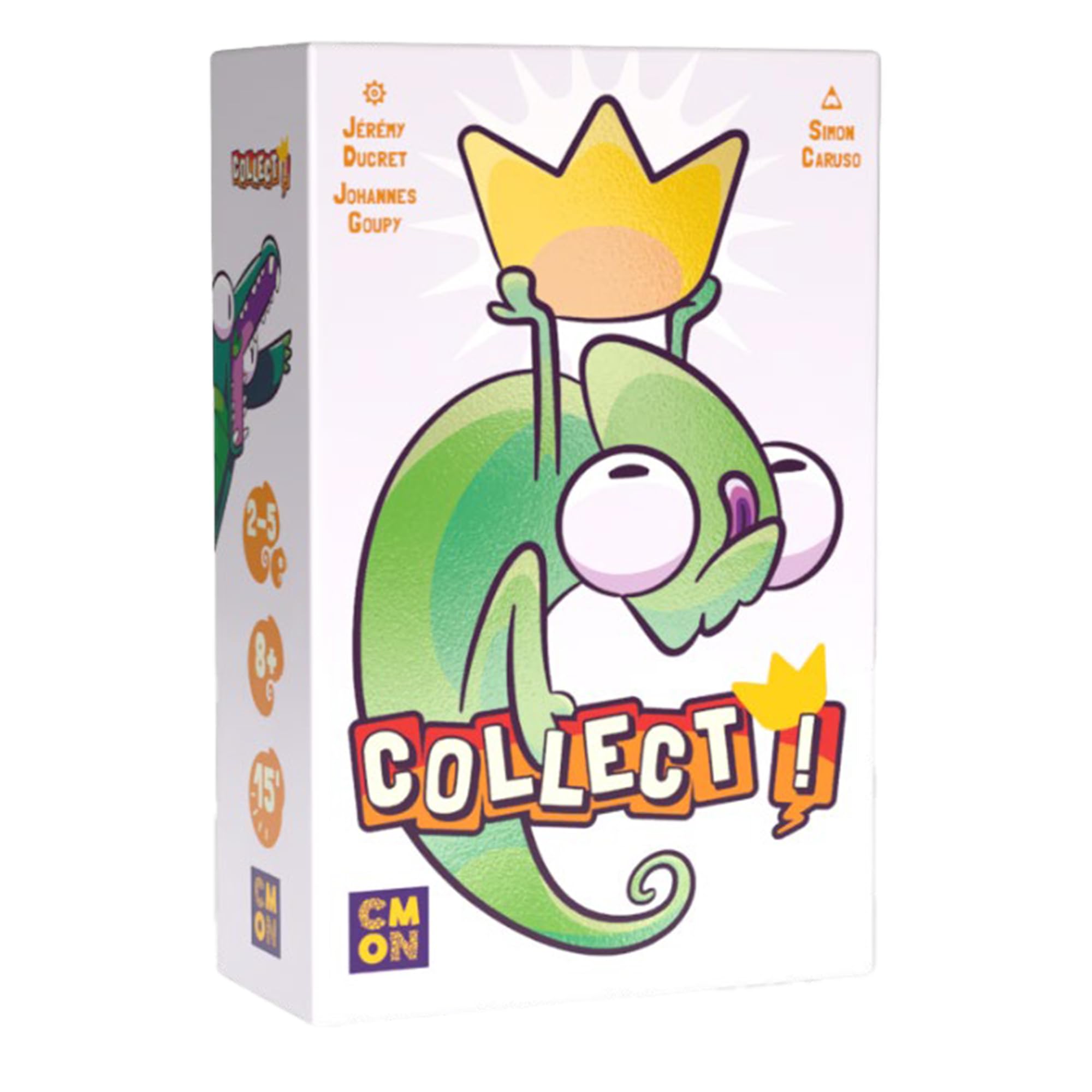
- The Crocodile: This fearsome reptile embodies the disruptive "take that" element of Collect! When played, the crocodile allows a player to discard a card from any player’s row, including their own. This ability can be devastating, capable of dismantling an opponent’s carefully constructed adjacent set or removing a critical card that was central to their strategy. The mere threat of a crocodile can force players to make suboptimal placements, wary of having their efforts undone. For players who relish direct interaction and strategic sabotage, the crocodile is a powerful tool.
- The Crab: In contrast to the crocodile’s destructive power, the crab offers flexibility and self-correction. Its ability allows a player to move a card left or right within their own row. This is invaluable for maintaining adjacency, shifting cards to make room for new additions, or adjusting a collection to meet a win condition. The crab provides a crucial tactical outlet, mitigating some of the randomness of the draw by allowing players to optimize their current hand. It’s a subtle but powerful utility, rewarding thoughtful planning.
- The Monkey: The monkey’s ability to swap itself with any card already in play (either in your row or an opponent’s) introduces a layer of advanced tactical manipulation. This can be used defensively to protect a key animal in your row, offensively to snatch a crucial card from an opponent, or simply to reconfigure your adjacency for an immediate win. The monkey’s versatility makes it a highly coveted card, capable of turning the tide of a round in an instant.
These abilities, and presumably the five others not explicitly detailed, transform each card acquisition into a tactical decision beyond mere collection. Players are not just passively gathering; they are actively shaping the game state, reacting to opponents’ moves, and executing their own multi-layered strategies. The dynamic interplay of these powers ensures that no two games of Collect! feel exactly alike.
Unconventional Victories: Lions, Octopuses, and Beyond
While the primary objective of gathering four adjacent matching animals is straightforward, Collect! wisely incorporates alternative win conditions through specific animal cards: the Lion and the Octopus. These secondary objectives are not merely variants; they are fundamental design choices that inject significant depth and replayability into the game, preventing it from becoming a one-dimensional race.
- The Lion: Possessing a lion card in your row allows you to win the round by collecting seven different animals. This dramatically shifts the focus from adjacency to diversity. Suddenly, cards that might have seemed useless for your primary goal become highly valuable. Players with a lion in play might start collecting unique animals, even if they can’t form adjacent sets, creating a parallel strategy that opponents must monitor.
- The Octopus: Similarly, an octopus card enables a player to win by having three different pairs of animals anywhere in their row. This condition encourages a different kind of set collection, where quantity and variety of pairs become paramount.
The introduction of these alternative win conditions serves several crucial purposes. Firstly, they provide "back-up opportunities" for victory, as the original article notes. If a player is struggling with the adjacency goal due to bad draws or aggressive "take that" plays from opponents, the Lion or Octopus can offer a viable alternative path to victory. This mitigates some of the frustration associated with luck-dependent draws, giving players agency even when their primary strategy falters.
Secondly, and perhaps most importantly, these conditions introduce a powerful element of surprise and strategic complexity. As the reviewer Rob Burman recounts, being "regularly blindsided by someone who appeared to be out of a round, only for them to add an octopus to their row and win from nowhere!" is a common and exciting occurrence. This means players must not only track their own progress but also carefully observe opponents’ rows for potential secondary wins. The game becomes a multi-faceted puzzle, where victory can emerge from unexpected angles, keeping all participants engaged and guessing until the very end. It transforms Collect! from a simple race into a more nuanced game of observation, adaptation, and opportune plays.
The Player Experience and Design Philosophy
Collect! thrives on a deliberate design philosophy that prioritizes quick, engaging interactions over deep, complex strategy. This approach creates a specific player experience, shaped by the interplay of luck, direct interaction, and appealing aesthetics.
Luck vs. Skill: A Delicate Balance
As with many card games, luck undeniably plays a significant factor in Collect! The random draw from the two decks means players are often "at the mercy of the draw," as Rob Burman rightly points out. Sometimes, the cards you need simply won’t appear, or the options presented will be less than ideal. This inherent randomness is a characteristic feature of many light card games, contributing to their accessibility and replayability by ensuring different outcomes each time.
However, the game is not entirely devoid of skill or mitigation. The initial choice of which deck to draw from, and the subsequent decision to keep or discard, offers a crucial layer of player agency. This "push-your-luck" mechanism allows for tactical decisions that can slightly influence the odds. Furthermore, the quick play time is a masterful design choice to counter potential frustration. If a round is lost due to an unfortunate draw, the next round begins so swiftly that any annoyance is fleeting. This ensures that the game remains light and fun, rather than becoming bogged down by persistent bad luck. For a family or party game, striking this balance between rewarding smart choices and keeping things light and moving is crucial. Collect! manages to hit this sweet spot, ensuring that while luck can be a factor, it rarely feels unfair or game-breaking in the long run.
The "Take That" Element: A Double-Edged Sword
The direct interaction inherent in many animal abilities, particularly the crocodile’s disruptive power, places Collect! firmly in the "take that" genre. This means players can directly impact and hinder their opponents’ progress. The review openly acknowledges this, stating, "you can be on the verge of winning, only for someone to draw a crocodile and force you to discard one of your precious crabs." This description perfectly encapsulates the two polar reactions this mechanic typically elicits.
For some players, these "gotcha" moments are the very essence of fun. They enjoy the playful rivalry, the strategic opportunities to disrupt, and the thrill of turning the tables on an opponent. It fosters a lively, sometimes boisterous atmosphere, encouraging banter and laughter around the table. For these players, Collect! is an absolute delight, offering ample opportunities for clever counter-plays and satisfying moments of strategic disruption.
Conversely, for players who prefer less direct confrontation, or who are easily frustrated by having their plans undone, the "take that" element can be a source of annoyance. It can feel like progress is arbitrary if a well-laid plan can be instantly derailed by a single card. The review is commendably upfront about this, advising potential players: "If you’re going to get easily frustrated by having your animal collecting plans ruined, then it’s probably best to steer clear." This honest assessment helps players self-select, ensuring that those who pick up Collect! are likely to be those who will genuinely enjoy its interactive nature. For a family game, understanding this dynamic is important, as it influences whether the game will be a source of shared joy or potential squabbles.
Aesthetic Appeal: More Than Just Cards
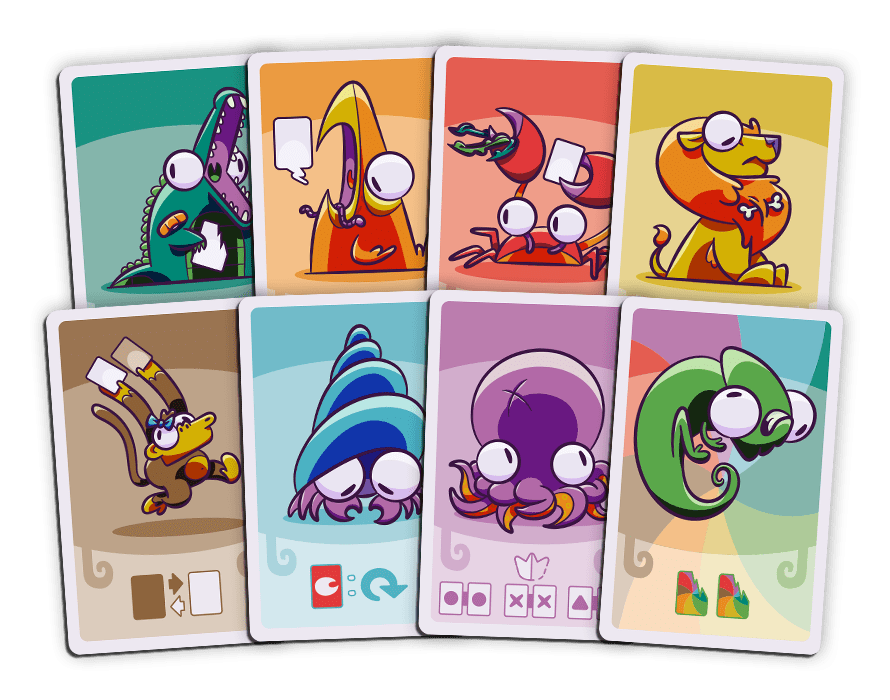
Beyond its mechanics, Collect! benefits significantly from its "delightful, eye-catching artwork." In the competitive world of tabletop gaming, visual presentation is paramount, especially for games targeting a broad audience including families. The quality of the illustrations on the animal cards likely contributes immensely to the game’s charm and immediate appeal.
High-quality artwork not only enhances immersion but also makes the game more inviting and easier to distinguish between different animals and their abilities. For younger players, vibrant and engaging visuals can be a key factor in holding their attention and making the game more memorable. CMON, known for its lavish production values in its larger titles, appears to have brought a similar commitment to artistic quality even in this more compact card game. This attention to detail elevates the overall player experience, making Collect! not just a game to play, but also a pleasure to look at and interact with.
Comparative Analysis and Market Position
Collect! enters a crowded market of light card games, but its blend of simple rules, interactive mechanics, and diverse win conditions allows it to carve out a distinct niche.
Drawing Parallels: Collect! vs. Sea Salt & Paper
The review draws a direct comparison between Collect! and Sea Salt & Paper, a critically acclaimed card game known for its elegance and engaging gameplay. This comparison is particularly insightful, as both games share thematic elements (crabs, octopuses), core mechanics (set collecting), and a propensity for "gotcha" moments.
However, the key differentiator highlighted is Collect!’s even greater straightforwardness. While Sea Salt & Paper offers nuanced decisions and subtle depth, Collect! appears to streamline the experience further, making it potentially more accessible to absolute beginners or those seeking a truly effortless game. This isn’t to say Collect! lacks depth; rather, its depth emerges from the immediate tactical decisions presented by animal abilities and alternative win conditions, rather than from intricate scoring or multi-turn strategic planning.
This positioning is crucial for Collect! It doesn’t aim to out-strategize its peers but rather to offer a quicker, more direct, and arguably more interactive experience. For players who appreciate the core elements of games like Sea Salt & Paper but desire an even faster, more streamlined play, Collect! presents itself as an excellent alternative or complementary title. Its distinct identity ensures it can stand alongside, rather than merely compete with, other popular light card games in the market.
Publisher and Designer Context
The success and market positioning of Collect! are also shaped by the entities behind its creation.
CMON’s Vision: Bringing Collect! to the Table
CMON (CoolMiniOrNot) is a publishing powerhouse renowned for its visually stunning, often miniature-heavy board games like Zombicide, Blood Rage, and Rising Sun. These titles typically feature intricate mechanics, extensive components, and cater to a hobbyist audience. The decision for CMON to publish Collect! is therefore noteworthy. It signals a strategic diversification, showcasing the publisher’s intent to reach a broader market beyond its core enthusiast base.
By backing a game like Collect!, CMON demonstrates an understanding of the demand for accessible, family-friendly titles that can serve as entry points into the hobby. This move could introduce the CMON brand to a new demographic of casual gamers, potentially fostering future engagement with their more complex offerings. It also speaks to CMON’s commitment to quality across different game categories, ensuring that even their simpler titles maintain high production values, including the "delightful, eye-catching artwork" highlighted in the review.
The Minds Behind the Cards: Jérémy Ducret & Johannes Goupy
Jérémy Ducret and Johannes Goupy, the designers of Collect!, are relatively newer voices in the board game design landscape, but their collaboration on this title demonstrates a keen understanding of elegant game design. Crafting a game that is both easy to teach and provides meaningful decisions is a significant challenge. It requires distilling mechanics to their most essential forms while ensuring sufficient depth to maintain interest.

Their design philosophy for Collect! appears to focus on immediate impact and player interaction. By integrating animal abilities that directly affect the game state and offering multiple paths to victory, they have created a dynamic environment where players are constantly reacting and adapting. The simplicity of the core loop, combined with the strategic nuances of the animal powers, speaks to a thoughtful design process aimed at maximizing engagement within a short playtime. This balance is critical for a successful family and party game, and Ducret and Goupy seem to have achieved it adeptly with Collect!.
Final Verdict and Implications
Play it? Yes.
Collect! firmly earns its recommendation. For those who embrace a significant amount of luck and relish direct "gotcha" interactions, this game offers a genuinely fun, fast-paced, and accessible experience. Its straightforward rules make it an ideal choice for introducing new players to the hobby or for casual gatherings where complex rules are unwelcome. The delightful, eye-catching artwork further enhances its appeal, making it a visually inviting game for all ages.
Broader Implications for the Genre
Collect! makes a notable contribution to the family and party game genres. In a market often saturated with either overly simplistic children’s games or slightly more complex "gateway" games, Collect! strikes a commendable balance. It offers enough tactical depth through its animal abilities and alternative win conditions to keep experienced gamers engaged as a filler, while remaining perfectly accessible for younger players (8+) and those new to modern board gaming.
Its emphasis on direct player interaction, while divisive for some, ensures a lively table presence and memorable moments. This focus on engagement over passive play is a hallmark of successful party games. Furthermore, CMON’s involvement as publisher lends credibility and ensures high production quality, which is vital for a game’s longevity and market penetration.
Collect! stands as a testament to the idea that simplicity does not equate to lack of depth. It demonstrates how elegant design, combined with thoughtful mechanics and engaging presentation, can create a highly replayable and enjoyable experience. It reinforces the value of quick, impactful games in a diverse gaming landscape, proving that sometimes, the most rewarding experiences are found in the joy of the immediate, interactive "collecting" journey. As the tabletop gaming community continues to expand, games like Collect! are essential bridges, welcoming new players into a vibrant and ever-evolving hobby.
About Collect!
- Category: Family & Party
- Designers: Jérémy Ducret, Johannes Goupy
- Publisher: CMON
- Time to Play: 15-30 minutes
- Players: 2-5 Players
- Age: 8+
- RRP: £14
What’s in the Box?
- 64 Animal cards
- 3 Half crown tokens
- Full crown token
- Rules leaflet
Review by Rob Burman
(Affiliate Disclosure: Sometimes we may include links to online retailers, from which we might receive a commission if you make a purchase. Affiliate links do not influence editorial coverage and will only be used when covering relevant products.)