
Cosmic Dread Meets Cooperative Strategy: Unearthing the Enduring Appeal of Pandemic: Reign of Cthulhu
Main Facts
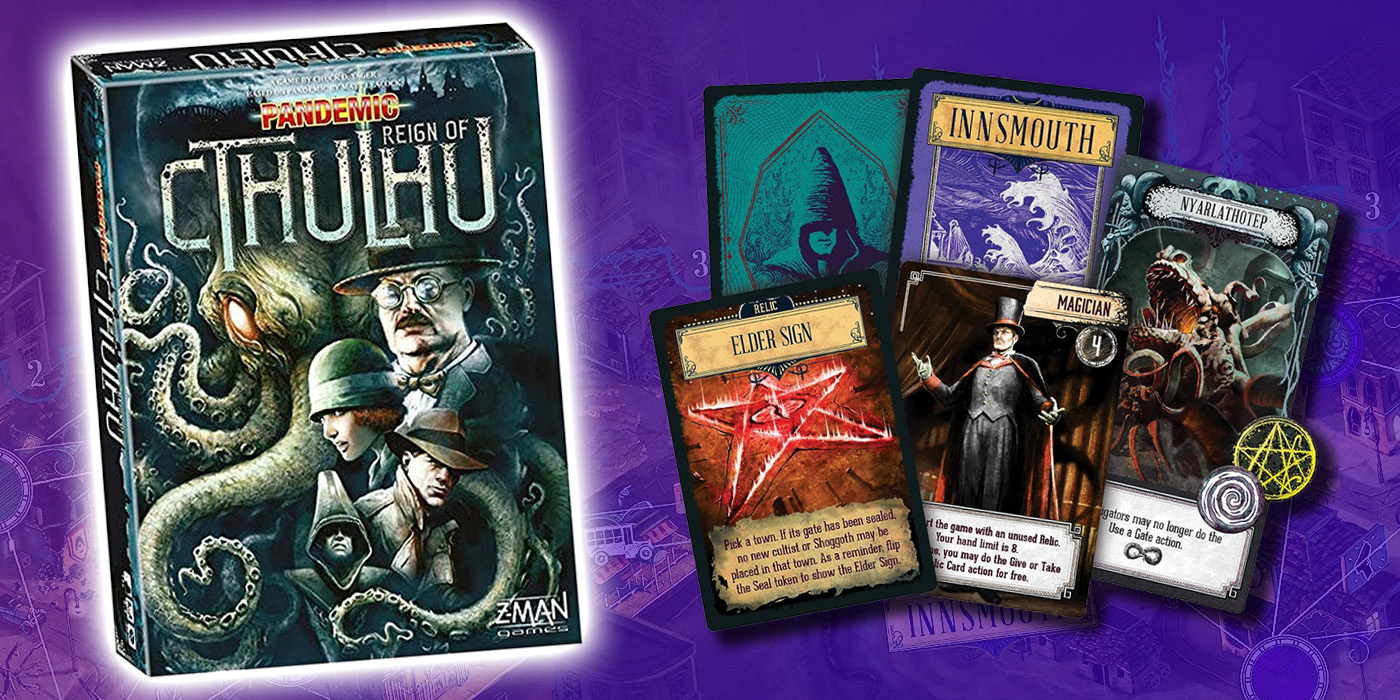
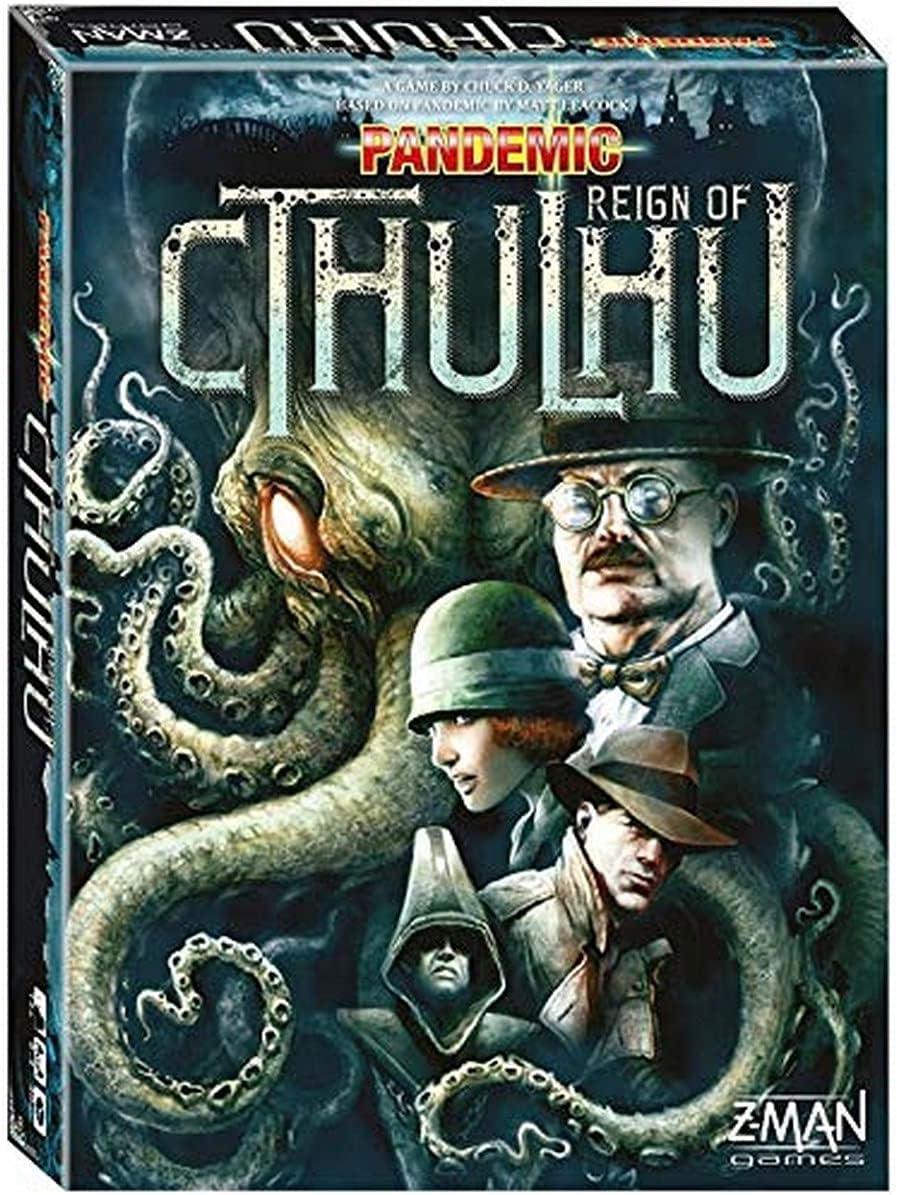
In a bold and critically acclaimed departure from its medical-themed origins, Z-Man Games’ Pandemic: Reign of Cthulhu plunges players into a world teetering on the brink of cosmic horror. This standalone title ingeniously reinterprets the beloved cooperative gameplay of the Pandemic system, tasking investigators with the daunting mission of preventing the awakening of 12 ancient, malevolent Old Ones and, in doing so, averting humanity’s ultimate demise. Far from being a mere reskin, Reign of Cthulhu has been lauded for its refined mechanics and immersive thematic integration, offering a gameplay experience that many enthusiasts argue surpasses that of the original Pandemic.
At its core, Pandemic: Reign of Cthulhu retains the cooperative essence that made its predecessor a global phenomenon: players work together, utilizing unique investigator abilities, to achieve specific objectives before a global catastrophe unfolds. However, the familiar viral outbreaks are replaced by cultist infestations and the terrifying manifestation of Shoggoths, while the threat of global infection is superseded by the creeping dread of insanity and the imminent rise of elder gods. The game introduces several innovative features designed to create a more dynamic and less predictable experience. Among these are a pool of 12 distinct Old Ones, only six of which are randomly selected for each game, ensuring varied challenges and high replayability. The map itself is more compact and interconnected, facilitating quicker movement through the use of walking, trains, and strategically placed portals. Perhaps most significantly, the introduction of a sanity track adds a crucial layer of thematic tension, forcing players to confront not only external horrors but also the internal erosion of their own minds. This blend of classic Pandemic strategy with the chilling lore of H.P. Lovecraft has cemented Reign of Cthulhu‘s reputation as a standout title within the expansive Pandemic universe.
The Evolution of a System: A Chronology of Pandemic
The journey of the Pandemic game system is a remarkable narrative of innovation, adaptation, and enduring popularity. What began as a singular, groundbreaking cooperative board game has blossomed into a diverse franchise, exploring myriad themes and mechanics while steadfastly maintaining its core identity.
Humble Beginnings and Global Impact
The original Pandemic, designed by Matt Leacock and first released by Z-Man Games in 2007, was a revelation in the board gaming world. At a time when competitive games dominated the market, Pandemic offered a refreshing alternative: players united against a common enemy, a rapidly spreading global disease. The game’s elegant design, combining strategic card play, role-specific abilities, and a relentless "game engine" that simulated outbreaks, quickly garnered critical acclaim and a massive following. Its success lay in its ability to generate tension, foster teamwork, and provide a challenging yet ultimately rewarding experience. Players took on roles like the Scientist, Medic, or Dispatcher, racing against time to discover cures for four deadly diseases before humanity succumbed. The game’s stark relevance became even more pronounced in the wake of real-world global health crises, lending an almost prescient quality to its themes. Pandemic wasn’t just a game; it was a cultural touchstone, demonstrating the power of cooperative design.
A Proliferation of Variants and Spin-offs
Following the immense success of the original, Z-Man Games began to explore the versatility of the Pandemic system, launching a series of expansions and standalone titles that pushed the boundaries of its mechanics and themes. This expansion strategy proved highly effective, allowing the franchise to appeal to a broader audience without diluting the core gameplay.
Early expansions like On the Brink and In the Lab introduced new roles, event cards, and game modes, deepening the strategic complexity and replayability of the base game. However, it was the standalone spin-offs that truly showcased the system’s adaptability. Titles like Pandemic: Legacy, a revolutionary campaign-based game that permanently altered the game board and rules over a series of sessions, redefined what a board game could be, earning widespread critical praise and numerous awards.
Beyond these direct descendants, the Pandemic system proved itself to be a robust framework for thematic reinvention. Pandemic: Hot Zone offered a quicker, more portable version of the game, perfect for shorter playtimes. Pandemic: Rapid Response introduced a real-time element, challenging players to roll dice and manage resources under extreme time pressure. The system even ventured into beloved fictional universes, with Star Wars: The Clone Wars adapting the cooperative disease-fighting mechanics to the galactic conflict between the Republic and Separatists, replacing pathogens with droid armies. These diverse iterations demonstrated Z-Man Games’ commitment to continually innovating within the established Pandemic framework, ensuring that the franchise remained fresh and engaging for its dedicated fanbase.
Embracing Cosmic Horror: The Genesis of Reign of Cthulhu
Amidst this flurry of innovation, the decision to transpose the Pandemic system into the chilling cosmic landscape of H.P. Lovecraft’s Cthulhu Mythos was a stroke of genius. While Pandemic had traditionally dealt with tangible, if devastating, biological threats, Pandemic: Reign of Cthulhu ventured into the realm of the intangible, the existential, and the truly terrifying. The shift from fighting viruses to battling ancient gods and their sanity-shredding minions offered a rich thematic tapestry for designers to weave new mechanics into.
The appeal of the Cthulhu Mythos lies in its profound sense of dread, its cosmic insignificance of humanity, and the fragile nature of the human mind when confronted with unimaginable horrors. This thematic foundation provided the perfect counterpoint to the cooperative heroism of Pandemic. Instead of merely curing diseases, players were now fighting a losing battle against forces beyond mortal comprehension, where even victory came at the cost of one’s sanity. This thematic synergy was not merely superficial; it informed every new mechanical addition, transforming the familiar Pandemic experience into something altogether more unnerving and compelling. The introduction of Reign of Cthulhu marked a significant turning point for the franchise, demonstrating its capacity to transcend its origins and explore entirely new genres with profound success.
Supporting Data: Deep Dive into Gameplay Mechanics and Thematic Integration
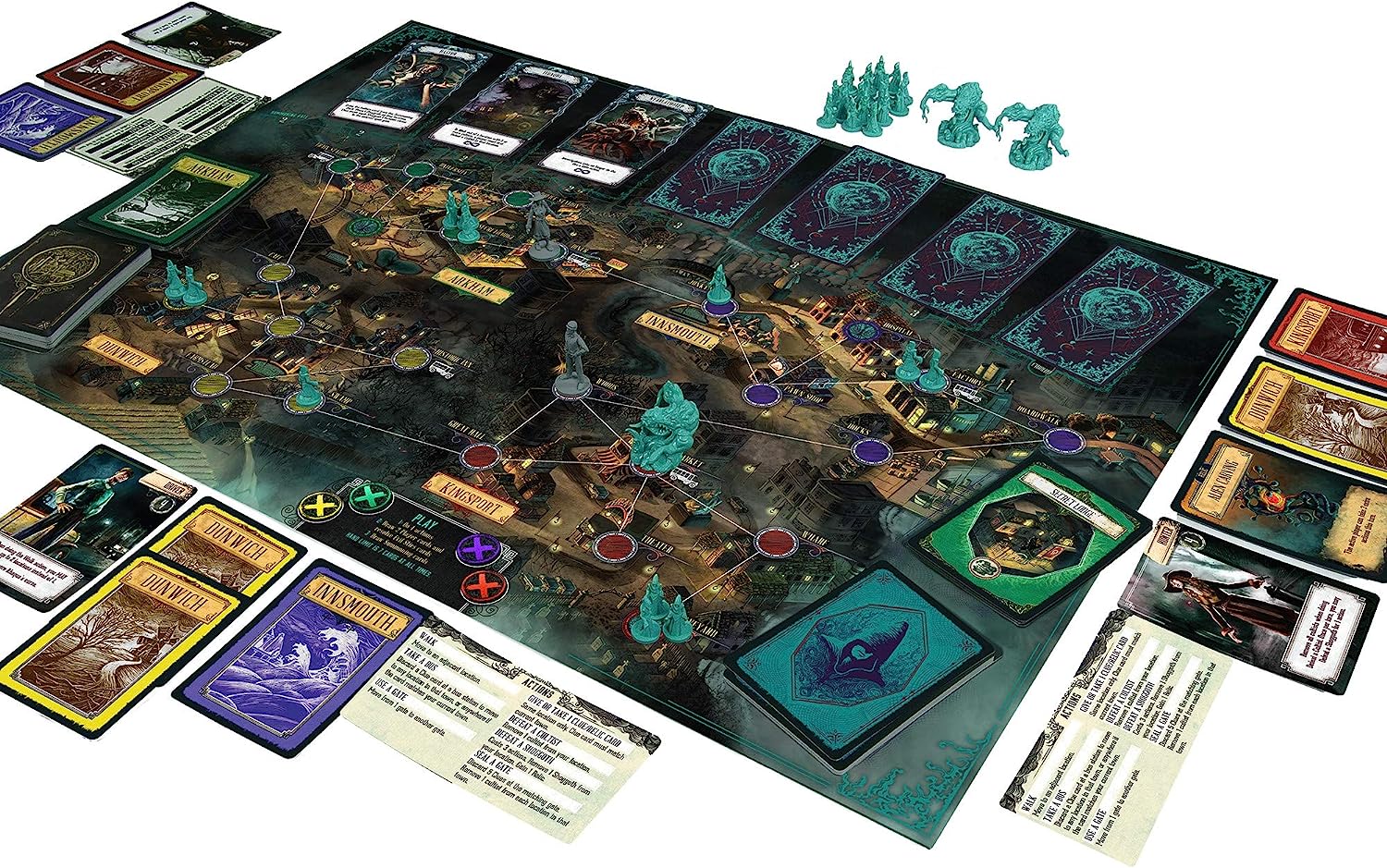
Pandemic: Reign of Cthulhu distinguishes itself not just through its captivating theme but also through a series of thoughtful mechanical adjustments and additions that elevate the gameplay experience. These innovations address common criticisms of the base Pandemic while seamlessly integrating the chilling elements of the Lovecraftian universe.
The Looming Threat of the Old Ones
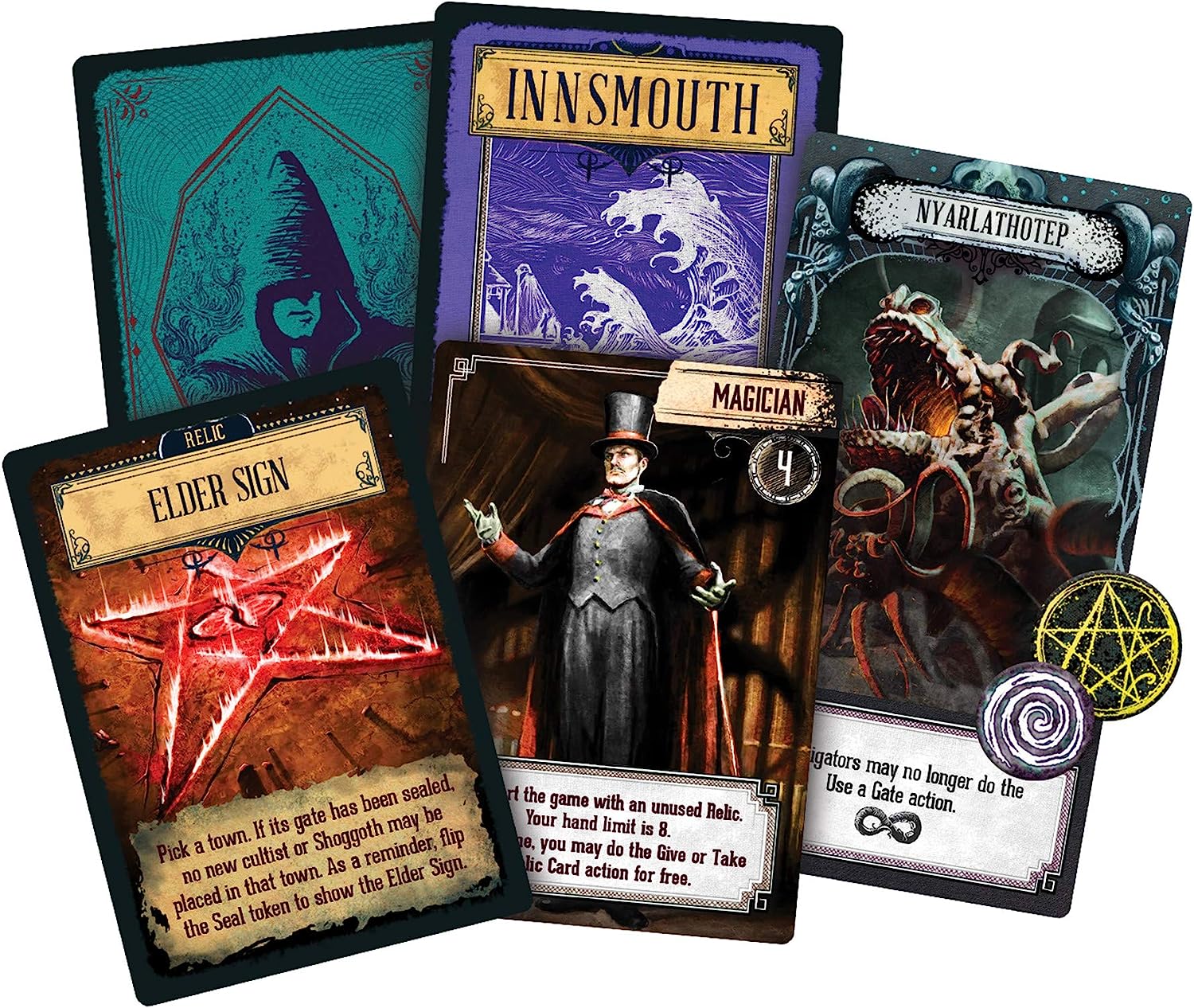
Central to the dynamic replayability of Reign of Cthulhu is the roster of 12 formidable Old Ones. Unlike the fixed pathogens of the original Pandemic, these cosmic entities introduce a layer of unpredictability and strategic variability that keeps each game fresh. At the start of every session, only six Old Ones are randomly selected to participate, ensuring that no two games feel exactly alike. As the game progresses and cultist activity intensifies, these Old Ones begin to awaken, one by one. Each awakened Old One unleashes a unique, often devastating, global effect that fundamentally alters the game state.
For instance, one Old One might reduce the hand limit for all investigators, making it harder to collect the necessary clues to seal gates. Another might cause cultists to spawn at an accelerated rate, overwhelming the board. Yet another could force investigators to immediately lose sanity upon entering specific locations or when certain conditions are met. This ever-present threat of a new, game-altering rule keeps players on their toes, forcing them to adapt their strategies dynamically. The varying combinations of Old Ones create diverse strategic puzzles, demanding that investigators prioritize different threats and coordinate their actions with precision, all while grappling with the creeping realization that humanity is merely a plaything in the hands of these ancient beings. This mechanic brilliantly encapsulates the existential dread of the Cthulhu Mythos, where unknown horrors lurk just beyond the veil of perception.
Navigating the Corrupted Landscape
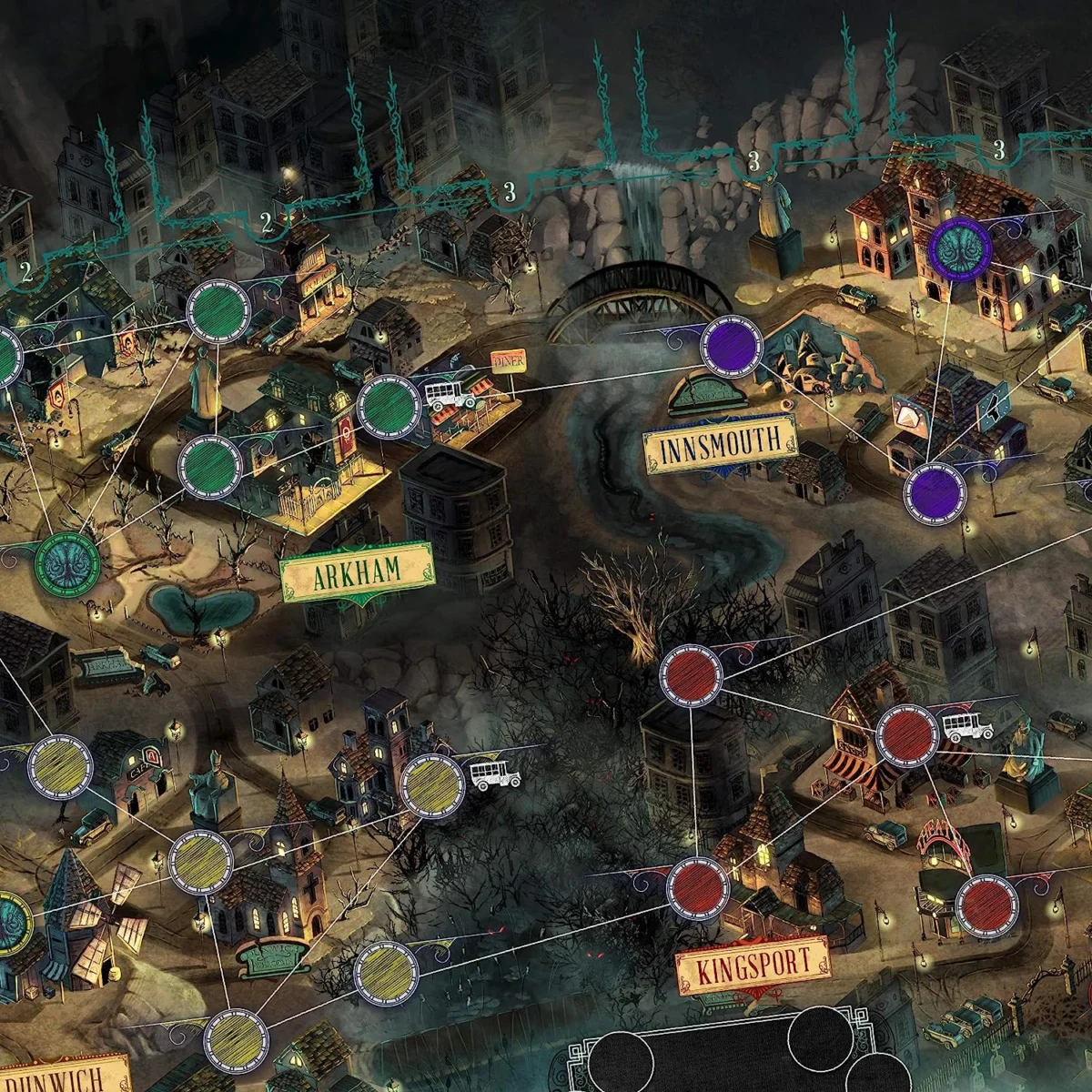
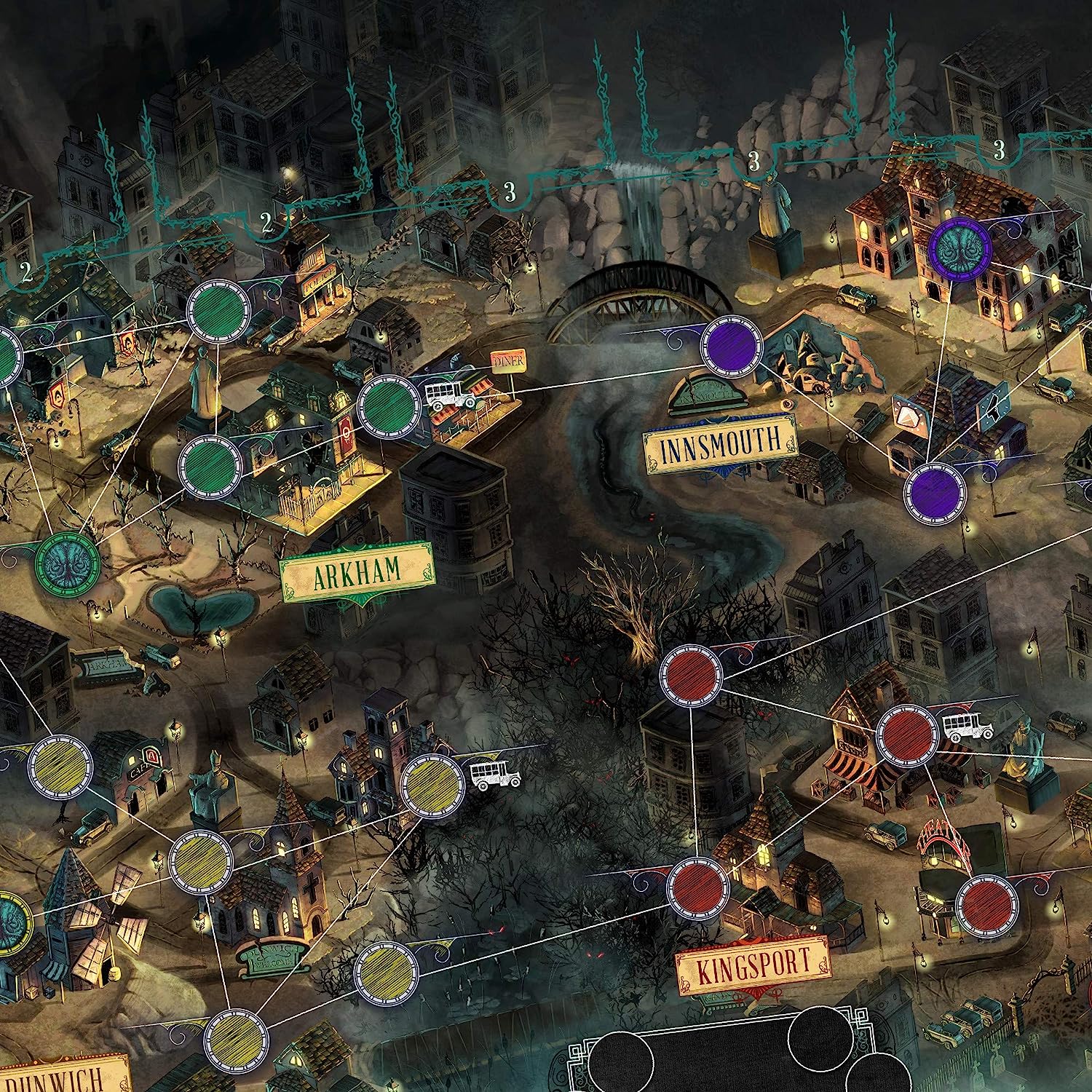
One of the often-cited frustrations in the original Pandemic was the perceived rigidity of movement options, which could sometimes lead to investigators feeling isolated or unable to reach critical locations efficiently. Reign of Cthulhu thoughtfully addresses this with a significantly smaller, more interconnected map, comprising distinct locations within iconic Lovecraftian settings like Arkham, Innsmouth, and Dunwich.
Movement is streamlined and made more fluid, offering investigators multiple avenues for traversal. Players can simply walk between adjacent locations, a basic but essential action. For longer distances, they can utilize the train lines connecting various regions, providing a faster means of transport. However, the most thematic and strategically impactful movement option is the use of portals. These otherworldly gateways, which open and close throughout the game, allow for instantaneous travel to distant parts of the board. The strategic placement and fluctuating availability of these portals transform movement from a potential bottleneck into a dynamic element of gameplay, enabling more agile responses to emerging threats. This enhanced mobility not only alleviates frustration but also fosters a greater sense of urgency and strategic depth, as players can quickly converge on hot zones or spread out to tackle multiple problems simultaneously, provided they manage the risks.
The Madness Within: Insanity and Shoggoths
Perhaps the most thematically resonant and impactful new mechanic in Reign of Cthulhu is the introduction of sanity. In true Lovecraftian fashion, confronting unspeakable horrors comes at a profound psychological cost. Throughout the game, investigators will lose sanity points due to various events: encountering Shoggoths, witnessing cultist rituals, or even the awakening of an Old One. Each investigator has a personal sanity track, and as they descend into madness, their abilities become impaired.
Unlike traditional player elimination, which can be frustrating, Reign of Cthulhu allows "mad" investigators to continue playing, albeit at a much-reduced capacity. For example, a mad investigator might be limited in the number of actions they can take, be unable to use certain special abilities, or suffer penalties to their dice rolls. This nuanced approach maintains player engagement while effectively communicating the insidious nature of cosmic horror. However, the ultimate horror lurks: if all investigators succumb to insanity simultaneously, humanity is lost, and the game ends in a crushing defeat. This shared vulnerability to madness creates intense pressure and forces players to carefully manage their psychological well-being alongside the more tangible threats.
Adding to this psychological strain are the Shoggoths. These amorphous, terrifying creatures spawn on the board and relentlessly pursue investigators. Their primary threat isn’t direct combat (though they do contribute to cultist spread); rather, it’s their ability to rapidly deplete investigators’ sanity. Encountering a Shoggoth or being in a location with one is a swift path to madness, forcing players to make difficult choices: confront the horror and risk their minds, or retreat and allow the cultists to proliferate. Shoggoths are a brilliant embodiment of the Lovecraftian idea that some threats are best avoided, for merely gazing upon them can shatter the human psyche.
Streamlined for Engagement
While the core Pandemic loop of collecting cards, treating threats, and discovering cures (here, sealing gates) remains, Reign of Cthulhu subtly streamlines other aspects to ensure a more fluid and less "solved" experience. The game’s emphasis shifts from the detailed eradication of diseases to the desperate containment of cultist influence and the sealing of gates before the Old Ones fully awaken. Some of the more complex disease-specific rules or intricate outbreak chains from the original Pandemic might be simplified or recontextualized to focus on the immediate, overwhelming threat of the Mythos.
This streamlined approach, combined with the dynamic Old Ones and the ever-present threat of insanity, prevents Reign of Cthulhu from falling into the "solved game" trap that some players felt the original Pandemic eventually succumbed to. Each playthrough feels genuinely distinct, demanding fresh strategies and adaptive thinking rather than the rote application of established optimal moves. The tighter map, varied movement, and new threats ensure that the game remains challenging and engaging, even after multiple plays.
Art and Atmosphere
Beyond its mechanical innovations, Pandemic: Reign of Cthulhu excels in its aesthetic presentation. The artwork throughout the game—from the investigator cards and Old One illustrations to the board itself—is steeped in the gothic, eerie style characteristic of the Cthulhu Mythos. The muted color palettes, unsettling imagery of cultists and Shoggoths, and the haunting depictions of the Old Ones perfectly convey the game’s oppressive atmosphere. The component quality, typical of Z-Man Games, is high, with evocative plastic miniatures for investigators, cultists, and Shoggoths, enhancing the tactile experience. This meticulous attention to visual detail and thematic consistency ensures that players are fully immersed in the terrifying world they are trying to save, making every decision feel weighty and every encounter with the Mythos a chilling experience.
Official Responses and Developer Insights
While direct quotes from Z-Man Games’ development team regarding Pandemic: Reign of Cthulhu are not provided in the original text, the design philosophy behind this particular spin-off can be inferred from its successful execution and reception. Z-Man Games, as a publisher, has demonstrated a clear strategy in expanding the Pandemic brand: to take a proven, beloved game system and creatively adapt it to new themes and challenges, thereby appealing to diverse segments of the board gaming community.
The decision to pair Pandemic with the Cthulhu Mythos was likely driven by several key factors. Firstly, the Cthulhu Mythos is a perennially popular theme in tabletop gaming, known for its rich lore, distinct aesthetic, and inherent sense of dread, which naturally lends itself to cooperative survival scenarios. Secondly, the design team likely recognized the need to inject fresh energy into the Pandemic system. After numerous expansions and spin-offs, there was a risk of the original Pandemic‘s mechanics feeling overly familiar or, as the article suggests, "solved" by veteran players. Reign of Cthulhu serves as a powerful antidote to this, offering a refined experience that retains the core appeal while introducing meaningful new complexities.
The developers’ goals for Reign of Cthulhu appear to have been multifaceted:
- Addressing Criticisms: The streamlined movement and the dynamic nature of the Old Ones likely aimed to tackle issues of perceived predictability or slow movement that some players associated with the base game.
- Enhancing Thematic Immersion: The introduction of Shoggoths and the sanity mechanic are not just arbitrary additions; they are deeply rooted in Lovecraftian lore, ensuring that the theme is not merely a coat of paint but an integral part of the gameplay. This commitment to thematic fidelity creates a more engaging and memorable experience.
- Broadening Appeal: By venturing into cosmic horror, Z-Man Games tapped into a new demographic of players who might be drawn to the theme even if they hadn’t previously engaged with Pandemic‘s medical setting. This cross-pollination of themes and mechanics is a hallmark of successful franchise expansion.
- Refining Core Mechanics: The claim that Reign of Cthulhu is "simply better than the base game" suggests a conscious effort to take the foundational strengths of Pandemic and iterate upon them, removing elements that might have contributed to stagnation and introducing new ones that foster fluidity and replayability.
In essence, Pandemic: Reign of Cthulhu represents Z-Man Games’ strategic acumen in evolving a successful intellectual property. It’s a testament to their understanding of both the game system’s versatility and the desires of the modern board game market for thematic depth, mechanical innovation, and enduring replay value.
Implications: The Future of Cooperative Gaming and Thematic Adaptation
Pandemic: Reign of Cthulhu stands as a significant milestone, not only for the Pandemic franchise but for the broader landscape of cooperative board gaming and thematic adaptation. Its success carries several important implications for the industry.
Redefining the Cooperative Experience
The game demonstrates that cooperative board games can continually evolve, offering new layers of challenge and immersion without abandoning their foundational principles. By introducing dynamic threats (Old Ones), a profound psychological element (insanity), and streamlined movement, Reign of Cthulhu pushes the boundaries of what players can expect from a cooperative title. It proves that replayability isn’t solely about randomized setup but also about varying the core challenges and the psychological stakes involved. This encourages other designers to explore more sophisticated ways of engaging players collaboratively, moving beyond simple objective completion to encompass more nuanced thematic and emotional journeys. The idea of "playing while mad" instead of being eliminated is particularly innovative, ensuring that all players remain active participants throughout the entire game, even in defeat.
The Power of Thematic Reinvention
Reign of Cthulhu is a powerful testament to the transformative potential of thematic reinvention. It showcases how a well-established game engine can be successfully transplanted into an entirely different narrative universe, resulting in a product that feels fresh, distinct, and deeply integrated. This success highlights the importance of choosing themes that naturally align with the core mechanics, allowing for organic development of new rules rather than superficial changes. For publishers, it reinforces the value of exploring diverse intellectual properties and themes to extend the life and appeal of their flagship systems. The game proves that when executed thoughtfully, thematic adaptation can broaden a game’s audience and deepen its resonance, demonstrating that a strong mechanical framework can truly be universal.
Enduring Appeal and Market Position
In a crowded board game market, Pandemic: Reign of Cthulhu carves out a unique niche. It appeals simultaneously to fans of the original Pandemic seeking a fresh challenge, aficionados of the Cthulhu Mythos desiring a cooperative experience, and general board game enthusiasts looking for a highly replayable and atmospheric title. Its position as a "better" version for many players suggests a potential shift in player preference towards more thematic depth and dynamic variability in their cooperative experiences. It competes not just within the Pandemic universe but also against other prominent Lovecraftian games and cooperative titles, often emerging as a preferred choice due to its refined mechanics and compelling narrative. Its enduring popularity years after its release underscores its success in striking this delicate balance.
A New Chapter for Pandemic
Ultimately, Pandemic: Reign of Cthulhu is more than just another spin-off; it represents a mature and refined iteration of the Pandemic system. It demonstrates the franchise’s capacity for growth and innovation, setting a high bar for future standalone titles. By proving that the system can transcend its original theme and embrace entirely new genres with such success, Reign of Cthulhu ensures that the Pandemic legacy will continue to evolve, offering ever more diverse and compelling cooperative adventures for years to come. It’s a clear indicator that Z-Man Games is committed not just to maintaining a successful brand but to continually pushing the boundaries of what that brand can achieve, ensuring that the fight against impending doom, whether viral or cosmic, remains a thrilling and strategic endeavor.



Leave a Comment