
Embracing the Tactile: National Stationery Week Celebrates the Enduring Appeal of Pen and Paper in a Digital Age
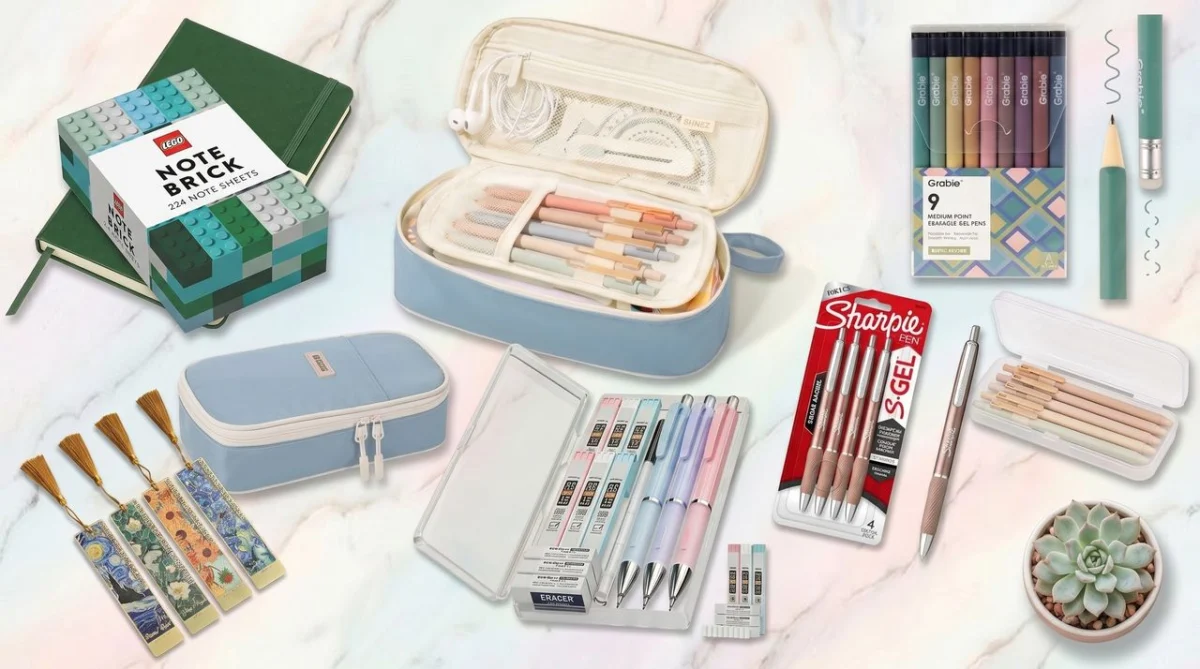
This week marks National Stationery Week, a timely occasion that invites a thoughtful re-evaluation of our relationship with analog tools in an increasingly digital world. While the allure of e-ink tablets and stylus-driven note-taking devices is undeniable, the enduring aesthetic and cognitive benefits of traditional pen and paper remain profoundly relevant. This celebration serves as a gentle yet persistent reminder that a harmonious integration of both physical and digital stationery offers the most comprehensive and enriching approach to productivity and creativity.
The Enduring Charm of the Analog: A Multifaceted Appreciation
In an era dominated by screens and instant digital communication, the simple act of putting pen to paper can feel like a deliberate act of mindfulness. The tactile sensation of a pen gliding across a page, the distinct scent of ink, and the visual permanence of handwritten notes offer a unique sensory experience that digital interfaces, however sophisticated, struggle to replicate. This isn’t merely about nostalgia; research suggests that the physical act of writing can enhance memory retention and comprehension. The slower, more deliberate pace of handwriting encourages deeper processing of information compared to rapid typing.
Furthermore, the aesthetic appeal of well-crafted stationery is a significant draw. From the elegant curves of a fountain pen to the crisp lines of a premium notebook, physical stationery offers a tangible sense of quality and personal expression. These tools can become cherished companions, imbued with personal history and creativity. They provide a distinct visual and tactile identity in a world that often feels homogenized by mass-produced digital devices. The act of choosing a specific pen for a particular task, or selecting a notebook that resonates with one’s personal style, adds a layer of intentionality and pleasure to everyday activities.
Navigating the Digital Frontier: The Rise of E-Ink and Stylus Technology
While the charm of the analog is undeniable, it would be remiss to ignore the advancements in digital stationery. The emergence of e-ink tablets and devices equipped with responsive stylus pens has bridged a significant gap, offering a compelling alternative for those who seek the best of both worlds. These technologies aim to mimic the paper-like feel of traditional writing, reducing eye strain associated with traditional screens and providing a remarkably natural writing experience.
The advantages of these digital tools are manifold. They offer unparalleled portability, allowing users to carry vast libraries of notes, documents, and creative sketches in a single, lightweight device. The ability to instantly search, organize, and share handwritten notes digitally streamlines administrative tasks and enhances collaborative workflows. Features such as cloud synchronization, version control, and the integration of multimedia elements further amplify their utility. For artists and designers, stylus-equipped tablets provide a versatile canvas for sketching, illustrating, and refining their work with a level of precision and control that can rival traditional mediums. The ability to undo mistakes, experiment with different brush strokes, and access a vast array of digital tools without the mess or cost of physical supplies makes them indispensable for many creative professionals.
A Balanced Approach: The Synergy of Physical and Digital Stationery
The prevailing sentiment within creative and productivity circles is that the most effective approach lies not in choosing one over the other, but in embracing a balanced integration of both physical and digital stationery. This hybrid model acknowledges the unique strengths of each medium and leverages them to create a more robust and adaptable workflow.
For instance, a journalist might use a traditional notebook to capture the raw, unfiltered thoughts and observations during an interview, allowing for a more intuitive and less intrusive recording process. Later, these notes can be transcribed or digitized, allowing for easier organization, searching, and integration into a digital article. Similarly, a student might use a physical planner to map out their weekly schedule, appreciating the visual overview and the satisfaction of physically ticking off completed tasks. For lectures or in-depth study, an e-ink tablet could be used to take detailed digital notes, which can then be annotated, cross-referenced with online resources, and easily shared with study groups.
This duality extends to creative pursuits. An artist might sketch initial concepts in a physical sketchbook, enjoying the freedom of spontaneous ideation. These sketches can then be scanned or photographed and imported into digital art software for further development, refinement, and digital manipulation. The tactile experience of drawing on paper can foster a different kind of creative flow, while the digital realm offers boundless possibilities for iteration and final output.
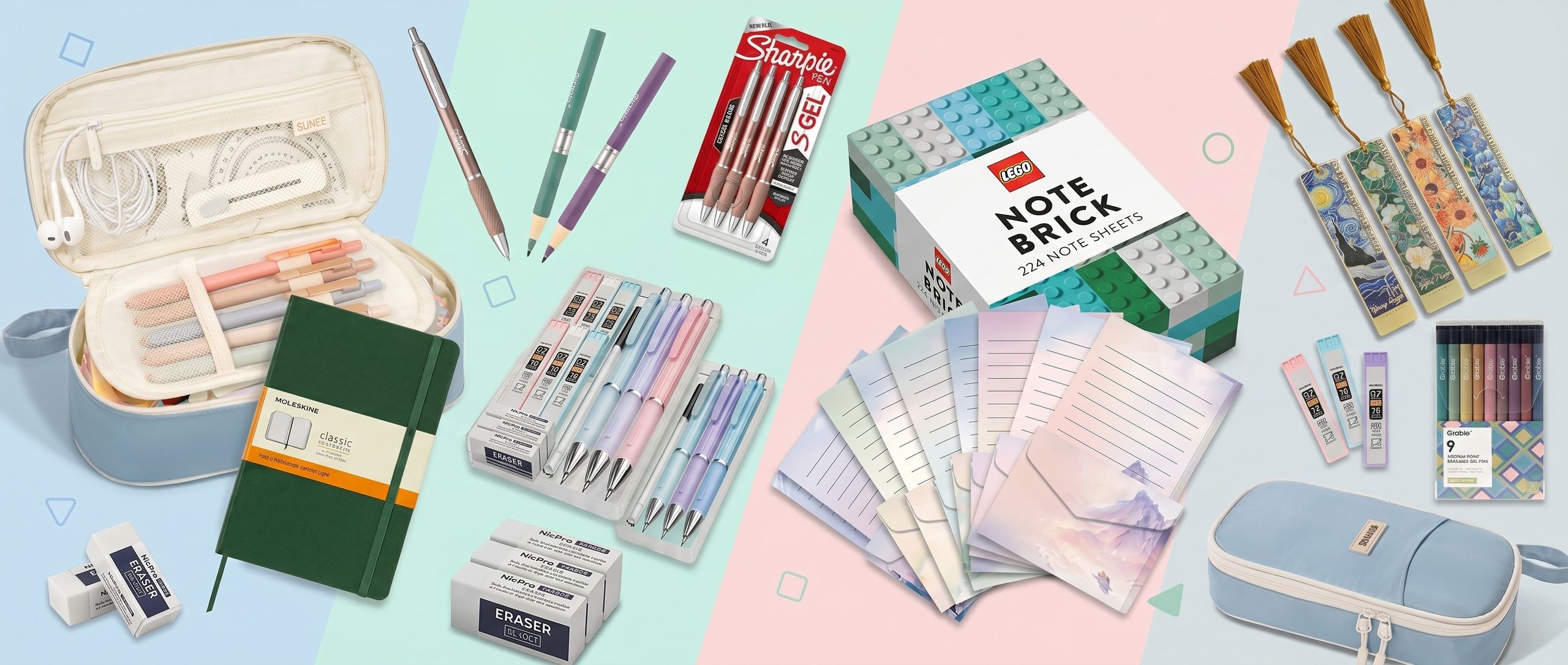
The perceived competition between analog and digital stationery is, in many ways, a false dichotomy. Instead, these tools should be viewed as complementary, each offering distinct advantages that can be harnessed to enhance productivity, creativity, and personal well-being. The key lies in understanding one’s own workflow and preferences to curate a stationery ecosystem that best serves individual needs.
National Stationery Week: A Catalyst for Exploration and Deals
National Stationery Week, therefore, serves as an opportune moment to explore this spectrum of tools and to discover new favorites. While the article mentions "US Stationery week deals" and "UK Stationery week deals," these sections highlight the commercial aspect of this celebration, where retailers often offer promotions on a wide range of stationery products. This provides an excellent incentive for individuals to invest in new pens, notebooks, planners, or even to explore the latest e-ink tablets and stylus offerings.
These deals can encourage experimentation. Someone who has always relied on digital tools might be enticed to purchase a beautifully bound notebook and a high-quality pen to experience the analog difference. Conversely, someone who primarily uses physical stationery might be drawn to explore the efficiency and versatility of a digital note-taking device, perhaps finding a compelling offer on a brand they’ve been curious about.
The commercial aspect of National Stationery Week also underscores the enduring market for physical stationery. Despite the pervasive influence of digital technology, there remains a significant and passionate community of individuals who value and invest in high-quality writing instruments, paper products, and organizational tools. This continued demand fuels innovation within the stationery industry, leading to the development of new materials, designs, and functionalities that cater to both traditional and modern preferences.
The Cognitive and Emotional Landscape of Stationery Choice
Beyond mere utility, the choice of stationery often taps into our cognitive and emotional landscape. The very act of selecting a pen can be a ritual. Do you opt for the bold, decisive stroke of a rollerball, the elegant flow of a fountain pen, or the practical reliability of a ballpoint? The paper itself carries weight – the smooth glide of a coated stock, the satisfying tooth of a textured surface, the luxurious feel of thick cotton paper. These choices are not arbitrary; they can influence our mindset and the way we approach a task.
Using a well-loved pen can evoke a sense of comfort and familiarity, fostering a relaxed and focused state of mind. The physical act of writing can also be a form of active meditation, allowing the mind to wander and generate ideas without the distractions inherent in digital environments. For some, the journaling or doodling that accompanies the use of physical stationery can be a powerful tool for stress relief and self-reflection.
Conversely, the efficiency and instantaneity of digital tools can be incredibly motivating for tasks that require rapid information processing and organization. The ability to instantly access information, collaborate with colleagues across geographical boundaries, and manage complex projects digitally is a testament to the power of these advancements. The satisfaction derived from a neatly organized digital archive or a seamlessly integrated workflow can be just as potent as the tactile pleasure of a handwritten note.
Ultimately, National Stationery Week encourages us to pause and consider the tools we use to capture our thoughts, organize our lives, and express our creativity. It’s an invitation to appreciate the diverse and evolving landscape of stationery, recognizing that both the time-tested traditions of pen and paper and the innovative advancements of digital technology have their unique and valuable roles to play. The true art lies in finding the personal equilibrium that maximizes both efficiency and enjoyment in our daily endeavors.




Leave a Comment