
Fatality and Funny Bones: How ‘Mortal Kombat II’ Navigates the Balance Between Gore and Wit
The cinematic landscape of video game adaptations has undergone a radical transformation over the last decade. Gone are the days of low-budget, direct-to-video cash-ins; in their place stands a new era of high-fidelity, narratively complex blockbusters that respect the source material while forging their own identity. Among these, the Mortal Kombat franchise remains a cornerstone of pop culture. Following the commercially successful but critically polarized 2021 reboot, the sequel, Mortal Kombat II, arrives with a clear mission: to sharpen the action, deepen the lore, and, perhaps most importantly, lean into the dark humor that has always bubbled beneath the surface of the games.
At the center of this tonal evolution is an unexpected highlight that has already captured the attention of early audiences—a razor-sharp reference to Stephen King’s It. By having the mercenary Kano dismissively label the terrifying sorcerer Quan Chi as "Pennywise," the film signals a confident new direction that prioritizes character-driven levity alongside its signature ultra-violence.
Main Facts: The Resurrection of Kano and the ‘Pennywise’ Moment
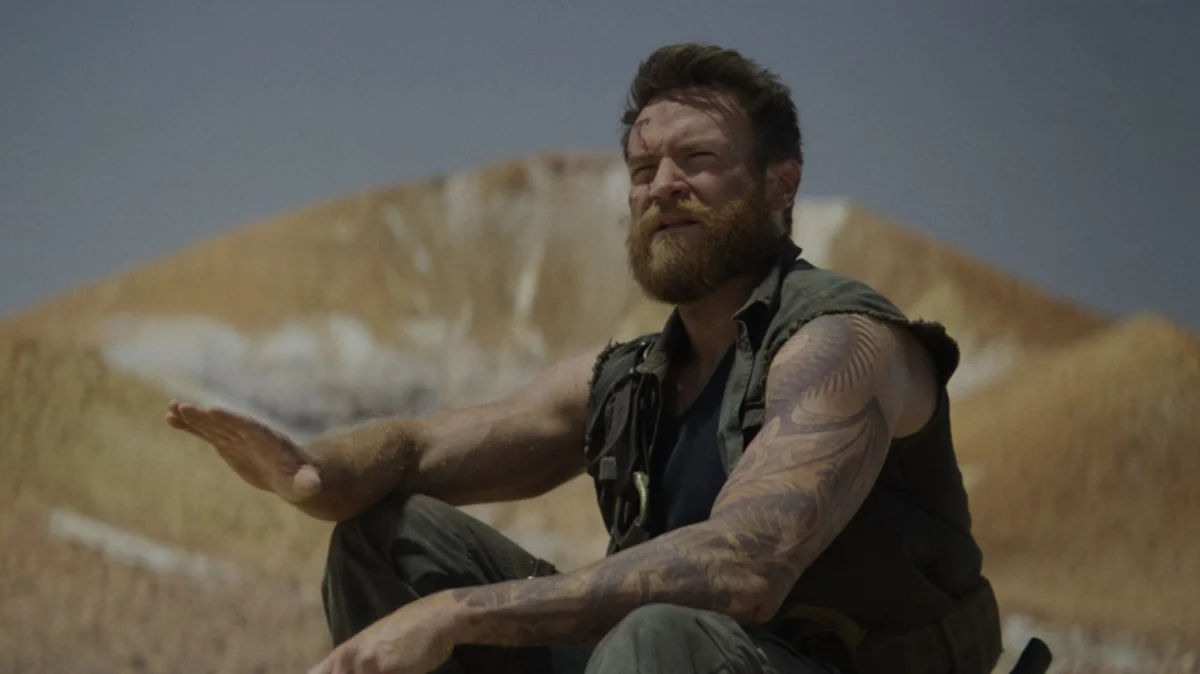
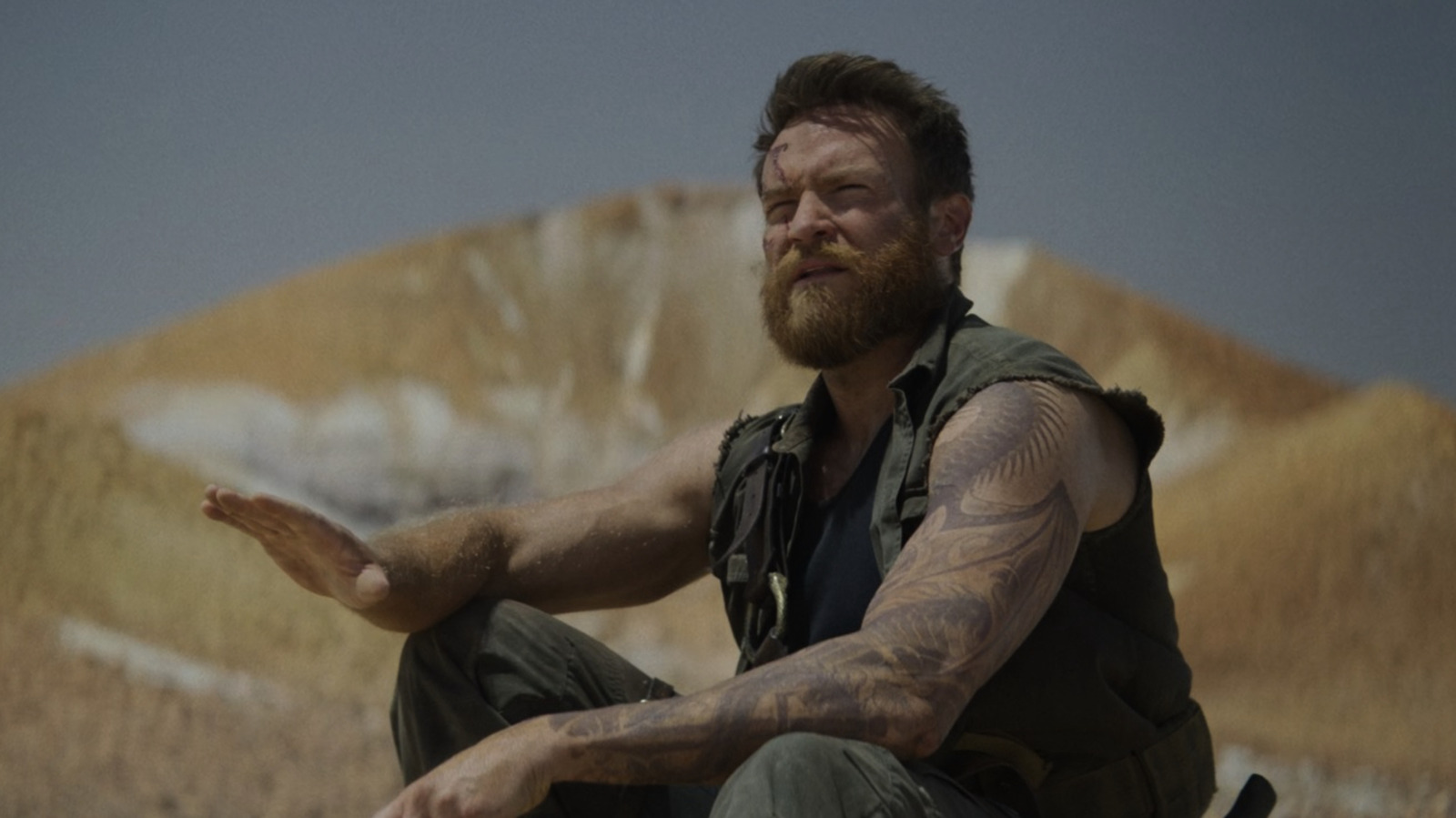
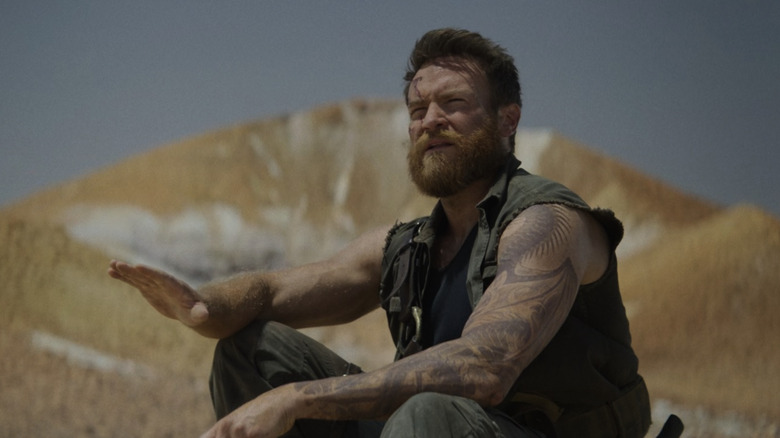
The most significant narrative hurdle for Mortal Kombat II was the return of Kano. Played with boisterous, foul-mouthed energy by Josh Lawson, Kano was widely considered the breakout star of the 2021 film. However, his story seemingly ended when he was killed by Sonya Blade, who famously impaled him through the eye with a garden gnome.
The sequel solves this problem through the introduction of Quan Chi, played by Damon Herriman. In Mortal Kombat lore, Quan Chi is a powerful necromancer from the Netherrealm with the ability to reanimate the fallen. While most resurrected "revenants" are mindless puppets bound to the will of Quan Chi and the Emperor Shao Kahn (Martyn Ford), the film establishes that Kano’s sheer, stubborn willpower allows him to retain his original personality.
This narrative choice pays off immediately. Upon being brought back to life and facing the pale, bald, and undeniably eerie Quan Chi, Kano doesn’t cower in fear. Instead, he delivers the film’s most memorable line, referring to the sorcerer as "Pennywise." This meta-commentary serves two purposes: it acknowledges Quan Chi’s unsettling aesthetic (which mirrors the high-forehead, pale-skinned look of Bill Skarsgård’s clown demon) and re-establishes Kano as the "audience surrogate"—the man who sees the absurdity of the magical world around him and calls it out.
Chronology: From 2021 Critiques to a Refined Sequel
To understand why a simple Stephen King joke carries such weight, one must look at the timeline of the franchise’s development.
- April 2021: The rebooted Mortal Kombat is released simultaneously in theaters and on HBO Max. While it breaks streaming records, fans and critics note a lack of the actual "Mortal Kombat" tournament and a tone that occasionally struggles to balance the "Arcana" superpower system with the gritty realism of the fighters.
- 2022-2023: Warner Bros. Pictures greenlights a sequel, bringing back director Simon McQuoid. To address the script’s previous criticisms, the studio recruits Jeremy Slater, the head writer of Marvel’s Moon Knight. Slater is known for his ability to blend high-concept fantasy with grounded, witty dialogue.
- Production: Filming takes place in Australia. The production team focuses on expanding the roster to include fan favorites like Johnny Cage (Karl Urban), Jade (Adeline Rudolph), and Kitana (Adeline Rudolph), while doubling down on the "R-rated" fatalities that the first film teased.
- 2025 Release: Mortal Kombat II debuts, showcasing a more "locked-in" creative vision. The film embraces the "camp" elements of the 1990s games while maintaining the visceral production values of a modern blockbuster.
Supporting Data: The Power of Pop Culture in Fantasy
The decision to include a "Pennywise" joke is more than just a throwaway line; it is a calculated piece of screenwriting. In the realm of high fantasy and science fiction, "grounding" a film often requires a character who speaks like a modern person.
Statistically, the most successful R-rated action films of the last decade—such as Deadpool and The Suicide Squad—rely heavily on this "meta-humor." By referencing Stephen King, Mortal Kombat II bridges the gap between the internal logic of Outworld and the external reality of the viewer.
Furthermore, the reference to It is particularly apt given the corporate synergy. Both Mortal Kombat and the It film franchise are properties of Warner Bros. Discovery. This creates a "shared universe" of cultural references that resonates with the target demographic—audiences who grew up playing the games in the 90s and watching the resurgence of horror cinema in the 2010s.
Official Responses: Josh Lawson on the Art of the Ad-Lib
Director Simon McQuoid has been vocal about his desire to let the actors "rough up the edges" of the script. This approach was vital for Josh Lawson, whose performance as Kano relies on a sense of unpredictable spontaneity.
In a recent interview, Lawson detailed the creative freedom he was afforded on set. While the script by Jeremy Slater provided a solid foundation, McQuoid encouraged Lawson and Karl Urban (who plays the equally charismatic Johnny Cage) to experiment with their takes.
"You definitely do it scripted a few times," Lawson explained regarding the filming process. "Then Simon goes, ‘We got time. Let’s play.’ Even one or two of those [ad libs] in a scene, it just helps rough up the edges a bit. I think it makes the characters feel a little looser, a little bit less predictable."
Lawson’s insight highlights a key component of the film’s success: the "Pennywise" quip wasn’t just a joke for the sake of a laugh; it was a character beat. It demonstrates Kano’s lack of respect for authority and his refusal to be intimidated by the supernatural. Lawson noted that picking the right reference was essential. While a name like "Skeletor" might have been too dated or comical, "Pennywise" carries a modern edge of genuine terror, making Kano’s dismissiveness feel more daring and "cutting."
Implications: A New Standard for Video Game Cinema
The success of the "Pennywise" moment and the overall reception of Mortal Kombat II have significant implications for the future of the franchise and the genre at large.
1. The ‘Marvel-ization’ of Mortal Kombat
The film proves that Mortal Kombat can successfully adopt a "Marvel-esque" tone—where high-stakes world-ending events are punctuated by character-driven humor—without losing its "R-rated" edge. This suggests that future installments could continue to explore this balance, making the lore more accessible to general audiences who might otherwise be put off by the dense history of the Elder Gods and the Netherrealm.
2. The Return of the ‘Charismatic Villain’
Kano’s role in the sequel reaffirms a growing trend in cinema: the audience’s love for the "lovable rogue." Even though Kano is a mercenary and often works against the heroes, his wit makes him indispensable. This creates a roadmap for other video game adaptations (such as the upcoming Street Fighter or Tekken projects) to focus on character personality as much as fighting styles.
3. Fan Service as Narrative Substance
Mortal Kombat II is littered with fan service, including a cameo by game co-creator Ed Boon and iconic catchphrases. However, by integrating these moments with genuine humor and character growth, the film avoids the "hollow" feeling of many sequels. The "Pennywise" joke serves as a microcosm of this strategy: it is a smart, modern reference that feels earned within the context of the character’s personality.
Conclusion
Mortal Kombat II manages a difficult feat: it honors the grim-dark roots of its source material while acknowledging the inherent absurdity of a world where sorcerers, ninjas, and cybernetic mercenaries fight for the fate of the universe. The "Pennywise" joke, delivered with perfect timing by Josh Lawson, stands as a testament to the film’s creative confidence.
By allowing its characters to be funny, relatable, and occasionally meta, the film elevates itself above a mere collection of fight scenes. It becomes a lived-in universe where the stakes are high, the blood is plentiful, and the wit is as sharp as a Tarkatan blade. As the franchise continues to evolve, it is clear that the "Mortal Kombat" cinematic universe has found its voice—and it sounds remarkably like a sarcastic Australian mercenary with a laser for an eye.


Leave a Comment