
Brewing with the Beyond: An In-Depth Look at ‘My Little Cafe Nightmare’
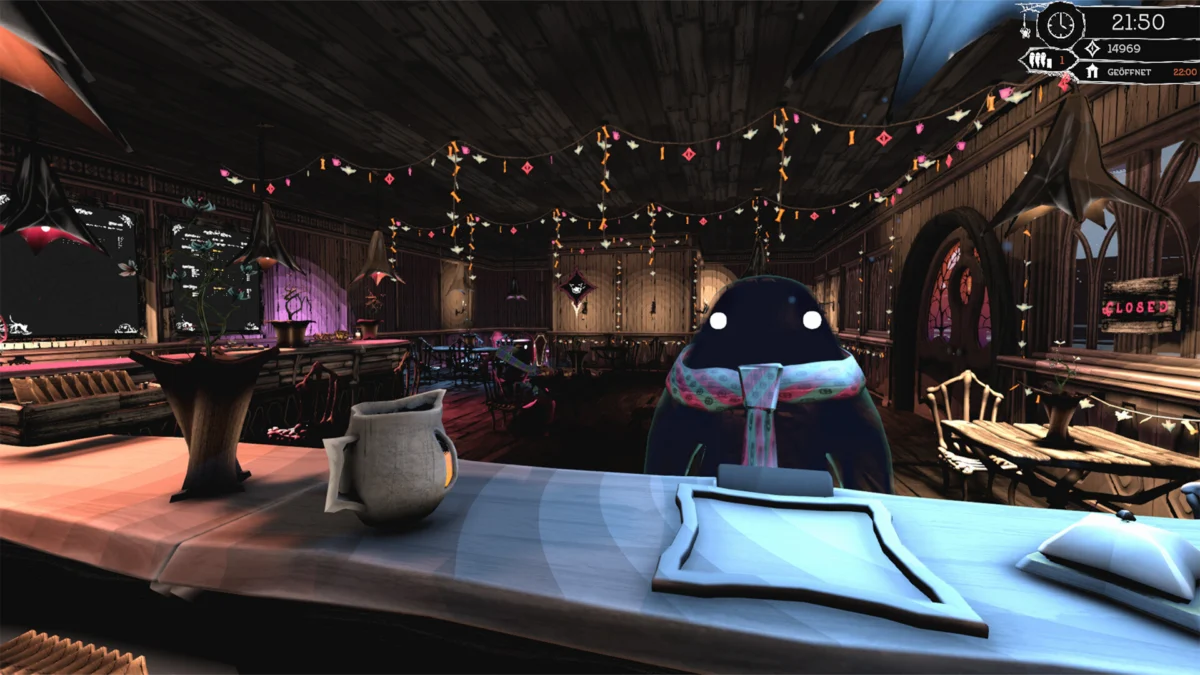
The landscape of "cozy gaming" has undergone a radical transformation over the last several years. What was once a genre defined strictly by pastel-colored farming simulators and low-stakes social interactions has expanded to embrace the macabre, the gothic, and the surreal. The latest entry to challenge the traditional boundaries of the genre is My Little Cafe Nightmare, a first-person management simulator that tasks players with running a coffee shop for the deceased. Currently in Steam Early Access, the title offers a unique blend of high-stress resource management and low-stress aesthetic customization, all set within a crumbling, haunted architecture.
Main Facts: The Premise of the Paranormal Barista
My Little Cafe Nightmare places players in the role of a newly hired human employee at a supernatural establishment. In a world where most entities lack physical appendages, the protagonist’s primary value lies in being "the only person with arms." This physical capability is the cornerstone of the gameplay loop, as players must manually interact with every element of the environment, from grinding coffee beans to scrubbing floors that seem to resist cleanliness.
The game’s narrative and instructional framework are provided by a shrunken head suspended from a chandelier. This macabre mentor guides the player through the intricacies of serving ghosts, ghouls, and various eldritch entities. The core objective is twofold: maintain the operational efficiency of the cafe while simultaneously rehabilitating the dilapidated structure. By earning "bone tokens"—the game’s primary currency—players can transition the shop from a rot-infested ruin into a high-end haunt that caters to the specific tastes of the afterlife’s elite.
Chronology: From Dilapidation to Decoration
The player’s journey in My Little Cafe Nightmare follows a distinct progression from survival to mastery.
The Initial Shift: Survival and Squalor
Upon beginning the game, players are introduced to a cafe in a state of extreme disrepair. The walls are crumbling, the equipment is rudimentary, and the atmosphere is thick with neglect. The early game focuses on basic tasks: learning the specific recipes required by ghostly patrons and managing the "bone token" economy. Every cup of coffee served is a step toward stability. During this phase, players must contend with limited supplies and equipment that frequently malfunctions, requiring constant attention and manual resets.
Mid-Game: The Restoration Phase
As the player accumulates bone tokens, the gameplay shifts from mere service to restoration. The "rot" mentioned in the game’s description isn’t just aesthetic; it represents a barrier to efficiency. Players begin to invest their earnings into structural repairs, mending the floorboards and cleaning away the grime of decades. This phase introduces the "cozy" element of the game, as the player starts to see the fruit of their labor in the form of a more welcoming environment. The interaction with the shrunken head becomes more nuanced as the cafe’s reputation grows, drawing in a more diverse array of spectral customers.
Late-Game: Customization and Management Complexity
In the more advanced stages of the game, the focus pivots toward deep management and aesthetic control. Players are no longer just making coffee; they are curators of a space. They must balance the logistical demands of ordering supplies—ensuring that the pantry is stocked with otherworldly ingredients—with the creative demands of interior design. The challenge shifts from "how do I make this drink?" to "how do I optimize this floor plan while keeping the bone-themed aesthetic consistent?"
Supporting Data: Systems, Mechanics, and Management
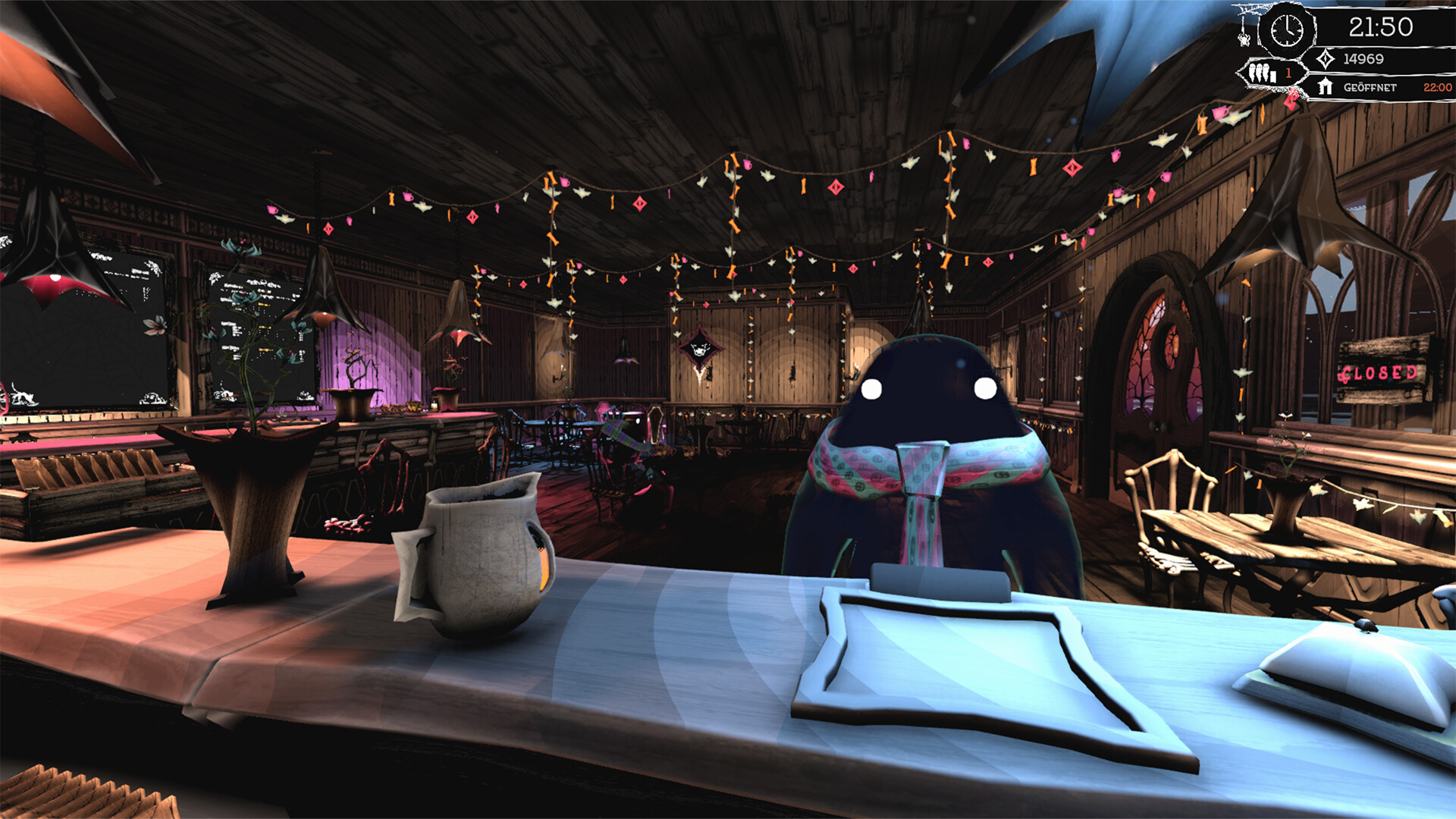
The depth of My Little Cafe Nightmare lies in its granular approach to management. Unlike many simulators that abstract the process of running a business through menus and icons, this title insists on first-person physicality.
The Inventory and Supply Chain
Players must actively monitor their stock. If the cafe runs out of supernatural beans or specialized milks, the service comes to a halt. The game requires players to use an in-game ordering system, adding a layer of temporal strategy—players must predict their needs hours in advance to ensure deliveries arrive before the peak "haunting hour."
Equipment Maintenance and Cleaning
The "silly" aspect of cleaning spiderwebs in a haunted house belies a genuine mechanical necessity. A dirty cafe affects the satisfaction of the customers, who, despite being dead, have surprisingly high standards for hygiene. Equipment must be maintained; kettles must be filled, and grinders must be cleared. This creates a "plate-spinning" effect common in high-intensity management games like Overcooked, but experienced through a slower, more atmospheric first-person lens.
The Bone Token Economy
Bone tokens act as the gatekeeper for all progression. They are earned through successful transactions and can be spent on:
- Structural Repairs: Fixing holes in the walls and floors.
- Aesthetic Upgrades: Purchasing bone-themed furniture, specialized lighting, and wallpaper.
- Functional Upgrades: Buying faster brewers or larger storage containers.
Technical Execution and User Experience Challenges
While the game has been praised for its atmosphere and "cozy-spooky" vibe, its transition into Steam Early Access has highlighted several technical hurdles, particularly regarding the physics-based decoration system.
The Freedom of Movement Problem
Unlike most management sims that utilize a grid-based system for furniture placement (similar to The Sims or Animal Crossing), My Little Cafe Nightmare allows players to move almost any object at any time. This free-form approach is intended to provide maximum creative liberty, but it often leads to frustration.
One of the primary complaints involves the "auto-rotation" of items. When a player attempts to place a large piece of furniture, such as a countertop, the physics engine can cause the object to rotate unexpectedly. If a countertop flips or clips into a wall, it can render an entire section of the cafe unplayable. This is further exacerbated by the game’s "prop physics"—if a player moves a table that has a kettle or a mug on it, the items on top may glitch through the geometry or fly across the room.
First-Person Spatial Awareness
Operating in a first-person perspective adds immersion but increases the difficulty of spatial management. Navigating a crowded cafe while carrying hot coffee requires precision. The "big and forgiving" rooms mentioned by early testers are a necessary design choice to mitigate the clunkiness of the first-person movement, though the cluttered nature of a fully decorated shop can still lead to "stuck" scenarios.
Official Responses and Developer Philosophy
While the developers have not released a formal "state of the union" address, their updates via the Steam Early Access portal indicate a commitment to refining the physics engine. The developer’s philosophy appears to be centered on "player agency." By allowing players to redecorate in real-time—even during business hours—they are moving away from the rigid "Build Mode/Live Mode" dichotomy seen in other titles.
The inclusion of the shrunken head as a central NPC suggests a desire to infuse the management genre with more personality and dark humor. The developer has noted in community forums that the goal is to create a "Wholesome Horror" experience, where the scares are aesthetic rather than mechanical, allowing the player to feel safe in a world that looks dangerous.
Implications: The Rise of "Wholesome Horror"
My Little Cafe Nightmare is more than just a niche indie title; it is a representative of a growing trend in the gaming industry often referred to as "Wholesome Horror." This sub-genre takes the visual language of horror—skeletons, ghosts, dark corridors, and occult symbols—and strips away the threat of death or failure.
Broadening the Audience
This approach allows players who are usually averse to horror games to enjoy the aesthetic of the "spooky season" year-round. It also appeals to "cozy" gamers who are looking for more complex management systems than those found in traditional farming sims.
The Future of Management Sims
The success or failure of My Little Cafe Nightmare in Early Access will likely influence how other developers handle physics-based customization. If the developers can solve the "glitching furniture" issue while maintaining the freedom of real-time redecoration, it could set a new standard for first-person management games.
The game proves that there is a significant market for "work simulators" that trade mundane reality for fantastical, albeit slightly creepy, settings. As players continue to serve coffee to the undead and listen to the wisdom of shrunken heads, they are participating in a new wave of digital escapism—one where the nightmare is not something to escape, but something to manage, decorate, and eventually, call home.
My Little Cafe Nightmare is currently available on Steam Early Access. As an Early Access title, players should expect frequent updates, bug fixes, and potential shifts in gameplay balance as the developer responds to community feedback.



Leave a Comment