
FolkloreThursday.com Transitions to Archival Status, Community Spirit Endures
LONDON, UK – [Insert Current Date, e.g., November 27, 2023] – The popular online hub for folklore enthusiasts, FolkloreThursday.com, has announced a significant shift in its operational status. Effective immediately, the website will no longer undergo regular content updates, transitioning instead into a permanent digital archive. While active contributions and retweets from its official Twitter hosts have ceased, the platform explicitly encourages the vibrant global community to continue engaging with the #FolkloreThursday hashtag and exploring the extensive resources preserved on the site.
The announcement, delivered with a poignant nod to classical mythology – stating the website has "paid the ferryman’s obol" – signals an evolution rather than an end for the beloved initiative. This digital haven is intended to remain as a "heartfelt tribute to the incredible spirit and hard work of our team and all our fantastic contributors," celebrating years of dedicated scholarship and communal sharing.
The Genesis and Evolution of a Digital Tradition
Since its inception, #FolkloreThursday has cultivated a unique space in the digital landscape, transforming a weekly hashtag into a global phenomenon. What began as a simple prompt for sharing stories, myths, and legends every Thursday on Twitter quickly blossomed into a comprehensive online community and resource hub. The initiative successfully bridged the gap between academic folklore studies and public engagement, making complex narratives and cultural traditions accessible to a broad audience.
The platform’s growth was fueled by the collective passion of its team, contributors, and a rapidly expanding audience. It served as a vital nexus for researchers, writers, artists, and enthusiasts to connect, exchange ideas, and celebrate the rich tapestry of world folklore. Its impact extended beyond Twitter, with FolkloreThursday.com becoming a repository of insightful articles, interviews, and themed content that deepened understanding and fostered a sense of shared heritage. The transition to an archival state marks the culmination of this active phase, preserving its significant contributions for future generations of lore seekers.

A Digital Repository of Lore: The Website’s Enduring Legacy
While the current announcement confirms that "links might have been visited by Hypnos and taking a nap" and "some info might be out-of-date," the intrinsic value of FolkloreThursday.com as a historical record and a treasure trove of knowledge remains undiminished. The decision to maintain the site as an archive ensures that the extensive collection of articles, insights, and discussions built over many years will continue to be accessible. This digital preservation is crucial in an age where online content can be ephemeral, securing a legacy of dedicated research and passionate engagement.
The website’s transition underscores the importance of digital archives in contemporary scholarship and public education. It provides a static yet comprehensive snapshot of the diverse topics, regional specificities, and theoretical approaches that captivated the #FolkloreThursday community. From ancient myths to urban legends, from forgotten rituals to modern interpretations, the site’s content offers a rich foundation for anyone wishing to delve into the fascinating world of folklore. Its continued presence serves as a testament to the collective effort that made it a significant point of reference for folklore studies and appreciation worldwide.
Sustaining the Conversation: The #FolkloreThursday Hashtag
Despite the shift in the website’s status, the spirit of #FolkloreThursday is far from dormant. The announcement emphatically states that the weekly Twitter hashtag day remains an open invitation for participation. While the official hosts will no longer retweet, the community is encouraged to "still take part" and "cherish the memories together" by continuing to use the hashtag.
To aid this ongoing engagement, FolkloreThursday.com has thoughtfully provided "a list of weekly themes here on the website for inspiration." This resource ensures that the communal tradition of exploring specific folklore topics each Thursday can persist, driven by the enthusiasm of individual participants. The initiative relies on the community’s self-organizing capacity to "share their own folklore to the tag, and support each other—and maintain the community—by liking and sharing each other’s posts." This decentralized model highlights the resilience of online communities and their ability to adapt and thrive beyond formal curation. The latest #FolkloreThursday tweets can always be viewed directly on Twitter by searching the hashtag and selecting the ‘latest’ tab, demonstrating the enduring, live nature of this digital gathering.
Supporting the Scribes and Scholars: Team Contributions and Publications
The legacy of #FolkloreThursday is intrinsically linked to the dedicated individuals who contributed their expertise, research, and passion. The announcement urges followers to "consider buying our books if you would like to support all of #FolkloreThursday’s work over the last few years!" This direct appeal highlights the sustained efforts of the team members who are accomplished authors and researchers in their own right.
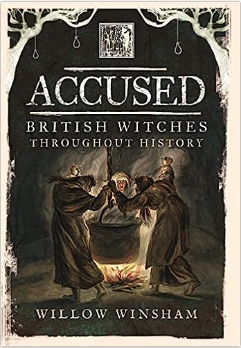
Among the featured publications are Willow Winsham’s "England’s Witchcraft Trials" and "Accused: British Witches throughout History," which delve into the dark and complex history of witchcraft in Britain. These works exemplify the rigorous scholarship and storytelling that characterized the #FolkloreThursday platform.
Beyond these specific titles, the announcement proudly lists a roster of key team members and contributors, each with their own ongoing projects and platforms:
- Dee Dee Chainey (@DeeDeeChainey): An author whose work often explores historical and folkloric themes.
- Willow Winsham (@WillowWinsham): A historian and author specializing in witchcraft, crime, and social history, with an established online presence.
- Amelia Starling (@willowwebwords): Likely involved in writing or digital content creation related to folklore.
- Amanda Edmiston~Botanica Fabula~Herbal Storyteller (@HerbalStorytell): Blending botanical knowledge with storytelling, offering a unique perspective on folklore and nature.
- Centre for Folklore, Myth and Magic (Todmorden, England) (@CentreMyth): A physical hub for folklore exploration, demonstrating the real-world impact of the community.
- Historium Unearthia (@HistoriumU): A platform for uncovering forgotten histories and intriguing tales.
- Myth Crafts (@MythCrafts): Suggests a creative, perhaps artistic, approach to engaging with mythological themes.
- Living Library (@ShanonSinn): Likely a platform for shared stories and diverse narratives.
- Fabulous Folklore Podcast (@IcySedgwick): A dedicated podcast exploring various aspects of folklore.
- Dr Ben Gazur (@BenTheEpicure): A scholar bringing academic rigor to historical and mythological topics.
These individuals and organizations represent the diverse facets of folklore engagement that #FolkloreThursday fostered. Supporting their work directly contributes to the continued vitality of folklore studies and creative output. The platform also reminds followers to "see the team page for everyone who has contributed to #FolkloreThursday over the years," and to acknowledge their "brilliant Patreon supporters," emphasizing the collaborative and community-driven nature of the entire endeavor.
The Dynamic Digital Week of Lore: Related Twitter Communities
The #FolkloreThursday ecosystem extended far beyond its own hashtag, inspiring and interacting with a constellation of other daily folklore-themed Twitter events. These complementary hashtags form a comprehensive "Twitter folklore week," ensuring that enthusiasts have a continuous stream of content and opportunities for engagement. The announcement serves as a valuable directory to these vibrant communities:
Mythology Monday, @MythologyMonday
Dedicated to "Stories from world mythology, every Monday," #MythologyMonday was founded by @independentpen, @AimeeMaroux, and @ClassicalMyths. This hashtag provides a weekly platform for delving into the vast and varied narratives of global mythologies, from ancient pantheons to indigenous creation stories. It serves as a vital resource for comparative mythology, offering insights into human storytelling across cultures and epochs. Participants share art, scholarly articles, and personal reflections on mythological themes, fostering a rich learning environment.
Fairy Tale Tuesday, @FairyTale_Tues
Curated by @AmandaBergloff, #FairyTaleTuesday is a weekly celebration of "fairy tales, folktales, legends, and myths from around the world." This community encourages the sharing of "stories, art, music and film" based on rotating weekly themes. It’s a dynamic space for exploring the enduring power of these narratives, their psychological depth, and their cultural significance. The hashtag welcomes everyone, serving as a creative hub for artists, writers, and general enthusiasts alike, promoting inspiration and cross-cultural understanding. The accompanying logo, a painting by Frank Dicksee, "Hesperia, 1887," visually reinforces the enchanting and artistic nature of this community.
Wyrd Wednesday, @WyrdWednesday
Hosted by the "3 Mothers of the Wyrd" – @DirkPuehl, @MaeneSigne, and @RGeirsson – #WyrdWednesday is committed to "spreading the Wyrd and Wynderfyl every Wednesday." This unique hashtag delves into "oddities and eccentricities," with weekly themes that span "bizarre historical events to esoteric cultural paradigms to quirky elements of pop culture." It offers a fascinating dive into the strange and unusual, challenging conventional perspectives and highlighting the more peculiar corners of human history and belief systems. This community champions the unconventional, celebrating the ‘wyrd’ in its many forms.

Folklore Thursday, @FolkloreThurs
As noted, while the official hosting from @FolkloreThurs ceased on March 3rd, 2022, the call remains for the community to continue using the #FolkloreThursday tag. The emphasis is on maintaining the community spirit, sharing personal folklore, and supporting fellow enthusiasts through likes and shares. To facilitate this, "a list of weekly hashtag day themes covering the whole year" is available on the website. This ensures that even without central curation, the collective can maintain a structured and engaging dialogue around diverse folklore topics. The platform itself, www.FolkloreThursday.com, remains updated with all its archived articles, serving as a permanent resource.
Book Chat Weekly, @BookChatWeekly
Hosted each weekday by @Kerria, #BookChatWeekly is a haven for "readers, writers and dreamers!" While active throughout the week, Thursdays are designated as a "THEMED DAY." This hashtag broadens the scope to literary discussions, providing a space for folklore enthusiasts to explore how myths, legends, and folk narratives are interpreted and reimagined in written works. It fosters a love for storytelling in all its forms, connecting the oral traditions of folklore with the written word.
Faustian Friday, @ofdarknmacabre
Run by Natalja Saint-Germain (@bjorn_stjerne) and Dirk Puehl (@DirkPuehl), @ofdarknmacabre is dedicated to #Darkfolklore and #Folkhorror, encompassing "art, literature, movies & all the other #Gothic and beautifully dark & macabre things." #FaustianFriday is its weekly main event, featuring new dark and macabre themes like "Clairvoyants, Ghost Whisperers and Fortunetellers" or "Burning Bright—Folklore, Symbolism & the Magic of Fire." Co-hosted with @INeveenBadr, it invites participants to share their take on these intriguing, often unsettling topics. Beyond the weekly theme, #ofdarkandmacabre hosts seasonal events such as #Gothic12tide, #DarkGreenweek, and #31DaysofHalloween, offering a continuous exploration of the darker, more mysterious aspects of folklore.
Superstition Saturday, @SuperstitionSat
Launched in April 2020 by @avalonbalcony, #SuperstitionSat is dedicated to sharing "superstitions, charms or good luck omens from around the world." Hosted by its mascot, Superstition Sam, this Saturday event runs from 12 pm to 12 am. The core purpose is to highlight how humanity is "connected through hope in positive outcomes," demonstrating the universal human tendency to seek meaning and influence fate through belief. It’s a fascinating exploration of cultural practices and shared anxieties and aspirations, with a dedicated website and Instagram presence for deeper dives.
BookWormSat(urday), @lit_saturday
Hosted by @maenesigne and @DeeringRachel, #BookWormSat celebrates literature every Saturday. Its focus is on "sharing the literary gems that continue to inspire us centuries after they were written," spanning "medieval literature to poetry inspired by mythology to Gothic novels." This hashtag emphasizes the enduring influence of folklore and mythology on written works, encouraging a playful yet insightful exploration of classic and contemporary texts. It’s a community for those who love to read and discover the literary echoes of ancient tales.
Swamp Sunday, @swampsunday
Hosted by Natalja Saint-Germain (@bjorn_stjerne), #SwampSunday explores "the folklore, mythology and aesthetics of swamps and other waterbodies." This topic-free thematic hashtag aims to "teach people in the form of entertainment to love such an important, and yet demonized part of our environment as swamps." It seeks to reframe these often-maligned ecosystems, revealing their ecological significance and rich folkloric associations. Expanding on this, a permanent hashtag, #dontgointothewoods, is being introduced to broaden the subject to forests and raise awareness about deforestation, connecting folklore with environmental advocacy. An Instagram account further complements this initiative.
These diverse daily hashtags collectively form a dynamic and inclusive online calendar for folklore engagement, ensuring that the spirit of communal exploration continues throughout the week.
Expanding Horizons: Other Esteemed Folklore Resources
Beyond the direct #FolkloreThursday network, the article provides a crucial list of "Other places to find folklore," encompassing institutions, societies, journals, and independent projects. This comprehensive directory underscores the breadth and depth of the global folklore community and offers avenues for deeper study and engagement.

- American Folklife Centre (@americanfolklifecenter): Part of the Library of Congress, this center preserves and presents American traditional life and culture, including folk music, narrative, and craft. It’s a vital national repository.
- The American Folklore Society (@afsfolklorists): A leading academic organization for folklorists, promoting the study and dissemination of folklore through publications, conferences, and advocacy.
- Centre of Contemporary Legend (@Centre_4_Legend): Focuses on modern and urban legends, exploring how traditional narrative forms manifest in contemporary society.
- English Folk Dance and Song Society (@TheEFDSS): Dedicated to preserving and promoting English folk arts, including music, song, and dance, connecting living traditions with historical roots.
- Folk Horror Revival (@folk_horror): Explores the distinct subgenre of folk horror in film, literature, and art, bridging folklore with dark aesthetics and cultural anxieties.
- The Folklore Library & Archive (@LibraryFolklore): A specialized library providing resources for folklore research, emphasizing the importance of dedicated archival spaces.
- The Folklore Society (UK) (@FolkloreSociety): The oldest and most prestigious folklore society in the world, dedicated to the academic study of folklore and its publication.
- Gramarye: The Journal of the Chichester Centre for Fairy Tales, Fantasy and Speculative Fiction (@ChiCentreFFSF): An academic journal exploring the intersection of folklore with fantasy literature and other speculative genres.
- Haunted Ohio Books (@hauntedohiobook): Specializes in regional ghost stories and paranormal folklore, particularly from Ohio, showcasing the local manifestation of supernatural beliefs.
- Hellebore Magazine (@helleborezine): A publication likely focused on folk horror, occult history, and esoteric folklore, offering a curated aesthetic and scholarly approach.
- Hyakumonogatari Kaidankai (@ZackDavisson): Dedicated to Japanese ghost stories and supernatural tales, often with translations and cultural context provided by Zack Davisson.
- Lancashire Folk (@lancashirefolk): Focuses on the unique folklore and traditions of Lancashire, England, highlighting regional cultural heritage.
- Mythological Africans (@MythicAfricans): A crucial resource dedicated to showcasing the rich and diverse mythologies of various African cultures, combating Eurocentric biases in folklore studies.
- Norwegian Folktales (@SimonRoyHughes): Concentrates on the traditional narratives of Norway, offering insights into Norse cultural heritage.
- Black Fairy Tales & Folktales Matter—Useful Resources (@InkGypsy): A curated list emphasizing the importance and accessibility of Black folklore, promoting diversity and inclusion in storytelling.
- Rituals and Declarations (@RitualsZine): A zine likely exploring themes of ritual, magic, and cultural practices from a folkloric perspective.
- Salt & Mirrors & Cats (@Saltmirrorscats): Focuses on specific folkloric elements, offering a unique thematic exploration.
- Santuario Lunar (@DanFF): A platform for exploring lunar and nocturnal folklore, mythology, and magical traditions.
- Smithsonian Center for Folklife and Cultural Heritage (@smithsonianfolk): Part of the Smithsonian Institution, dedicated to the research, presentation, and preservation of diverse cultural traditions.
- The Taibhsear Collective (@TaibhsearCol): Likely a collective focused on Gaelic or Celtic folklore, ‘Taibhsear’ referring to a seer or visionary in Gaelic.
This extensive list demonstrates the interconnectedness of the folklore world, offering pathways for enthusiasts to deepen their knowledge and connect with various specialized communities.
Formalizing Knowledge: Academic and Online Folklore Courses
For those seeking more structured learning, the article provides a valuable guide to "Folklore courses," ranging from accessible online options to rigorous in-person academic programs. This section highlights the opportunities available for both casual learners and aspiring scholars to formalize their understanding of folklore.
Online:
- Carterhaugh School of Folklore and the Fantastic: Founded by Brittany Warman and Sara Cleto, this school offers engaging online courses that explore folklore, fairy tales, and fantasy from a critical and creative perspective. Their programs are known for combining academic rigor with accessible, interactive learning, making complex topics enjoyable for a broad audience.
- Introduction to British Folklore course, Mark Norman: This online course provides a foundational understanding of British folklore, covering its history, key figures, and diverse manifestations. Mark Norman is a respected folklorist, and his course offers an excellent entry point for those interested in the traditions of the British Isles.
In-person:
- Folklore Studies MA, University of Hertfordshire: A postgraduate program offering in-depth academic study of folklore, covering theoretical approaches, research methodologies, and diverse cultural contexts. Such M.A. programs are crucial for developing professional folklorists and academics.
- Centre of Contemporary Legend, Sheffield Hallam University (@Centre_4_Legend): As mentioned previously, this center focuses on modern legends and popular culture. While not explicitly an MA, it represents a hub of academic research and potentially offers related study opportunities or informs postgraduate research.
- Taught MLitt in Ethnology and Folklore, The Elphinstone Institute, University of Aberdeen (@ei_folklore): The Elphinstone Institute is a renowned center for the study of ethnology and folklore, particularly in Scotland. Their MLitt program offers specialized training in fieldwork, archival research, and theoretical analysis, often focusing on the living traditions of the North-East of Scotland.
- Folklore and Public Culture Program, University of Oregon (@folklore_uo): This program combines academic study with an emphasis on applying folklore skills in public settings, such as museums, cultural centers, and community projects. It trains students to understand, document, and present folklore in ways that engage and benefit the wider public.
These courses represent a spectrum of learning opportunities, from casual interest to professional development, affirming the academic and cultural value of folklore studies.
Auditory Journeys: A Compendium of Folklore Podcasts
Podcasts have emerged as an incredibly popular and accessible medium for exploring folklore, offering engaging narratives and expert insights directly to listeners. The article provides an extensive list of "Podcasts" that cater to various interests within the folklore sphere. This section highlights the dynamic ways in which oral traditions are being revitalized and shared in the digital age.
- Alternative Stories Podcast (@StoriesAlt): Likely presents original or adapted stories with folkloric elements, offering a creative take on traditional narratives.
- Away With The Fairies Podcast (@PodcastFairies): Dedicated to the enchanting and often unsettling world of fairies, elves, and other supernatural beings from folklore.
- Bone and Sickle Podcast (@boneandsickle): Explores themes of death, horror, and the macabre in folklore, history, and culture, often with a gothic sensibility.
- By The Fire Podcast (@bythefire_pod): Evokes the traditional setting of storytelling, likely featuring narratives shared in an intimate, engaging manner.
- The Curiosity of a Child Podcast (@curichildpod): May explore folklore from a perspective that encourages wonder and inquiry, suitable for a younger audience or those new to the field.
- Dark Histories Podcast (@DarkHistories): Delves into the darker, often forgotten, aspects of history and folklore, including true crime, mysteries, and grim legends.
- Eerie Essex Podcast (@Eerie_Essex): Focuses on the local legends, ghost stories, and strange tales specific to the county of Essex in England.
- Feyfellows Podcast (@feyfellows): Another podcast likely exploring fae lore and related supernatural entities, possibly from a collaborative or interview perspective.
- Folklore and Fiction (@csmaccath): Explores the intersection of folklore with fictional writing, offering insights for writers and readers on how to incorporate traditional elements effectively.
- The Folklore Podcast (@folklorepod): A long-standing and respected podcast offering in-depth discussions, interviews, and explorations of diverse folklore topics.
- Godyssey (@GodysseyPodcast): Likely explores various pantheons and religious mythologies from around the world, making ancient divine narratives accessible.
- History and Folklore Podcast (@HistoryFolklore): Combines historical accounts with folkloric analysis, showing how these two fields intertwine and inform each other.
- History With Cats (@Hstry_with_Cats): A unique approach to history and potentially folklore, perhaps featuring feline companions as narrators or thematic guides.
- Legendary Africa Podcast (@Legendarypod1): Dedicated to the rich and diverse oral traditions and legends of various African cultures, contributing to a more inclusive understanding of world folklore.
- The Monster Guys (@TheMonsterGuys): Focuses on cryptids, legendary creatures, and monster lore from around the globe, appealing to fans of cryptozoology and creature features.
- Myth Monsters Podcast (@mythmonsterspod): Another podcast exploring mythological creatures and monsters, likely delving into their origins, characteristics, and cultural significance.
- Tales and Folklore From the Sacred Isle (@TheSacredIsle): Focuses on the folklore and mystical traditions of Britain and Ireland, exploring ancient sites and local legends.
- Tales of Britain and Ireland (@BritIrelandTale): Similar to the above, this podcast offers a broad exploration of the rich storytelling traditions across Britain and Ireland.
- TalesFromTheEnchantedForest Podcast (@FromEnchanted): Evokes a sense of magical realism and wonder, likely featuring narratives from enchanted realms and fantastical beings.
- Urban Legends Podcast (@ULPodcast): Specializes in modern folklore, focusing on contemporary urban legends, creepypastas, and modern myths.
- What the Folklore Podcast (@WTFolklore): Offers a humorous and engaging take on various folklore topics, often debunking myths or highlighting absurdities.
- WitchStory Podcast (@witchstorypod): Dedicated to the history, folklore, and cultural narratives surrounding witches and witchcraft.
- Wonderer’s History Podcast (@WondererHistory): Likely a broad historical podcast that incorporates elements of folklore and cultural traditions into its narratives.
This extensive list underscores the dynamic and diverse landscape of folklore content available in auditory format, catering to every imaginable interest and offering countless hours of exploration.
Community Resilience and Continued Engagement
The transition of FolkloreThursday.com is not an end, but rather a testament to the robust and passionate community it helped foster. The team’s message, positioning the site as a "heartfelt tribute," encapsulates a bittersweet but ultimately positive sentiment. It acknowledges the culmination of an active phase while simultaneously celebrating the enduring connections and knowledge created.
The emphasis on continued community participation through the #FolkloreThursday hashtag, even without official hosting, speaks volumes about the resilience of online cultural movements. It empowers individual enthusiasts to become custodians of the tradition, sharing their own discoveries and supporting fellow members. This decentralized model ensures that the conversation will continue, evolving organically with the interests and contributions of its participants. The legacy of #FolkloreThursday is therefore not just in its archived content, but in the vibrant, self-sustaining network it has inspired.
The Future of Folklore in the Digital Age
The shift at FolkloreThursday.com provides an opportunity to reflect on the broader implications for folklore in the digital age. The internet has democratized access to cultural knowledge, enabling global communities to form around shared interests like folklore. While centralized platforms like FolkloreThursday.com play a crucial role in initiating and nurturing these communities, their evolution often points towards a more distributed and collaborative future.
The continued vitality of related hashtags and the flourishing of individual creators, courses, and podcasts demonstrate that the appetite for folklore remains strong. This transition highlights the enduring power of storytelling and the human desire to connect with cultural heritage. It also underscores the importance of digital archiving, ensuring that valuable content remains accessible even as platforms change. The future of folklore in the digital realm appears to be one of diverse, interconnected, and community-driven initiatives, where the spirit of exploration and shared discovery continues to thrive, echoing the timeless nature of the stories themselves.

Leave a Comment