From Hunter to Hunted: Blade Runner RPG Unveils "Replicant Rebellion" Expansion, Shifting Allegiances in a Dystopian Future
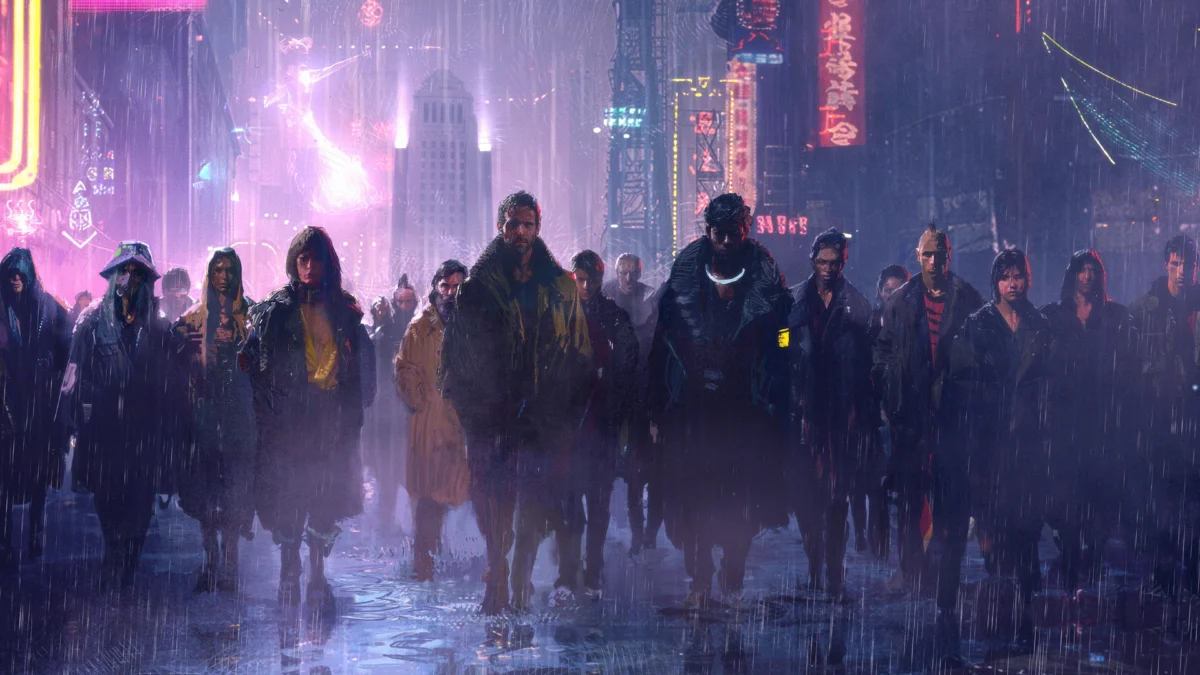
LOS ANGELES, CA – The darkly atmospheric, rain-slicked streets of 2037 Los Angeles are about to witness a seismic shift in allegiance within the critically acclaimed Blade Runner: The Roleplaying Game. Free League Publishing, renowned for its meticulously crafted licensed tabletop RPGs, has announced a groundbreaking new expansion titled "Replicant Rebellion." This forthcoming module invites players to abandon their badge and blaster as officers of the LAPD’s Blade Runner unit, instead plunging them into the clandestine world of the Replicant Underground – a defiant movement fighting for the freedom and liberation of artificial humans.
This radical departure from the core game’s premise promises to deliver an unprecedented perspective on the iconic sci-fi universe, forcing players to confront profound moral quandaries and engage in high-stakes acts of insurgency against the very system they once upheld. Slated for a Kickstarter launch on May 28th, "Replicant Rebellion" is poised to redefine the player experience, offering a narrative tapestry woven with espionage, sabotage, and the desperate fight for self-determination.
Main Facts
The essence of "Replicant Rebellion" lies in its audacious reorientation of player roles. Traditionally, Blade Runner: The Roleplaying Game positions players as Blade Runners, human operatives tasked with hunting down rogue Replicants – bioengineered beings created to serve humanity but often seeking their own autonomy. This new expansion flips that script entirely, recruiting players into the ranks of the Replicant Underground. This shadowy organization operates outside the law, dedicated to ensuring the survival, freedom, and eventual liberation of all Replicants, regardless of the cost.
Free League Publishing, the Swedish studio behind this official adaptation of the Blade Runner franchise, has consistently garnered praise for its ability to translate beloved intellectual properties into immersive tabletop experiences. Their Alien Roleplaying Game stands as a testament to their skill in capturing the essence and tension of a cinematic universe. With "Replicant Rebellion," they aim to deepen the Blade Runner narrative by exploring the moral grey areas and the desperate struggle from the perspective of the hunted.
The expansion will see players forming and leading their own independent crews, undertaking a variety of dangerous missions on behalf of the Underground. These operations range from laying explosive charges to sabotage corporate assets, disrupting the lucrative and exploitative Replicant trade, and rooting out moles within their own ranks. The narrative thrust of "Replicant Rebellion" will compel players to navigate a complex ethical landscape, balancing their personal morality with the often-radical demands of the Replicant liberation movement. The Kickstarter campaign, launching on May 28th, will serve as the primary avenue for fans and new players alike to back the project and secure their copies of this highly anticipated expansion.
A Deep Dive into the Blade Runner Universe
To fully appreciate the significance of "Replicant Rebellion," one must first understand the rich, dystopian tapestry of the Blade Runner universe and its profound influence on science fiction.
The Genesis of a Dystopian Vision
The Blade Runner saga originates from the visionary mind of Philip K. Dick, whose 1968 novel "Do Androids Dream of Electric Sheep?" laid the philosophical groundwork for what would become a cultural phenomenon. Dick’s novel delves into the very definition of humanity, exploring empathy as the distinguishing trait between humans and their sophisticated android counterparts, Replicants. His work raised uncomfortable questions about consciousness, identity, and the moral implications of creating sentient life solely for exploitation.
In 1982, Ridley Scott translated this complex narrative to the big screen with Blade Runner, a film that would indelibly shape the cyberpunk genre. Starring Harrison Ford as Rick Deckard, a jaded Blade Runner in a perpetually rain-soaked, neon-drenched Los Angeles of 2019, the film captivated audiences with its stunning visual aesthetics and brooding atmosphere. Deckard’s mission to "retire" (kill) a group of advanced Nexus-6 Replicants, led by the charismatic yet violent Roy Batty (Rutger Hauer), forces him, and the audience, to confront the blurred lines between human and machine. The film’s ambiguous ending and its lingering questions about Deckard’s own nature sparked decades of debate and cemented its status as a masterpiece of sci-fi noir. Blade Runner wasn’t just a film; it was a mood, a philosophical query wrapped in breathtaking visuals of urban decay and technological excess, showcasing a future where corporations wield unchecked power and human life, particularly synthetic life, is cheap.
Expanding the Narrative: Blade Runner 2049
Decades later, Denis Villeneuve’s 2017 sequel, Blade Runner 2049, successfully expanded upon Scott’s universe, deepening its lore and continuing its thematic explorations. Starring Ryan Gosling as K, a new generation Replicant Blade Runner, the film offered a visually stunning and intellectually challenging continuation. K’s journey to uncover a long-buried secret regarding a Replicant child leads him down a path that questions his own identity and the very fabric of society. The film introduced new Replicant models, further explored the Tyrell Corporation’s successor, the Wallace Corporation, and presented an even bleaker vision of corporate control and environmental degradation. Blade Runner 2049 masterfully paid homage to its predecessor while forging its own distinct narrative path, receiving widespread critical acclaim for its direction, cinematography, and thematic depth. It cemented the Blade Runner universe as a rich ground for exploring complex issues of existence, servitude, and the perennial quest for freedom.
The Blade Runner: The Roleplaying Game is specifically set in the time period between these two cinematic pillars, offering players a unique vantage point to explore the evolving sociopolitical landscape of this dystopian future. This temporal setting allows for a nuanced exploration of the world before the events of 2049, providing a fertile ground for stories that can shape the future glimpsed in the sequel.
The Blade Runner RPG: A Foundation for Rebellion
Free League Publishing’s initial Blade Runner: The Roleplaying Game already established a robust framework for storytelling within this beloved universe. The upcoming "Replicant Rebellion" expansion builds directly upon this solid foundation, dramatically altering the player experience.
Free League Publishing’s Acclaimed Adaptations
Free League Publishing has carved out a niche for itself as a premier developer of licensed tabletop roleplaying games, celebrated for their ability to distill the essence of iconic franchises into engaging and mechanically sound experiences. Their "Year Zero Engine," a flexible and narrative-driven rule set, powers many of their successful titles, including the acclaimed Alien Roleplaying Game, The One Ring, and Tales from the Loop. This engine emphasizes atmosphere, player agency, and critical decision-making, making it an ideal fit for the gritty, morally ambiguous world of Blade Runner.
The base Blade Runner RPG successfully translated the film’s neon-noir aesthetic and ethical dilemmas into an interactive format. Players typically create human Blade Runners within the LAPD, tasked with investigating crimes involving Replicants and "retiring" those who have gone rogue. Gameplay often involves intricate investigations, tense interrogations, thrilling chases, and the constant pressure of moral choices that challenge the players’ perceptions of justice and humanity. The game encourages players to delve into the lives of both humans and Replicants, fostering a deep understanding of the systemic inequalities and the pervasive corporate control that defines the era. The meticulous attention to detail, from the evocative artwork to the immersive lore, ensures that players feel fully integrated into the rain-slicked, bustling streets of Los Angeles 2037.
From Hunter to Hunted: Thematic Shift of "Replicant Rebellion"
"Replicant Rebellion" represents a profound thematic shift, transforming the player experience from enforcing the system to actively dismantling it. This isn’t merely a change of scenery; it’s a complete re-evaluation of allegiances and objectives. Players who previously embodied the long arm of corporate-backed law will now find themselves operating in the shadows, constantly evading detection by their former colleagues.
The narrative implications of joining the Replicant Underground are vast and morally complex. Players will be forced to grapple with the ethical dilemmas inherent in a resistance movement: What methods are justifiable in the pursuit of freedom? How much collateral damage is acceptable? Can violence ever truly lead to peace? This shift allows for a more nuanced exploration of the Replicant plight, giving voice to their struggle for self-determination and challenging the player to empathize with the very beings they once hunted.
Missions within "Replicant Rebellion" will reflect this new clandestine reality. Instead of investigating murders, players might be tasked with:
- Sabotage: Disrupting Replicant manufacturing facilities, corporate data networks, or supply chains crucial to the oppressive regime.
- Espionage: Infiltrating corporate towers or LAPD precincts to gather intelligence, expose corruption, or rescue captured Replicants.
- Liberation Efforts: Planning and executing daring escapes for Replicants destined for off-world labor or "retirement."
- Propaganda Dissemination: Spreading information and rallying support for the Replicant cause among the downtrodden masses.
- Resource Acquisition: Scavenging for vital components, weapons, and medical supplies in a world where every resource is scarce and monitored.
The core conflict will revolve around the concept of "freedom" and "liberation" for Replicants. Is it simply the right to exist without fear of "retirement"? Or does it extend to full societal integration, equal rights, and the ability to shape their own destiny? The expansion promises to delve deep into these philosophical questions, making player choices resonate with profound consequences within the Blade Runner universe. The struggle is not just against the LAPD or corporate security, but also against the pervasive ideology that dehumanizes Replicants, viewing them merely as tools.
Supporting Data and Mechanics of the Expansion
To facilitate this dramatic shift in gameplay, "Replicant Rebellion" is expected to introduce new rules, mechanics, and character options designed to immerse players fully in the life of a rebel.
Crafting the Underground Experience
While specific mechanics will be revealed during the Kickstarter, Free League’s track record suggests thoughtful integration of new systems. Players might encounter:
- Reputation and Faction Standing: A system where actions impact their standing not only with the Replicant Underground but also with various sub-factions, criminal syndicates, or even sympathetic human groups. This could introduce complex alliances and rivalries.
- New Skill Sets: Emphasis on skills like Stealth, Sabotage, Hacking, Disguise, Persuasion (for recruiting new members or influencing public opinion), and Resourcefulness. Traditional combat skills might still be relevant, but a more covert approach will likely be prioritized.
- Resource Management: Operating as a clandestine group means scarcity. Players might need to manage limited funds, equipment, safe houses, and communication channels, adding a layer of logistical challenge to their missions.
- Heat/Alert Level System: A mechanic to track how much attention their crew is drawing from the authorities. High "heat" could lead to more aggressive pursuit by Blade Runners, increased patrols, and tighter security measures.
- Moral Quandary System: Explicit mechanics that force players to confront the ethical ramifications of their actions, potentially impacting character traits, relationships within the crew, or even the overall morale of the Underground.
- Character Creation for Replicants: While the base game focuses on human Blade Runners, the expansion could introduce rules for playing Replicant characters from the outset, allowing players to embody the struggle directly. This could include unique Replicant archetypes, specialties, and vulnerabilities.
- Safe House Management: A system for maintaining and upgrading their hidden base of operations, which could serve as a central hub for planning missions, healing, and fostering community among Replicants.
The challenges will be multifaceted, extending beyond direct conflict. Players will need to master the art of subterfuge, intelligence gathering, and careful planning to avoid detection. Internal conflicts within the Underground, disagreements over tactics, and the ever-present threat of informants will add layers of tension to the narrative. The expansion will likely emphasize difficult choices, where no option is truly clean, forcing players to live with the consequences of their desperate actions.
The Art and Atmosphere of Rebellion
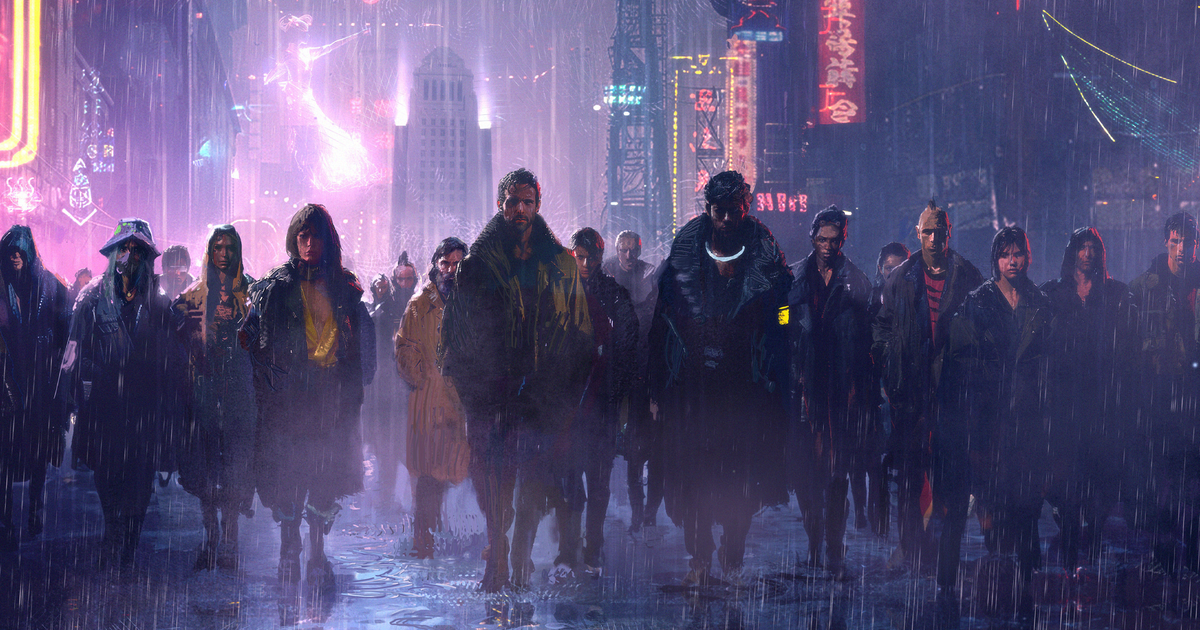
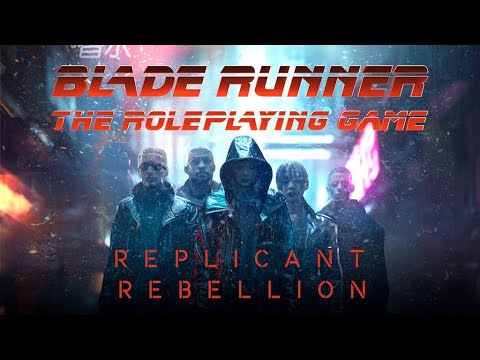
Free League Publishing is known for its stunning visual design, and "Replicant Rebellion" is expected to maintain this high standard. The artwork provided in the initial announcement, depicting a shadowy figure against a backdrop of urban decay, hints at a grittier, more desperate aesthetic. While the core game embraces the neon-noir of Los Angeles, the expansion’s visuals might lean into the hidden, dilapidated corners of the city, the squalid conditions of Replicant havens, and the stark contrast between the glittering corporate towers and the oppressed underworld. Images of makeshift equipment, clandestine meetings, and the defiant expressions of Replicants will likely dominate the artistic direction, reinforcing the theme of a desperate struggle against overwhelming odds. The module will undoubtedly be filled with evocative illustrations and atmospheric maps that transport players directly into the heart of the Replicant Underground.
Official Responses and Development Insights
While direct quotes from Free League Publishing regarding "Replicant Rebellion" are anticipated closer to the Kickstarter launch, we can infer their strategic vision for this expansion.
Free League’s Vision for the Expansion
Free League’s decision to develop "Replicant Rebellion" likely stems from a desire to:
- Deepen Player Engagement: By offering a radically different perspective, the expansion provides a fresh incentive for existing players to return to the game and attracts new players who might be drawn to the underdog narrative.
- Explore Untapped Narrative Potential: The Blade Runner universe is vast, and focusing on the Replicant Underground allows for the exploration of themes and storylines that are only hinted at in the films. It offers a chance to flesh out the daily lives, struggles, and aspirations of Replicants beyond their roles as antagonists or victims.
- Challenge Player Perceptions: By putting players in the shoes of the "other," Free League aims to force a re-evaluation of the moral landscape of Blade Runner, fostering empathy and critical thinking about power structures and identity.
- Leverage Community Input: Choosing Kickstarter as the launch platform is a strategic move. It allows Free League to gauge immediate community interest, secure funding for development, and potentially involve backers in the creation process through stretch goals that unlock additional content, art, or scenarios. This direct engagement often leads to a product that is more aligned with player desires.
The choice of the timeline between Blade Runner and Blade Runner 2049 is particularly astute. This period is ripe for stories of escalating tensions, early resistance movements, and the foundational struggles that would eventually lead to the events of the sequel. It allows for a sense of historical consequence, where player actions could theoretically influence the future of the Blade Runner universe.
Community Anticipation and Engagement
The announcement of "Replicant Rebellion" has undoubtedly ignited excitement within the Blade Runner fan community and the wider tabletop RPG audience. Fans of the films, who have long debated the moral implications of Replicant existence, will likely relish the opportunity to actively participate in their liberation. The established player base of Blade Runner: The Roleplaying Game will be eager to explore new character roles and narrative avenues, especially given Free League’s reputation for delivering high-quality expansions. The Kickstarter campaign is expected to generate significant buzz, with discussions erupting across social media, forums, and tabletop gaming communities, as players share their theories, hopes, and expectations for this transformative addition to the game.
Implications for the Future of the Blade Runner TRPG
"Replicant Rebellion" is more than just an expansion; it’s a pivotal moment for Blade Runner: The Roleplaying Game, signaling a bold new direction and opening up vast possibilities for its future.
Expanding the Narrative Horizon
By shifting the narrative focus, "Replicant Rebellion" significantly broadens the storytelling potential of the Blade Runner TRPG. Future expansions could explore:
- Other Factions: The rise of other resistance groups, corporate espionage between rival mega-corporations, or even human anti-Replicant organizations.
- Off-World Colonies: The original films often mention the "off-world colonies" where Replicants were primarily used for labor. An expansion could allow players to engage in rebellion or investigations in these brutal environments.
- Different Eras: While the current game is between the films, future modules could delve into the very early days of Replicant creation, the events leading up to the Blackout, or even post-2049 scenarios.
- Political Intrigue: The intricate political landscape of a world dominated by corporations and a struggling government could be a rich source of campaigns focused on legislative battles, public perception, and covert influence.
This expansion demonstrates Free League’s commitment to exploring the Blade Runner universe in its entirety, moving beyond the obvious "Blade Runner hunts Replicant" premise to delve into the heart of its most compelling conflicts.
The Enduring Appeal of Cyberpunk and Ethical Dilemmas
The release of "Replicant Rebellion" also underscores the enduring relevance and appeal of cyberpunk as a genre, and Blade Runner in particular. In an era increasingly grappling with the ethics of artificial intelligence, the power of multinational corporations, and growing societal inequalities, the themes explored in Blade Runner resonate more strongly than ever. The expansion’s focus on a liberation movement against an oppressive system provides a powerful lens through which players can engage with these real-world concerns in a fictional setting.
Tabletop roleplaying games offer a unique medium for players to not only witness but actively participate in these complex ethical dilemmas. "Replicant Rebellion" promises to be a deeply immersive and thought-provoking experience, challenging players to consider what it truly means to be human, to fight for justice, and to define freedom in a world that denies it to so many. As the Kickstarter campaign draws near, the anticipation for this groundbreaking expansion continues to build, promising to usher in a new era for Blade Runner: The Roleplaying Game where the lines between hero and villain, human and Replicant, are more blurred than ever before. The streets of Los Angeles await a new kind of rebel, ready to carve out a future for those who have been denied one.