
From the 4077th to a Galaxy Far, Far Away: How ‘The Mandalorian and Grogu’ Reimagines the Classic ‘MAS*H’ Legacy
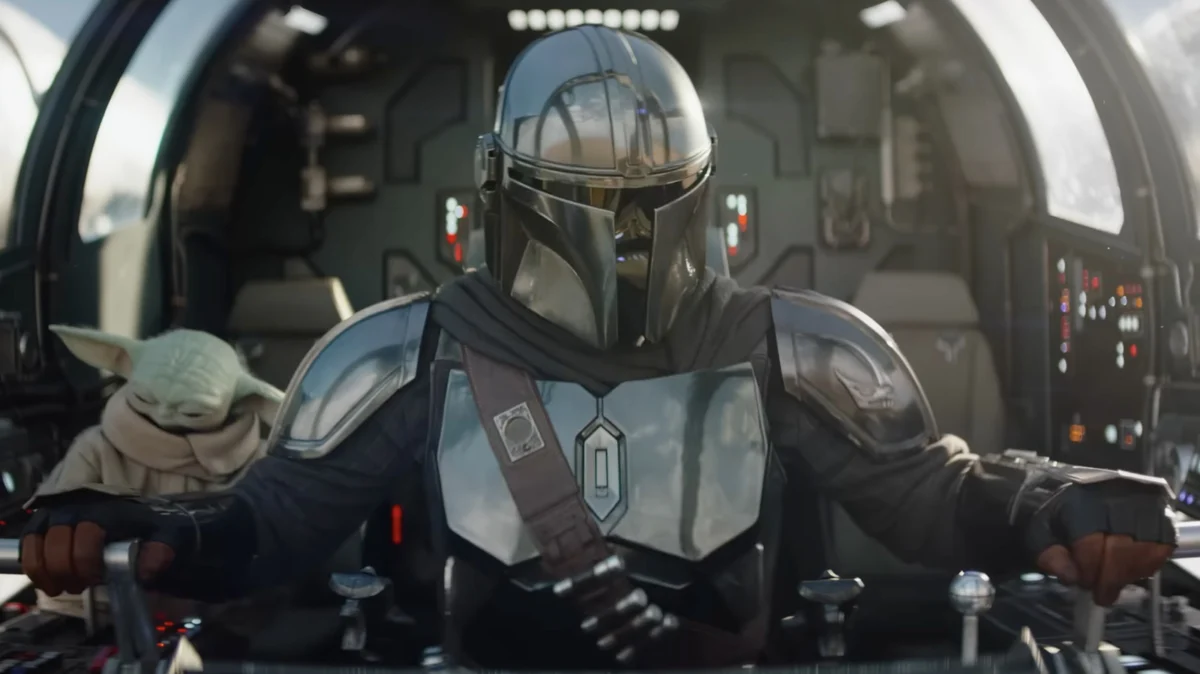
The intersection of classic 20th-century television and the sprawling mythology of Star Wars has reached a new, nostalgic peak with the theatrical release of The Mandalorian and Grogu. While fans expected the high-octane action and emotional resonance that have defined the adventures of Din Djarin and his diminutive ward, few were prepared for a stylistic pivot that draws heavily from one of the most influential anti-war dramedies in history: MASH*.
In a move that signals a departure from the traditional cinematic language of the Star Wars "Saga" films, director Jon Favreau and creative lead Dave Filoni have utilized the opening credits of the new film to pay a sophisticated, multi-layered tribute to the 4077th Mobile Army Field Hospital. This creative choice not only bridges the gap between two eras of prestige storytelling but also redefines the tone of the New Republic era for a global cinema audience.
Main Facts: A Tale of Two Front Lines
The most striking element of The Mandalorian and Grogu is its opening credit sequence—the first of its kind in a live-action Star Wars theatrical release. While the mainline episodic films are famous for their iconic scrolling text, this spin-off film opts for a visual montage that mirrors the 1972–1983 television masterpiece MASH*.
The parallels are not merely coincidental but are woven into the very fabric of the film’s production design and auditory landscape. Key similarities include:
- Visual Framing: The opening shots feature X-Wings and Y-Wings navigating through rolling hills as they approach Adelphi Base. This mirrors the iconic MASH* introduction, where Bell H-13 Sioux helicopters fly through the mountains of Malibu (doubling for South Korea) toward the hospital camp.
- Acoustic Homage: Composer Ludwig Göransson, known for his experimental and instrument-heavy scores, introduces a guitar riff that echoes the melancholic, folk-inspired melody of "Suicide Is Painless," the theme song for both the MASH* film and television series.
- The Setting of Adelphi Base: The film’s primary hub of operations, Adelphi Base, is presented not as a sterile military installation but as a "lived-in," temporary outpost. It functions as a frontier bar and briefing room, mirroring the "Swamp" and the Officers’ Club where the surgeons of the 4077th spent their downtime.
- Character Naming Conventions: The presence of New Republic pilot Trapper Wolf (played by Dave Filoni) serves as a direct nod to "Trapper" John McIntyre, a central character in the early seasons of MASH*.
Chronology: The Evolution of the ‘Mando-Verse’ Aesthetic
To understand why The Mandalorian and Grogu leans so heavily into the MASH* aesthetic, one must look at the evolution of the "Mando-Verse" over the last five years.
2019–2020: The Space Western Roots
When The Mandalorian debuted on Disney+, its DNA was rooted in the "Lone Samurai" and "Man with No Name" tropes of Akira Kurosawa and Sergio Leone. The focus was on the solitary bounty hunter navigating a lawless galaxy.
2022–2023: The Introduction of Adelphi Base
In the second and third seasons of the television show, the narrative expanded to include the New Republic’s struggle to police the Outer Rim. We were introduced to Adelphi Base and characters like Carson Teva (Paul Sun-Hyung Lee). It was here that the "wartime camaraderie" vibe began to take root, moving the series away from the Western genre and toward the "military procedural" feel of 1970s television.
2024: The Transition to the Big Screen
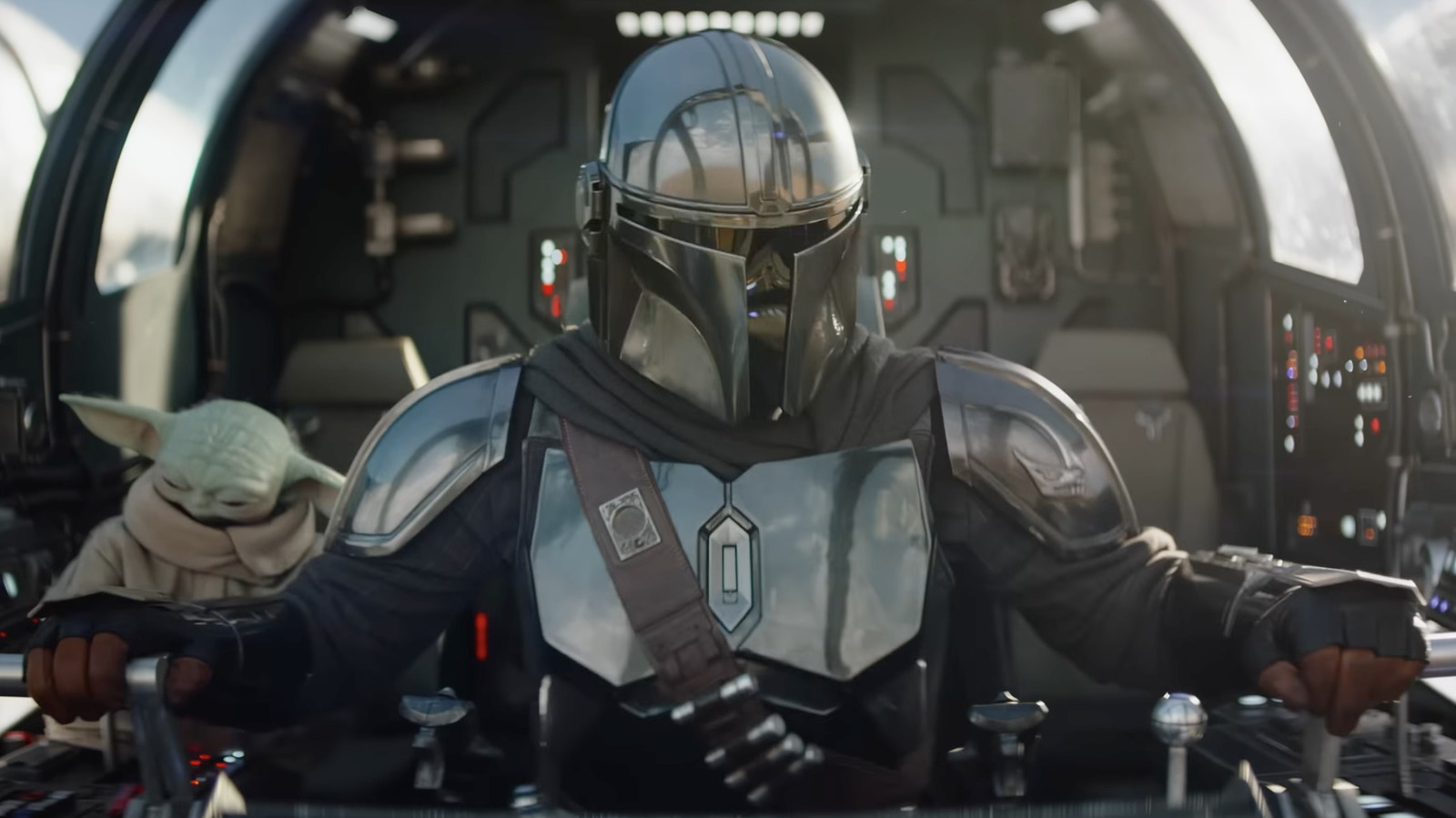
With the announcement of The Mandalorian and Grogu, Favreau and Filoni faced a challenge: how to make a TV-born property feel "cinematic" without losing its episodic charm. The solution was to embrace the stylistic heritage of the very medium that birthed the characters. By referencing MASH*, the filmmakers have signaled that while the scale is larger, the heart of the story remains with the "grunts" and pilots working on the fringes of a galactic conflict.
Supporting Data: Visual and Auditory Analysis
The decision to reference MASH* is supported by specific technical choices in cinematography and sound design that differentiate this film from the "Space Opera" grandeur of the Skywalker Saga.
The Göransson Soundscape
Ludwig Göransson’s score has always been a departure from John Williams’ orchestral tradition. In The Mandalorian and Grogu, Göransson leans into the "TV-to-Film" transition by using a stripped-back, acoustic guitar-led melody during the credits. Analysis of the tempo and key reveals a striking similarity to the instrumental version of "Suicide Is Painless" (composed by Johnny Mandel). This creates an immediate psychological association with the "comedy-in-tragedy" tone that MASH* pioneered.
The Geography of Adelphi
Adelphi Base, as depicted in the film, utilizes the "Volume" (StageCraft) technology to recreate terrain that looks remarkably like the Santa Monica Mountains where MASH* was filmed. The dusty, arid landscape and the use of modular, temporary housing units for the pilots reinforce the "Mobile Army" aesthetic. Unlike the sprawling bases on Coruscant, Adelphi feels like a place that could be packed up and moved at a moment’s notice—a central theme of the 4077th’s existence.
Casting as Meta-Commentary
The inclusion of Sigourney Weaver as Colonel Ward adds a layer of "prestige genre" weight to the film. As a veteran of the Alien franchise, Weaver represents the gritty, blue-collar side of science fiction. Her role as a commanding officer delivering briefings in a communal bar setting mirrors the roles of Colonel Blake or Colonel Potter in MASH*, providing a moral compass and a sense of weary authority to the younger pilots.
Official Responses and Creative Intent
While Lucasfilm has remained tight-lipped about the specific "Easter eggs" until the film’s wide release, Dave Filoni has frequently discussed his influences in recent press junkets. Filoni, a self-professed fan of 1970s and 80s television, has noted that the "lived-in" feel of Star Wars was always meant to reflect the reality of service members.
"We wanted Adelphi to feel like a community," Filoni stated in a recent behind-the-scenes featurette. "In the original trilogy, we saw the high-level rebellion. Here, we’re seeing the people who stay behind, the pilots who are out there every day just trying to maintain order. There’s a specific kind of humor and camaraderie that comes with that kind of service."
Industry analysts suggest that the MASH* tribute is also a strategic move by Disney to appeal to an older demographic of "Legacy" fans who grew up with 1970s television, while simultaneously providing a fresh visual language for younger viewers tired of the standard superhero movie tropes.
Implications: A New Direction for Star Wars
The success of this stylistic experiment has significant implications for the future of the Star Wars franchise.
1. The Death of the "Opening Crawl" for Spin-offs
By successfully utilizing a stylized credit sequence, Lucasfilm has broken the "crawl or nothing" mandate. This opens the door for future films (such as the upcoming James Mangold or Sharmeen Obaid-Chinoy projects) to adopt unique visual identities that reflect their specific genres—be it biblical epic, political thriller, or horror.
2. Genre Hybridization
The Mandalorian and Grogu proves that Star Wars can function as a "Wartime Dramedy." By blending the high stakes of the Imperial remnant threat with the "hanging out" vibe of an officers’ club, the film creates a more relatable and grounded version of the galaxy. This shift toward "character-first" military storytelling may influence the upcoming Lando film and the second season of Ahsoka.
3. The "Television-ification" of Cinema
As the line between high-budget streaming series and theatrical films continues to blur, The Mandalorian and Grogu stands as a landmark case. It does not shy away from its TV roots; instead, it celebrates them. By paying tribute to MASH*, a show that ran for 11 seasons and had one of the most-watched finales in history, the film positions itself as part of a long tradition of "appointment viewing" that transcends the medium.
In conclusion, The Mandalorian and Grogu is more than just the next chapter in a popular franchise. It is a sophisticated nod to the history of television, a masterclass in tonal world-building, and a reminder that even in a galaxy far, far away, the human (and Mandalorian) experience of war, friendship, and humor remains universal. Whether you are a fan of Hawkeye Pierce or Din Djarin, the message is clear: the best stories are found in the quiet moments between the battles.


Leave a Comment