
Google’s Icon Overhaul Sparks Creative Renaissance: Users Reimagine App Designs with Hilarious Skeuomorphism
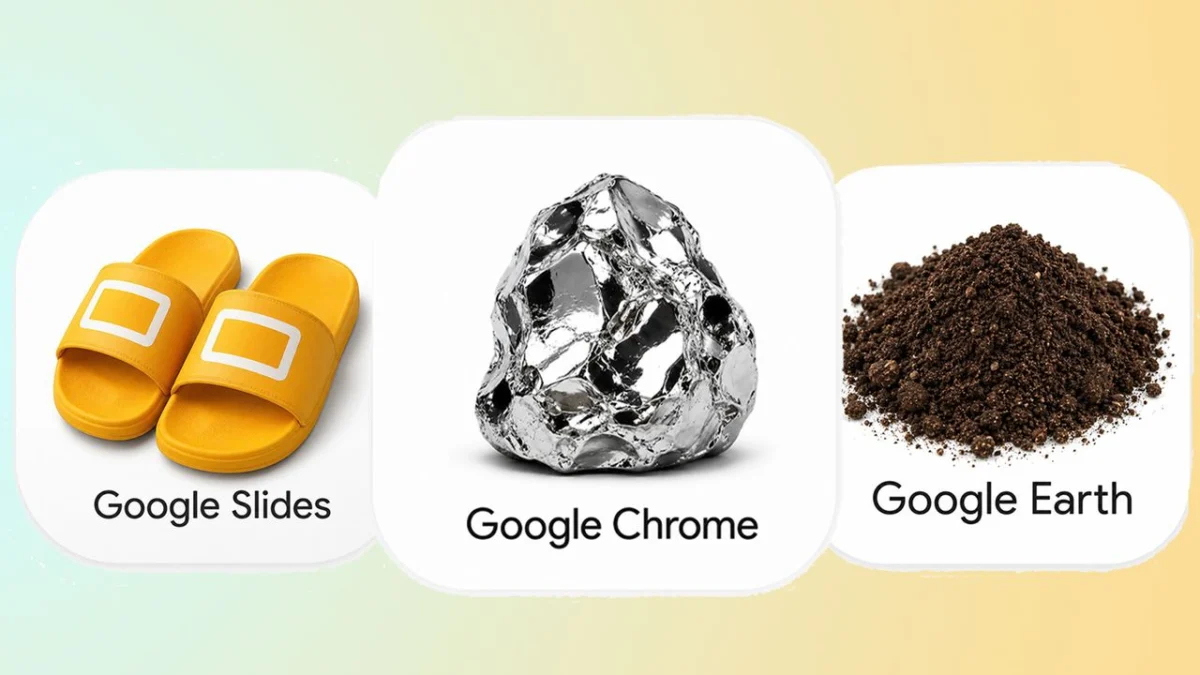
The tech giant’s recent refresh of its app icons has not only been met with widespread user approval but has also ignited a vibrant wave of creative reinterpretation across social media. What began as a practical design update has evolved into a fascinating exploration of visual language, with users crafting humorous and surprisingly insightful alternative icons that champion a resurgence of skeuomorphism.
A Breath of Fresh Air: Google’s Icon Refresh Meets User Approval
In a significant move that has resonated positively with its vast user base, Google recently undertook a comprehensive revamp of its iconic app emblems. For years, many users had lamented the increasing homogeneity of the brand’s digital footprint, with the previous generation of icons tending towards a flattened, albeit unified, aesthetic that often rendered them nearly indistinguishable from one another. The introduction of the new icons, however, has been met with a wave of genuine appreciation, signaling a successful departure from the perceived monotony of their predecessors.
This positive reception has, in turn, fostered an unexpected creative outpouring on platforms like X (formerly Twitter). Users, inspired by the fresh visual direction, have begun to share their own imaginative interpretations of the updated Google app icons. These user-generated designs range from the whimsical and playful to the outright absurd, demonstrating a shared enthusiasm for the possibilities of visual communication and brand identity.
The Genesis of a Trend: From Sheets to Skeuomorphic Spectacle
The spark that ignited this creative wildfire was a seemingly innocuous tweet from X user Amichai Mantinband (@aimihia). Mantinband shared a subtly altered version of the new Google Sheets icon, accompanied by the now-famous caption: "hear me out." His reimagining transformed the clean, geometric representation of the Sheets app into a literal pile of rumpled bed sheets. This playful yet remarkably effective visual pun immediately captured the attention of the online community.
Mantinband’s ingenious take on the Sheets icon was not just a joke; it was a masterful demonstration of skeuomorphic design principles. Skeuomorphism, a design style that imitates the physical characteristics of real-world objects, imbues digital interfaces with a tangible, familiar quality. While often criticized in the past for being overly ornate or outdated, Mantinband’s design proved that when applied thoughtfully, skeuomorphism can lend an icon instant recognizability and a delightful sense of wit. The immediate success of this concept highlighted the inherent limitations of purely abstract design when it comes to conveying immediate meaning.
The success of Mantinband’s initial tweet quickly spurred a viral trend. Other X users, inspired by his inventive approach, began to apply similar literal interpretations to a variety of other Google applications. The thread expanded rapidly, showcasing a diverse array of creative reinterpretations:
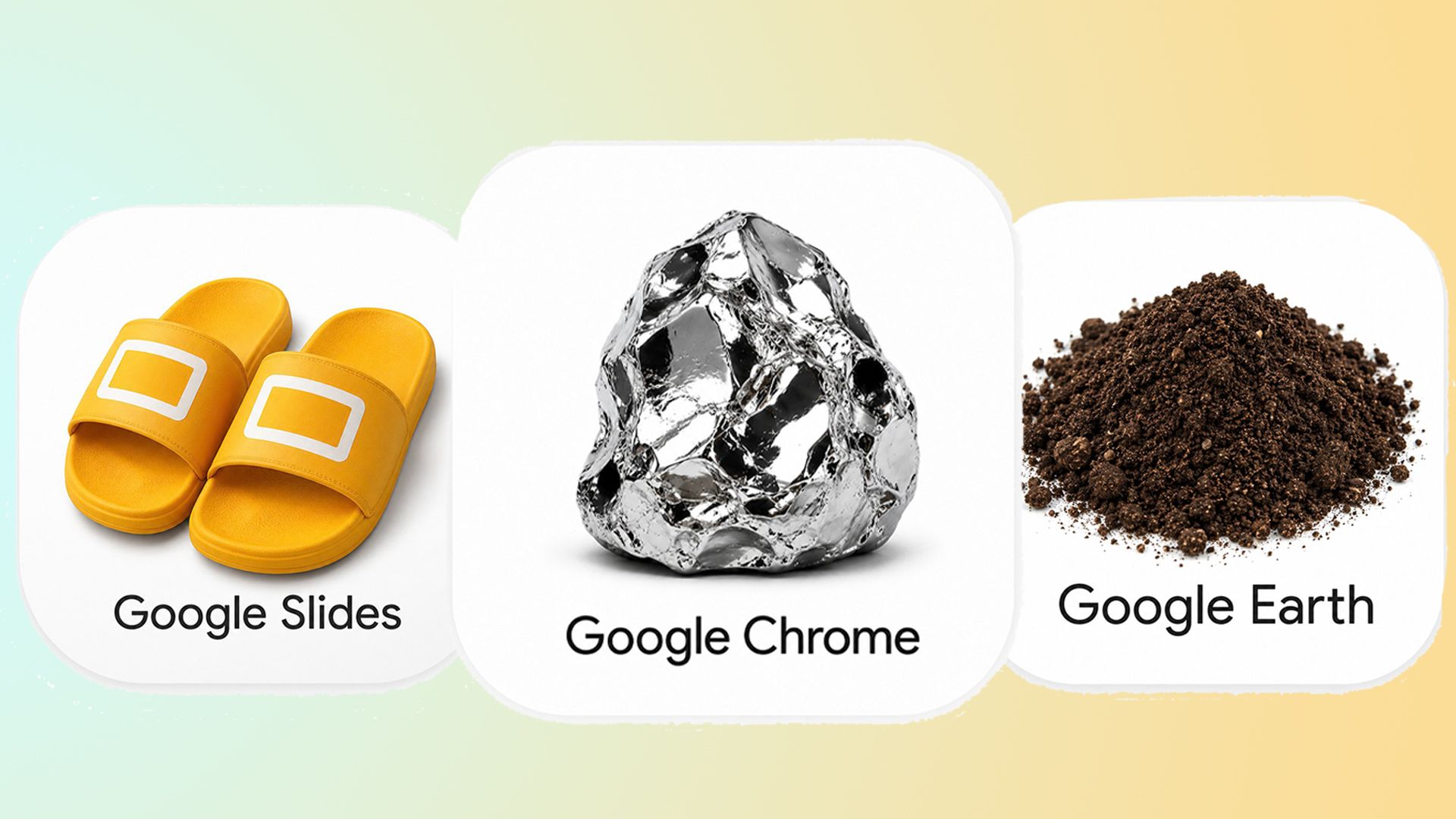
- Google Earth: Reimagined as a literal mound of dirt, evoking the terrestrial nature of the service.
- Google Slides: Transformed into a pair of slider sandals, a clever visual pun on the word "slides."
- Google Drive: Depicted as a physical filing cabinet, emphasizing its organizational function.
- Google Calendar: Presented as a classic wall calendar, complete with tear-off pages.
- Google Maps: Rendered as a vintage, foldable road map, complete with creases and annotations.
- Google Photos: Visualized as a tangible photo album, complete with the texture of aged paper.
- Google Chrome: Depicted as a gleaming, polished chrome sphere, reflecting its namesake material.
- Google Docs: Imagined as a stack of crisp, blank paper, ready for writing.
These user-generated icons, by prioritizing realism and tangible representation over abstract minimalism, represent a fascinating counter-current to the dominant design trends of the past decade. They underscore the enduring power of visual metaphor and the potential for humor and relatability in digital design.
The Resurgence of Skeuomorphism: A Design Philosophy Re-examined
The explosion of skeuomorphic Google icons on X is more than just a fleeting internet meme; it signals a potential re-evaluation of design philosophies in the digital age. For years, the design world has largely embraced flat design and minimalism, prioritizing clean lines, simple color palettes, and abstract representations. This approach has been lauded for its efficiency, scalability, and modern aesthetic.
However, the overwhelming positive response to these skeuomorphic interpretations suggests a user appetite for designs that are not only functional but also engaging and evocative. The inherent tactility and familiarity of skeuomorphism allow for an immediate understanding of an app’s purpose, bypassing the cognitive effort sometimes required to decipher abstract icons.
This trend also coincides with broader discussions about the role of nostalgia in design. As digital natives grow up and digital interfaces become increasingly ubiquitous, there’s a growing appreciation for design elements that evoke a sense of the past. Skeuomorphism, with its roots in imitating physical objects, naturally taps into this nostalgic sentiment.
The user-generated designs, while often humorous, also highlight a key principle of effective icon design: clarity and immediate recognizability. The success of these literal interpretations lies in their ability to convey the function of an app at a glance, a quality that even the most sophisticated minimalist designs can sometimes struggle to achieve. The contrast between the practical, often abstract, nature of modern app icons and these playful, tangible reinterpretations is a testament to the diverse ways in which design can communicate.
The Visual Power of Literalism: A Case Study in Iconography
The success of this trend provides valuable insights into the effectiveness of literal representation in iconography. While contemporary design often favors abstraction for its aesthetic appeal and scalability, the user-generated Google icons demonstrate that a more direct, literal approach can be incredibly effective in communicating meaning and fostering engagement.
Consider the Google Sheets icon reimagined as crumpled bed sheets. This immediately tells you what the app is for, not just through its color or shape, but through a direct visual analogy. Similarly, the Google Earth icon as a pile of dirt is instantly understandable, while the Google Slides icon as sandals offers a clever and memorable visual pun.
This approach offers several advantages:
- Enhanced Memorability: Literal representations are often easier to remember because they connect to familiar, real-world objects.
- Reduced Cognitive Load: Users don’t have to interpret abstract symbols; the meaning is readily apparent.
- Increased Engagement: The humor and creativity inherent in these designs make them more engaging and shareable.
- Nostalgic Appeal: For many, these designs evoke a sense of familiarity and comfort associated with older, more tactile interfaces.
However, it is also important to acknowledge the practical limitations of such designs, as alluded to in the original article with the mention of Spotify’s controversial disco logo. Overly detailed skeuomorphic designs can indeed pose challenges for scalability, particularly at very small sizes on mobile devices. Pixelation and loss of detail can occur, diminishing the icon’s effectiveness. The brilliance of many of these user-generated icons lies in their ability to strike a balance, offering a clear literal representation without becoming overly complex. They are conceptual rather than meticulously detailed replicas, which allows them to retain a degree of scalability.
The Future of Digital Aesthetics: A Blend of Old and New?
The phenomenon of users creatively reinterpreting Google’s new icons offers a compelling glimpse into the evolving landscape of digital design. While the tech industry has largely leaned into minimalism and flat design for practical and aesthetic reasons, this trend suggests a growing desire for interfaces that are not only functional but also engaging, relatable, and even humorous.
The resurgence of skeuomorphism, even in a playful and conceptual form, highlights the enduring power of tangible design principles. It prompts designers to consider whether the relentless pursuit of flatness has, in some instances, led to a loss of personality and immediate comprehension.
The creative outpouring on X serves as a valuable reminder that design is not merely about aesthetics; it’s about communication, connection, and user experience. As Google continues to refine its visual identity, and as other tech giants navigate their own design updates, the success of these user-generated skeuomorphic icons may well inspire a more nuanced and diverse approach to digital aesthetics, one that thoughtfully integrates the lessons of the past with the innovations of the future. The conversation initiated by a simple tweet about crumpled bed sheets has, in essence, opened a new dialogue about what makes digital design truly effective and enjoyable.


Leave a Comment