
Honami Yano’s Hand-Painted Short ‘Eri’ Drops Trailer Ahead Of Cannes World Premiere (EXCLUSIVE)
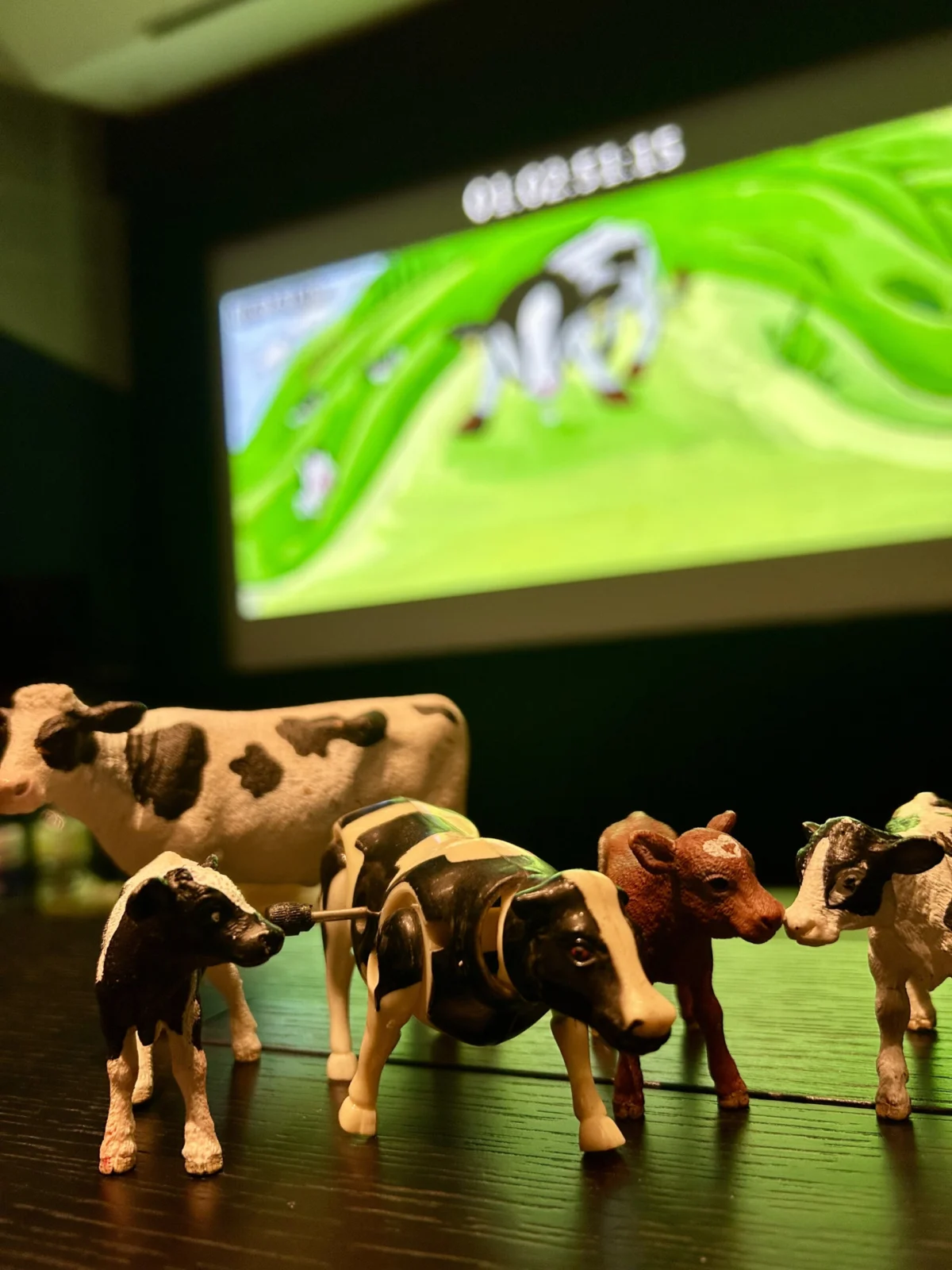
A poignant and visually arresting animated short, "Eri," by Japanese animator Honami Yano, is set to make its international debut at the prestigious Cannes Directors’ Fortnight. Following her acclaimed breakthrough short "A Bite of Bone," Yano once again delves into the complex tapestry of desire, memory, and the body, this time through the evocative lens of a dairy cow’s yearning for another. The film, adapted from Kasumi Asakura’s novel "Who Else Is There?", transforms human characters into bovine counterparts, a bold conceptual leap that, as Yano explains, grounds the narrative in profound emotional and societal realities.
Cartoon Brew is thrilled to exclusively premiere the first trailer for "Eri," offering a captivating glimpse into Yano’s meticulously crafted, hand-painted world. The 12-minute short promises a tactile, immersive experience, showcasing windswept mountains, longing gazes, and the vibrant, almost living texture of Yano’s acrylic animation.
The Genesis of a Bovine Romance: From Novel to Unsettling Truth
Honami Yano has established herself as a filmmaker unafraid to explore the less comfortable corners of human (and, in this case, animal) emotion. Her previous work, "A Bite of Bone," was lauded for its unsettling exploration of desire and physicality, rendered through an animation style that felt both organic and decaying. "Eri" continues this thematic exploration, but with a unique narrative twist.
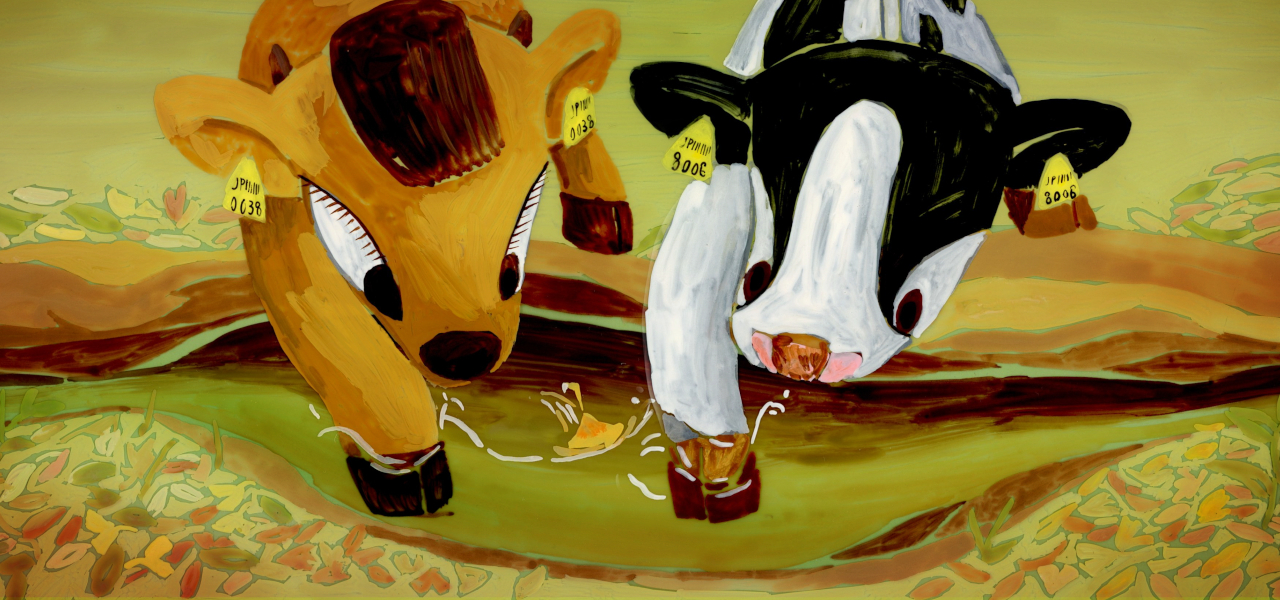
The film centers on Eri, a Holstein cow living in a world where dairy cows are kept only for their reproductive capabilities. Eri finds herself consumed by a deep, hopeless love for another cow named Sawa. The narrative traces the overwhelming force of this attachment, set against landscapes that blur the lines between dream, memory, and visceral sensation.
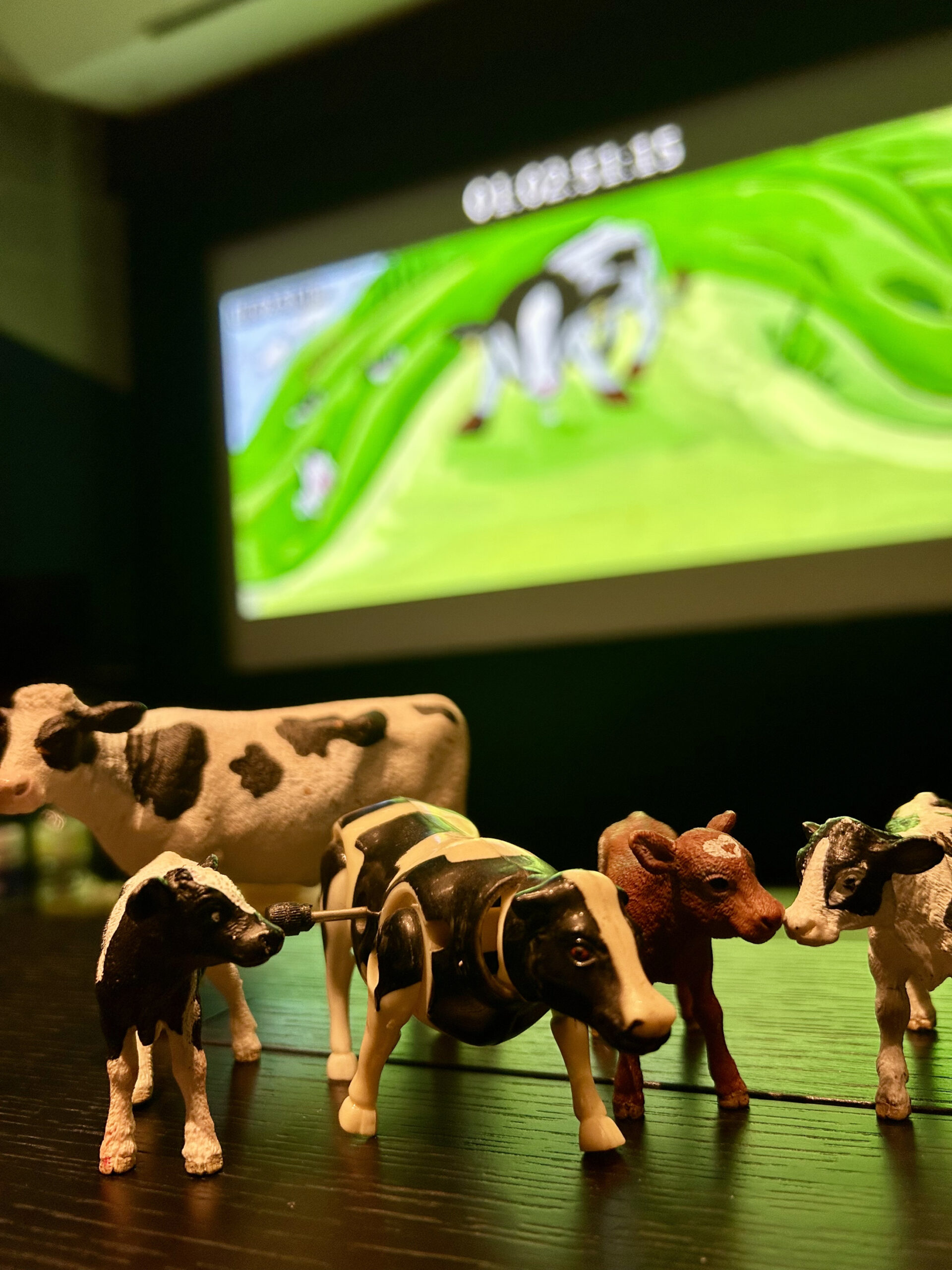
The conceptual leap of adapting a story about human characters into one featuring cows was not a whim but a carefully considered artistic choice, deeply rooted in Yano’s personal connection to Kasumi Asakura’s novel. "This novel has been precious to me since my student days," Yano reveals in an exclusive interview with Cartoon Brew. "When I began thinking about how to bring Kasumi Asakura’s words to life in animation, I had a feeling that keeping the characters human would somehow close the work in, limit what it could become."
The true breakthrough, Yano explains, emerged from the novel’s nuanced exploration of skin color and the self-consciousness it engenders. "One is troubled by how light hers is, the other by how dark hers is," Yano says, referencing the book’s protagonists. "Light skin and dark skin. White and black. That thought led me to a farm. And when I met the cows there, I knew, these were the ones I wanted to draw."
A Deeper Layer: The Realities of Dairy Farming and Queer Desire
What began as a visual inspiration soon evolved into a narrative layered with profound emotional and political resonance as Yano immersed herself in the realities of dairy farms across Japan. Her time spent observing the lives of these animals fundamentally reshaped her understanding of the story’s stakes.
"A dairy farm is, at its foundation, a world of females," Yano observes. "The cows exist to produce milk, and to produce milk, they must give birth. From the time they are just over a year old, reproduction begins to define their existence." This stark realization transformed the narrative’s emotional core.
"In that world, a queer love story becomes something far greater than a love story," she continues. "A same-sex love in a world where you cannot remain unless you bear a child, that urgency, that impossibility, felt so much more absolute than anything I could have rendered with human characters." This understanding imbues "Eri" with a potent critique of societal structures that dictate existence and limit freedom, particularly for those who deviate from the norm.
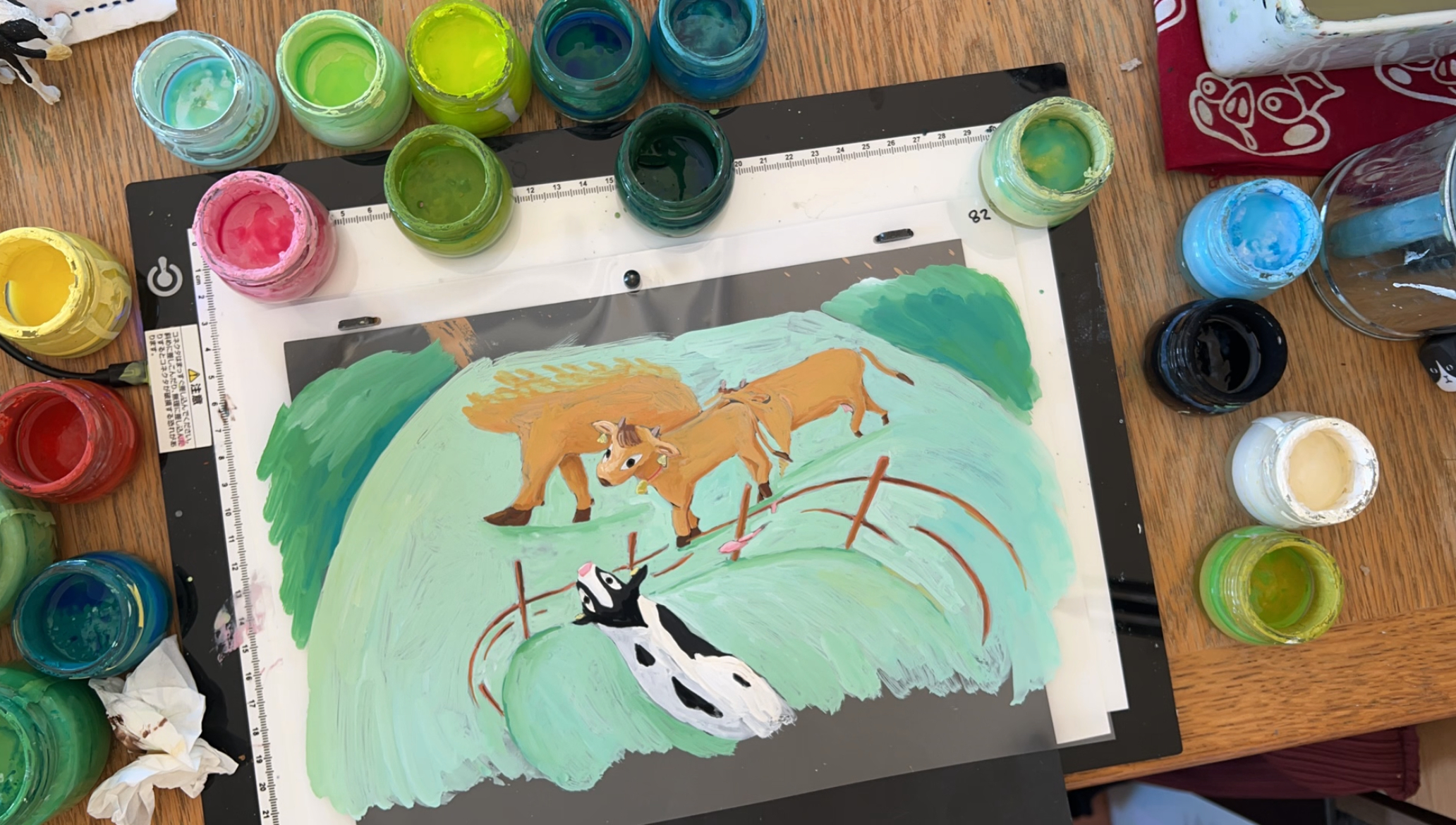
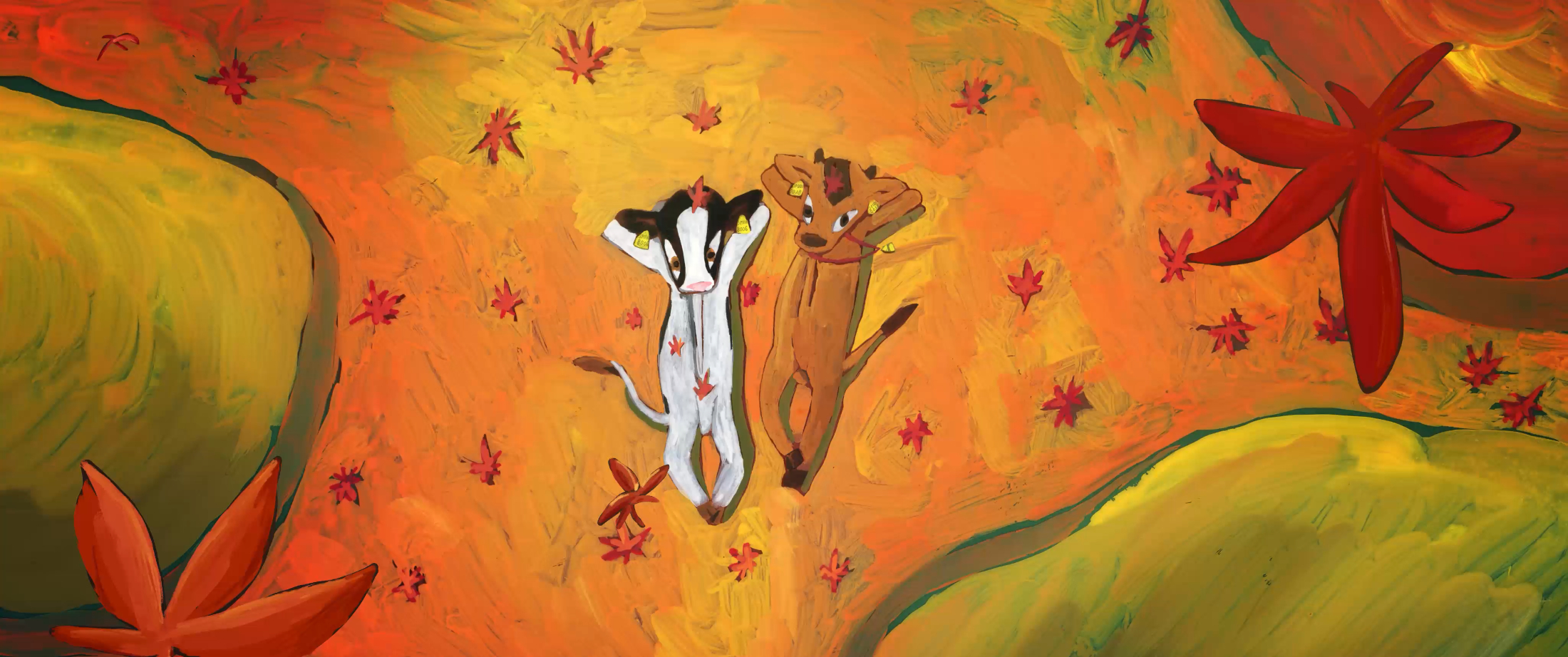
Despite the weight of these themes, "Eri" is far from being a purely symbolic or didactic film. It maintains a delicate balance, being deeply dramatic yet imbued with a surprising playfulness. The animation itself is a testament to this duality. Landscapes ripple with thick, vibrant brushstrokes, creating a sense of constant movement and life. The cows, while retaining a degree of animalistic realism, are animated with an emotional exaggeration that allows them to convey complex feelings without being fully anthropomorphized.
A Tactile Masterpiece: The Artistry of Hand-Painted Animation
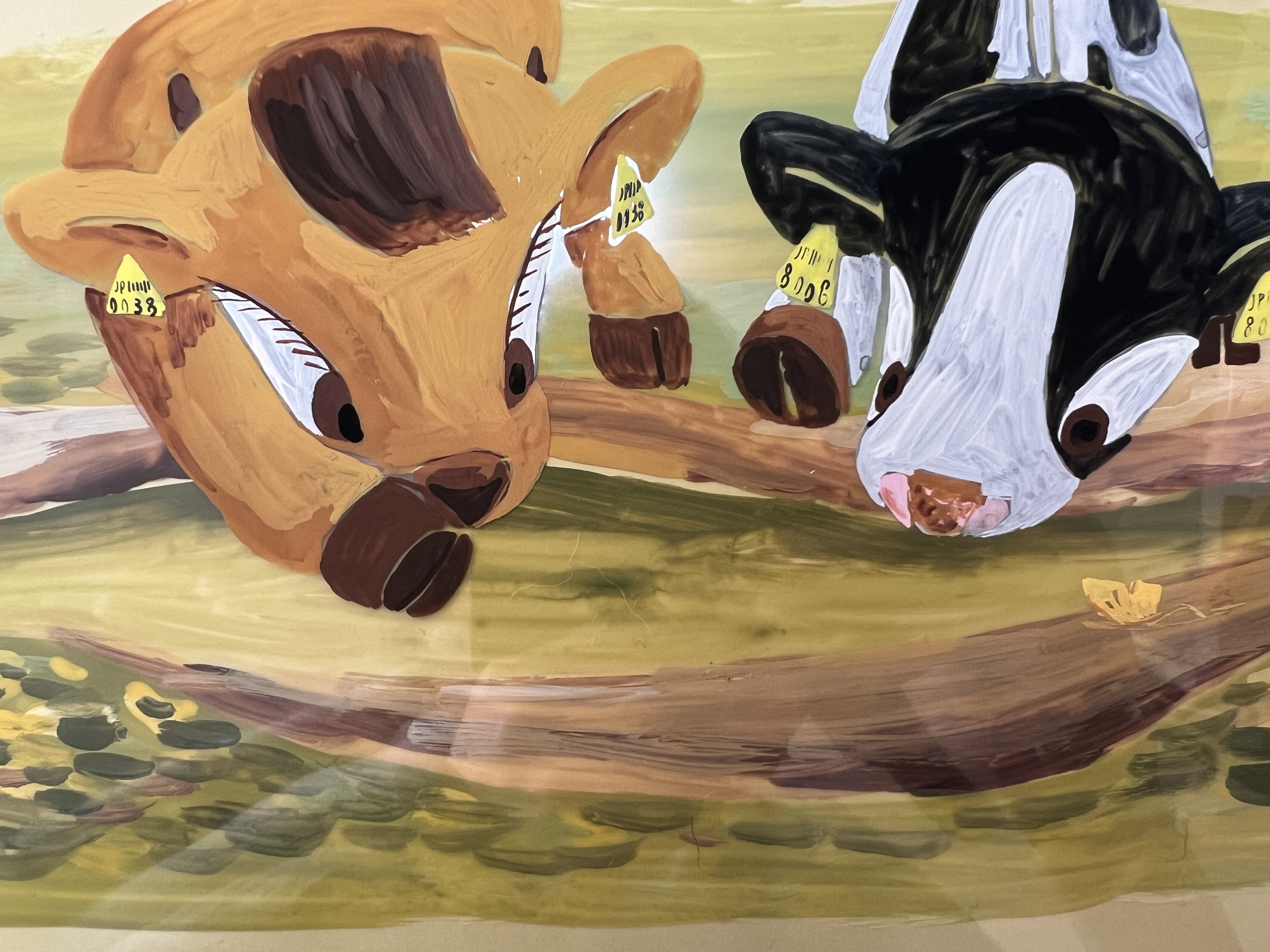
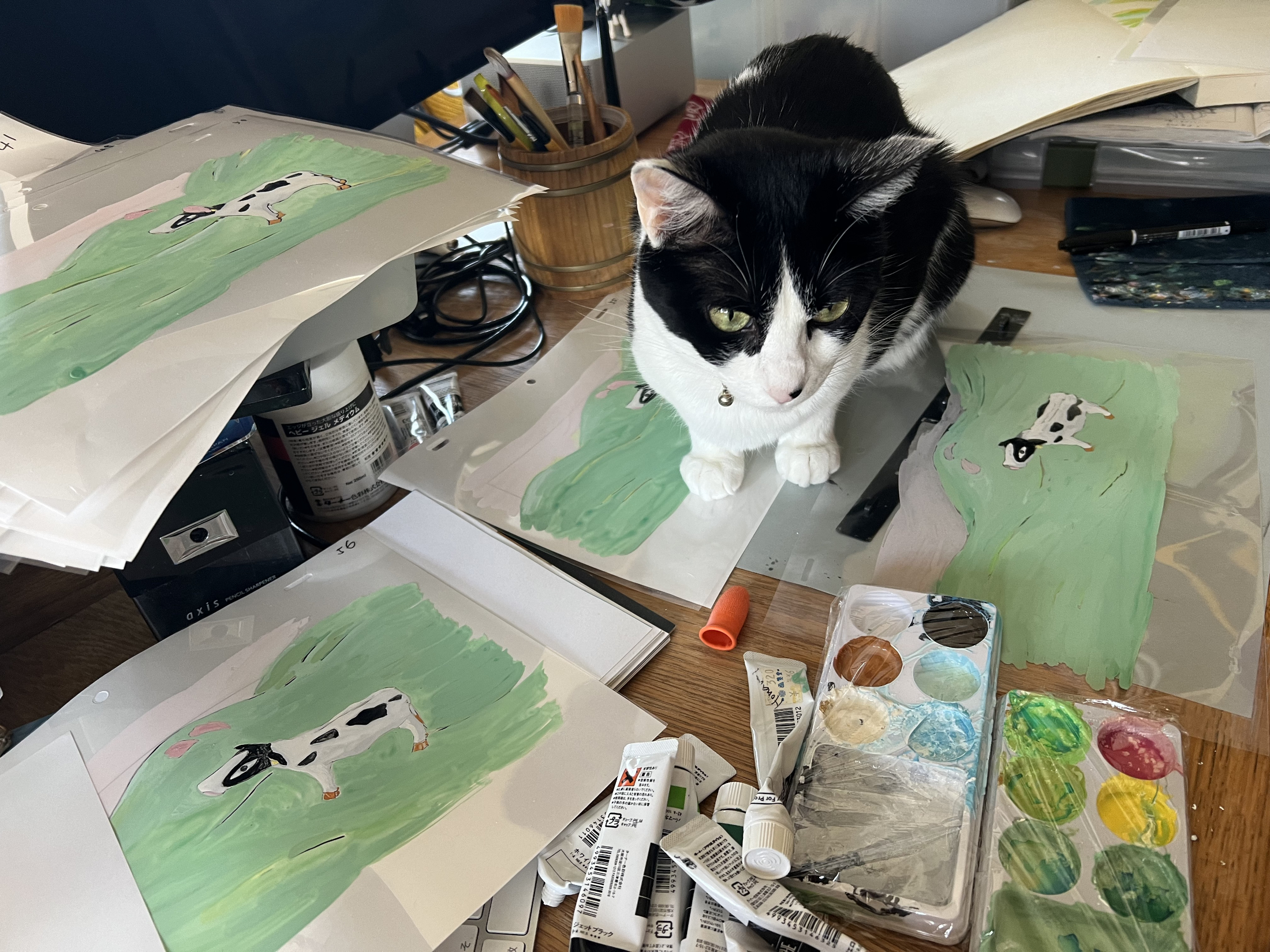
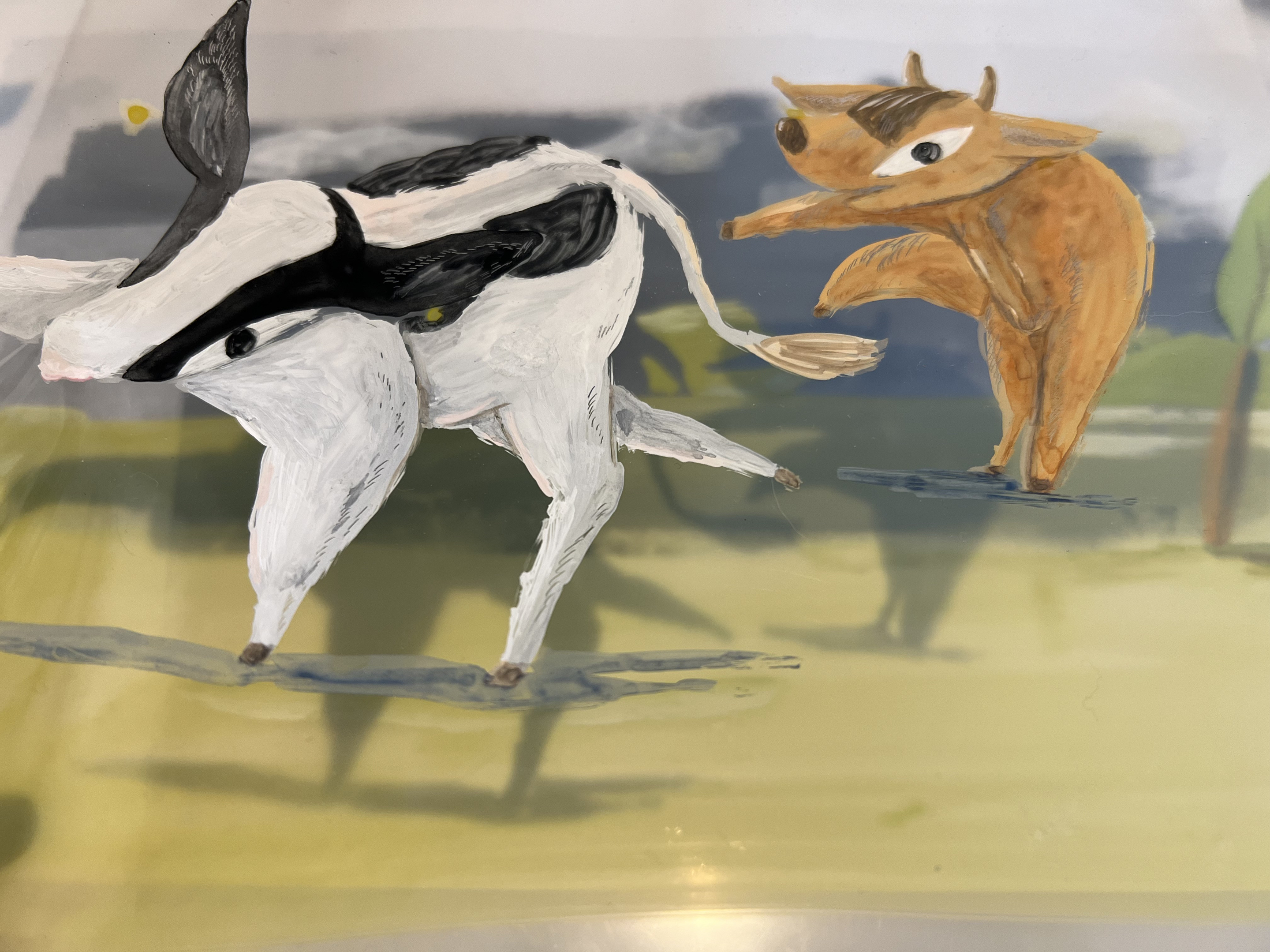
The visual richness of "Eri" is a direct result of Yano’s painstaking animation process. Every frame was meticulously hand-painted with acrylic paint directly onto transparent cels. This technique imbues the animation with a palpable physical texture and dimensionality, making it feel almost sculptural. The visible brushstrokes in every frame, the way paint gathers thickly around the edges of bodies and landscapes, contribute to a world that feels both unstable and vibrantly alive.
This commitment to a tangible aesthetic extends to the film’s production. "Eri" is a France-Japan co-production between Miyu Productions and Tokyo-based animation studio Au Praxinoscope. The involvement of Oscar-nominated animator Koji Yamamura as supervising producer places Yano’s deeply personal work within a lineage of filmmaking that champions formally adventurous animated cinema and has a strong track record in awards circuits.
Yano’s unique visual approach was not immediately apparent. It emerged after years of experimentation and a particularly vivid dream. "The cows I met at the farms were warm and soft, and I knew I wanted to paint them with a brush," she recalls. "I started working on animation paper, but after around two hundred paintings, something still wasn’t right."
The dream provided the crucial answer. "One night, I had a dream," Yano recounts. "I was painting Eri and the others on transparent paper, with the characters and background existing as separate physical layers. The shadows of the characters fell onto the background beneath them. It was extraordinarily beautiful. When I woke up, I knew with complete certainty: I would paint on transparent cel." This dream-inspired technique lends "Eri" a density and depth rarely seen in contemporary animated shorts, even those employing similar techniques.
Choreography of Longing and the Widening Perspective
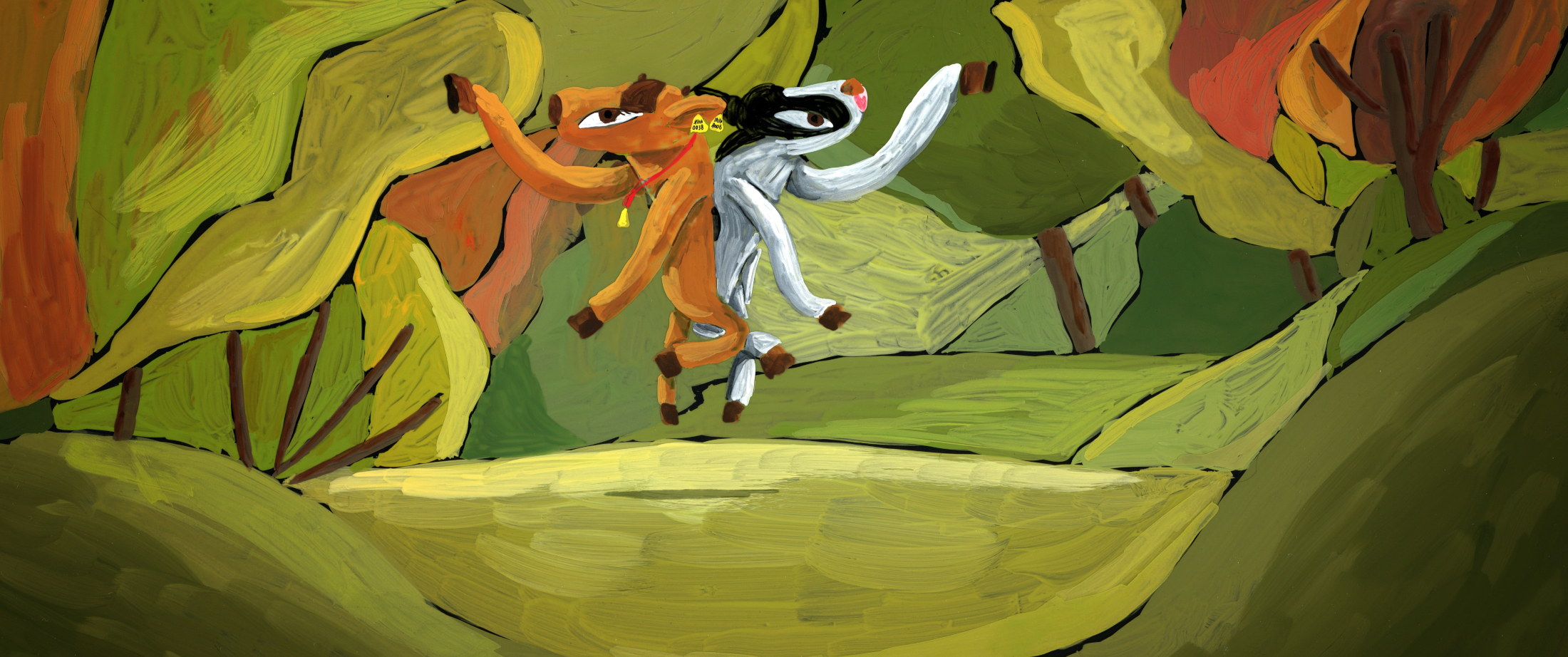
The film’s expressive power is particularly evident in its extraordinary dance sequence. Here, Eri’s obsessive devotion to Sawa is translated into movement, with Eri mirroring Sawa’s increasingly elaborate choreography. "The dance sequence was my way of expressing the architecture of Eri’s longing through movement," Yano explains. "Eri is desperate to become Sawa, to be like her in every way. So no matter how intricate or elaborate Sawa’s dancing becomes, Eri mirrors it perfectly. I wanted to hold that devotion lightly, with humor and a kind of joy."
This emotional intensity is deeply grounded in Yano’s extensive firsthand research. During the film’s production, she made repeated visits to dairy farms in rural Japan, sketching cows and walking through mountain pastures to develop the film’s visual language. One particular encounter proved pivotal.
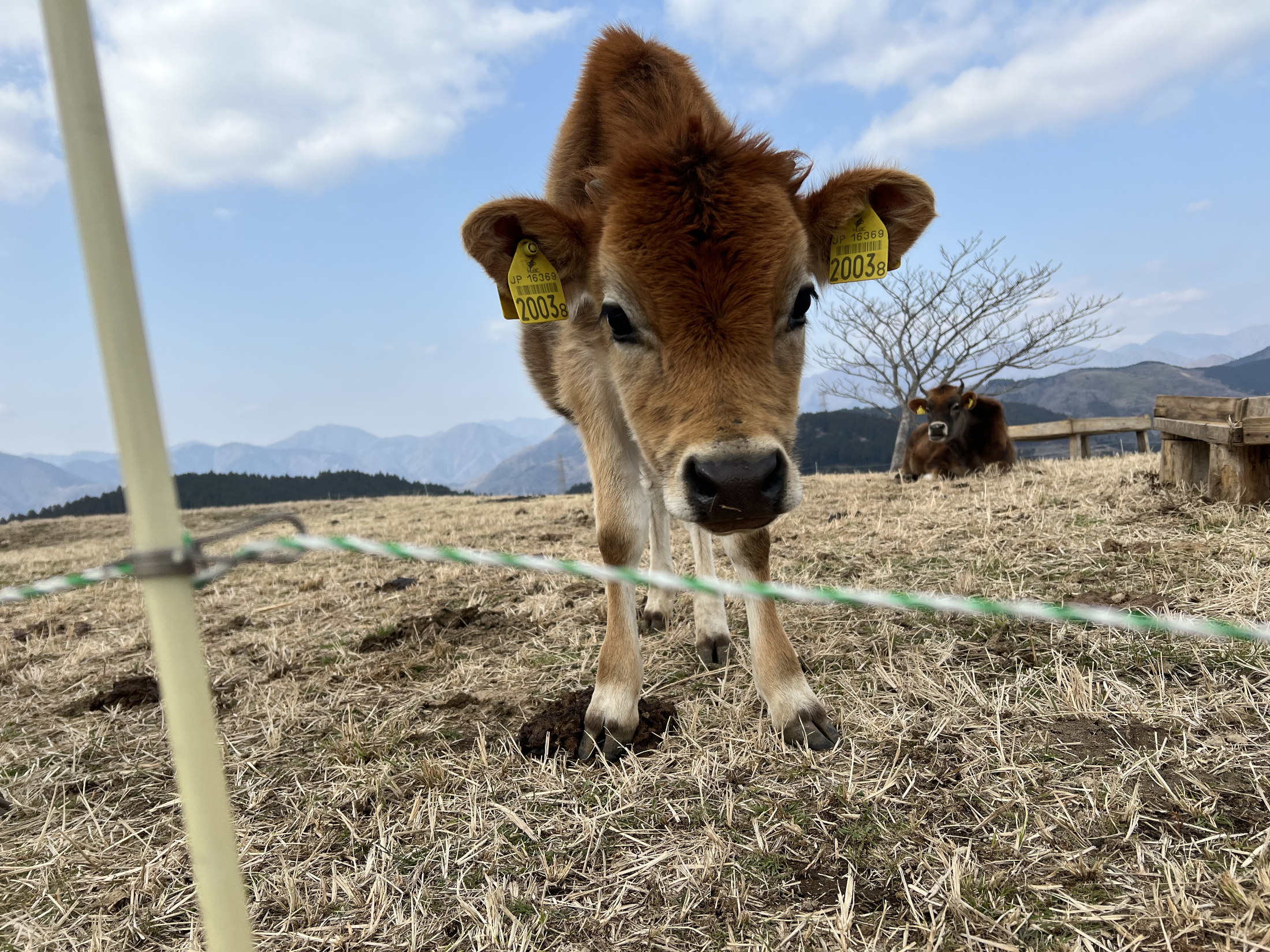
"As the research continued, I began to see where Eri and the others lived, not inside a barn, but somewhere with a mountain ridge visible on the horizon," she says. "If she was going to fall in love, the sky above her had to be wide open." This vision led her to a free-range dairy farm in the mountains, where she met a cow named Sawa. "I fell for her instantly, completely, and gave her name to the character in the film."
The practicalities of the farm also informed the film’s formal choices. Yano notes in the film’s press materials, "A cow’s field of vision spans approximately 330 degrees. In order to bring this expanded perspective into the film, to capture these creatures living across vast mountain terrain, I chose the CinemaScope aspect ratio." This decision enhances the viewer’s immersion, offering a panoramic view that mirrors the expansive landscapes and the cows’ own perception of their world.
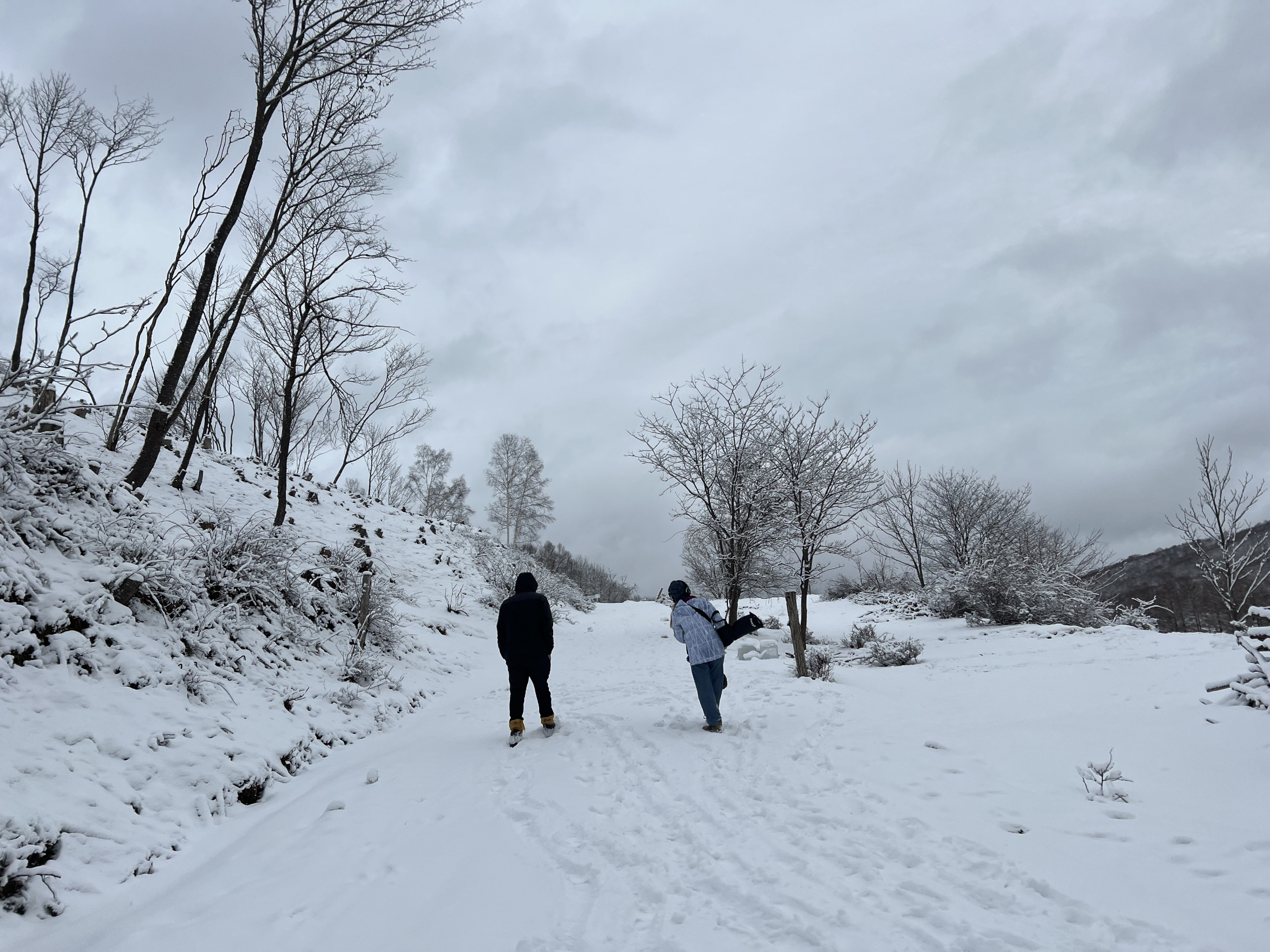
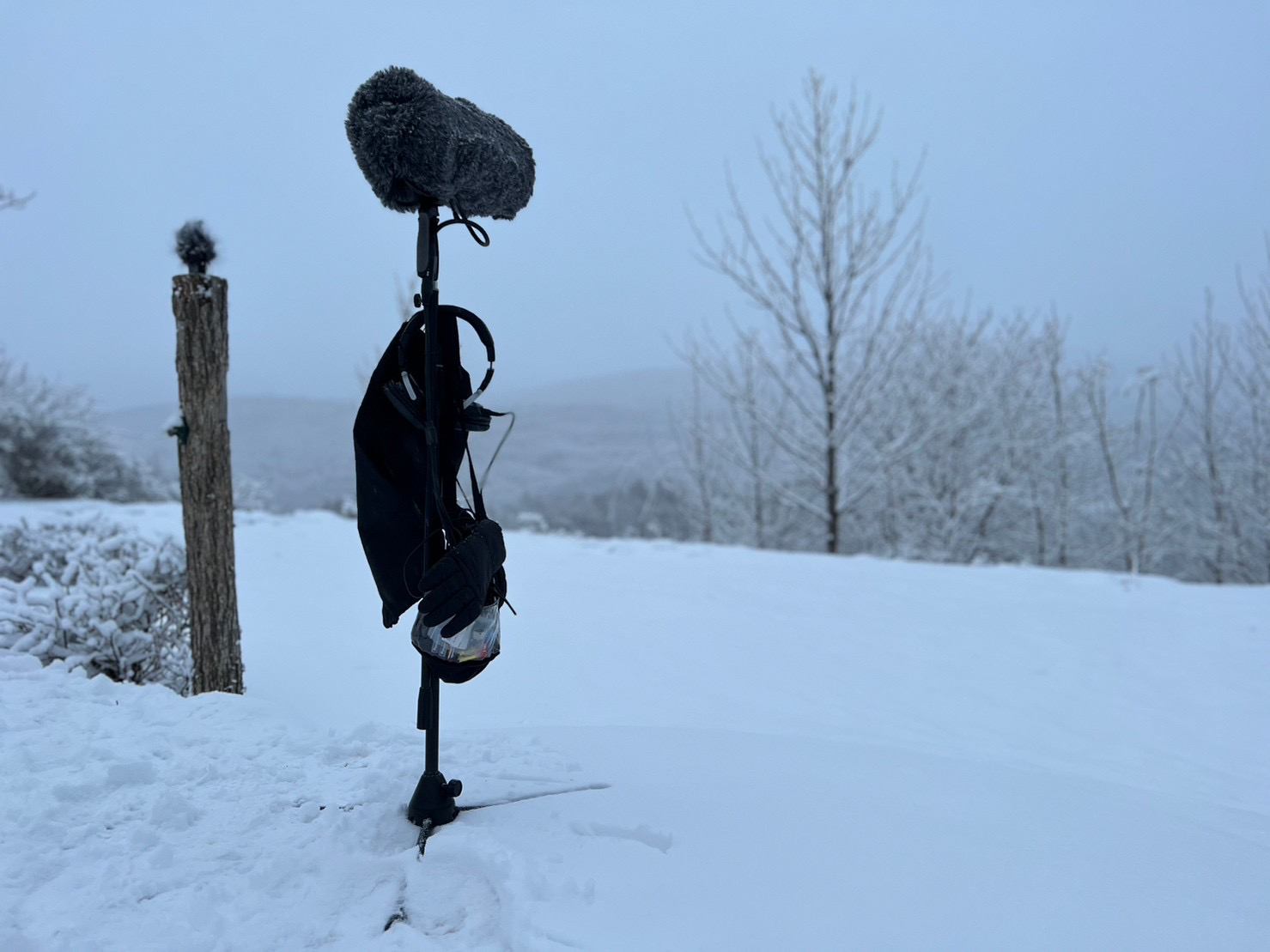
The soundtrack of "Eri" is as meticulously crafted as its visuals. Yano and sound designer Masumi Takino traveled to farms in eastern Japan to capture original recordings, eschewing stock effects for authentic sounds. "We were there to record the winter scenes, the breathing of the cows, the hum of the electric fence," Yano explains. "But the mountains were so quiet. Almost no ambient sound at all." This minimalist soundscape underscores the vastness and isolation of the setting, allowing the subtle sounds of the animals to carry greater emotional weight.
A particularly poignant memory for Yano involves the recording of a calf’s breathing. "Masumi turned her microphone toward a small calf wearing a little scarf, and carefully recorded the sounds of her breathing, her ruminating," Yano recalls. "We called her our actress."
The film’s score was composed by Montreal-based musician Judith Gruber-Stitzer, a collaborator of several renowned National Film Board of Canada animators. For Yano, this collaboration held deep personal significance. "To hear my own film find its sound in the same hands was a joy I cannot quite put into words," she shared.
The Unmistakable Will to Protect: Love Beyond Systems
Beneath its painterly beauty and surreal premise, "Eri" grapples with a raw and profound question: what does it mean to love in a world that offers no inherent place for your desire? Yano wrestled with this throughout production, questioning whether she was inadvertently aestheticizing suffering by weaving the realities of dairy farming into a queer love story. Her time spent with the animals, however, provided a crucial shift in perspective.
"One morning, as I drew near, a mother cow raised her head and looked at me," Yano recounts. "She let out a low sound, moo, and her calf immediately moved behind her. It was as if she were saying: a strange one has come, stay close to me."
This moment of profound connection and instinctual protection solidified Yano’s understanding of her subject matter. "In that moment I understood, with complete clarity, that I was an outsider," she continues. "However much time I spent with them, I was always on the other side of their world. And yet in that mother’s voice there was unmistakable intention. A will to protect. That is what I wanted Eri to have, too."
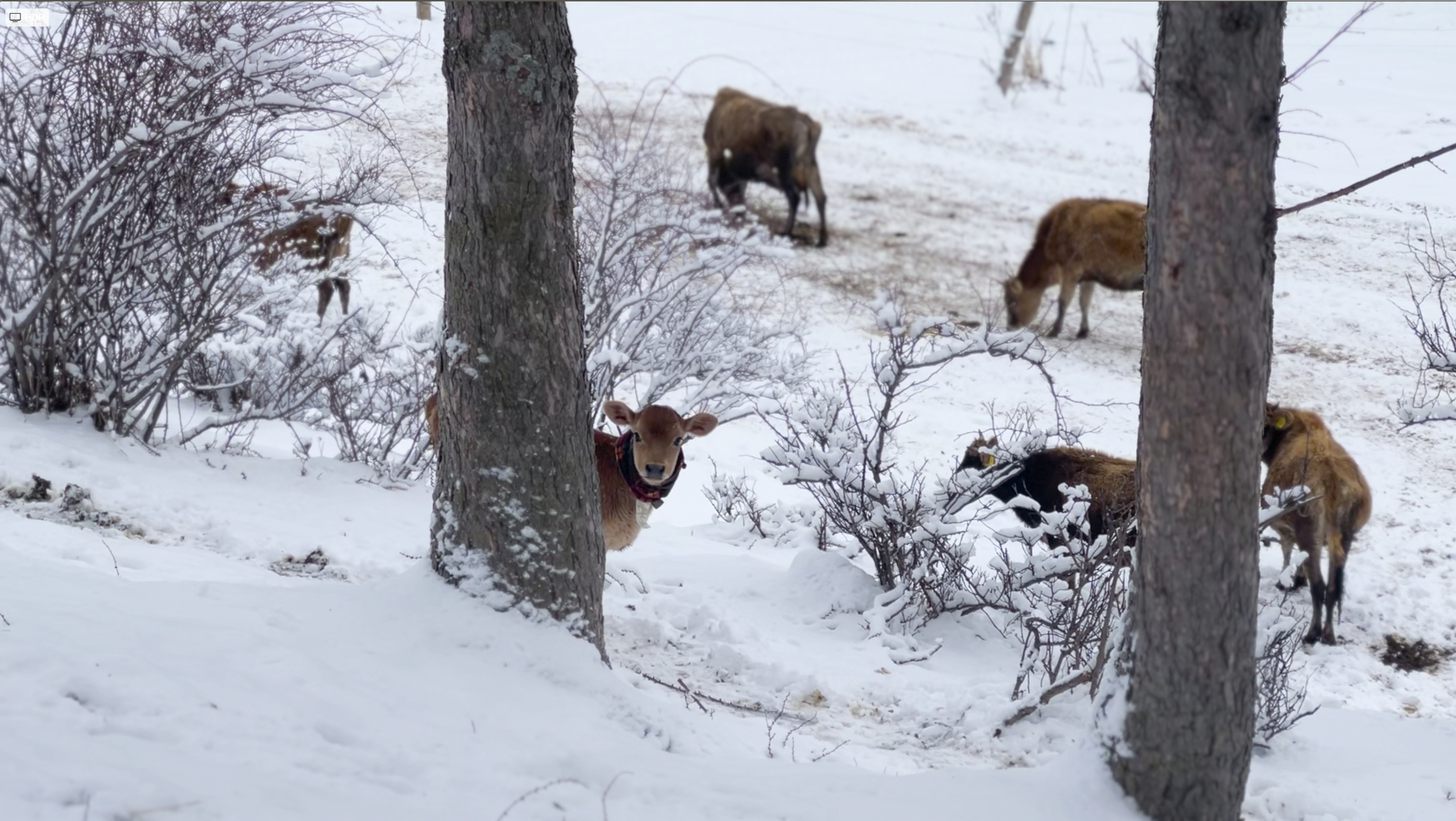
This realization became the emotional bedrock of the film. "They exist inside the system," Yano states of the cows. "But within that, they have will. They reach toward someone."
"Eri" does not offer easy answers to the complex questions it poses about identity, desire, and societal constraints. Instead, it invites viewers to linger within these questions, exploring the enduring human (and, in this case, animal) capacity for connection and love, even in the face of overwhelming systemic limitations. The result is a film that is both visually stunning and emotionally resonant, solidifying Honami Yano’s position as a unique and vital voice in the world of animated cinema. It is, without question, one of the most emotionally piercing animated shorts to emerge this year, and a testament to an artist working in a creative space entirely her own.



Leave a Comment