
Hallucinations and Cosmic Horror: iWorlds Announces Steam Playtest for ‘Dark Trip’
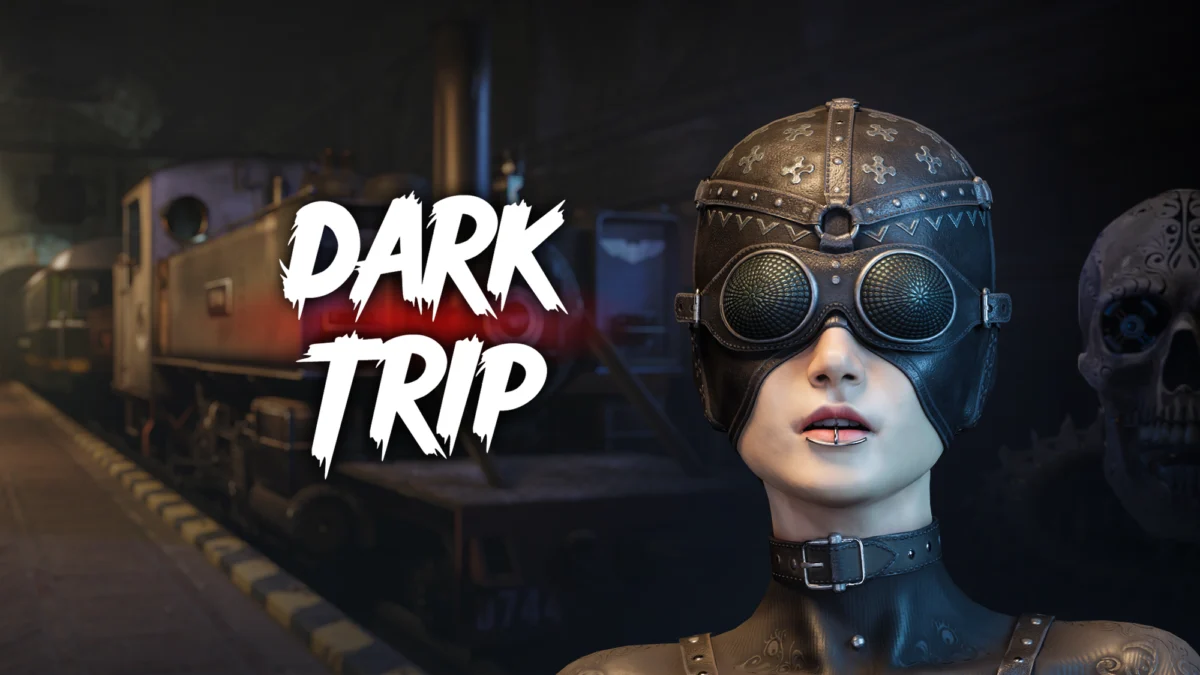
The landscape of virtual reality (VR) horror is undergoing a shift toward deeper, more psychological narratives that challenge the player’s perception of reality. At the forefront of this movement is Dark Trip, a Lovecraftian escape room horror experience developed by iWorlds. Following a successful initial launch on the Meta Quest platform, the developer has officially announced its expansion to the PC market. During the recent Ruff Talk VR Showcase, iWorlds revealed that a closed playtest for the Steam version of the game is scheduled to commence on June 2.
This transition marks a significant milestone for the title, as it moves from the mobile-chipset constraints of standalone VR to the high-fidelity potential of PCVR and traditional "flatscreen" gaming. Dark Trip distinguishes itself through a unique, mind-bending mechanic: the consumption of pharmaceutical stimulants to bridge the gap between the mundane world and a horrific, hallucinatory dimension.
Main Facts: The Descent into the Laboratory
Dark Trip is not a conventional horror game focused solely on jump scares. Instead, it leans heavily into the "Cosmic Horror" subgenre pioneered by H.P. Lovecraft, where the primary threat is the fragility of the human mind and the realization of one’s insignificance in the face of ancient, incomprehensible forces.
The Core Premise
The player assumes the role of a private investigator hired by a wealthy, retired businessman. The mission is straightforward yet ominous: locate his missing daughter. The trail leads to a sprawling, abandoned laboratory—a setting that serves as both a physical maze and a psychological trap. As the investigator delves deeper into the facility, they discover that the physical layout of the building is insufficient for progress. To unlock doors, reveal hidden clues, and navigate non-Euclidean geometry, the player must ingest pills that induce controlled hallucinations.
Technical Expansion
While the game originally found its home on the Meta Quest Store in February 2025, the upcoming Steam release aims to broaden the audience significantly. By offering both VR and flatscreen support, iWorlds is ensuring that players without specialized hardware can still experience the narrative, while VR enthusiasts can benefit from the increased graphical power and atmospheric depth afforded by PC hardware.
The June 2 Playtest
The announcement during the Ruff Talk VR Showcase focused on the importance of community feedback. The June 2 playtest is designed to stress-test the Steam build, ensuring that the transition from Quest’s Android-based architecture to Windows-based PC architecture is seamless. While specific sign-up instructions were not fully detailed during the broadcast, the developers have urged interested players to monitor the official iWorlds website and the Steam store listing for "access request" prompts.
Chronology: From Concept to the Steam Frontier
The development and release cycle of Dark Trip reflects the modern "iterative" approach common in the indie VR scene.
- Early Development and Conceptualization: iWorlds set out to create an experience that merged the logic-based puzzles of escape rooms with the atmospheric dread of Lovecraftian lore. The "hallucination" mechanic was conceived as a way to solve the common VR problem of "static environments."
- Meta Quest Launch (February 2025): The game entered Early Access on the Meta Quest platform. This allowed the developers to gather data on player movement, puzzle difficulty, and the effectiveness of the horror elements in a standalone environment.
- The Ruff Talk VR Showcase (May 2026): After a year of refinement and content updates on the Quest, iWorlds used this platform to announce their leap to PC. The showcase highlighted the enhanced visual fidelity of the Steam version, including improved lighting, textures, and particle effects.
- The Upcoming Steam Playtest (June 2, 2026): This represents the final hurdle before a full multi-platform launch. The playtest will likely focus on hardware compatibility and the "flatscreen" control scheme, ensuring that the game feels as intuitive with a mouse and keyboard as it does with motion controllers.
Supporting Data: The Mechanics of Madness
To understand why Dark Trip has garnered attention within the VR community, one must look at the specific mechanics that define the gameplay loop.
The "Pill" System and Environmental Transformation
The central mechanic involves a "dual-reality" system. In the "sober" state, the laboratory appears as a derelict, industrial space. Once the player consumes a pill, the environment undergoes a radical transformation. Walls may bleed, floorboards may vanish to reveal bottomless pits, and eldritch symbols may appear on surfaces that were previously blank.
This is more than a visual filter; it is a fundamental part of the puzzle-solving logic. A key might exist in the "hallucinatory" world but be invisible in the real one. Conversely, a threat might be chasing the player in the hallucination that does not exist in reality, forcing the player to manage their "trip" duration and frequency. This resource management adds a layer of tension—taking too many pills might lead to a permanent loss of sanity, while taking too few leaves the player stuck in a dead end.
The Escape Room Architecture
The game is structured as a series of interconnected rooms, each functioning as a self-contained puzzle box. According to early player data from the Quest version, the puzzles range from traditional "find the code" challenges to complex environmental manipulations that require the player to think in four dimensions. The Lovecraftian influence is felt in the architecture itself, with many puzzles revolving around occult geometry and ancient, forbidden machinery.
Technical Specifications and Enhancements
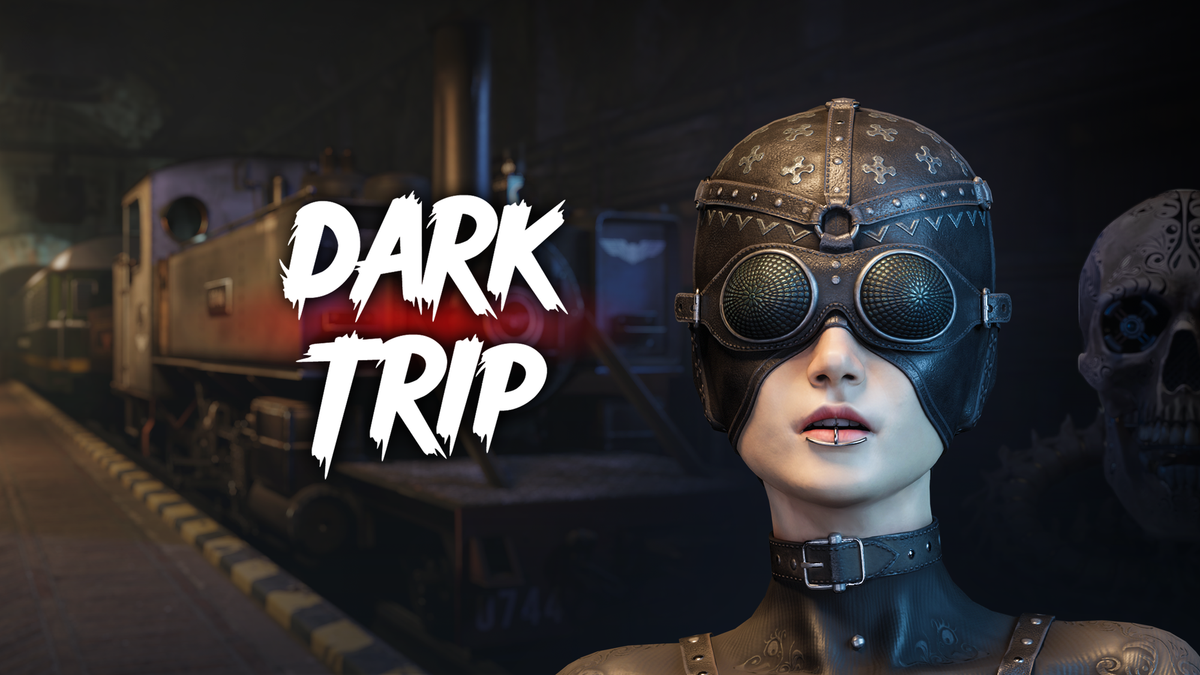
The move to Steam is not merely a port; it is an "enrichment." The PC version is expected to support:
- Dynamic Lighting and Shadows: Essential for creating the oppressive atmosphere of an abandoned lab.
- High-Resolution Textures: To allow players to read small notes and clues that might have been blurry on standalone hardware.
- Spatial Audio: A critical component of VR horror, allowing players to hear "things" skittering in the vents or whispering from the corners of the room.
Official Responses: The Vision of iWorlds
While the developers have kept specific plot spoilers under wraps, their public statements and marketing materials emphasize a commitment to "immersion over instruction." In previous communications regarding the Meta Quest launch, iWorlds representatives noted that their goal was to make the player feel truly isolated.
"We wanted to create a game where the environment is the antagonist," a spokesperson for iWorlds previously noted during a developer log. "In Dark Trip, you aren’t just fighting monsters; you are fighting your own senses. The pills are a gateway, but they are also a trap. Bringing this to Steam allows us to push the visual boundaries of that ‘trip’ further than we ever could before."
The decision to include flatscreen support was also a strategic one. iWorlds acknowledged that while VR offers the ultimate form of immersion, the horror genre has a massive audience on PC that prefers the comfort and accessibility of a monitor. By bridging this gap, they hope to turn Dark Trip into a cult classic within the broader horror community.
Implications: The Future of the Genre
The trajectory of Dark Trip offers several insights into the current state of the gaming industry, particularly regarding indie development and the VR market.
1. The "Quest-First" Strategy
iWorlds’ decision to launch on Meta Quest before moving to Steam is a growing trend. The Quest has a massive, centralized user base that is hungry for content, making it an ideal testing ground for indie developers. By the time a game reaches Steam, it has often been polished and "vetted" by the Quest community, reducing the risk of a "Mostly Negative" launch on PC.
2. The Hybridization of Reality
The use of hallucinations as a gameplay mechanic reflects a broader interest in "unreliable narrator" tropes. As games move away from simple combat, they are finding success in challenging the player’s cognitive certainties. Dark Trip sits alongside titles like Amnesia or Eternal Darkness in its attempt to make the player doubt what they see on the screen.
3. The Democratization of VR Content
By offering a flatscreen mode, iWorlds is participating in the "de-siloing" of VR. For years, VR games were locked behind expensive headsets. Now, developers are realizing that high-quality assets and stories should be accessible to everyone. This "hybrid" approach ensures longevity for the IP, as it can live on Steam alongside giants of the genre like Resident Evil or Outlast.
4. The Enduring Power of Lovecraft
The continued reliance on Lovecraftian themes suggests that "Cosmic Horror" remains one of the most effective ways to evoke fear in an interactive medium. The fear of the unknown, the fear of losing one’s mind, and the fear of ancient secrets are universal. Dark Trip leverages these themes to provide a narrative weight that transcends simple jump scares.
Conclusion
As June 2 approaches, the horror community will be watching closely to see how Dark Trip handles its PC debut. The playtest represents a critical juncture for iWorlds—a chance to prove that their vision of pharmaceutical-induced madness can translate to the high-fidelity world of PC gaming. Whether you are a VR veteran or a flatscreen enthusiast, Dark Trip promises a descent into a laboratory where the walls are thin, the pills are necessary, and the truth is far more terrifying than the hallucinations.
For those brave enough to enter the lab, the journey begins on Steam. Be sure to check the Steam Store Page and the official iWorlds website for updates on how to join the upcoming closed playtest. In the world of Dark Trip, the only way out is through the mind’s eye—no matter how fractured it may become.



Leave a Comment