
The Resurrection of VR Fitness: Supernatural Goes Independent as Founders Reclaim IP from Meta

In a move that defies the traditional trajectory of Silicon Valley acquisitions, the premier virtual reality fitness platform Supernatural is charting a path back to its roots. Following a period of corporate uncertainty and a total cessation of content updates under Meta’s ownership, the service is being spun out into a new independent entity: Supernatural Health.
The transition marks a rare moment in the immersive technology sector. Rather than allowing a high-profile service to fade into the "graveyard" of retired VR apps, Meta has agreed to hand the intellectual property back to the original visionaries behind the platform. Chris Milk and Aaron Koblin, the founders of the immersive tech studio Within, are reuniting with their core team and beloved coaching staff to relaunch the service this fall. This development not only secures the future of one of VR’s most significant success stories but also signals a shift in how major tech players may handle specialized software assets in an era of corporate restructuring.
Main Facts: A New Chapter for Supernatural Health
The core of this announcement centers on the formation of Supernatural Health, an independent company dedicated solely to the preservation and expansion of the Supernatural ecosystem. This new entity will launch a revamped Supernatural experience on the Meta Quest platform in late 2024.
Key details of the transition include:
- Leadership and Team: Original founders Chris Milk and Aaron Koblin are returning to lead the company. They are joined by a "small core team" and, most notably, the original roster of coaches who became the face of the brand.
- Operational Transition: The existing version of Supernatural, currently managed by Meta, will remain functional until December 3, 2026. This provides a generous two-year window for the community to transition to the new independent platform.
- Platform and Compatibility: The new service will remain exclusive to the Meta Quest ecosystem for the immediate future, though it will operate as a distinct application from the current version.
- Pricing Adjustments: Under independent management, the subscription model will return to its original premium pricing of $20 per month or $200 per year. A "Founding Member" discount of $180 for the first year will be offered to early adopters of the new service.
- Account Migration: Users will be required to create new accounts under a fresh privacy policy. While the company is exploring ways to migrate workout history, badges, and "streaks," a seamless transfer of all data is not yet guaranteed.
Chronology: From Innovation to Acquisition and Independence
To understand the weight of this announcement, one must look at the tumultuous four-year history of the platform, which has been at the center of both technological innovation and federal antitrust scrutiny.
2020–2021: The Rise of Within
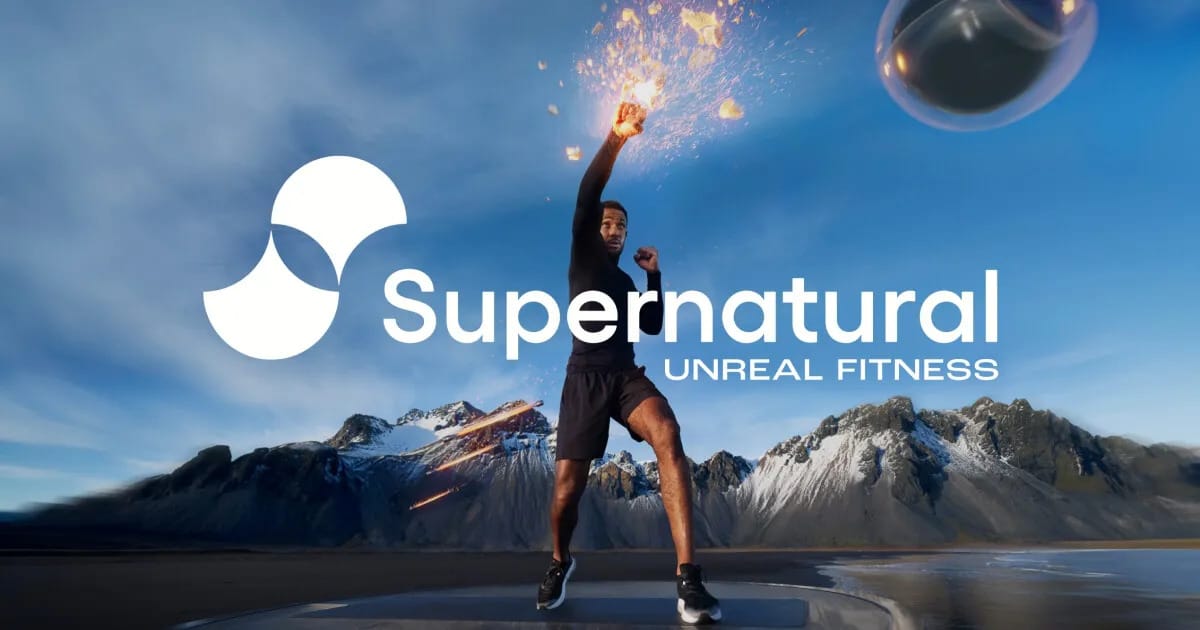
Supernatural launched in April 2020, at the height of global lockdowns. Created by Within, the app combined high-intensity interval training (HIIT) with photorealistic "destinations" and popular licensed music. It quickly became the "killer app" for fitness on the Oculus Quest 2. Recognizing its potential, Meta (then Facebook) announced its intent to acquire Within in October 2021.
2022–2023: The FTC Battle and Meta Integration
The acquisition was not smooth. The Federal Trade Commission (FTC) filed a lawsuit to block the deal, arguing that Meta’s purchase of Within would stifle competition in the nascent VR fitness market. After a protracted legal battle, a federal judge ruled in Meta’s favor in early 2023, allowing the $400 million acquisition to close. For a year, Supernatural operated as an internal Meta studio.
January 2024: The "Restructuring" Crisis
In a shocking turn of events just one year after winning the right to own the company, Meta announced a massive restructuring of its Reality Labs division. Supernatural development was effectively halted. The company stated that no new content or feature updates would be produced, and many of the coaches and developers were laid off. While the app remained live, it was essentially placed on "life support," relying on its existing library of archived workouts.
June 2024: The Independence Announcement
After five months of silence, the founders revealed the deal to reclaim the IP. The birth of Supernatural Health represents the conclusion of negotiations to decouple the service from Meta’s corporate structure, allowing the original creators to pursue a sustainable, subscription-focused business model outside of the larger Meta ecosystem.
Supporting Data: The Economics of VR Fitness
The decision to spin Supernatural out as an independent company is backed by strong, albeit niche, market data. Despite Meta’s decision to stop development in January, Supernatural remained a dominant force on the Quest Store charts.
Market Dominance and Engagement
According to industry tracking and reports from UploadVR, Supernatural consistently ranked among the top-grossing non-gaming applications on the Quest platform throughout 2023 and early 2024. Its "stickiness"—a metric measuring how often users return to the app—was reportedly higher than almost any other fitness service in the VR space. The platform’s success was built on three pillars:
- The Coaching Community: The "para-social" connection users felt with coaches like Leanne Pedante and Raneir Pollard was cited as the primary reason for long-term subscription retention.
- Music Licensing: Unlike competitors who rely on synth-wave or royalty-free tracks, Supernatural invested heavily in Top 40 hits, Disney soundtracks, and classic rock.
- High-End Production: Each workout featured 360-degree videography of real-world locations, from the Great Wall of China to the Icelandic highlands.
The Cost of Independence
The price increase from Meta’s subsidized rates ($15/month or $120/year during the acquisition period) back to $20/month is a reflection of the high overhead costs associated with these pillars. Supernatural Health has been transparent about this, stating that the $200 annual fee is necessary to cover:
- Competitive salaries and benefits for coaches and staff.
- Expensive music licensing "sync" rights, which are notoriously difficult to secure for VR.
- Ongoing server costs and cloud infrastructure for high-resolution video streaming.
Official Responses: A Shared Belief in Independence
In the official FAQ and press statements released by the newly formed Supernatural Health, the tone is one of cautious optimism and mutual respect between the founders and their former corporate parent.
From the Founders:
Chris Milk and Aaron Koblin emphasized that the move was driven by a "shared belief that Supernatural’s community is best served by a focused, independent team." They noted that being an independent studio allows them to be more agile and responsive to the specific needs of the fitness community, rather than being beholden to the broader strategic shifts of a multi-trillion-dollar social media conglomerate.

Meta’s Stance:
While Meta has not issued an exhaustive corporate statement, the Supernatural Health team characterized Meta as being "supportive throughout" the transition. This suggests that Meta recognized that while Supernatural did not fit into its current lean-operating model for Reality Labs, the brand was too valuable to simply delete. By handing the IP back, Meta retains a high-quality "system seller" on its platform without having to manage the daily operations or the complex music licensing legalities.
Implications: A New Model for VR Software
The "un-acquisition" of Supernatural carries significant implications for the VR industry and the broader tech landscape.
1. The End of the "Acquire and Assimilate" Era?
For years, the fear in the VR community was that Meta would buy every successful indie studio only to eventually shut them down (as seen with Echo Arena). The Supernatural deal provides a third option: divestiture. This could serve as a blueprint for other specialized services that struggle under the weight of Big Tech corporate culture but have a dedicated, paying user base.
2. The Viability of VR SaaS
Supernatural Health is a bet on the "Software as a Service" (SaaS) model in VR. At $20 a month, it is priced similarly to premium "2D" fitness apps like Peloton or Apple Fitness+. If Supernatural succeeds as an independent entity, it will prove that VR is no longer just a gaming novelty but a viable platform for high-end, recurring-revenue professional services.
3. The Music Licensing Hurdle
The biggest risk for the new company remains the music catalog. Music rights for VR are a legal minefield. As an independent company, Supernatural Health will have less leverage in negotiations with major record labels than a giant like Meta. Their ability to maintain the "DNA" of the service will depend entirely on their ability to keep the hits playing.
4. User Trust and Data Privacy
The requirement for new accounts and the potential loss of "streaks" and historical data is a significant friction point. In the world of fitness, where progress tracking is a primary motivator, the team at Supernatural Health faces a race against time to ensure that the transition this fall is as painless as possible for their most loyal "Founding Members."
As the VR industry matures, the story of Supernatural will likely be remembered as a pivotal moment—a test case for whether a passionate community and a focused founding team can reclaim a digital world from the clutches of corporate restructuring and make it thrive on their own terms.



Leave a Comment