High-Stakes Heisting in Virtual Reality: An In-Depth Look at Payday: Aces High
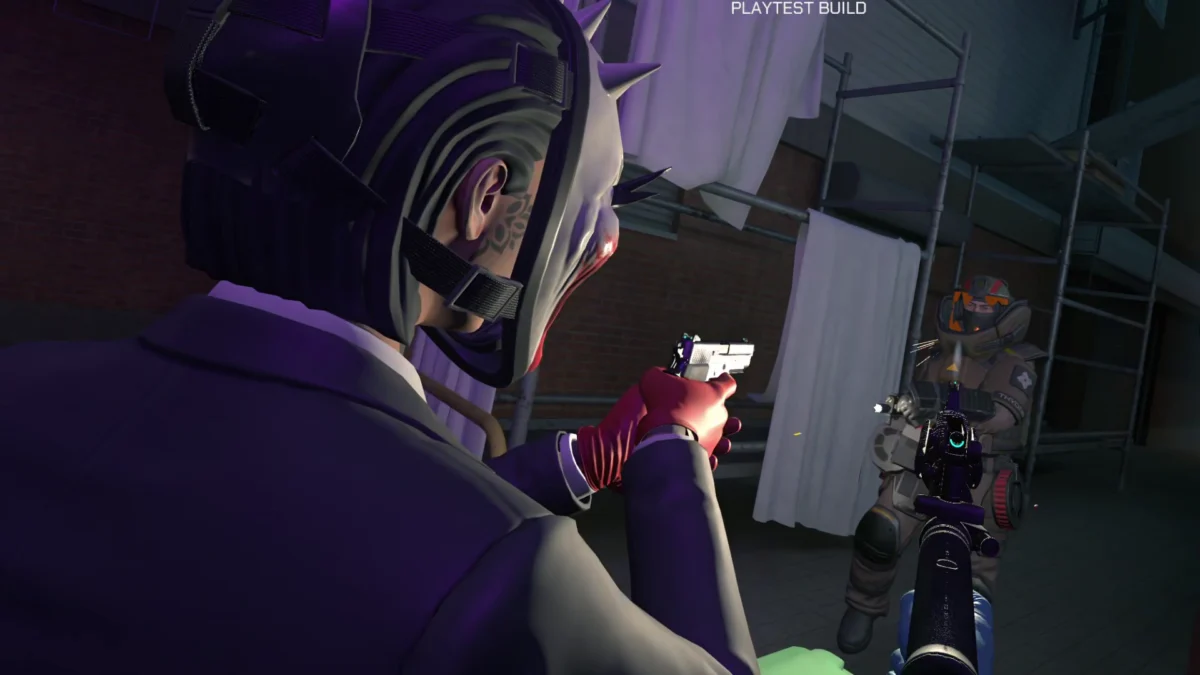
The virtual reality landscape is currently undergoing a significant shift toward high-fidelity, cooperative multiplayer experiences. Among the most anticipated titles in this evolution is Payday: Aces High, the latest foray into the world of organized crime from the veteran developers at Fast Travel Games. Building upon the massive legacy of the Payday franchise, Aces High seeks to translate the frantic, high-stakes energy of bank robberies into a fully immersive VR environment.
During a recent exclusive media session, industry analysts and journalists—including representatives from UploadVR—were granted hands-on access to an early alpha build of the game. This preview, conducted across Meta Quest and Steam VR platforms, provided a comprehensive look at how Fast Travel Games is reimagining the "heist" genre for a medium that demands both physical intuition and tactical coordination.
Main Facts: The Core Architecture of Aces High
Payday: Aces High is not merely a port of previous titles but a ground-up reimagining of the cooperative shooter. The game is developed by Fast Travel Games, a studio known for its technical polish in titles like Apex Construct and Vampire: The Masquerade – Justice.
The core philosophy of Aces High, as articulated by Game Director Erik, is a pivot toward "arcade-style" mechanics. In the context of VR, this means prioritizing fluid action and player empowerment over "finicky precision." While many VR shooters struggle with the "jank" of realistic weapon handling, Aces High focuses on the "fun factor"—ensuring that the act of grabbing loot, reloading weapons, and navigating environments feels seamless and rewarding.
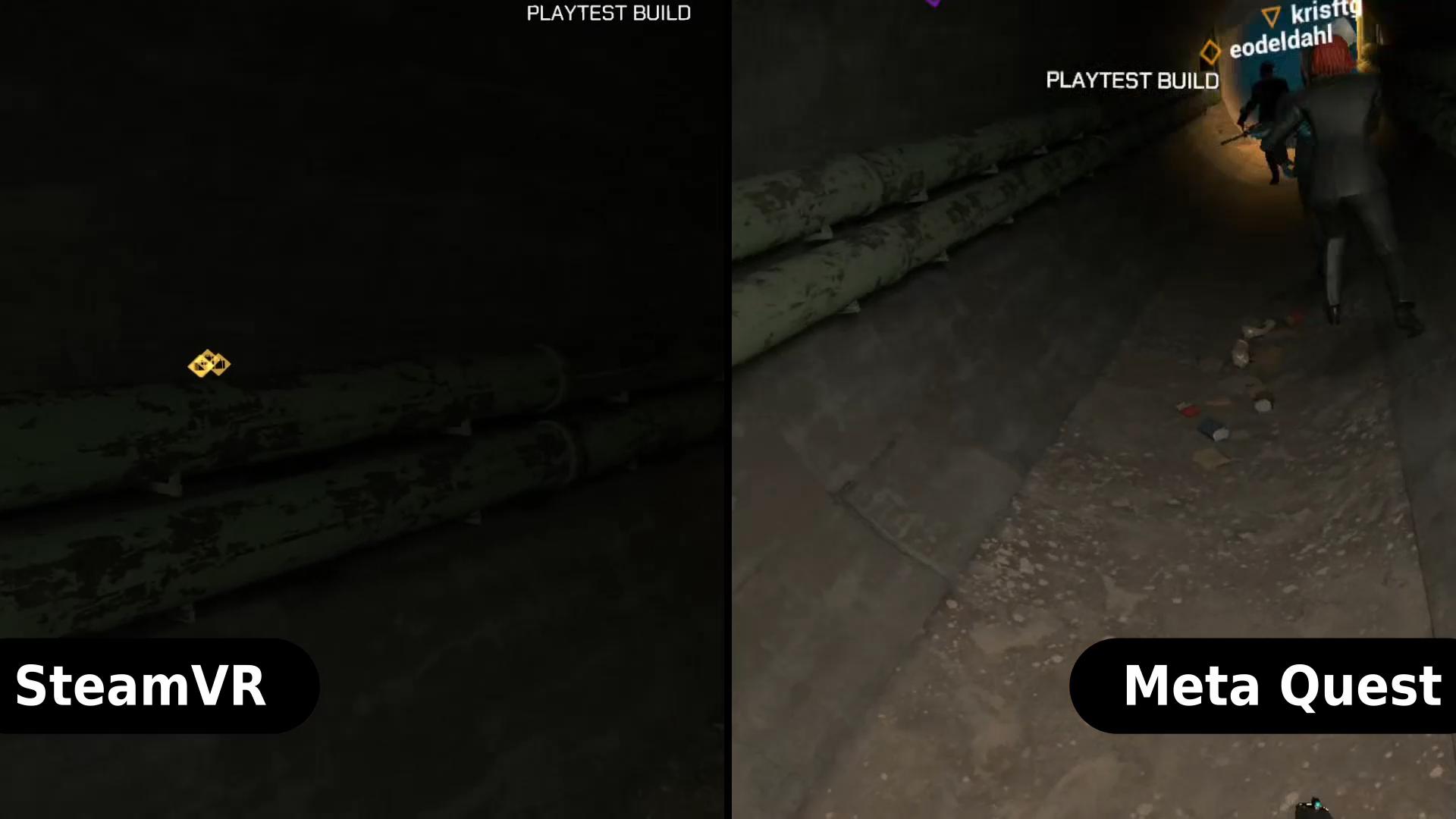
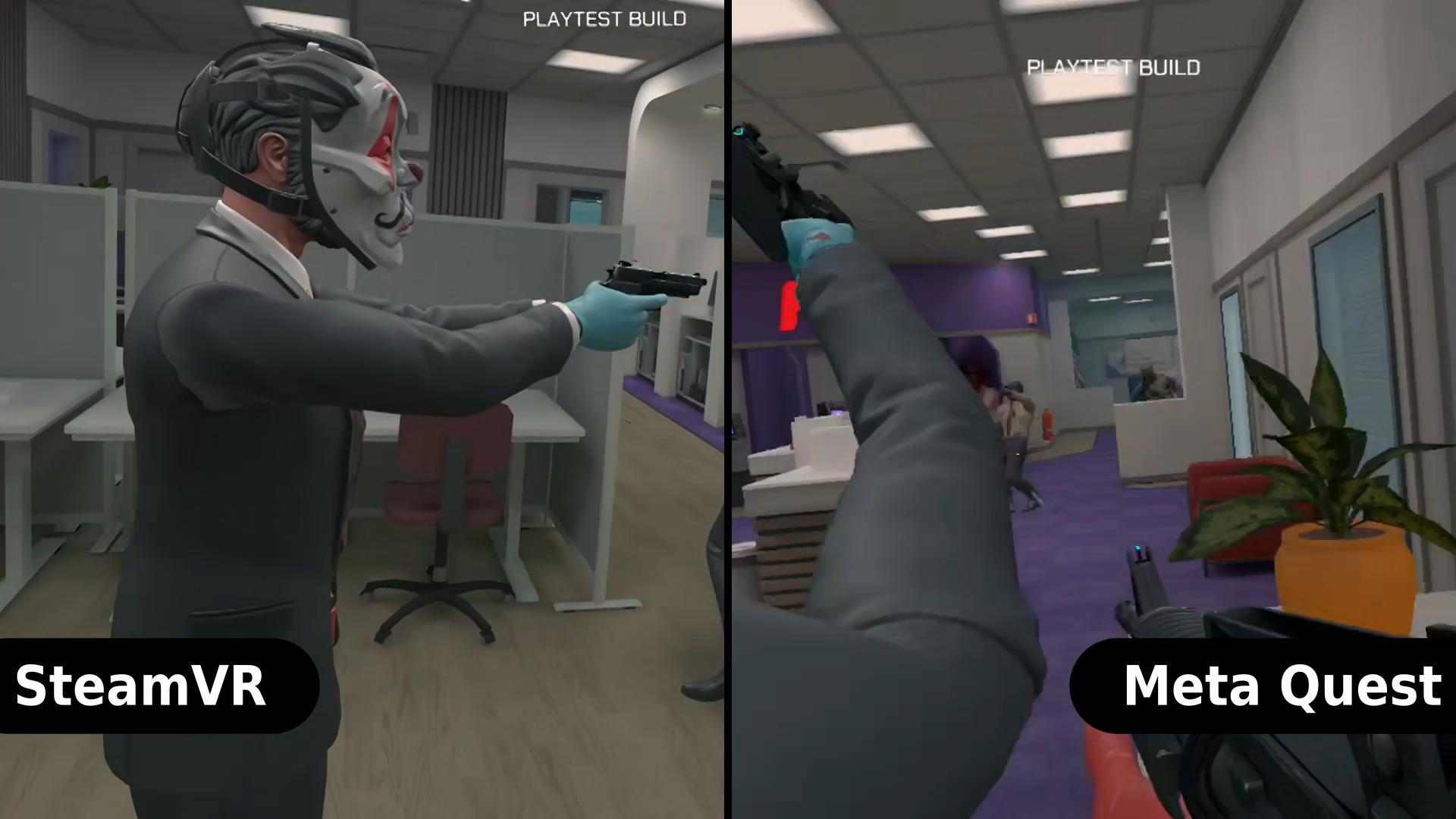
The game supports cross-platform play, a critical feature for maintaining a healthy multiplayer ecosystem. During the preview, players on Meta Quest (standalone) and Steam (PCVR) were able to interact within the same session without noticeable latency or parity issues, suggesting a robust networking architecture.
Chronology of a Heist: From Reconnaissance to Extraction
To understand the rhythm of Payday: Aces High, one must look at the progression of a single mission. The preview session focused on a classic bank heist, illustrating the three distinct phases of gameplay: The Stealth Approach, The Escalation, and The Great Escape.
Phase I: The Quiet Approach and Environmental Intelligence
The mission began with the players standing outside the target bank. Unlike traditional shooters where the action starts at the pull of a trigger, Aces High emphasizes pre-heist reconnaissance. Players are initially "incognito," meaning they can walk the exterior of the building without alerting the authorities—provided they keep their masks off.
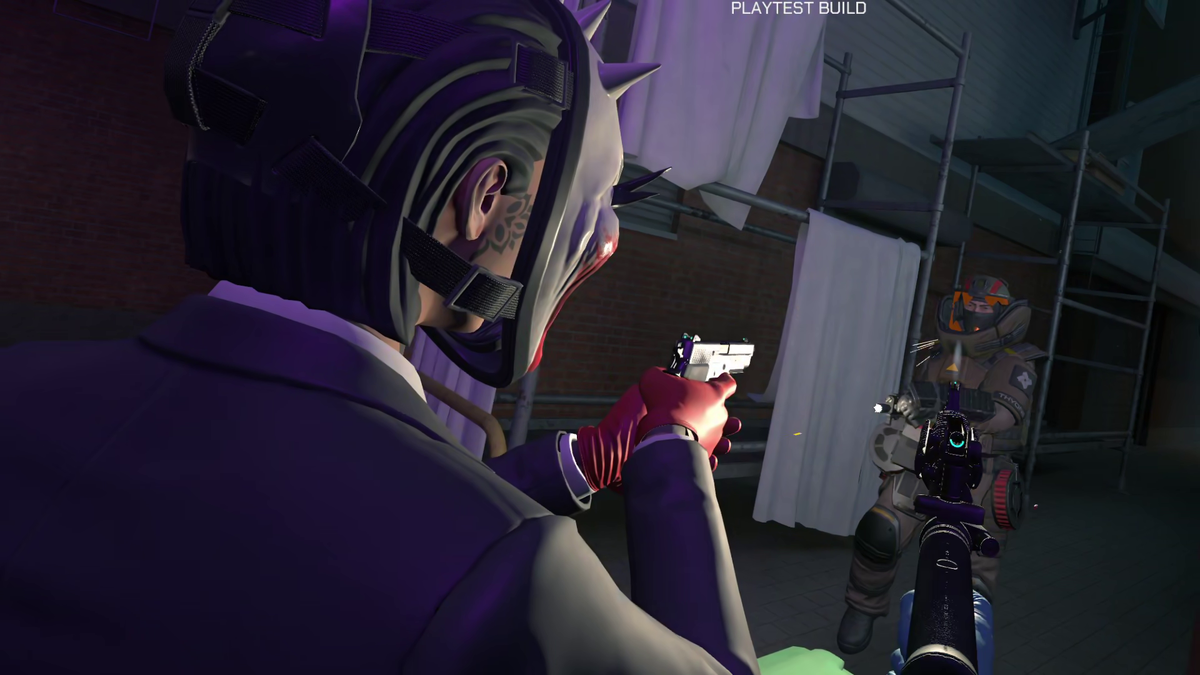
During this phase, the team scouted the perimeter. This involved peeking through windows to identify the locations of security cameras, safes, and potential security codes hidden in managers’ offices. The importance of this phase cannot be overstated; the game features a randomized placement system. On one run, a fuse box might be located on an exterior wall, allowing the team to disable cameras before entering. On a subsequent run, that fuse box might be absent, forcing players to find a grapple hook point for a roof-based entry.
Phase II: The Breach and the "Point of No Return"
The transition from stealth to "loud" gameplay is a hallmark of the Payday series, and it is handled with cinematic flair in Aces High. The moment a player dons their mask or is spotted by a guard, the atmosphere shifts instantly. The ambient, tense background score is replaced by a driving rock track, signaling that the authorities have been alerted.
In the preview, the transition occurred organically when a player drifted too close to a security guard. What followed was a frantic scramble. The team had to move from the lobby into the security office, utilizing found codes to unlock the vault. The AI-controlled police response followed a "heat" curve: the longer the team stayed in the bank, the more dangerous the opposition became. Initial responders were standard patrol officers, but as the heist progressed, they were replaced by heavily armored tactical units equipped with superior firepower.
Phase III: The Vault and the Drone-Assisted Drill
Once the team reached the vault, the game introduced one of its most visually impressive mechanics: the pneumatic drill. Delivered via an automated drone, the drill must be manually set up and maintained. This involves a three-phase drilling process where players must perform intuitive "skill checks" on the drill’s handle to keep it operational.
While the drill worked, the team had to hold their position against waves of enemies. This created a natural division of labor—some players focused on suppressing the police, while others managed the drill and gathered loose loot from the surrounding offices.
Phase IV: The Sewer Escape
The final phase involved the logistics of moving the "score." Large piles of money and jewelry in Aces High are "grabbed" and automatically transformed into heavy duffel bags. These bags significantly reduce the player’s movement speed, creating a tactical vulnerability.
In the preview, the team chose a daring escape route: shooting out the back windows and tossing the bags into a nearby sewer system. After clearing the bank, the team moved to a secondary secure area, used explosives to breach the sewer access, and fought through a final gauntlet of guards to reach the extraction point.
Supporting Data: Mechanics, Customization, and Performance
The technical foundation of Aces High is built on several key pillars that differentiate it from its predecessors and contemporaries:
The "Arcade" Looting System
Fast Travel Games has implemented a highly tactile looting system. Small items, such as stacks of cash, are collected with a "grab and trigger" motion, accompanied by a satisfying "ka-chink" sound effect and a visual explosion of coins. This provides immediate haptic and auditory feedback, making the act of "cleaning out" a room feel visceral.
Randomized Incursion Options
To ensure replayability, the game utilizes a procedural placement system for mission-critical items.
- Security Codes: Locations change per session.
- Cameras: Placement is randomized.
- Entry Points: Tools like grapple hooks and fuse boxes appear in different locations, forcing players to adapt their strategy on the fly.
Progression and "The Queen"
The game features an underlying narrative centered on the "Ace Gang," a group seeking revenge against a corrupt businessman. The story is narrated by a character known as "The Queen," who provides mission briefings and real-time tactical advice.
Post-mission, players earn "Reputation Points" and currency, which are used to unlock a vast array of skills, weapons, and items. The preview revealed a deep skill tree that suggests players can specialize in certain roles—akin to a "hero shooter"—depending on their chosen loadout.
Official Responses: Insights from Fast Travel Games
During the media session, Game Director Erik provided crucial context regarding the studio’s design choices. He stressed that the primary goal was to eliminate the barriers that often make VR shooters feel cumbersome.
"We wanted players to be able to play fast," Erik explained. "In VR, if you make the mechanics too realistic, players spend more time fighting the controls than the enemies. By leaning into the arcade direction, we let the action take center stage."
Regarding the difficulty of the game, Erik noted that while full stealth completions are possible and offer higher rewards, they are designed to be "very difficult." This encourages a "plan for the best, prepare for the worst" mentality, where players must be ready for a shootout at any moment.
Addressing the state of the game, the developers acknowledged that the current build is in the alpha stage. Observers noted some "alpha quirks," such as stilted animations for NPCs and occasional texture flickering. However, the studio expressed confidence that the "core" of the game—the gunplay, the co-op synergy, and the mission flow—is already in a highly polished state.
Implications: The Future of VR Co-Op
The preview of Payday: Aces High has significant implications for the VR industry and the Payday brand.
First, it demonstrates the viability of the "Hero Shooter" model in a cooperative VR setting. By allowing players to customize their abilities and weapons to fill specific roles (e.g., the "Tank" who carries the heavy bags, or the "Infiltrator" who handles the security codes), Fast Travel Games is creating a social experience that relies on genuine teamwork rather than just simultaneous shooting.
Second, the game represents a potential "redemption arc" for the Payday IP, which has seen mixed reactions to its recent flat-screen iterations. By stripping the experience down to its most fun, tactile elements and placing them in an immersive VR world, Aces High could become the definitive way to experience the franchise.
Finally, the success of the cross-platform play between Meta Quest and Steam VR is a promising sign for the future of VR multiplayer. As the hardware market remains fragmented, titles that can bridge the gap between standalone and PC-based VR will be essential for building the player bases necessary for long-term success.
In conclusion, Payday: Aces High appears to be a high-octane, intuitive, and deeply social addition to the VR library. While it still bears the marks of an early build, its core gameplay loop is undeniably strong. For fans of cooperative action and tactical heisting, this is a title that demands a spot on every "must-watch" list for the coming year. Fast Travel Games has not just brought Payday to VR; they have found the heart of the heist and put it directly in the player’s hands.