
Jennifer Kent to Helm Adaptation of James Tiptree Jr.’s Prescient Sci-Fi Novella ‘The Girl Who Was Plugged In,’ Sophie Thatcher Set to Star
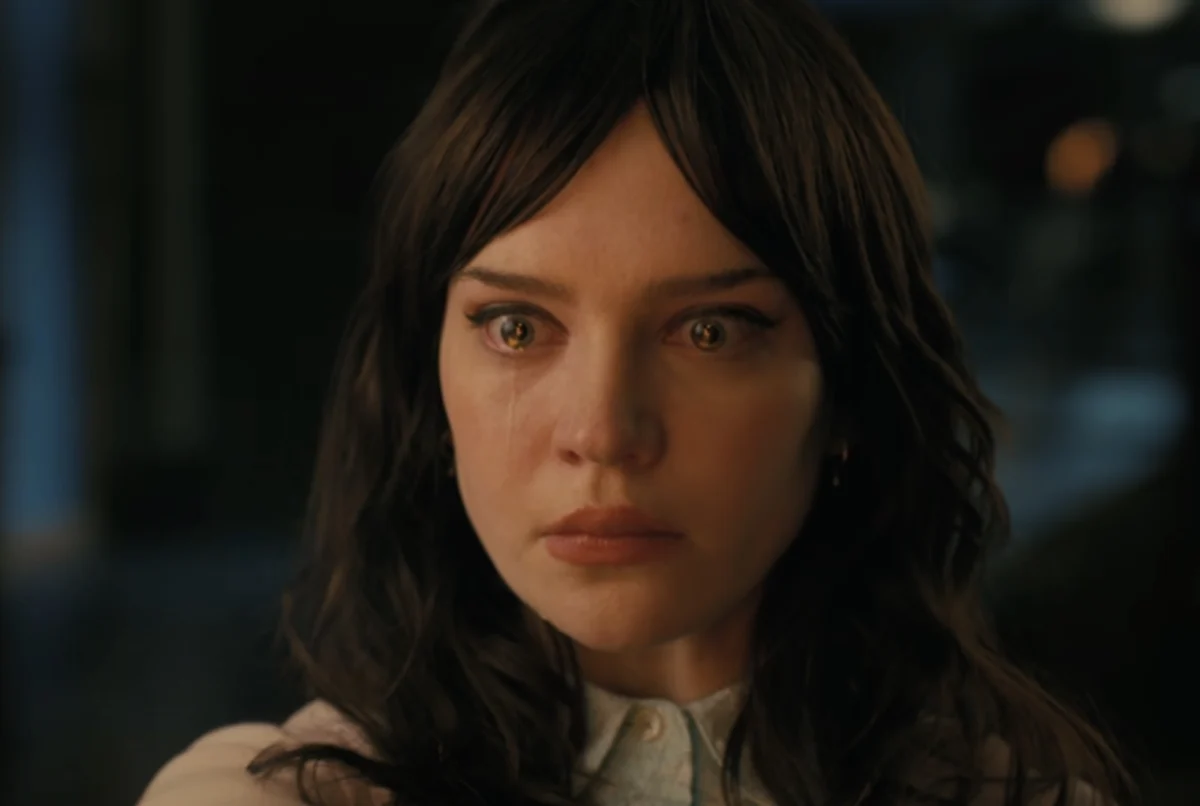
Los Angeles, CA – Acclaimed writer-director Jennifer Kent, known for her visceral and psychologically profound cinematic explorations in The Babadook and The Nightingale, is poised to return to the big screen with an adaptation of James Tiptree Jr.’s seminal Hugo Award-winning novella, The Girl Who Was Plugged In. The highly anticipated project has already secured Sophie Thatcher, lauded for her roles in Yellowjackets and The Book of Boba Fett, as its lead. This announcement marks a significant development in the cinematic landscape, bringing together a director celebrated for her mastery of dark psychological narratives and a science fiction classic whose themes resonate with startling acuity in the contemporary era.
Main Facts: A Visionary Director Meets a Prophetic Story
Jennifer Kent has penned the screenplay for The Girl Who Was Plugged In, laying the groundwork for what promises to be a deeply unsettling and thought-provoking film. The project, initially reported by Deadline, delves into a narrative that feels increasingly less like speculative fiction and more like a stark reflection of current societal anxieties.
Sophie Thatcher is cast as P. Burke, a disfigured and suicidal young woman who finds herself enmeshed in a dystopian future ruled by mega tech corporations. Burke is hired to remotely operate a beautiful, lab-grown "flesh body" named Delphi. This avatar, devoid of independent thought, is meticulously crafted to influence the masses and drive consumerism. As Delphi ascends to manufactured stardom, P. Burke becomes dangerously enthralled by her virtual counterpart, leading her into a perilous descent into tech psychosis with potentially disastrous and tragic consequences.
Kent’s involvement signals a continuation of her distinctive approach to storytelling, where the horrors are often internal, born from trauma, grief, and societal pressures. Her previous works have consistently garnered critical acclaim for their unflinching gaze into the darker recesses of the human psyche, suggesting that The Girl Who Was Plugged In will be handled with both sensitivity and an unsettling intensity.
Chronology: From Pseudonym to Modern Relevance
The journey of The Girl Who Was Plugged In from its original publication to this high-profile cinematic adaptation is as intriguing as the novella itself.
The Genesis of a Sci-Fi Classic: James Tiptree Jr.
The novella, published in 1973, emerged from the mind of James Tiptree Jr., the celebrated pen name of Alice B. Sheldon. Sheldon, a multifaceted individual with a background as diverse as a CIA intelligence officer and an experimental psychologist, adopted the male pseudonym to navigate the male-dominated science fiction genre of the time. Her choice allowed her to write with a freedom and boldness that challenged conventional gender roles and expectations, exploring themes of identity, alienation, sexuality, and humanity’s relationship with technology without the preconceived notions often applied to female authors.
Tiptree Jr. quickly rose to prominence, earning three Nebula Awards and two Hugo Awards, establishing herself as a formidable and distinctive voice in science fiction. The revelation of "Tiptree’s" true identity as Alice B. Sheldon in 1977 sent shockwaves through the literary world, prompting a re-evaluation of her works through a new lens and highlighting the inherent biases within genre criticism. Sheldon’s complex double life is chronicled in Julie Phillips’ biography, James Tiptree, Jr.: The Double Life of Alice B. Sheldon, and is set to be explored further in Jed Samer’s upcoming film, Tip/Alli.
A Novella Ahead of Its Time
The Girl Who Was Plugged In is a remarkable example of Tiptree’s prescience. Written decades before the advent of the internet, social media, virtual reality, and widespread cosmetic surgery, the story uncannily anticipates a world obsessed with curated digital identities, influencer culture, and the commodification of beauty and self. It delves into the profound psychological impact of living through an avatar, the erosion of authentic selfhood, and the manipulative power of corporations in shaping public perception.
Previous Forays into Adaptation
While Kent’s film is poised to be the most prominent adaptation, The Girl Who Was Plugged In has seen previous interpretations. It was notably adapted as part of the Sci-Fi Channel series Welcome to Paradox, an anthology that explored various speculative fiction narratives. Furthermore, the novella formed the first act of a stage musical featuring music by none other than Alan Menken, the legendary composer behind many beloved Disney soundtracks. Given Jennifer Kent’s signature dark and intense style, it is widely assumed that her version will offer a starkly different, perhaps more unsettling and psychologically intense, take on the material than its predecessors.
Supporting Data: Thematic Resonance in the Digital Age
Jennifer Kent’s statement regarding the project underscores the profound relevance of Tiptree’s half-century-old narrative: "I have never felt a more urgent need to make a film as much as I have with The Girl Who Was Plugged In. Even though the original story was published over 50 years ago, its themes are now landing with a searing relevance, as if it was just written." This urgency is well-founded, as the novella’s core ideas speak directly to the defining anxieties of the 21st century.
The Mirror of Modernity: Identity, Image, and Influence
At its heart, The Girl Who Was Plugged In is a searing critique of body image, self-perception, and the pressures to conform to idealized standards of beauty. P. Burke, a protagonist marked by physical disfigurement and profound self-loathing, embodies the deep-seated insecurities that permeate a visually driven society. Her escape into the perfect form of Delphi speaks volumes about the allure of digital avatars and filters that allow individuals to present an idealized, often unattainable, version of themselves online.
In an era dominated by Instagram, TikTok, and the pervasive influence of social media, Tiptree’s concept of a "flesh body" designed solely to sell products and sway opinion is chillingly prophetic. Influencer culture, where carefully constructed personas dictate trends and consumer choices, mirrors Delphi’s role with disturbing accuracy. The film will undoubtedly explore the psychological toll of living vicariously through an idealized digital self, contrasting the curated perfection of the avatar with the raw, often painful, reality of the human behind the screen.
Corporate Control and the Commodification of Self
Beyond individual psychology, the novella delves into the insidious power of mega tech corporations that manipulate desires and control narratives. The corporation that employs P. Burke is not merely a business entity but a puppet master, orchestrating public perception through manufactured beauty and fabricated charisma. This theme resonates powerfully in an age where tech giants wield immense influence over information, communication, and commerce, raising critical questions about autonomy, consent, and the ethics of digital manipulation.
Kent’s previous films, particularly The Babadook, explored the devastating impact of internal struggles and the monstrous manifestations of grief and trauma. The Nightingale, set against the brutal backdrop of colonial Tasmania, examined the psychological scars of violence and the dehumanizing effects of power. With The Girl Who Was Plugged In, Kent is uniquely positioned to explore the psychological "monsters" created by a hyper-consumerist, digitally mediated world, translating P. Burke’s descent into "tech psychosis" into a visceral, cinematic experience.
Sophie Thatcher: The Ideal Conduit for Complex Characterization
The casting of Sophie Thatcher as P. Burke is particularly insightful. Thatcher has quickly established herself as an actress capable of conveying complex emotional depth and vulnerability, often within challenging and intense narratives. Her roles in Yellowjackets as the young Natalie, a character grappling with trauma and self-destruction, and her turn as the enigmatic Drash in The Book of Boba Fett, demonstrate her ability to embody characters facing existential crises and external pressures. Her presence suggests a nuanced portrayal of P. Burke’s inner turmoil, navigating the treacherous landscape between her disfigured reality and the seductive perfection of Delphi.
Official Responses: Kent’s Urgent Creative Drive
Jennifer Kent’s personal statement reveals a deep artistic connection to the material and a compelling sense of responsibility to bring this story to the screen now. Her articulation of an "urgent need" to make the film highlights not just her belief in the novella’s artistic merit but its profound cultural significance. This level of personal investment from a director of Kent’s caliber often translates into a powerful and authentic cinematic experience.
Kent’s track record demonstrates a commitment to unflinching storytelling, often tackling uncomfortable truths about human nature and societal constructs. Her assertion that the themes are "landing with a searing relevance, as if it was just written," serves as a powerful endorsement of Tiptree’s foresight and a clear mission statement for her adaptation. It indicates that the film will not shy away from the darker, more critical aspects of the novella, but rather embrace them to provoke contemporary reflection.
Implications: A Timely Sci-Fi Horror for a Connected World
The adaptation of The Girl Who Was Plugged In by Jennifer Kent holds significant implications for both the science fiction genre and contemporary cinema as a whole.
Elevating Sci-Fi Horror with Intellectual Depth
Kent’s involvement could elevate The Girl Who Was Plugged In beyond typical genre fare, infusing it with the psychological depth and artistic integrity that characterized The Babadook. While The Babadook redefined modern horror through its exploration of grief and mental illness, this new project promises to do the same for sci-fi horror, grounding its speculative elements in profound human experience and societal critique. The film could carve out a niche as a thought-provoking, unsettling exploration of technology’s darker side, rather than relying on jump scares or overt monster effects.
A Commentary on the Human Condition in the Digital Age
In an increasingly digitized world, where the lines between reality and virtuality are constantly blurring, Kent’s film offers a timely and potent commentary. It will likely spark conversations about the psychological impact of social media, the ethics of AI and virtual reality, and the pervasive pressure to conform to superficial standards. By translating Tiptree’s 1970s foresight into a modern cinematic language, Kent has the opportunity to hold a mirror up to society, prompting audiences to critically examine their own relationships with technology and constructed identities.
Jennifer Kent’s Evolving Career Trajectory
For Jennifer Kent, this project represents a significant evolution in her directorial career. Following two highly acclaimed but intensely personal films, venturing into science fiction with such a politically and socially charged narrative demonstrates her versatility and ambition. It solidifies her position as a director unafraid to tackle challenging themes across different genres, always with a distinct artistic vision. The success of this adaptation could further cement her reputation as one of the most compelling and important voices in contemporary filmmaking.
Anticipation and Industry Impact
The combination of a revered literary source, a visionary director, and a rising star like Sophie Thatcher ensures that The Girl Who Was Plugged In will be a highly anticipated release. It has the potential to be not only a critical darling but also a culturally resonant film that captures the zeitgeist of our hyper-connected, image-obsessed world. Industry observers will be keen to see how Kent navigates the intricate psychological landscape of Tiptree’s novella, transforming its prophetic warnings into a compelling and unforgettable cinematic experience for a generation grappling with the very issues it so chillingly foretold.


Leave a Comment