Locus Magazine Unveils Comprehensive Directory of New Speculative Fiction Periodicals: A Vital Compass for the Genre
Oakland, CA – August 2026 – In an ever-expanding universe of speculative fiction, identifying and navigating the myriad of new publications, from venerable print anthologies to burgeoning online magazines and innovative electronic platforms, can be a daunting task for both readers and creators. Locus magazine, the venerable journal of record for the science fiction, fantasy, and horror (SF/F/H) fields, continues its indispensable work by releasing its latest comprehensive listing of new periodicals. This meticulously curated directory serves as a critical compass, guiding enthusiasts through the dynamic landscape of genre literature and criticism.
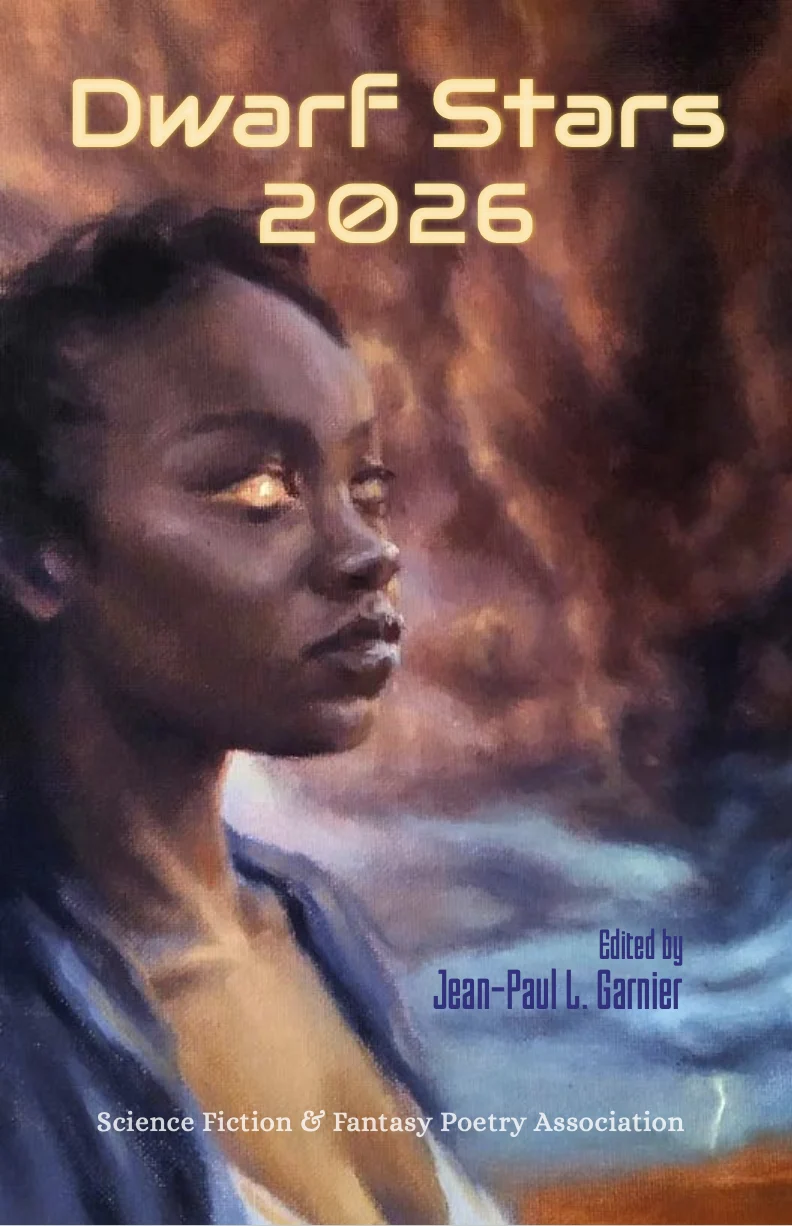
The latest compilation, featured prominently on Locus’s digital platform, underscores the magazine’s unwavering commitment to chronicling the pulse of speculative fiction. The list encompasses a diverse array of venues that publish fiction, reviews, and critical analysis, affirming Locus‘s role not just as a news source, but as a crucial archival and discovery tool for the global SF/F/H community. From the esteemed poetry anthology Dwarf Stars 2026 to a vibrant spectrum of online magazines like Apex Magazine, Clarkesworld, and Fiyah: Magazine of Black Speculative Fiction, the directory highlights the immense vitality and diversity within the genre.
Main Facts: Locus’s Enduring Mandate to Map the Genre
At its core, the Locus periodical list is more than just a simple catalog; it is a living document reflecting the state of speculative fiction publishing. Published regularly, this specific iteration focuses on new and ongoing periodicals, offering an invaluable snapshot for those seeking fresh voices, compelling narratives, or critical insights. The inclusion criteria are broad yet specific: publications must feature SF/F/H content, whether it be short stories, novellas, poetry, reviews, or essays. This inclusive approach ensures that the list captures the full breadth of genre expression across various media.
The list serves several critical functions. For readers, it is an essential guide for discovering new literary homes for their favorite genres, moving beyond established titans to unearth hidden gems and niche offerings. For authors, it represents a crucial resource for identifying potential markets for their work, understanding the editorial sensibilities of different venues, and observing trends in publication. For scholars and critics, it offers a structured overview of where contemporary genre discourse and creativity are flourishing.
Locus magazine maintains an open-door policy for submissions, inviting publishers, editors, and creators to submit titles for consideration. This collaborative approach ensures the list remains as comprehensive and up-to-date as possible, relying on the collective intelligence of the community it serves. Submissions can be directed to Locus Publications at 655 13th St. #100, Oakland CA 94612 or via email to [email protected], emphasizing accessibility and encouraging broad participation.
Chronology: The Evolution of Speculative Fiction Publishing and Locus’s Adaptation
The landscape of speculative fiction publishing has undergone a profound transformation since Locus magazine first began its operations in 1968. Initially, the genre was dominated by a handful of influential print magazines and publishing houses. Locus emerged as a critical voice during this era, providing essential news, reviews, and bibliographies that were otherwise scattered or inaccessible. Its early mission was to centralize information, connecting a growing but disparate community of writers, readers, and editors.

The latter half of the 20th century saw the gradual diversification of print venues, but the advent of the internet in the 1990s marked a seismic shift. Digital publishing platforms began to proliferate, offering lower barriers to entry and enabling a new wave of independent and niche publications. Locus recognized this paradigm shift early on, adapting its coverage to include these nascent online entities alongside traditional print journals. This foresight was crucial, as many of today’s most respected genre magazines originated as web-only ventures.
The 21st century has accelerated this evolution, introducing new formats such as podcasts (e.g., Contours of Sagittarius, listed here) and highly curated online newsletters (The Sunday Morning Transport). The current list from Locus is a testament to this ongoing evolution, heavily weighted towards online magazines. This reflects a broader industry trend where digital platforms offer unparalleled reach, flexibility, and often, more immediate engagement with audiences. Locus‘s continuous effort to track these developments ensures that its readers remain informed about the cutting edge of genre publishing, not just its historical roots. The magazine itself has mirrored this journey, maintaining a robust print presence while simultaneously expanding its digital footprint and online resources to cater to contemporary consumption habits.
Supporting Data: A Tapestry of Genre Diversity and Vitality
While the Locus list doesn’t present raw numerical data in this excerpt, the sheer volume and variety of titles serve as compelling "supporting data" for the robust health and incredible diversity of speculative fiction publishing. The list is a vibrant tapestry woven from different subgenres, publishing models, and editorial philosophies.
Key Observations from the List’s Composition:
- Dominance of Online Platforms: The vast majority of listed periodicals are online magazines. This signifies the digital realm as the primary incubator for new voices and experimental forms within SF/F/H. Online platforms often allow for more frequent publication cycles, greater editorial freedom, and direct engagement with a global readership.
- Specialization and Niche Markets: Beyond general SF/F publications, the list highlights a strong trend towards specialization. Examples include:
- Fiyah: Magazine of Black Speculative Fiction: A crucial platform dedicated to promoting speculative fiction by and about people of the African diaspora, addressing historical underrepresentation.
- Samovar: Specializing in translated speculative fiction, opening windows to global perspectives and diverse cultural narratives.
- The Deadlands: Focused on mythic horror and dark fantasy, exploring the intersections of folklore, death, and the uncanny.
- Three-Lobed Burning Eye: Known for its unique blend of literary horror and dark fantasy.
- Genre Blending and Expansion: Publications like Black Cat Weekly (which often features speculative mystery) demonstrate the increasing fluidity of genre boundaries. Escape Artists (home to Escape Pod, PseudoPod, PodCastle) represents the thriving audio fiction market, bridging the gap between traditional reading and auditory storytelling.
- The Endurance of Poetry and Criticism: The inclusion of Dwarf Stars 2026 (a poetry anthology) and Tangent Online (a review site) underscores that speculative fiction is not solely about prose. Poetry continues to find its niche, and critical analysis remains a vital component for understanding and appreciating the genre’s artistic and intellectual contributions.
- Experimental and Emerging Formats: Titles like Foofaraw, Quotidian Bagatelle, and The Sunday Morning Transport suggest a willingness to experiment with publishing models, from curated newsletters to more avant-garde literary journals. This constant innovation ensures the genre remains fresh and adaptable.
Conservatively estimating, the number of active SF/F/H periodicals tracked by Locus globally runs into the hundreds, with dozens of new or significantly updated entries identified annually. This ongoing influx of content across various formats — from flash fiction venues like Flash Point SF to long-form, critically acclaimed literary magazines — demonstrates an unparalleled period of growth and diversification for speculative fiction. The data, implicitly contained within the sheer scale of the list, speaks volumes about the genre’s vibrant ecosystem and its capacity for continuous self-reinvention.
Official Responses: Locus’s Perspective and Community Affirmation
While the provided snippet does not contain direct quotes from Locus staff, the very existence and meticulous maintenance of this list represent a profound "official response" from the magazine regarding its mission and values. Locus has historically viewed itself as the institutional memory and current events chronicler of the speculative fiction field. Its dedication to compiling such extensive lists, alongside its renowned reviews and news coverage, reflects a deep-seated belief in the importance of organized information for the health and growth of the genre.

A hypothetical statement from a Locus editor might articulate: "Our periodical list is a cornerstone of our service to the SF/F/H community. In an age of information overload, we strive to be a trusted filter, helping readers discover quality content and providing authors with clear pathways to publication. The explosion of online venues is incredibly exciting, fostering diversity and innovation, and our role is to make sense of that vibrant chaos. We believe that by systematically tracking these publications, we not only preserve the genre’s history but also actively shape its future."
This sentiment resonates strongly within the broader speculative fiction community. Authors, agents, and readers consistently cite Locus as an authoritative source. Industry professionals often refer to Locus lists when seeking new talent or identifying emerging trends. The magazine’s comprehensive approach to tracking publications is seen as a vital public service, akin to a cartographer mapping uncharted territories in a rapidly expanding world. Its consistent presence and commitment to unbiased reporting have earned it a reputation as a reliable and essential voice. The fundraising appeal appended to the article further underscores this point, indicating that the magazine relies on community support to continue its vital work, highlighting the reciprocal relationship between Locus and its readership.
Implications: Shaping the Future of Speculative Fiction
The implications of Locus magazine’s comprehensive periodical directory extend far beyond simple listings, influencing the trajectory of speculative fiction in several profound ways.
For Authors and Creators:
The list acts as a critical bridge between aspiring and established authors and potential publishing homes. By showcasing a wide range of venues, it democratizes access to publishing opportunities, particularly for those who might not be aware of niche or emerging platforms. It encourages authors to think broadly about where their work might fit, fostering a more diverse and innovative output. For instance, an author of culturally specific fantasy might find a perfect fit with Fiyah, while a writer of experimental short fiction might gravitate towards Orion’s Belt or Foofaraw. This direct link supports career development and helps new voices gain traction.
For Readers and Audiences:
In an age of overwhelming content, curation is paramount. The Locus list offers a trusted filter, guiding readers to quality publications that align with their interests. It simplifies the discovery process, allowing enthusiasts to explore subgenres, international fiction (via Samovar), or innovative storytelling formats (like Contours of Sagittarius). This accessibility enriches the reading experience and broadens the audience for speculative fiction by making diverse content easier to find.
For the Genre Itself:
The directory is a powerful indicator of the health and dynamism of speculative fiction. The sheer number of active and new periodicals signals a thriving ecosystem, constantly generating new ideas, challenging conventions, and pushing thematic boundaries. The proliferation of online venues, in particular, facilitates greater experimentation in form and content, often leading to a quicker response to societal changes and contemporary issues within genre narratives. The inclusion of diverse voices and international perspectives, supported by dedicated platforms, fosters a more inclusive and representative genre.

For the Publishing Industry:
Locus‘s tracking provides invaluable market intelligence. Publishers can observe trends in popular subgenres, identify successful new publishing models, and even scout for talent discovered in these listed periodicals. It helps anticipate shifts in reader demand and informs strategic decisions within larger publishing houses, contributing to the overall economic vitality of the speculative fiction market. The emphasis on digital platforms also highlights the ongoing shift in business models, from print-centric to a hybrid or digital-first approach.
Challenges and the Path Forward:
Maintaining such a comprehensive and up-to-date list is an immense undertaking. The ephemeral nature of some online publications, the constant emergence of new projects, and the global scope of the genre present continuous challenges. However, Locus‘s commitment to this task, bolstered by community submissions and reader support, ensures its continued relevance. The magazine’s enduring presence as a central hub for news, reviews, and vital resources like this periodical list is indispensable. It not only reflects the current state of speculative fiction but actively participates in shaping its future, ensuring that the vast and imaginative realms of SF/F/H remain accessible, vibrant, and ever-evolving for generations to come.
As the speculative fiction landscape continues to expand and diversify at an unprecedented rate, Locus magazine’s dedicated efforts remain a crucial beacon, illuminating the path for authors, readers, and critics alike. Its commitment to cataloging this dynamic universe ensures that the spirit of exploration and discovery, so central to the genre itself, continues to thrive within its literary infrastructure.