
Magical Minimalism: Exploring the Cozy Organizational World of ‘Design and Conjure’
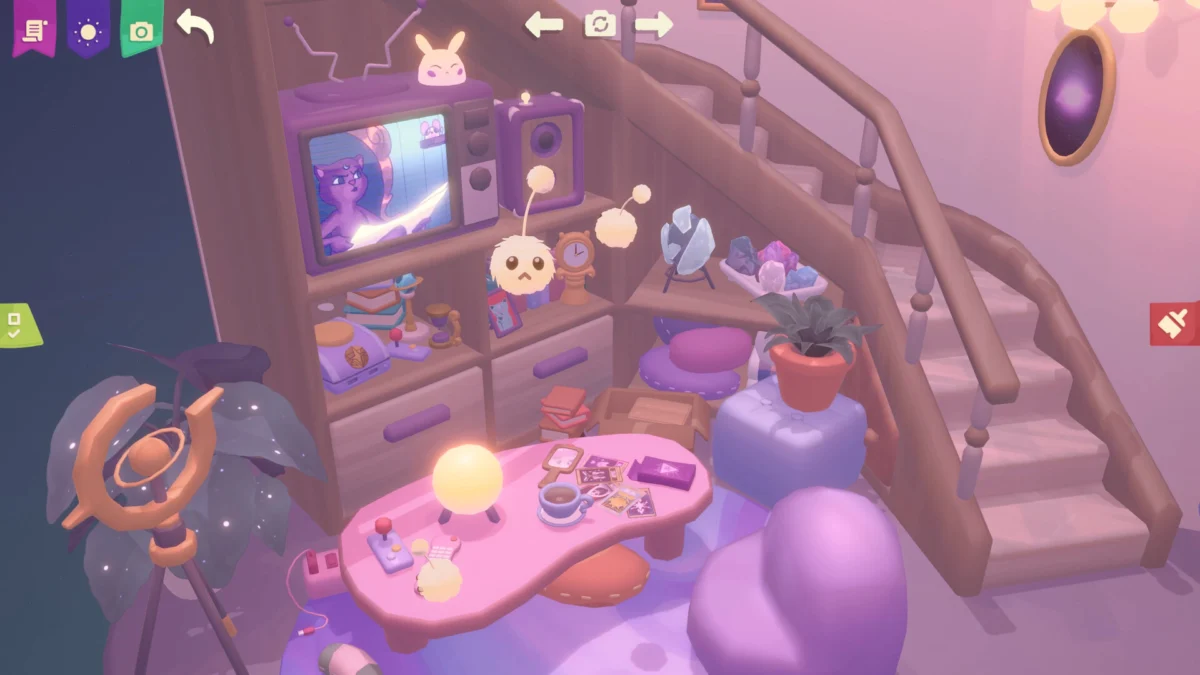
The indie gaming landscape has witnessed a transformative shift over the last half-decade. While high-octane action and grueling soulslikes continue to dominate the mainstream, a parallel movement has flourished in the quiet corners of the industry: the "cozy game." Defined by low-stress environments, creative expression, and a lack of punishing fail-states, this genre has found its latest champion in Design and Conjure. Developed as a whimsical blend of interior design and light puzzling, the title invites players into the life of a newly graduated witch who must navigate the most daunting of post-graduate tasks: unpacking.
Scheduled for a full release in August 2026, Design and Conjure has already begun to generate significant buzz within the indie community, particularly following the release of its playable Steam demo. The game represents more than just a digital dollhouse; it is a meditation on the transition from academia to adulthood, wrapped in a blanket of sorcery and feline companionship.
Main Facts: The Foundation of Sorcerous Interior Design
Design and Conjure is fundamentally a light puzzle game centered on the mechanics of unpacking and customization. The premise is relatable to anyone who has ever moved house, albeit with a supernatural twist. Players step into the pointed shoes of a young witch who has recently completed her higher sorcerous education. Returning home to start her professional journey, she is greeted not by ancient prophecies or looming villains, but by a mountain of cardboard boxes and a cluttered living space.
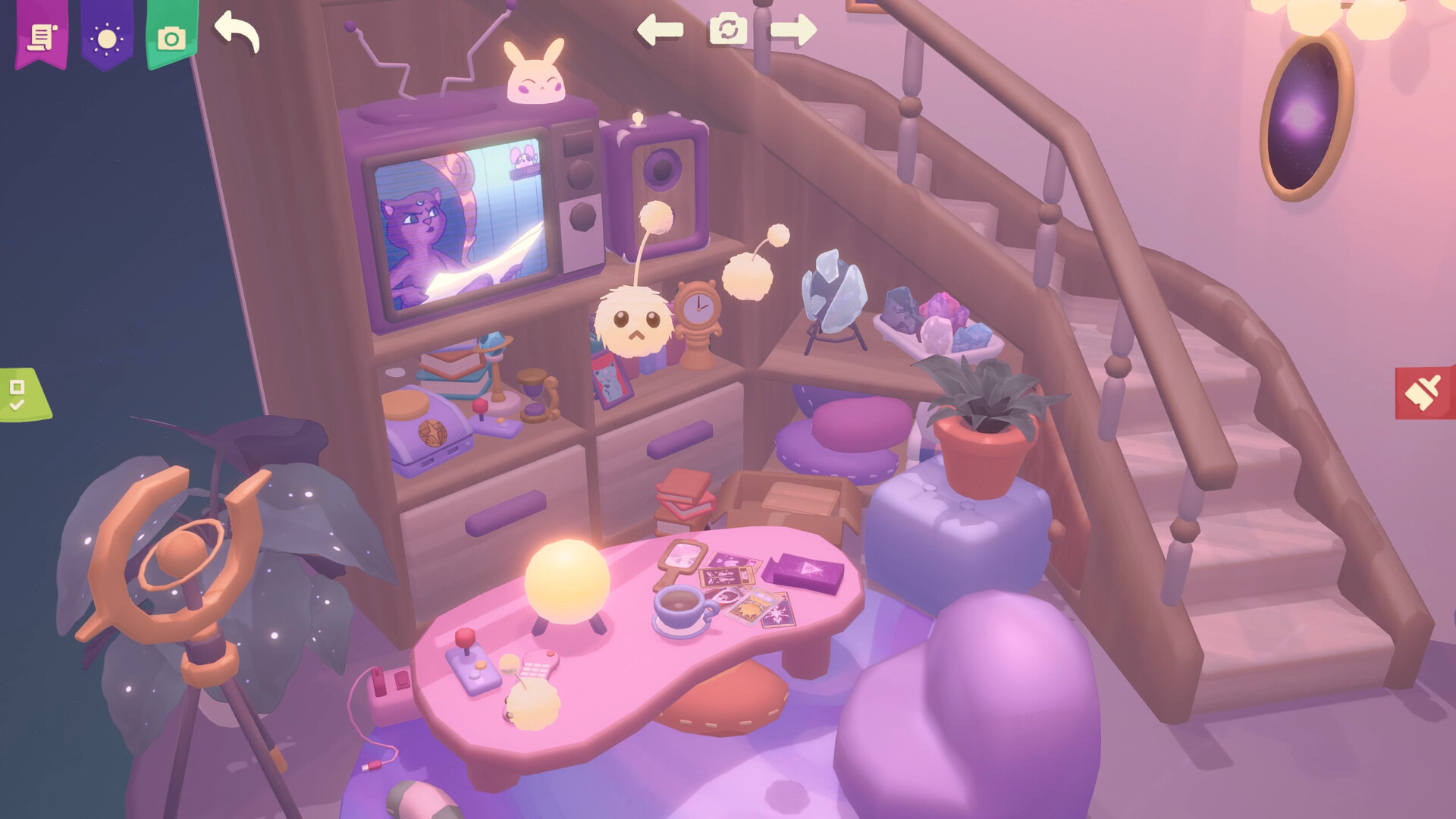
The core gameplay loop revolves around opening boxes, identifying items—ranging from mundane kitchenware to arcane artifacts—and finding the perfect spot for them within a room. Unlike traditional organization games that may enforce a strict "one correct spot" philosophy, Design and Conjure leans heavily into personalization. A standout feature of the title is the ability to change the color and aesthetic properties of items, allowing players to curate a space that reflects their specific tastes rather than just solving a spatial puzzle.
Key features of the game include:
- Narrative-Driven Organization: Each item unpacked tells a story about the protagonist’s time at the sorcery academy.
- Customization Engine: A robust system for altering the colors and textures of furniture and decor.
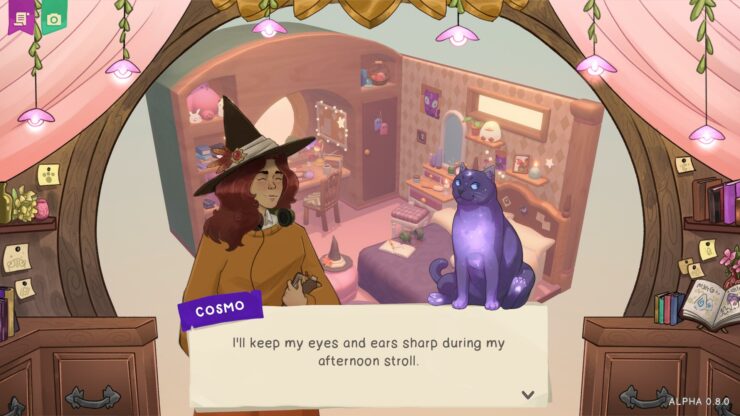
- The Familiar System: Interaction with Cosmo, a glowing cat familiar who provides companionship and occasional commentary between levels.
- Atmospheric Audio: A diegetic cassette player mechanic that allows players to control the lo-fi, magical soundtrack.
- Low-Stakes Puzzling: The absence of timers or health bars, ensuring the experience remains focused on relaxation.
Chronology: From Concept to the 2026 Horizon
The journey of Design and Conjure reflects the modern indie development cycle, where community feedback and iterative demos play a crucial role. While the developer has maintained a focus on quality over speed, the roadmap for the game is clearly defined.
- Initial Conception (2023-2024): The project began as an exploration of the "Unpacking" sub-genre, looking to add a layer of creative agency that many felt was missing from previous titles in the category. The decision to adopt a "witchcore" aesthetic was made early on to capitalize on the enduring popularity of magical realism in cozy media.
- The Prototype Phase: Early builds focused on the physics of item placement and the color-swapping mechanic. The developer aimed to ensure that rotating and placing items felt tactile and satisfying, a necessity for a game where "tidying up" is the primary interaction.
- Demo Launch (2024): The release of the Steam demo marked a major milestone. This allowed players to experience the first few rooms of the witch’s home and introduced Cosmo the cat. The demo served as a "proof of concept" for the game’s relaxed pacing and aesthetic direction.
- Community Refinement (2024-2025): Following the demo, the developers have been utilizing player feedback to refine the "Requirements List." Players noted that while they enjoyed the freedom, having specific "quests" (e.g., "Find a place for all the potion bottles") provided a necessary structure to the gameplay.
- The Road to August 2026: The current development phase is focused on expanding the variety of rooms—moving beyond the bedroom into laboratories, greenhouses, and libraries—and deepening the narrative interactions with Cosmo and other off-screen characters.
Supporting Data: Mechanics and Player Experience
The appeal of Design and Conjure can be quantified through its design philosophy. In an era of "doom-scrolling" and high-stress environments, the psychological benefit of "controlled organization" is a significant draw.
The Puzzle Logic
While the game is described as "light," it does not lack depth. The "list of requirements" acts as the game’s primary puzzle mechanic. Instead of a rigid grid, the game uses a more organic placement system. Players might be tasked with ensuring all "spell-related" items are within reach of the desk, or that certain color harmonies are met. This requires the player to engage in spatial reasoning and categorization, which provides a sense of cognitive satisfaction without the stress of a traditional puzzle game.
Personalization vs. Precision
Data from the indie game sector suggests that players are increasingly looking for "expressive" play. In many organization games, the player is merely uncovering a pre-determined layout. Design and Conjure disrupts this by offering a color-wheel and texture options for almost every object. This turns a simple task of "putting away the dishes" into an act of interior design. According to early playtester reviews, this feature significantly increases the "dwell time" per level, as players spend as much time choosing the perfect shade of lavender for their bedsheets as they do arranging their books.
The "Cosmo" Factor
NPC interactions in cozy games are often the emotional anchor. Cosmo the cat acts as the "familiar," a staple of witch folklore. By placing interactions with Cosmo between levels, the game creates a "breathing room" that prevents the gameplay from feeling repetitive. The developers have signaled that in the final version, Cosmo’s role will be expanded to include more reactive animations based on how the player decorates the room, further bridging the gap between the player’s actions and the game’s world.
Official Responses and Critical Reception
Initial critical responses to the Design and Conjure demo have been overwhelmingly positive, particularly from journalists specializing in the indie and cozy sectors.
Jupiter Hadley, a prominent indie game journalist, noted the "extremely cozy" nature of the game, highlighting the specific joy of organizing a room full of items. Hadley observed that the game’s low-stakes nature—specifically the lack of a timer—is a perfect fit for the genre. However, she also offered constructive insights that have resonated with the community: "I didn’t quite use this [customization] aspect of the game as much as I probably could have, as I felt that the main draw for these types of puzzle games are the puzzles themselves."
This feedback highlights a critical balance the developers are currently navigating: ensuring that the "design" (creative) and the "conjure" (puzzling) elements complement each other rather than competing for the player’s attention.
The developer has responded to such feedback by emphasizing that the "requirements list" will be more integrated into the customization features in the final build. For instance, a requirement might not just be "place the lamp," but "place a lamp that matches the room’s color scheme," thereby forcing the player to engage with the customization tools to solve the puzzle.
Implications: The Future of the "Witchy-Cozy" Genre
The development and anticipated success of Design and Conjure point toward several broader trends in the gaming industry.
1. The Rise of "Witchcore"
Witchcraft has moved from being a symbol of horror or high-fantasy conflict to a symbol of domesticity, herbology, and self-care. Design and Conjure sits alongside titles like Wylde Flowers and Spiritfarer in recontextualizing magical themes into a framework of emotional labor and personal growth. This shift reflects a demographic shift in gaming, where a diverse range of players seeks themes of nurturing and home-building.
2. The "Unpacking" Legacy
The success of the 2021 hit Unpacking proved that there is a massive market for "zen" organization. Design and Conjure represents the "second generation" of this sub-genre. By adding customization and a more explicit narrative about "starting one’s journey," it seeks to evolve the formula. The implication is that "tidying games" are not a fad but a legitimate sub-genre that will continue to see innovation in the coming years.
3. Indie Sustainability and Long Cycles
With a release date set for 2026, the developers are taking a "slow-burn" approach. This is increasingly common in the indie world, where small teams prioritize mental health and polish over rapid release cycles. The existence of a demo two years prior to release suggests a commitment to transparent development and long-term community building, which is becoming the standard for successful indie launches on platforms like Steam.
In conclusion, Design and Conjure is shaping up to be a quintessential cozy experience. It understands that sometimes, the most magical thing a person can do is make a new space feel like home. Whether through the flick of a wand or the careful placement of a cassette tape, players are invited to find peace in the order of things—a promise that seems more enchanting than any high-level spell.



Leave a Comment