Task Bar Hero Shatters Steam Records, But Questions Swirl Around Botting and False Bans
A seemingly innocuous idle game has surged to unprecedented popularity on Steam, but its meteoric rise is shadowed by widespread concerns of bot farming, economic manipulation, and potentially profile-damaging false bans.
In a landscape often dominated by established giants and long-running service titles, the PC gaming platform Steam frequently sees unexpected contenders climb the player population charts. For extended periods, titles like "Bongo Cat," a charmingly simple game where a feline companion rhythmically taps to user keystrokes, and "Banana," a minimalist experience centered around earning and trading virtual bananas, have held prominent positions. However, a new entrant, "Task Bar Hero," launched at the end of May and has since rewritten the playbook for what constitutes a breakout hit on Steam.
Within an astonishingly short timeframe, "Task Bar Hero" achieved a peak concurrent player count of approximately 450,000. This past weekend, the game further solidified its position by reaching an all-time peak of 526,596 concurrent players. This impressive figure places it firmly within the upper echelons of Steam’s most played games, surpassing titans such as "Dota 2," "PUBG," and "Path of Exile 2," and positioning it just below the perennial leader, "Counter-Strike 2."
The Unlikely Appeal of an Idle Game
The success of "Task Bar Hero" has been a source of intrigue, particularly for those familiar with the nuances of the idle game genre. While the author of this report admits to a personal fondness for idle games, citing "Ropuka’s Idle Island" as a personal favorite, the rapid and widespread adoption of a "taskbar idle RPG" initially sparked skepticism. The core premise of "Task Bar Hero" involves players passively earning in-game resources and items that can then be sold on the Steam marketplace. This mechanic mirrors the appeal of "Banana," where players could trade virtual banana images.
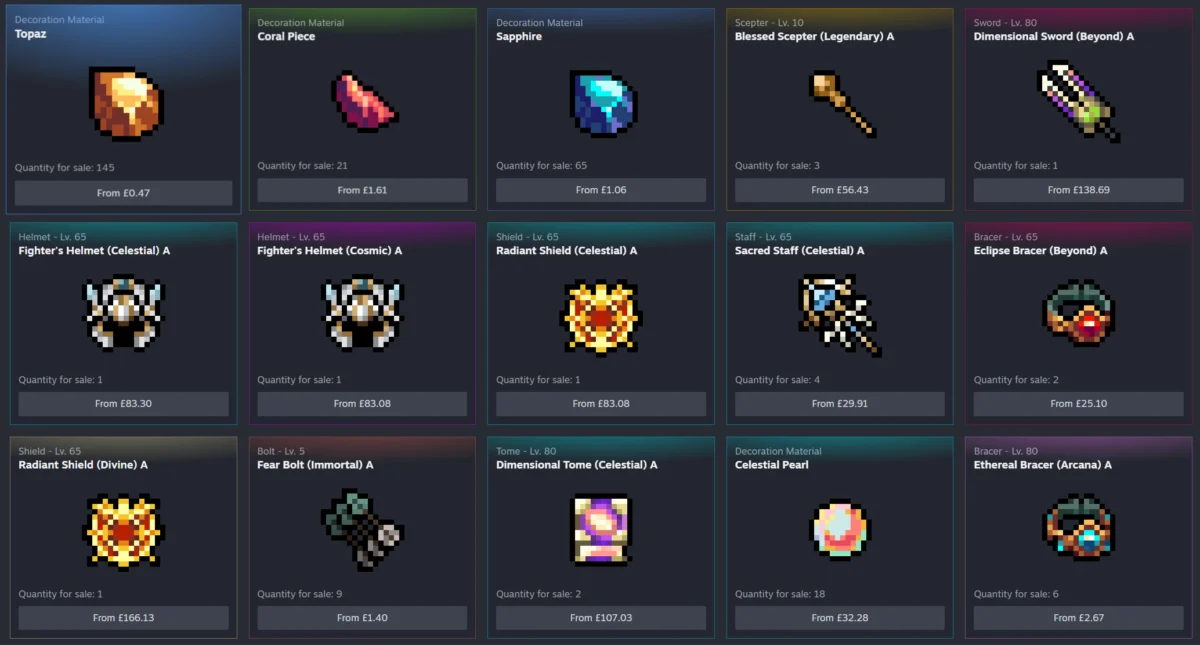
A cursory examination of "Task Bar Hero’s" marketplace listings reveals a wide disparity in item value. While many items are practically worthless, a subset of weapons and armor have fetched prices ranging from approximately £50 to £150. Most notably, a legendary bow was reportedly listed for sale at an astonishing £1,183.16. This economic aspect, however, is precisely where the game’s most significant controversies have emerged.
The Shadow of Botting and Economic Manipulation
The extraordinary player counts and the presence of high-value tradable items have led to widespread accusations of bot farming and artificial inflation of the in-game economy. This phenomenon is not entirely unprecedented on Steam. "Banana" itself faced significant scrutiny regarding botting and its marketplace trading mechanisms, leading to a period of controversy and debate among developers and players alike.
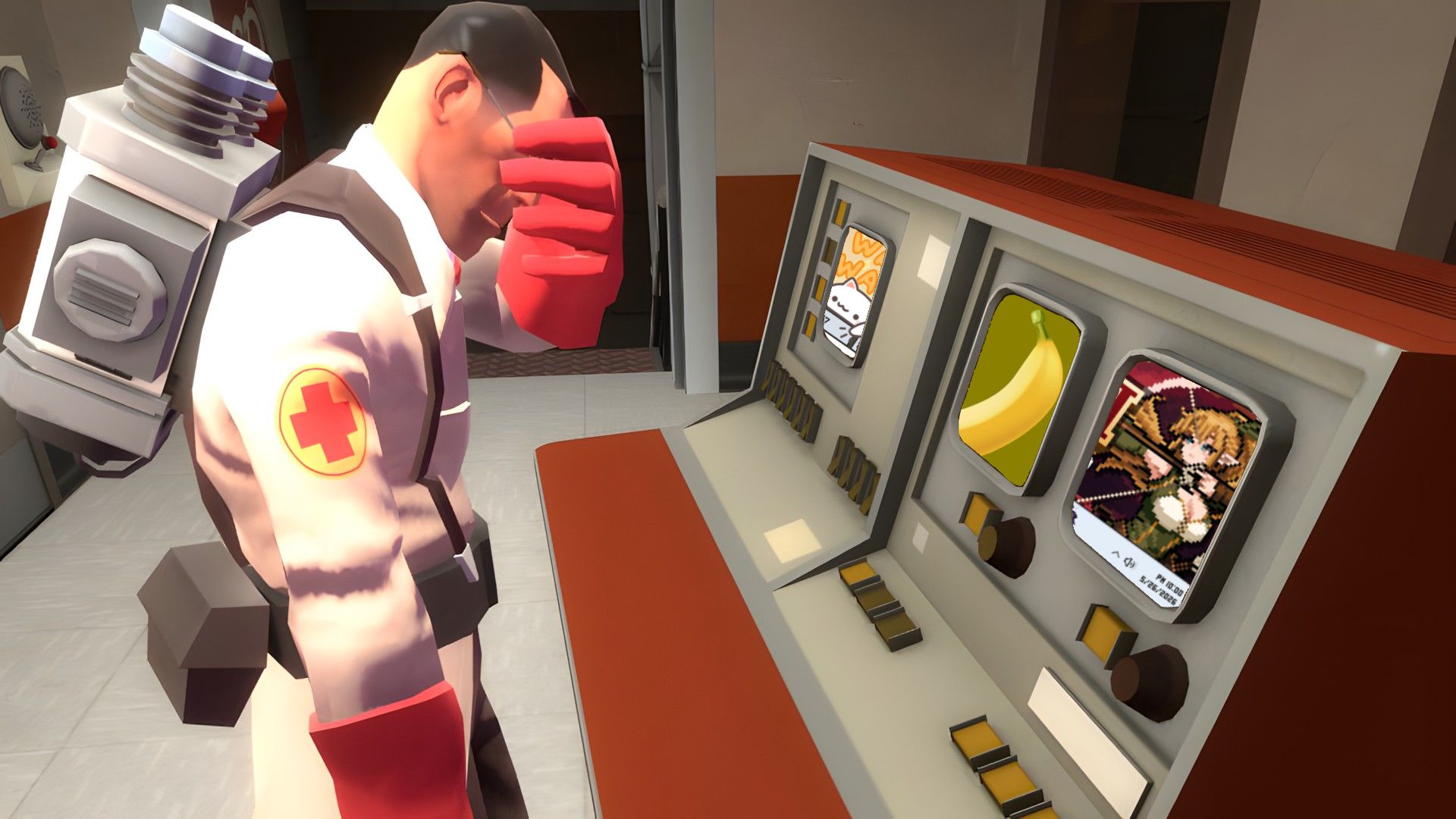
The current situation with "Task Bar Hero" appears to be following a remarkably similar trajectory. The suspicion is that automated programs, or "bots," are being deployed in large numbers to play the game, generate items, and then flood the Steam marketplace, artificially driving up the perceived value of certain assets. This practice is often employed to exploit trading systems for financial gain, either through selling in-game items for real-world currency or by manipulating the perceived rarity and demand for virtual goods.
The game’s user reviews on Steam do little to dispel these concerns. "Task Bar Hero" currently holds a "Mixed" rating, with 48% of players giving it a positive review. A significant portion of these negative reviews directly cite the rampant bot farming and point to various game-breaking bugs. Perhaps most concerning are reports of valuable in-game items simply disappearing, a characteristic that further fuels suspicions of an unstable and potentially exploitative economy.
The Troubling Issue of False Bans
Beyond the economic implications, "Task Bar Hero" has been implicated in a far more serious and potentially damaging consequence for players: false flag bans. Due to its nature as an idle game that resides on the taskbar, players naturally open other applications while "Task Bar Hero" runs discreetly in the background. It has been reported that the game’s anti-cheat system, a feature that arguably should not be necessary for a single-player idle game but was implemented due to its marketplace trading functionality, can mistakenly identify the use of other programs as cheating.
This misidentification can result in players receiving "false flag bans," which are visible on their Steam profiles. Such marks can have significant repercussions, potentially impacting a player’s ability to participate in other online games or affecting their standing within the broader Steam community. One distressed player shared their experience on Reddit, stating, "Wish I had read this sooner. They tarnished my profile for no reason whatsoever." This sentiment highlights the frustration and damage caused by a system designed to prevent cheating that inadvertently penalizes legitimate users.
Developers Respond Amidst Controversy
In response to the escalating concerns, the developers of "Task Bar Hero" have issued a statement regarding the game’s operational changes and data collection practices. As the game transitions to a server-based model, the developers have stated that the amount of information collected will increase. Their justification for this expanded data collection is to "help identify users of unauthorized programs."
The developers claim that the data being tracked aligns with typical requirements for games integrated with the Steam marketplace. This includes user IDs, game versions, and device information. While the intention may be to combat botting and cheating, the implementation and its alleged consequences, such as false bans, remain a significant point of contention for the player base. The move to private servers also raises questions about transparency and oversight, especially given the existing trust issues surrounding the game’s economic integrity.
Implications for Steam and the Gaming Ecosystem
The rapid ascent and subsequent controversies surrounding "Task Bar Hero" raise broader questions about Steam’s platform integrity and the evolving nature of game development and player engagement. The platform’s open nature, while fostering innovation and accessibility, also presents challenges in moderating emergent issues like botting and economic manipulation.
The success of "Task Bar Hero," despite its alleged flaws, underscores the potent allure of games that offer the possibility of real-world financial gain through in-game assets. This trend, exemplified by titles like "Axie Infinity" in the NFT space and now games like "Banana" and "Task Bar Hero" on Steam, highlights a growing segment of players motivated by speculative investment as much as by gameplay.
However, the potential for exploitation and the negative impact on legitimate players, as seen with the false bans, present a significant ethical and operational dilemma. Steam, as the gatekeeper of this ecosystem, faces the ongoing challenge of balancing its commitment to an open market with the need to protect its users from fraud and unfair practices.
As "Task Bar Hero" continues to navigate these turbulent waters, its ultimate legacy will likely be defined not just by its impressive player counts, but by how effectively its developers address the legitimate concerns regarding botting, economic fairness, and the safeguarding of player accounts. For many, the allure of a few tradable items simply won’t outweigh the risk of a tarnished Steam profile and the integrity of the platform itself. The author concludes with a personal anecdote, choosing to focus on building a virtual sanctuary for their digital frog rather than engaging with the speculative economy of "Task Bar Hero," a sentiment that may resonate with many seeking genuine gaming experiences over potential financial windfalls.