
Maxon Embraces AI with a User-Centric Approach, Launching Generative Tools and Agentic Licenses to Augment, Not Replace, Artists
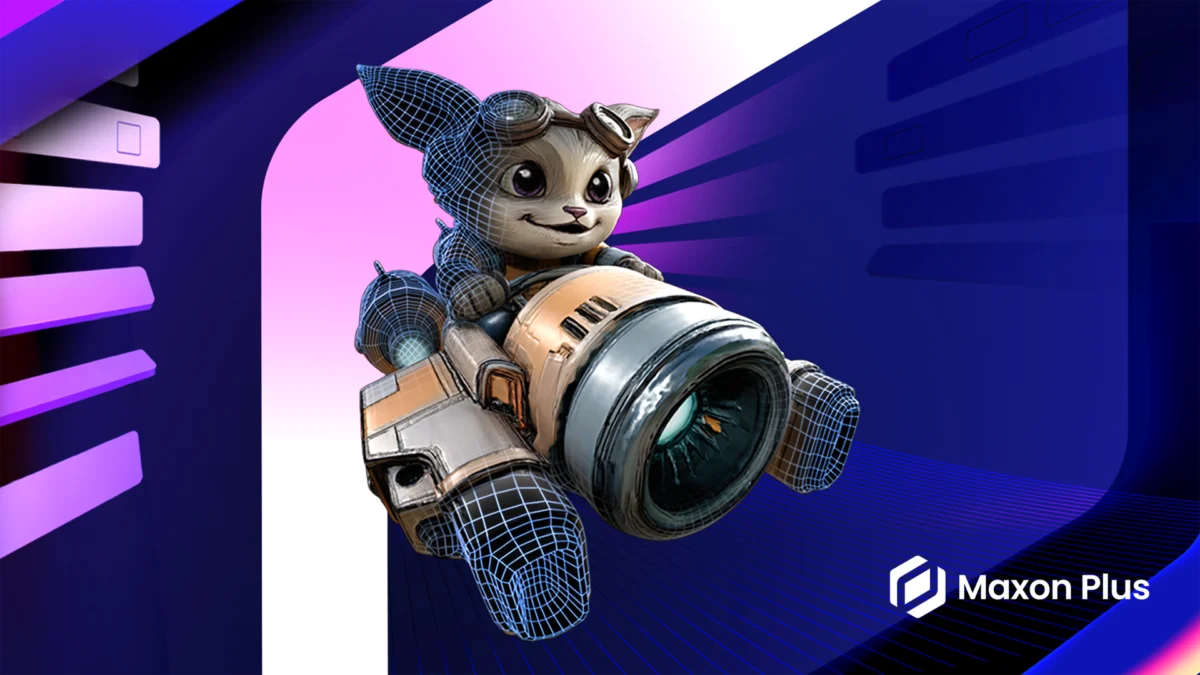
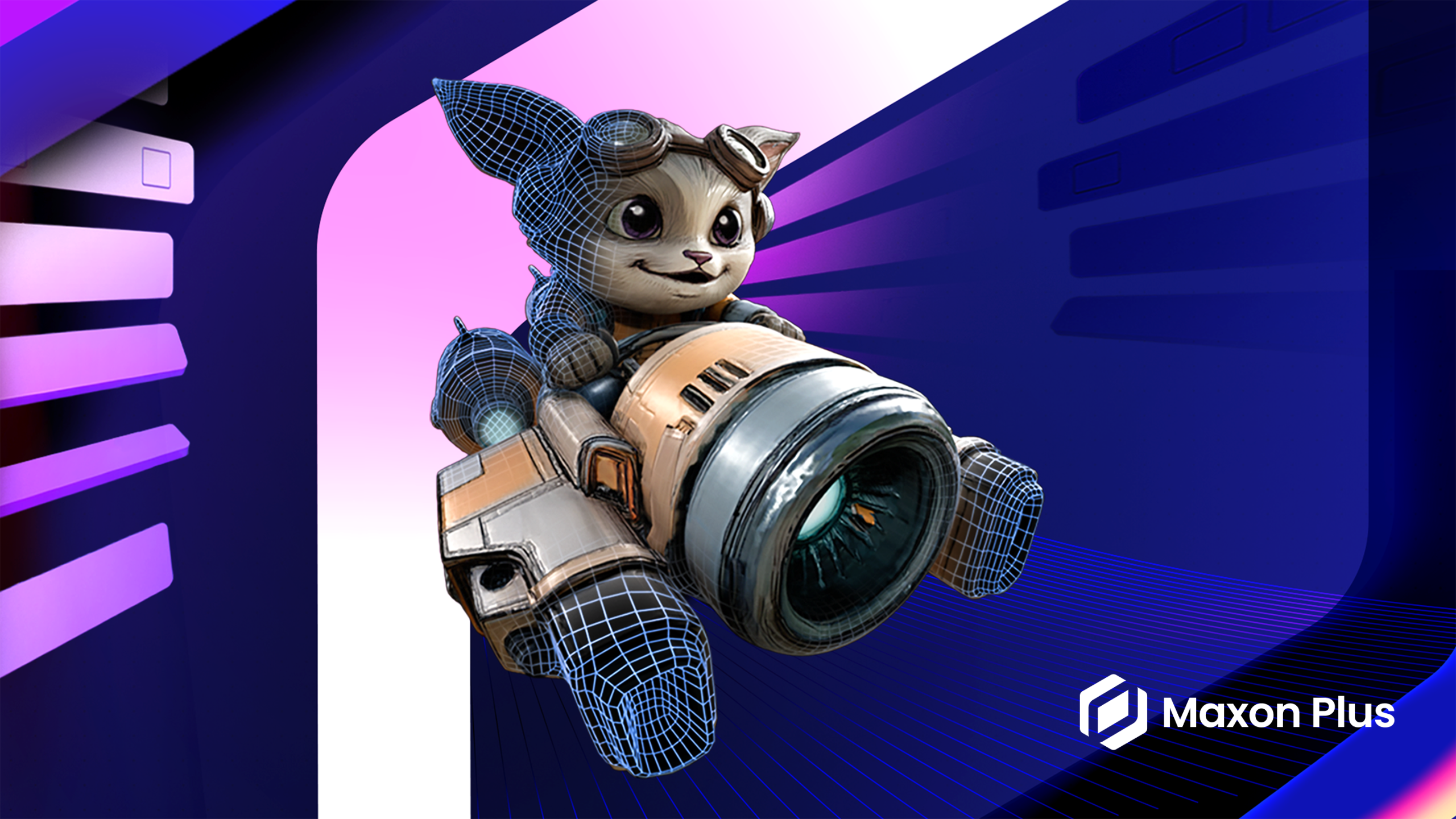
[City, State] – [Date] – In a bold strategic pivot, Maxon, a titan in the 3D design and animation software industry, known for its industry-leading products like Cinema 4D and ZBrush, is venturing into the realm of artificial intelligence. However, Maxon’s entry into the AI space is distinctly different from the often-contentious approaches taken by other software giants. The company is prioritizing an "artist-first" philosophy, aiming to position AI as a powerful assistant that enhances creative workflows rather than supplanting human artistry. This commitment is manifested through the introduction of a new optional subscription tier, Maxon Plus, and innovative "Agentic Licenses" for its core software.
Maxon’s AI Philosophy: Augmentation, Not Automation
Maxon CEO Dave McGovern articulates a clear vision for AI within the creative ecosystem: "The best thing about AI is when it becomes an actual assistant to you. I can stay in my artistic zone and do my artwork, and then this thing can do some of the busy work or repetitive, technical aspects." This philosophy underpins Maxon’s entire AI strategy, a stark contrast to the anxieties surrounding AI’s potential to automate creative jobs. Maxon’s leadership, including former senior executives from Adobe, understands the apprehension many artists feel and has deliberately crafted its AI offerings to address these concerns directly.
"We do have a complete ‘turn all AI off’ in our products," states Steve Forde, Maxon’s Chief Product Officer. "That’s a button that we purposely put there. If you’re an existing Maxon customer, and you’ve decided that none of this AI business is for me, I do not want to be any part of it, that’s entirely your prerogative." This user-controlled approach to AI integration is a cornerstone of Maxon’s market positioning.
McGovern further emphasizes that generative AI should not be seen as a direct revenue generator for artists on its own. "We would never say any of this generation stuff is something that should make an artist money on its own," he asserts. "It’s part of their creative journey, and it’s their artistic skills that’s going to make one of these individual pieces into a value-added output." This perspective highlights Maxon’s belief that AI tools are most effective when they empower artists to elevate their existing skills and artistic vision.
A Chronological Unveiling of Maxon’s AI Innovations
Maxon’s strategic integration of AI has been a carefully orchestrated process, building upon existing technologies and user feedback.
Early Explorations and User Adoption:
Maxon first began integrating AI capabilities through its Model Context Protocol (MCP) workflows. These initially allowed AI assistants like Claude to interact with Cinema 4D, enabling artists to leverage AI for tasks within their creative environment. The adoption of MCP reportedly exceeded the company’s expectations, signaling a strong user appetite for AI assistance.
The Success of MCP:
Steve Forde noted the remarkable success of MCP, stating that upon its release on September 30th, it "quickly became the most widely used feature in Cinema 4D’s history in the shortest period of time." He elaborated that users are employing it to "handle the crap tasks that you just got to get done." However, a key limitation of MCP was that it required the artist’s active session to be dedicated to the AI assistant, preventing concurrent work on other aspects of the project.
Addressing Limitations with Agentic Licenses:
Recognizing this constraint, Maxon has now introduced Agentic Licenses for Cinema 4D and Autograph. These licenses provide a separate, "headless" copy of the software, complete with Redshift rendering capabilities. This allows AI-driven tasks to operate "in the back office" on a different machine or in the background, freeing up the artist’s primary application for continued creative work. This addresses the need for simultaneous operation, a critical factor for efficient production pipelines.
The Launch of Maxon Plus:
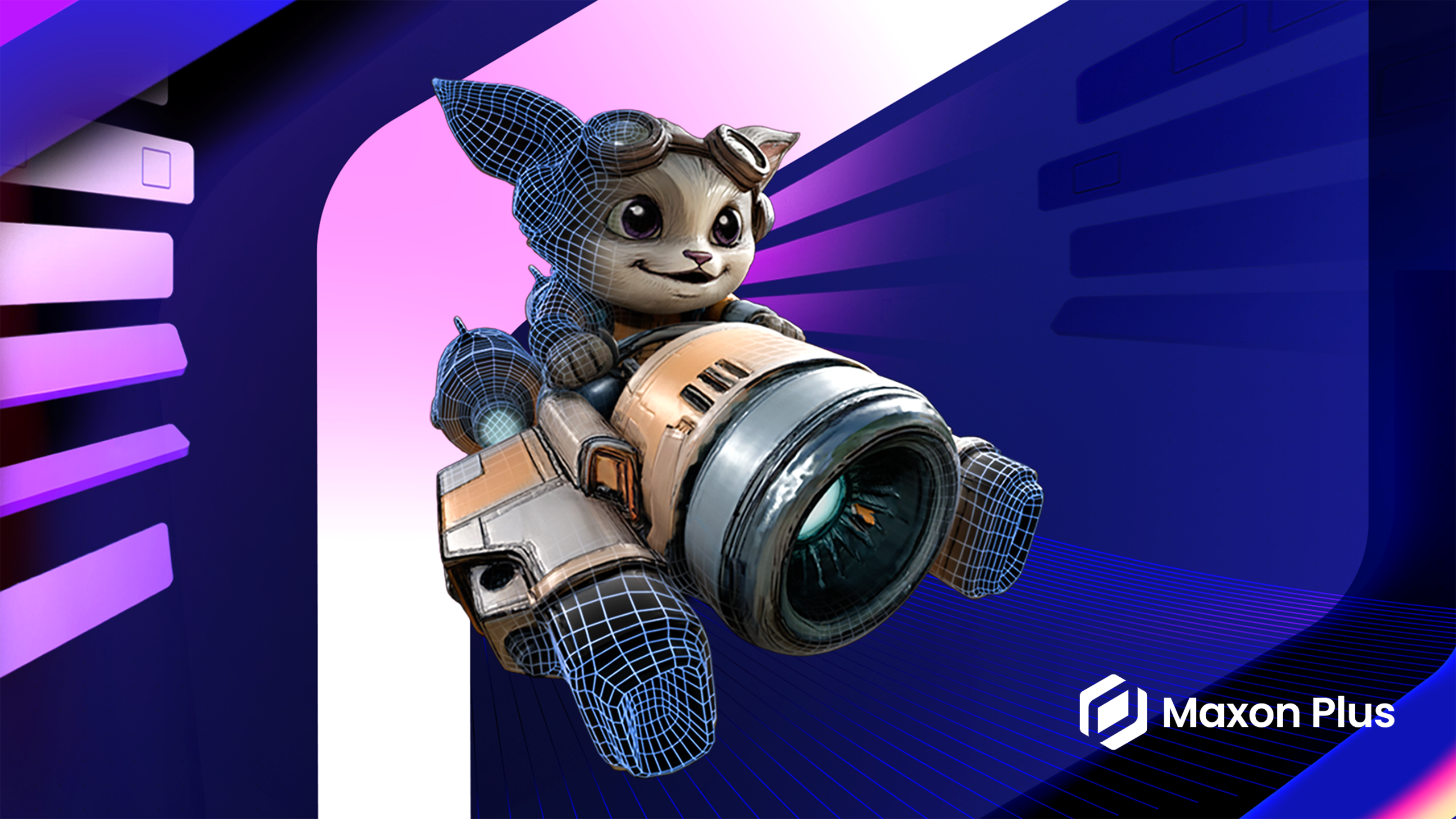
Complementing the Agentic Licenses, Maxon has simultaneously launched Maxon Plus, a new, optional subscription platform. Priced affordably starting at $10 per month, Maxon Plus offers a suite of cloud services, collaboration features, and, crucially, generative AI-powered tools. These AI tools can be integrated directly into Maxon’s existing software or used independently, meaning users do not necessarily require a Cinema 4D or ZBrush subscription to access them.
Generative AI Tools within Maxon Plus:
At launch, Maxon Plus features three core generative AI tools:
-
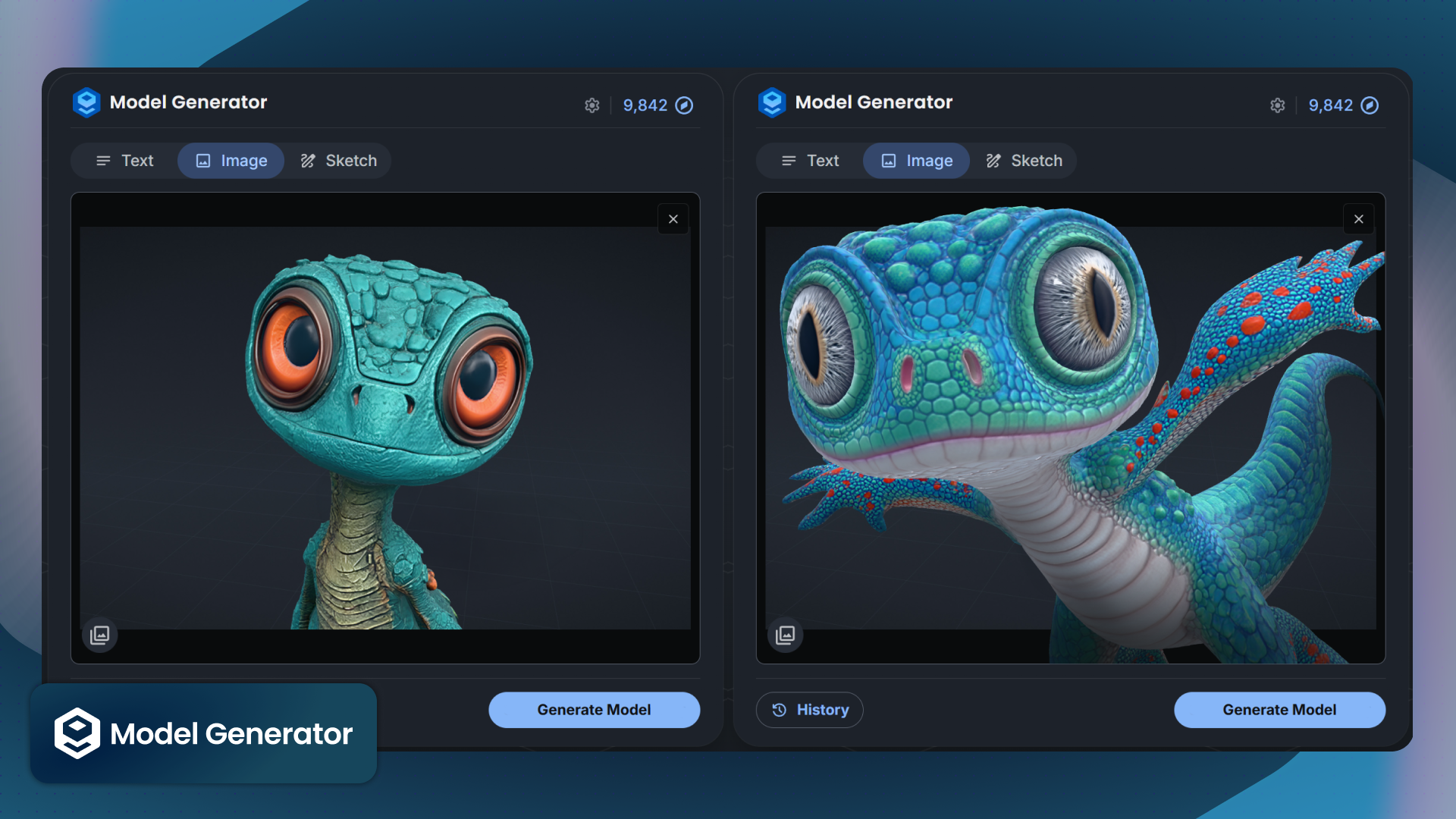
Model Generator: This tool allows users to create editable 3D base models from text prompts or reference images. It is envisioned as a powerful aid for generating concept previews, exploring creative directions, and producing initial models that can be refined within Cinema 4D. The primary target for this tool is the generation of props, background assets, and scene-building elements, particularly beneficial for animation workflows where pre-made assets are often sought. Initially, the AI generation is powered by Rodin, with plans to incorporate additional providers to offer artists more choice.
-
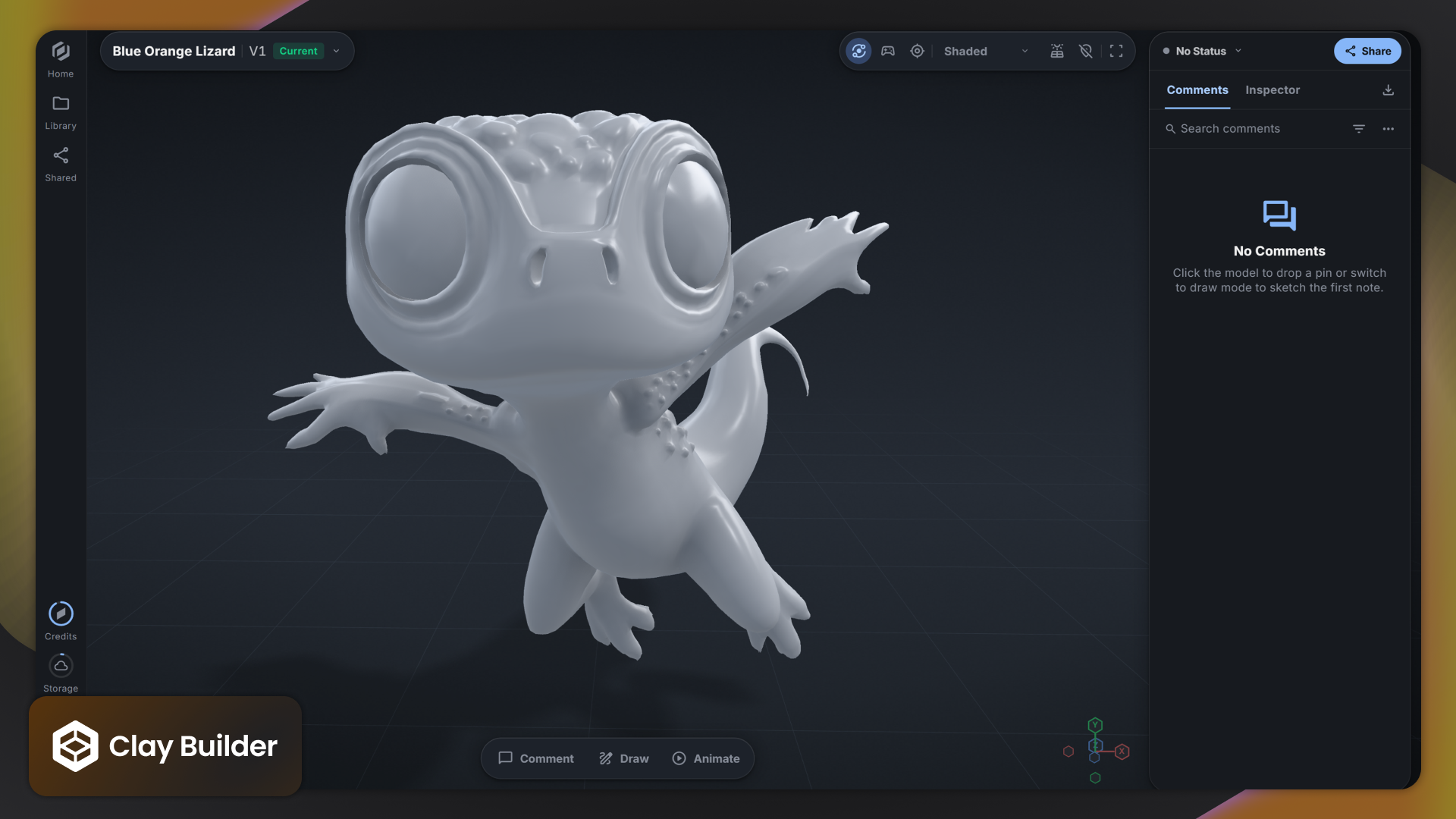
Clay Builder (for ZBrush): Designed with ZBrush artists in mind, Clay Builder generates simple, low-polygon base meshes. These meshes serve as a foundation that artists can then subdivide, remesh, and sculpt using ZBrush’s renowned traditional sculpting tools, preserving the tactile and artistic control that ZBrush users value.
-
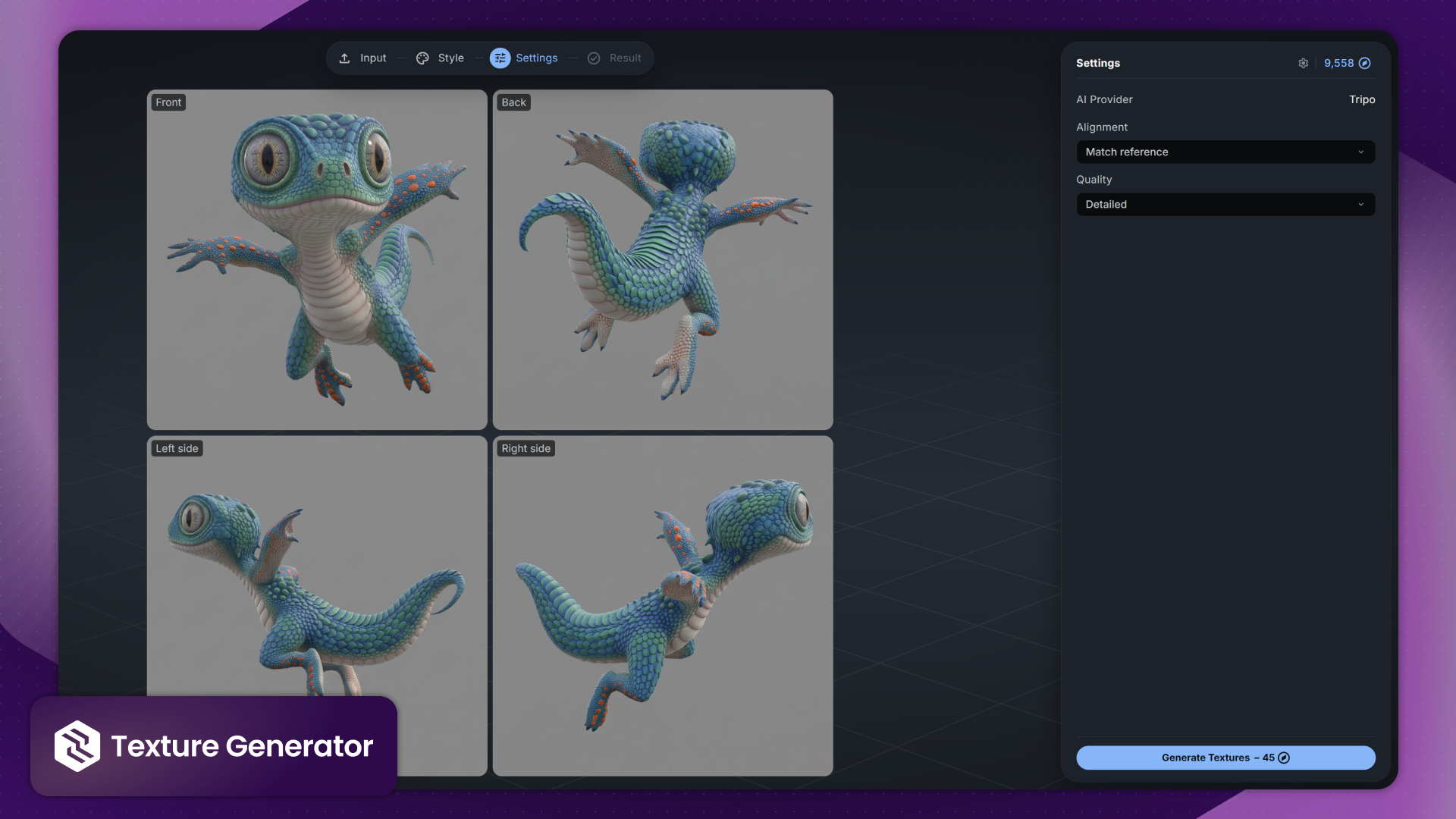
Texture Generator: This feature enables the application of new materials and textures to existing 3D models. Users can leverage text prompts or image references to generate unique textures, with the added flexibility of preserving existing UV maps, a crucial consideration for maintaining workflow integrity.
Supporting Data and User Feedback
The enthusiasm for Maxon’s AI integration is evident in the rapid adoption rates of its earlier MCP workflows. Forde’s statement about MCP becoming the "most widely used feature in Cinema 4D’s history in the shortest period of time" is a strong indicator of user demand. This suggests that artists are actively seeking ways to streamline their work and offload tedious tasks to AI, provided the tools are presented in a user-friendly and non-threatening manner.
The tiered pricing of Maxon Plus, starting at $10 per month, is also a strategic move designed to make AI-powered tools accessible to a broader range of users, from individual freelancers to larger studios. This affordability, combined with the optional nature of the subscription, further reinforces Maxon’s commitment to a user-centric AI strategy.
Official Responses and Strategic Vision
Maxon’s leadership has been vocal about their AI strategy, consistently emphasizing its role as an augmentation tool.
Dave McGovern (CEO): "The best thing about AI is when it becomes an actual assistant to you. I can stay in my artistic zone and do my artwork, and then this thing can do some of the busy work or repetitive, technical aspects." McGovern’s statements highlight the core principle of AI as a supportive, rather than a replacement, technology.
Steve Forde (Chief Product Officer): Forde’s comments on the success of MCP and the deliberate inclusion of an "AI off" switch underscore Maxon’s commitment to user control and choice. He also describes the Agentic Licenses as an "ambitious intern," a lighthearted analogy that encapsulates the idea of AI handling tasks efficiently without infringing on the artist’s core creative responsibilities.
The company’s decision to position AI tools as optional and controllable directly addresses the widespread concerns about AI’s impact on creative professions. By offering a clear opt-out and framing AI as a "force multiplier," Maxon aims to build trust and foster a collaborative relationship with its user base.
Implications for the 3D Industry
Maxon’s approach to AI has several significant implications for the broader 3D industry:
-
A New Standard for AI Integration: Maxon’s user-centric, opt-in model could set a new benchmark for how AI tools are introduced and integrated into creative software. Companies that prioritize user control and transparency may gain a competitive advantage.
-
Empowering Smaller Studios and Freelancers: The affordability of Maxon Plus and the efficiency gains offered by Agentic Licenses can level the playing field, allowing smaller teams and independent artists to leverage powerful AI capabilities that were previously only accessible to larger studios.
-
Preserving Artistic Integrity: By focusing on augmentation and providing artists with control, Maxon is helping to ensure that AI becomes a tool that enhances creativity rather than diminishing it. This could lead to a more positive perception of AI within the creative community.
-
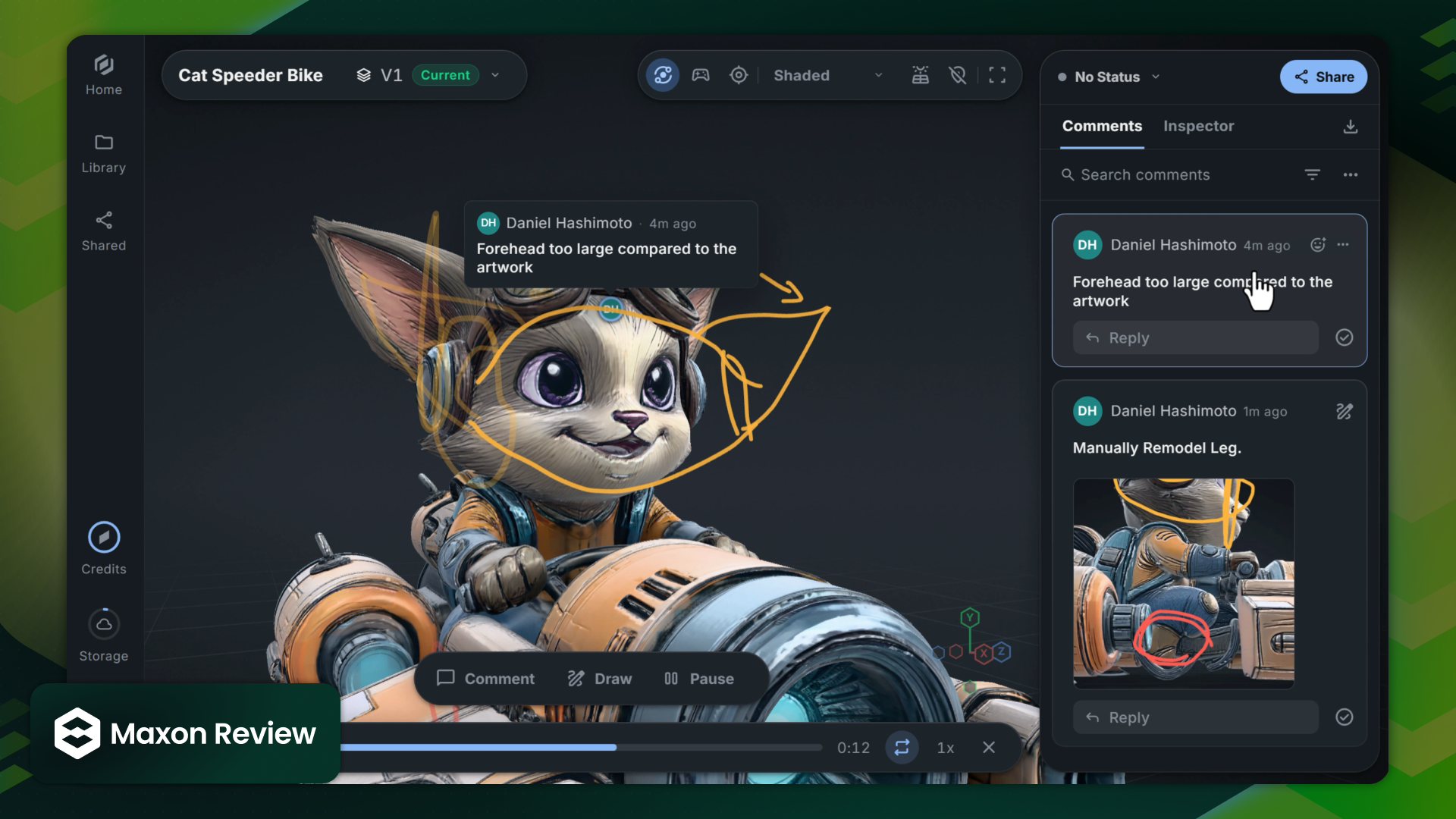
Innovation in Collaboration: The introduction of Maxon Review is particularly groundbreaking. This feature, which allows for fully interactive 3D work reviews through a browser with Frame.io-style commenting, addresses a long-standing bottleneck in 3D production pipelines. The ability to leave precise feedback tied to specific viewpoints within Cinema 4D or ZBrush promises to revolutionize the review process, saving significant time and reducing miscommunication. Forde notes that "People will spend up to 30% of their time in reviews just navigating a model or a scene," a statistic that Maxon Review directly aims to reduce.
-
Cloud Rendering Expansion: The inclusion of cloud rendering capabilities within Maxon Plus, accessible even on devices like the iPad, further enhances accessibility and flexibility for artists on the go.
Maxon’s strategic move into AI is not just about adopting new technology; it’s about shaping its integration in a way that respects and empowers the artists who are at the heart of the 3D industry. By offering choice, control, and a clear vision for AI as an assistant, Maxon is poised to redefine the future of 3D creation in an increasingly AI-driven world.