
Montana Writers Rodeo: A Thriving Hub for Literary and Dramatic Arts
HELENA, MT – The picturesque landscapes of Montana recently served as the backdrop for a vibrant gathering of literary minds and theatrical talent at the 2026 Montana Writers Rodeo. This unique "boutique conference," as described by attendees, successfully blended the craft of writing with the dynamic energy of the performing arts, fostering a supportive and inspiring environment for creators of all ages and genres. The event, held in Helena, showcased a diverse range of speakers, from established authors and film commissioners to promising young writers, offering a rich tapestry of workshops, presentations, and performances.
A Gateway to Creative Collaboration
The Montana Writers Rodeo, now a notable fixture in the state’s creative calendar, is more than just a conference; it’s a testament to the collaborative spirit that can flourish when diverse artistic communities converge. Affiliated with the Helena Avenue Theatre (HAT), the Rodeo actively embraces playwrights and the drama community, integrating their work seamlessly into the weekend’s proceedings. This unique synergy allows for the live performance of scenes from plays penned by members, offering writers invaluable exposure and a tangible demonstration of their craft brought to life by actors.
This year’s event, held in May, saw author Debbie Burke and her "pardner in crime," author Leslie Budewitz, make the journey to Helena. Both were slated to speak, marking a return for Burke, who had previously written about the conference’s engaging atmosphere. Reconnecting with key figures like conference director Mindy Peltier, founder Pamela Mencher, and chief wrangler Pearl Allen underscored the sense of continuity and community that the Rodeo cultivates.
Nurturing the Next Generation of Storytellers
A particularly heartwarming aspect of the Montana Writers Rodeo is its dedication to nurturing young talent. The conference provided a platform for middle and high school students to share their imaginative short works, a courageous act that resonated deeply with the adult attendees. Debbie Burke recounted her admiration for a young man she recognized from the previous year, highlighting the bravery it takes for these emerging writers to bare their souls on stage before an unfamiliar audience. "I could never have done that at their age," Burke admitted, underscoring the profound impact of such early encouragement. The young writers not only presented their work but also actively engaged with speakers, posing insightful questions that kept seasoned professionals on their toes, a testament to their burgeoning intellectual curiosity and dedication to their craft.
The Unsung Architects of Creative Success
Mindy Peltier: The Visionary Cheerleader
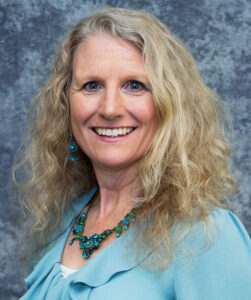
At the helm of the Montana Writers Rodeo is Mindy Peltier, a dynamic force whose leadership has been instrumental in the conference’s growth. Peltier, who homeschooled six children, brings a unique blend of organizational prowess and motivational energy to her role. She kicked off the conference by emphasizing the critical importance of joining critique groups and engaging with writing communities. Peltier articulated a compelling argument for the transformative power of feedback, stating, "Improvement happens by learning new skills and hearing feedback from others." Critique groups, she explained, offer invaluable objectivity, fresh perspectives, and a sense of accountability that can propel writers forward. Beyond the tangible benefits to their work, these close-knit groups often evolve into supportive families, providing an essential emotional anchor for creators navigating the often solitary journey of writing.
Allison Whitmer: The Powerhouse Behind Montana’s Film Renaissance
A standout speaker at this year’s event was Allison Whitmer, the Montana Film Commissioner. Her presentation offered a fascinating glimpse into the economic and cultural impact of filmmaking in the state, particularly highlighting the monumental success of the Taylor Sheridan series, Yellowstone. Whitmer detailed how the production has injected millions of dollars into Montana’s economy through tourism, job creation, and direct production spending. Her role extends far beyond facilitating permits; she is the central point of contact for all aspects of film production, from sourcing local livestock and catering to securing lodging and recruiting a vast array of skilled professionals, including actors, technicians, and tradespeople.
Whitmer’s work with the Department of Commerce also includes managing the Big Sky Film Grant, which recently awarded $970,000 to 22 diverse projects, signaling a robust future for film and television production in Montana. Her ability to navigate complex logistical and financial landscapes, coupled with her personal background as a writer, makes her an invaluable asset to creatives and non-profit organizations like HAT and the Montana Writers Rodeo. Her presence at the conference sparked conversations about the potential for greater synergy between the literary and film industries, and the possibility of her assistance in bringing ambitious creative projects to fruition.
Illuminating the Writer’s Journey
Leslie Budewitz: Redefining Creativity and Embracing Authenticity

Leslie Budewitz, a prolific author with 19 books to her name and three Agatha Awards, delivered a keynote address that resonated deeply with attendees, challenging preconceived notions of creativity. Despite her impressive literary achievements, Budewitz confessed to a past struggle with self-doubt, believing that true creativity was the domain of those who fit a more bohemian aesthetic. She shared how a pivotal talk by Professor Gerard Puccio shifted her perspective, leading her to embrace her own unique style of creativity, which she described as rooted in organization, research, and meticulous planning, rather than solely artistic flair.
Budewitz drew parallels between the distinct artistic expressions of Norman Rockwell and Pablo Picasso to illustrate that creativity manifests in myriad forms. She encouraged the audience to shed self-imposed limitations and to recognize the inherent value in their individual approaches to art. Addressing the common fear of inadequacy that many writers experience, she reassured them that "What if I suck" days are a normal and expected part of the creative process. Her powerful recommendation for overcoming these hurdles was, once again, to engage actively with a writing community, a sentiment that echoed throughout the conference.
Ross Peter Nelson: The Art of Compelling Dialogue
Playwright, director, and college instructor Ross Peter Nelson captivated the audience with an engaging workshop on the nuances of dialogue writing. Through a dynamic blend of play excerpts projected on screen and interactive audience participation, Nelson demonstrated how tone, attitude, accent, and subtext can imbue dialogue with richness and depth. Attendees took turns reading lines, offering a visceral understanding of how subtle shifts in delivery can dramatically alter the meaning and impact of a scene. The workshop culminated with a poignant Saturday evening performance of a scene from one of Nelson’s own plays, providing a live illustration of the principles he had so effectively taught.
Kim Vandel: Mastering the Art of Suspended Disbelief
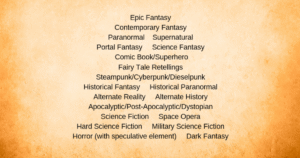
Award-winning speculative fiction author Kim Vandel offered invaluable insights into techniques for creating "suspension of disbelief" in readers. Her presentation focused on grounding fantastical elements in relatable sensory experiences, advising writers to engage the five senses to create a tangible connection with the reader. Vandel also championed the "Iceberg Principle of Worldbuilding," a method of revealing crucial, specific details about a fictional universe incrementally, rather than overwhelming the reader with exposition. She underscored the importance of emotional resonance and an awareness of reader psychology in maintaining engagement, particularly within the speculative fiction genre. Vandel’s visual presentation, showcasing the diverse subgenres of speculative fiction, opened the eyes of many attendees to the vast possibilities within this creative landscape.
A Personal Journey and a Shared Vision
Debbie Burke: Exploring the Dualities of Narrative
Debbie Burke presented on "The Hero’s Journey vs. the Villain’s Journey – How They’re Different Yet Alike." Utilizing film examples such as Dorothy from The Wizard of Oz and Michael Corleone from The Godfather trilogy, Burke skillfully dissected and contrasted these fundamental narrative archetypes. Her presentation sparked a lively Q&A session, with attendees posing challenging questions that demonstrated their deep engagement with the material. The success of her talk was further evidenced by the sell-out of her paperback copies of The Villain’s Journey and a significant number of sales of her thrillers, indicating a strong interest in her work and insights.
The Influence of Jim Bell
The name Jim Bell emerged repeatedly throughout the conference, a testament to his significant influence on the writing community. During a panel discussion with all the speakers, it was revealed that many of them own and highly recommend Bell’s books for craft improvement, solidifying his reputation as a respected mentor and educator.
Hospitality and a Glimpse of Montana Spring
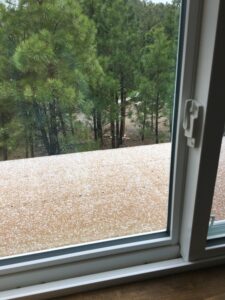
The conference concluded with a heartwarming display of hospitality. Mindy Peltier opened her beautiful log home in the forest to host speakers Leslie Budewitz, Kim Vandel, and Debbie Burke. Sunday morning brought an unexpected dusting of snow, a gentle reminder of Montana’s unpredictable spring weather. Despite the calendar suggesting late spring, the snow on the roof served as a charming illustration of the region’s unique climate.
Mindy’s husband, Scott Peltier, treated the guests to a delicious breakfast of bacon and eggs, accompanied by exceptional espresso coffee, earning the Peltiers a glowing endorsement for their gracious hosting.
Lasting Impressions and Future Endeavors
The Montana Writers Rodeo proved to be an enriching, educational, and inspiring experience, largely due to the opportunity to reconnect with old friends and forge new creative bonds. The roughly 400-mile round trip journey undertaken by Leslie Budewitz in her trusty Subaru, braving a mix of sleet, rain, and sunshine, was a testament to the dedication of those involved. The journey itself became a space for invaluable brainstorming, with Budewitz even offering a crucial solution to a legal quandary in Debbie Burke’s Work-In-Progress (WIP).
The event concluded with a sense of accomplishment and anticipation for future gatherings. The Montana Writers Rodeo continues to be a vital platform for writers and dramatists, fostering a vibrant ecosystem of creativity and collaboration in the heart of Big Sky Country. The conference not only provides practical tools and inspiration but also cultivates a profound sense of community, reminding participants that the journey of creation is often best undertaken with supportive allies.
The organizers are already looking ahead, eager to build upon the success of this year’s event and continue to provide a unique and valuable experience for writers and artists. As the attendees dispersed, they carried with them not only newfound knowledge and connections but also the enduring spirit of the Montana Writers Rodeo – a celebration of stories, characters, and the boundless potential of the human imagination.


Leave a Comment