New Horizons in Speculative Fiction: A Comprehensive Analysis of the 2026 Literary Landscape
The landscape of speculative fiction is undergoing a profound transformation, marked by a convergence of historical reimagining, sociopolitical critique, and the refinement of hard science fiction. As we move through the 2026 publishing cycle, the industry is witnessing a robust slate of releases that challenge traditional genre boundaries. From the "New Lovecraftian" movement to satirical space operas and AI-driven medical thrillers, the upcoming titles represent a sophisticated maturation of the field.
This report examines the key releases scheduled for the 2026 season, analyzing their thematic depth, their place within the broader literary canon, and the implications for the future of science fiction, fantasy, and horror.

1. Main Facts: The 2026 Editorial Outlook
The 2026 speculative fiction market is characterized by three distinct trends: the rise of "literary remixes," the institutionalization of diverse perspectives in Young Adult (YA) fantasy, and the continued dominance of the "Year’s Best" anthology format.
Key highlights of the upcoming season include:

- Major Retrospectives: Adrian Tchaikovsky, one of the most prolific voices in modern SF, is releasing a definitive career retrospective through Subterranean Press.
- Anthology Excellence: Industry veteran Ellen Datlow continues to shape the horror genre with a new cosmic horror collection, while Allan Kaster curates the definitive hard SF of the previous year.
- Debut Breakthroughs: S.C. Bandreddi and Haralambi Markov are poised to make significant impacts with debuts that blend folklore and dark historical settings.
- Thematic Shifts: There is a noticeable move toward exploring the "human element" in high-tech futures, specifically regarding AI in healthcare and the legacy of colonialism in magical realism.
2. Chronology: The 2026 Release Cycle
The following timeline outlines the strategic rollout of these titles, reflecting a year-long commitment to diverse sub-genres.
Early 2026: Medical Ethics and AI
The year begins with a focus on near-future anxieties. In February 2026, Harper releases Justin C. Key’s The Hospital at the End of the World. This title sets the tone for the year by bridging the gap between clinical science fiction and human-centric drama, focusing on a world where medical expertise has been outsourced to algorithms.

Spring 2026: Historical Remixes and Space Opera
By May and June 2026, the focus shifts to historical fantasy and the conclusion of major trilogies.
- May: Kate Heartfield’s Mercutio (Harper Voyager UK) reimagines the Shakespearean canon through a portal-fantasy lens.
- June: A heavy-hitting month featuring S.C. Bandreddi’s The Game of Oaths, Maurice Broaddus’s A City Dreaming (the Astra Black trilogy finale), and Jen St. Jude’s Where You’ll Find Us. This month also sees the release of Allan Kaster’s The Year’s Top Hard Science Fiction Stories 10.
Summer 2026: Horror, Satire, and Slavic Myth
The July 2026 window is dominated by darker themes and sharp social commentary.

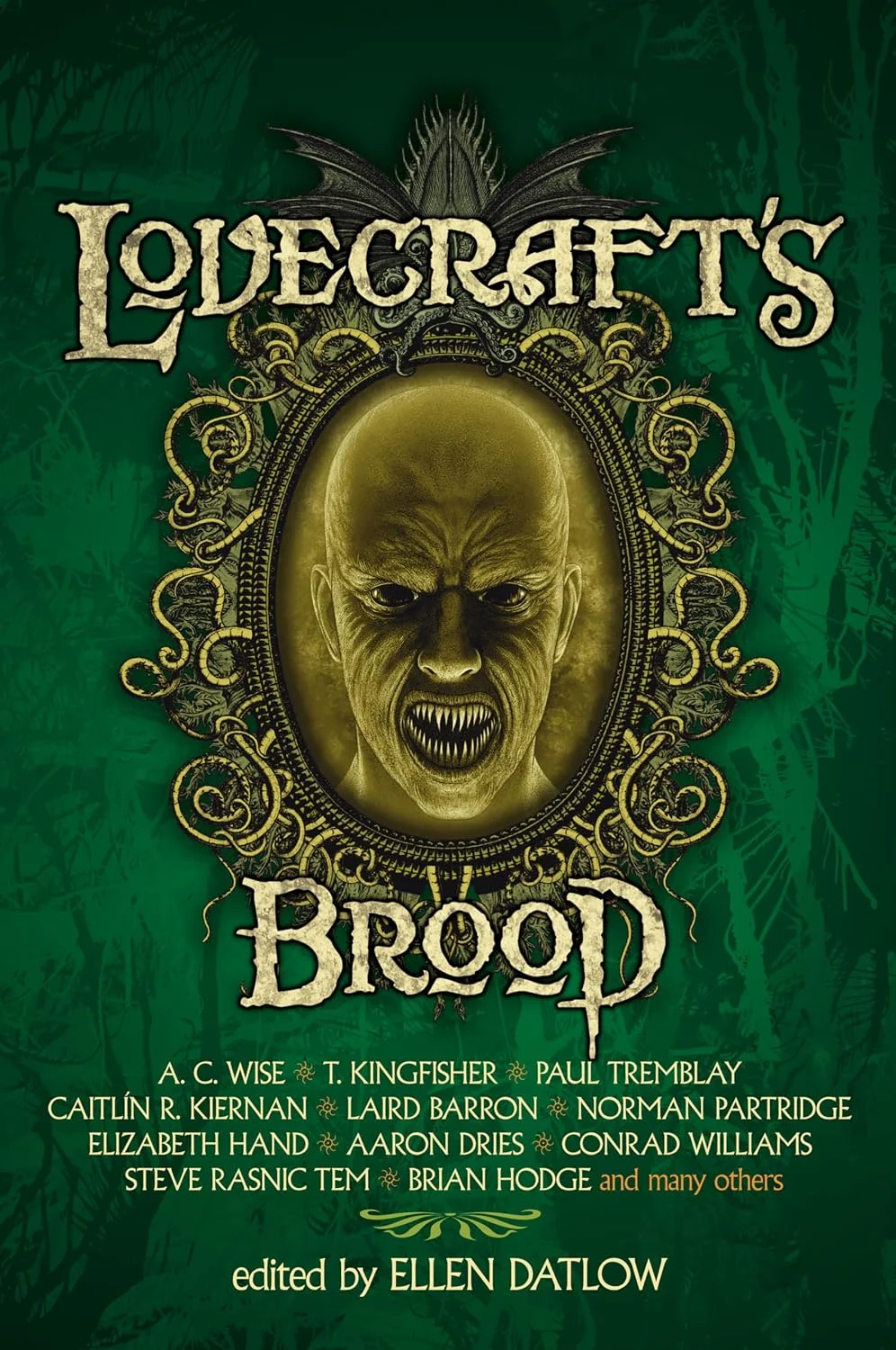
- July: Ellen Datlow’s Lovecraft’s Brood (Tachyon) and Haralambi Markov’s The Language of Knives (Mythic Delirium) provide a mid-summer peak for horror enthusiasts.
- July: Alex Shvartsman’s The Best of All Possible Planets offers a lighter, satirical counterpoint to the season’s darker offerings.
3. Supporting Data: Deep Dives into Key Titles
The Evolution of the "Literary Remix"
Kate Heartfield’s Mercutio represents a growing trend of "literary expansionism." By taking a secondary character from Romeo and Juliet and pairing him with the historical/poetic figure of Dante Alighieri, Heartfield creates a narrative that functions as both a prequel and an original work of dark fantasy. This approach leverages existing intellectual property to explore themes of faerie invasions and existential dread, appealing to both Shakespearean scholars and genre fans.
The New Hard SF Canon
Allan Kaster’s The Year’s Top Hard Science Fiction Stories 10 provides empirical evidence of the genre’s health. Featuring 11 stories from 2025, the anthology includes titans like Bruce Sterling, Nancy Kress, and Peter Watts. The inclusion of Isabel J. Kim and Vera Brook suggests a passing of the torch, where traditional hard SF—once criticized for being "dry"—is being infused with more complex character dynamics and sociological foresight.

Colonialism and the Magical Circus
S.C. Bandreddi’s The Game of Oaths is a significant entry in the YA historical fantasy sub-genre. Set in 1896 Paris, the novel uses the "magical circus" trope—popularized by works like The Night Circus—but adds a layer of "brutal action" and diverse casting. Crucially, the book addresses colonialism, transforming the circus from a place of wonder into a metaphor for the exploitation of marginalized bodies for the entertainment of the elite.
The State of AI in Fiction
Justin C. Key’s The Hospital at the End of the World serves as a cautionary tale for the 2020s. The narrative follows Pok, a medical student navigating a "post-doctor" world. The data suggests a shift in SF: we are moving away from "killer robots" and toward "killer systems"—bureaucratic and algorithmic structures that erase human empathy in the name of efficiency.

4. Official Responses and Critical Reception
The industry’s leading critics have already begun weighing in on these pivotal releases, providing a glimpse into the anticipated critical consensus.
On Satire and Modernity
Reviewer Adrienne Martini, commenting on Alex Shvartsman’s The Best of All Possible Planets, notes that the work is a "breezy read" intended to take the reader away from the "actual world." Martini highlights the book’s debt to Voltaire and Douglas Adams, suggesting that in an era of "grimdark" fiction, there is a renewed market demand for intelligent, satirical escapism.

On Human-Centric Science Fiction
Ian Mond, reviewing Justin C. Key’s debut, emphasizes the importance of the human element. He notes that the protagonist’s journey to a hospital not run by algorithms is a vital exploration of "how to deal with patients in a human way." This reflects a broader critical movement that values emotional intelligence as much as scientific accuracy in SF.
On Authorial Legacy
In his introduction to The Best of Adrian Tchaikovsky, John Scalzi reinforces Tchaikovsky’s status as a foundational pillar of modern speculative fiction. Tchaikovsky himself has curated this 37-story collection to showcase his range, deliberately omitting his most famous series (such as Shadows of the Apt) to highlight his "weirdness" and shorter-form experimentation. This release is viewed by the industry as a "monumental" mid-career summary.

5. Implications: What This Means for the Future
The 2026 slate of speculative fiction reveals several long-term implications for the publishing industry and the cultural role of genre fiction.
The "Safe Space" as a Narrative Device
Jen St. Jude’s Where You’ll Find Us introduces the concept of a "farmhouse out of time" as a sanctuary for queer youth. This implies a shift in YA fantasy toward using magical realism to address contemporary mental health and identity issues. The "clock starting to tick again" serves as a powerful metaphor for the intrusion of reality into safe spaces, suggesting that future YA fiction will focus more on the sustainability of community rather than just the discovery of it.

Reclamation of the Mythos
Ellen Datlow’s Lovecraft’s Brood signifies the complete reclamation of cosmic horror. By featuring a diverse roster—including L. Marie Wood, Caitlin R. Kiernan, and Paul Tremblay—the anthology proves that "Lovecraftian" themes of insignificance and dread are no longer tethered to the original author’s xenophobia. Instead, they are being used to explore modern anxieties about the environment, technology, and the self.
The Rise of Slavic and Queer Horror
Haralambi Markov’s The Language of Knives signals the growing internationalization of dark fantasy. By integrating Slavic myth with queer identity, Markov is part of a wave of authors bringing non-Western European folklore into the mainstream. This suggests that the "Standard European Fantasy" (based on Celtic or Germanic myth) is finally being supplemented by a broader global mythology.

Final Assessment
The titles released in the first half of 2026 suggest a genre that is increasingly self-aware and socially conscious. Whether through the lens of a magical circus in Paris or a star-spanning empire in the Muungano system, authors are using speculative elements to dissect the human condition with more precision than ever before. For readers and retailers alike, the 2026 season represents a high-water mark for both literary quality and commercial variety.
Locus Magazine remains dedicated to providing comprehensive coverage of the speculative fiction field. We rely on reader support to continue our mission of delivering hundreds of reviews and news stories annually. Please consider a donation to ensure the future of independent genre journalism.