
Nicolas Cage Embodies Hardboiled Heroism in Spider-Noir, Channeling Classic Cinema’s Golden Age
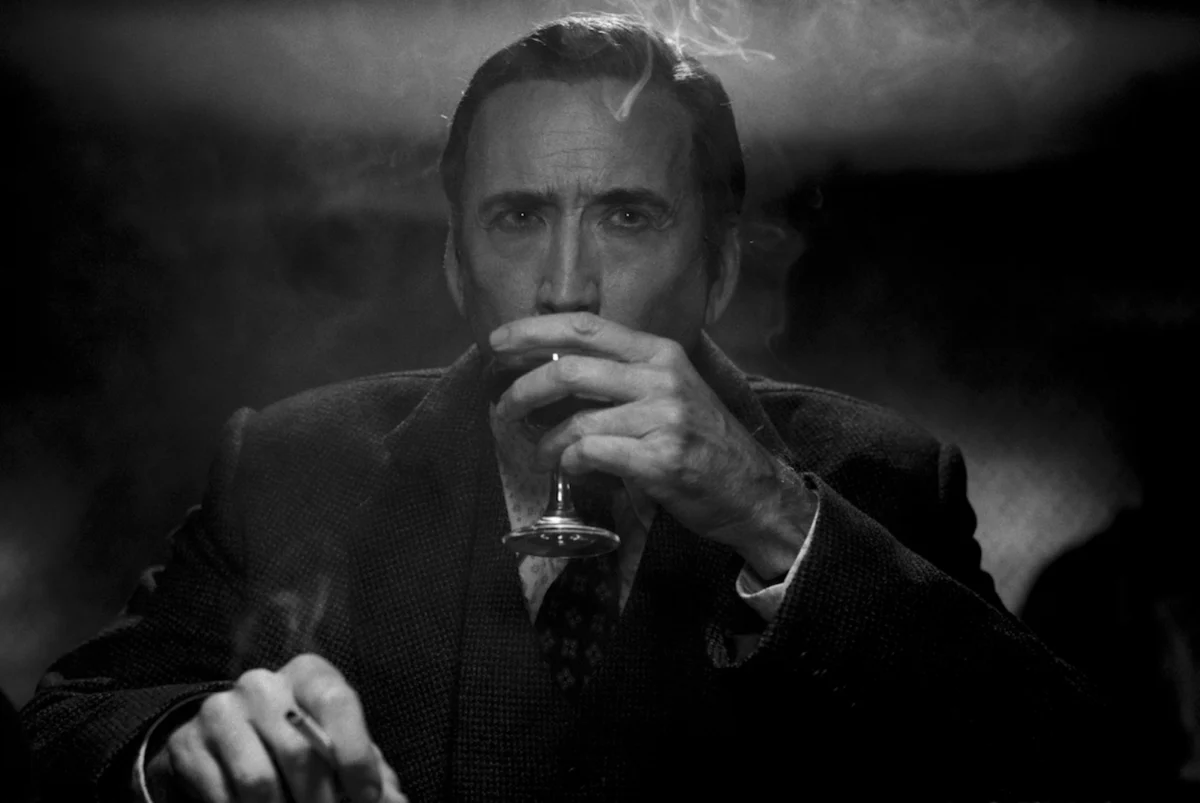
Los Angeles, CA – The highly anticipated live-action series Spider-Noir, starring Academy Award-winner Nicolas Cage as a weathered Ben Reilly, is poised to redefine the superhero genre with its audacious blend of familiar arachnid powers and the gritty, rain-slicked aesthetic of 1930s film noir. Set to premiere on MGM+ on May 25, 2026, followed by its Prime Video debut on May 27, 2026, the series promises a uniquely atmospheric and character-driven narrative, offering audiences the choice between both color and authentic black-and-white versions of the show.
At the heart of this ambitious project lies a clear creative vision, articulated by co-showrunner Oren Uziel. "The thing that I said a lot from start to finish was, ‘We’re really trying to make an old [Humphrey] Bogart movie,’" Uziel revealed to Entertainment Weekly. "It’s just that Bogart happens to be Spider-Man." This guiding principle not only grounds the series in a specific cinematic tradition but also hints at the profound thematic depth and stylistic choices that will distinguish Spider-Noir from its contemporaries. Cage’s portrayal of Ben Reilly, a hero long past his prime who once operated under the simple moniker "The Spider," is expected to be a performance imbued with the gravitas and world-weariness characteristic of classic noir protagonists.
Uziel was also quick to clarify that this iteration of Spider-Man Noir will stand distinctly apart from the animated character Cage famously voiced in Spider-Man: Into the Spider-Verse. "This character," Uziel emphasized, "will be a ‘distant cousin’ and ‘not the same at all.’" This distinction is crucial, promising a fresh, mature take on the character that will delve into new narrative territories, free from the constraints or expectations set by its animated predecessor. With Nicolas Cage at the helm, tapping into his well-documented passion for cinematic history and method acting, Spider-Noir is shaping up to be an event series that offers more than just superheroics – it’s a love letter to a bygone era of Hollywood, filtered through the lens of one of Marvel’s most intriguing alternate realities.
The Gritty Genesis: A Chronology of Spider-Noir’s Journey to Live-Action
The journey of Spider-Man Noir from the comic book page to a live-action series starring Nicolas Cage is a testament to the character’s enduring appeal and the broader creative ambition within the Marvel and Sony universes.
Origins in Print: Marvel Noir (2009)
The concept of Spider-Man Noir first emerged in 2009 as part of Marvel Comics’ "Noir" imprint. This line reimagined iconic Marvel characters within a dark, pulp-fiction-inspired 1930s setting. In this alternate reality, Peter Parker is a young, aspiring journalist in Depression-era New York City who gains spider-like powers after being bitten by a mystical spider from an ancient idol, rather than a radioactive one. His origin story is steeped in the social injustices and economic hardship of the era, fighting crime boss Norman Osborn and other familiar foes with a more brutal, street-level approach. The series, penned by David Hine and Fabrice Sapolsky with art by Carmine Di Giandomenico, quickly garnered a cult following for its unique aesthetic and mature themes.
Animated Acclaim: Spider-Man: Into the Spider-Verse (2018)
The character gained widespread mainstream recognition and immense popularity with his appearance in the critically acclaimed animated film Spider-Man: Into the Spider-Verse in 2018. Nicolas Cage lent his distinctive voice to the character, portraying a monochromatic, trench-coat-wearing detective who speaks in rapid-fire, hardboiled clichés. This version, while comedic and self-aware, perfectly captured the essence of the noir archetype, making him a fan-favorite and introducing the concept of a "noir" Spider-Man to a global audience. The film’s success cemented Spider-Noir’s place in the broader multiverse narrative, paving the way for further adaptations.
Development of the Live-Action Series
The development of a live-action Spider-Noir series was first reported in early 2023, signaling Sony Pictures Television’s intent to expand its live-action Marvel universe beyond traditional cinematic releases. The project quickly gained traction, with Oren Uziel (known for his work on 22 Jump Street and The Lost City) brought on as co-showrunner alongside Steve Lightfoot (The Punisher). The announcement that Nicolas Cage would not only reprise the role but lead the series in a live-action capacity sent waves of excitement through the fan community. This commitment underscored the studio’s confidence in Cage’s ability to embody the complex, world-weary hero in a new, more grounded format. Production details have been kept relatively under wraps, typical for a high-profile series, but the confirmed 2026 release dates suggest a substantial production timeline, allowing for meticulous attention to the period details and noir aesthetic.
Anticipated Release and Platform Strategy
The decision to release Spider-Noir first on MGM+ and then quickly follow on Prime Video reflects Amazon’s multi-platform strategy for premium content. MGM+, a linear channel, offers a traditional broadcast window, while Prime Video ensures global streaming access to Amazon’s vast subscriber base. The dual release of both color and black-and-white versions on Prime Video is a particularly innovative move, catering to both purists who crave the authentic noir experience and those who prefer a more modern, accessible presentation. This flexible approach demonstrates a keen understanding of audience preferences and a willingness to push creative boundaries in content delivery.
Shadows and Archetypes: Supporting Data on Noir and Cage’s Craft
The creative choices behind Spider-Noir are deeply rooted in cinematic history and the unique artistic sensibilities of its lead actor. Understanding these influences provides crucial context for what promises to be a groundbreaking series.
The Enduring Allure of Film Noir
Film noir, French for "black film," is a cinematic term used to describe stylish Hollywood crime dramas, particularly those from the early to late 1940s and 1950s. Characterized by their cynical tones, stark black-and-white cinematography, chiaroscuro lighting, and complex narratives often involving moral ambiguity, femme fatales, and troubled anti-heroes, these films captured the post-war disillusionment and anxieties of American society.
Oren Uziel’s explicit reference to making "an old Humphrey Bogart movie" is particularly telling. Bogart, a quintessential noir actor, starred in classics like The Maltese Falcon (1941), Casablanca (1942), To Have and Have Not (1944), and The Big Sleep (1946) – the latter specifically cited by Cage as inspiration. Bogart’s characters were often cynical, world-weary men, tough but with a hidden code of honor, perfectly embodying the noir detective archetype. James Cagney, another actor Cage referenced, was famous for his energetic, often explosive portrayals of gangsters and tough guys in films like The Public Enemy (1931) and White Heat (1949), adding a layer of volatile intensity. Peter Lorre, known for his distinctive voice and unsettling presence in films such as M (1931), The Maltese Falcon, and Casablanca, often played sinister or neurotic characters, contributing to the dark, psychological undertones of the genre.
These films relied heavily on visual storytelling: long shadows, Venetian blind patterns, and tight close-ups to create a sense of claustrophobia and moral murkiness. The dialogue was sharp, witty, and often loaded with subtext. By adopting this style for Spider-Noir, the series aims to evoke a specific mood and thematic depth, moving beyond mere superheroics to explore themes of justice, corruption, and the human condition in a grim, unforgiving world.
Nicolas Cage: The Method and the Man
Nicolas Cage is an actor renowned for his eclectic filmography and often unconventional, intense acting style. Throughout his career, from his early work in Raising Arizona and Wild at Heart to his Oscar-winning performance in Leaving Las Vegas, and more recently in films like Mandy and Pig, Cage has cultivated a reputation for fully immersing himself in his roles, often pushing boundaries with his "method" approach. His performances are frequently described as "maximalist," characterized by bursts of energy, idiosyncratic vocalizations, and a willingness to embrace the absurd alongside profound emotional depth.
His enthusiasm for Spider-Noir, particularly his detailed approach to drawing inspiration from Bogart, Cagney, and Lorre, is quintessential Cage. It speaks to an actor who doesn’t just play a role but actively studies and integrates historical performances into his own unique craft. Uziel’s anecdote about Cage coming to set with specific references – "’This bit is gonna be Bogart from The Big Sleep. This bit is gonna be a little bit of Cagney. You’re gonna see some Peter Lorre here.’" – highlights his dedication and the joy he derives from the creative process. This level of engagement promises a performance that will be both deeply researched and unmistakably "Cage," blending classic cool with his signature intensity.
The Multiverse and Heroic Reinvention
The success of the Spider-Verse films has proven the immense appetite for alternate takes on beloved superheroes. Audiences are no longer content with a single, canonical version; they embrace the vastness of the multiverse, where different eras, styles, and interpretations can coexist. This acceptance provides a fertile ground for projects like Spider-Noir, allowing creative teams the freedom to explore radical reimaginings without alienating core fans. The decision to make Cage’s Ben Reilly a "distant cousin" of his animated counterpart reinforces this idea of distinct, yet interconnected, realities, offering a fresh slate for storytelling.
Furthermore, Amazon’s investment in genre content, particularly those leveraging established intellectual properties, reflects a broader industry trend. Prime Video and MGM+ are positioning themselves as destinations for premium, distinctive series that can attract and retain subscribers in a competitive streaming landscape. Spider-Noir, with its unique concept, A-list star, and distinct aesthetic, aligns perfectly with this strategy, promising a prestige production that stands out.
Creative Voices: Official Responses and Artistic Intent
The insights provided by co-showrunner Oren Uziel offer a clear window into the artistic intent behind Spider-Noir and the collaborative spirit driving its production. His statements, coupled with the known inclinations of Nicolas Cage, paint a vivid picture of what audiences can expect.
Oren Uziel’s Guiding Vision
Uziel’s repeated emphasis on creating "an old Humphrey Bogart movie" that "happens to be Spider-Man" is more than just a tagline; it’s a foundational ethos. This statement suggests a deliberate prioritization of genre conventions and character archetypes over traditional superhero tropes. It implies that the series will lean heavily into the atmosphere, narrative complexity, and moral ambiguities of classic noir. The focus won’t just be on powers and villains, but on the character’s internal struggles, his cynicism, his past regrets, and his navigation of a corrupt world. The "Spider-Man" element, while central, becomes a lens through which to explore these noir themes, rather than the sole driver of the plot. This approach promises a mature, sophisticated take on the superhero narrative, appealing to audiences who appreciate both genre storytelling and character depth.
His clarification regarding Ben Reilly being a "distant cousin" and "not the same at all" as the Into the Spider-Verse character is a crucial "official response" that manages audience expectations. It signals that while Cage’s voice performance in the animated film introduced many to Spider-Noir, the live-action series will forge its own path. This creative freedom allows the showrunners and Cage to develop a more complex, perhaps less overtly comedic, portrayal that is tailored to the live-action, 1930s noir setting. It acknowledges the animated version’s success but asserts the new series’ distinct identity and narrative ambitions.
Nicolas Cage’s Inspired Performance
While the article provides Uziel’s account of Cage’s preparation, Cage’s own "official response" is reflected in his actions and choices. His detailed engagement with the material, coming to set with specific references to Bogart’s The Big Sleep, Cagney, and Peter Lorre, speaks volumes about his commitment. This isn’t just an actor learning lines; it’s an artist deeply engaged in character development, drawing from a rich tapestry of cinematic history.
Cage’s personal history as a cinephile, combined with his reputation for intense, transformative performances, makes him an ideal fit for this role. His ability to embody eccentric, larger-than-life characters, yet ground them with genuine emotion, suggests that his Ben Reilly will be far from a one-note caricature. The "joy" Uziel mentions Cage deriving from this process underscores that this is a passion project for the actor, likely translating into a performance that is both meticulously crafted and authentically felt. This direct inspiration from classic actors implies a performance that will be nuanced, potentially featuring a more restrained yet equally potent intensity than some of Cage’s more overtly expressive roles, fitting the stoic and brooding nature of many noir leads.
Web of Consequences: Implications for the Franchise and Beyond
The arrival of Spider-Noir carries significant implications, not just for the burgeoning Spider-Verse but for the broader landscape of superhero storytelling and premium streaming content.
Expanding the Live-Action Multiverse
Spider-Noir represents a bold step in expanding the live-action Spider-Verse beyond the main cinematic continuity. By bringing a distinctly alternate-reality character into a standalone live-action series, Sony and Amazon are signaling a willingness to experiment with diverse tones and styles. This could pave the way for other beloved alternate Spider-variants from the comics to receive their own live-action adaptations, creating a richer, more interconnected, albeit disparate, universe of stories. It also reinforces the idea that the "Spider-Verse" is not just an animated concept but a foundational principle for all Spider-Man media.
Setting a New Standard for Superhero Noir
The series has the potential to set a new benchmark for how superhero narratives can intersect with the noir genre. While elements of noir have appeared in other superhero films (e.g., The Dark Knight), Spider-Noir‘s explicit commitment to the 1930s aesthetic and Bogart-esque tone could offer a more immersive and authentic experience. If successful, it could inspire a wave of "genre-blending" superhero projects, encouraging creators to explore less conventional stylistic choices and mature thematic content. The choice to offer both color and black-and-white versions further underscores this commitment to genre authenticity and could influence how other visually distinct projects are presented in the future.
Nicolas Cage’s Continued Renaissance
For Nicolas Cage, Spider-Noir is a significant role that continues his recent career resurgence. After years of prolific, but often direct-to-video work, Cage has re-established himself as a critically acclaimed actor capable of delivering profound and memorable performances in unique projects. This series places him front and center in a major franchise-adjacent property, allowing him to apply his distinctive talents to a beloved character in a highly creative setting. It solidifies his reputation as an actor who consistently seeks out compelling, character-driven roles, further cementing his iconic status in Hollywood. His participation adds significant gravitas and a unique artistic flair that might not have been possible with another actor.
Strategic Content for Amazon and MGM+
For Amazon, Spider-Noir is a key piece in its strategy to deliver high-quality, exclusive content that differentiates Prime Video and MGM+ in the crowded streaming market. Investing in a property with global recognition like Spider-Man, but presenting it in a unique, prestige format, can attract a diverse audience—from comic book fans to cinephiles drawn to the noir aesthetic and Cage’s star power. The dual platform release strategy also maximizes reach and strengthens both brands under the Amazon umbrella, highlighting their commitment to varied distribution models for premium series.
Audience Expectations and Engagement
The series will undoubtedly face high expectations. Fans of the Spider-Verse films will be curious to see how the live-action version compares, while connoisseurs of classic cinema will scrutinize its adherence to noir principles. The option for black-and-white viewing is a bold move that caters to a niche but dedicated audience, while the color version ensures broader accessibility. This dual approach signifies confidence in the material and a desire to engage with audiences on multiple levels, fostering a unique viewing experience and potentially sparking widespread discussion about the artistic merits of each version.
In conclusion, Spider-Noir is poised to be more than just another superhero show. It’s an artistic statement, a homage to classic cinema, and a testament to the boundless adaptability of the Spider-Man mythos. With Nicolas Cage channeling the ghosts of Bogart, Cagney, and Lorre, and a clear vision to craft a genuine 1930s noir experience, the series is set to weave a compelling web of hardboiled heroism that could leave a lasting impression on the genre. The shadows of 2026 beckon, promising a dark, stylish, and unforgettable chapter in the ever-expanding Spider-Verse.


Leave a Comment