Nintendo’s GameCube Era: A Symphony of Stubbornness That Ultimately Orchestrated a Resurgence
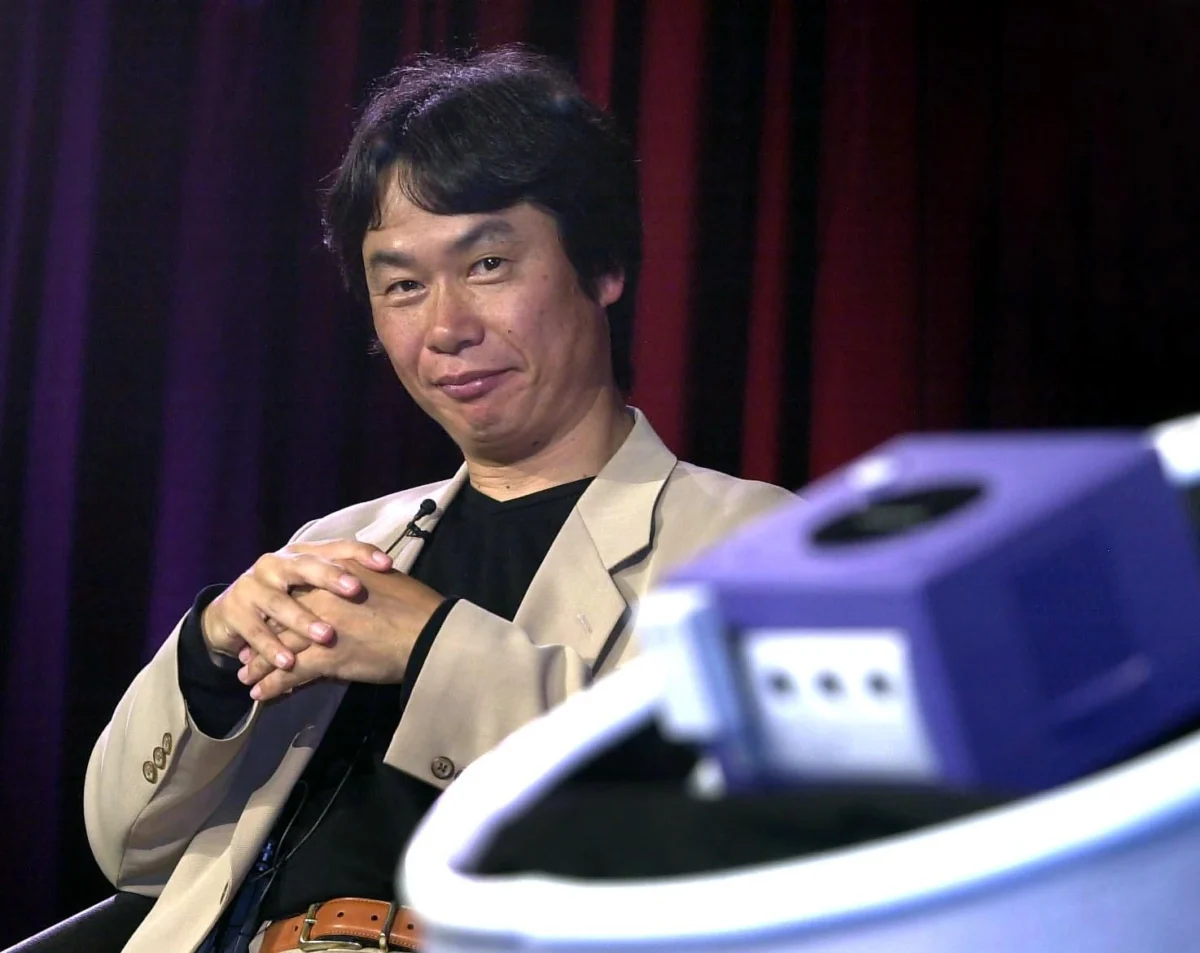
The early 2000s were a tumultuous period for Nintendo. While competitors like Sony consolidated their dominance in the console market, Nintendo seemed determined to forge its own idiosyncratic path. This era, epitomized by the GameCube, was marked by a series of unconventional decisions and a defiant stance against industry norms. Yet, as this retrospective analysis argues, this very obstinance, while seemingly self-sabotaging at the time, ultimately laid the groundwork for Nintendo’s future triumphs, proving that sometimes, the most revolutionary path is paved with stubborn refusal to conform.
The GameCube’s Unconventional Blueprint: A Departure from the Norm
The Nintendo GameCube, released in 2001, arrived at a critical juncture in the video game industry. The PlayStation 2 had already established itself as a dominant force, setting new benchmarks for hardware capabilities, multimedia integration, and developer adoption. In contrast, Nintendo’s offering was a deliberate, almost defiant, departure.
"Ugh, we really have to use discs?" one can imagine Nintendo’s engineers and planners lamenting. This sentiment seemed to permeate the GameCube’s design philosophy. Instead of embracing the ubiquitous DVD format, Nintendo opted for proprietary mini-DVDs, a move that limited the console’s appeal as a multimedia device and incurred development costs for third-party publishers. This decision, while perplexing to many, underscored Nintendo’s unwavering focus on its core gaming identity.
The console’s aesthetic was equally unconventional. Eschewing the sleek, minimalist designs favored by its competitors, the GameCube presented a vibrant, often purple, chassis characterized by a distinctive, albeit somewhat jarring, carrying handle. This design choice, while functional for portability, further differentiated it from the prevailing "home entertainment system" ethos of the era.
Navigating the Analog Divide: A Rejection of Industry Standards
The advent of twin-stick analog control, pioneered by the PlayStation, had revolutionized 3D game control, offering unprecedented precision for character movement and camera manipulation. Sony’s DualShock controller became the de facto standard, lauded for its ergonomic design and intuitive functionality. Nintendo, however, seemed to view this evolution with a degree of skepticism.
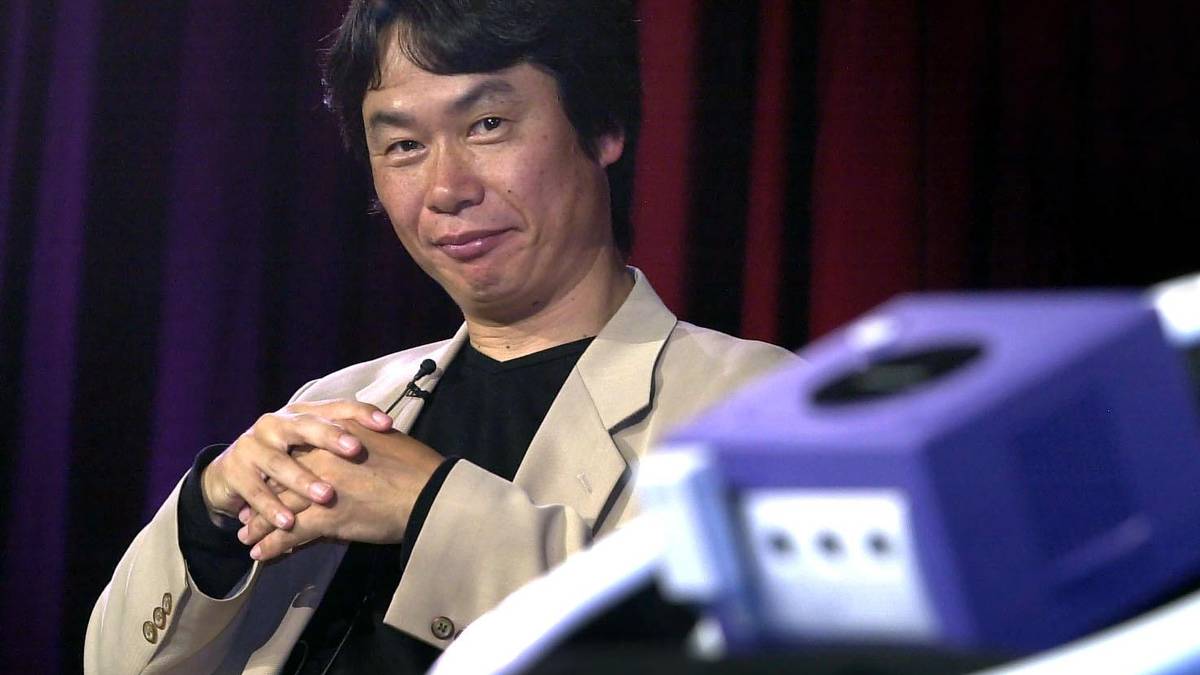
The GameCube controller, while lauded for its comfort and tactile button feedback, featured a single analog stick and a prominent, oversized "A" button. This design choice, a stark contrast to the dual-stick paradigm, reflected Nintendo’s continued emphasis on unique input methods and a willingness to challenge established control schemes. While some developers and players embraced this distinctiveness, it also presented a learning curve and, for some, a perceived limitation in navigating complex 3D environments.
A Bold Experimentation with Core Franchises: Super Mario Sunshine and The Legend of Zelda: The Wind Waker
Perhaps the most striking examples of Nintendo’s contrarian approach during the GameCube era were evident in its flagship franchises. Traditionally, Nintendo had established a pattern of launching new consoles with groundbreaking Super Mario titles, setting the tone and showcasing the hardware’s capabilities. The GameCube, however, broke this mold.
The console’s launch lineup included titles like Luigi’s Mansion, a charming haunted house adventure; Wave Race: Blue Storm, a jetski simulation; and Super Monkey Ball, a physics-based puzzle game. While these were well-received, they lacked the immediate, system-defining impact of a mainline Super Mario release.
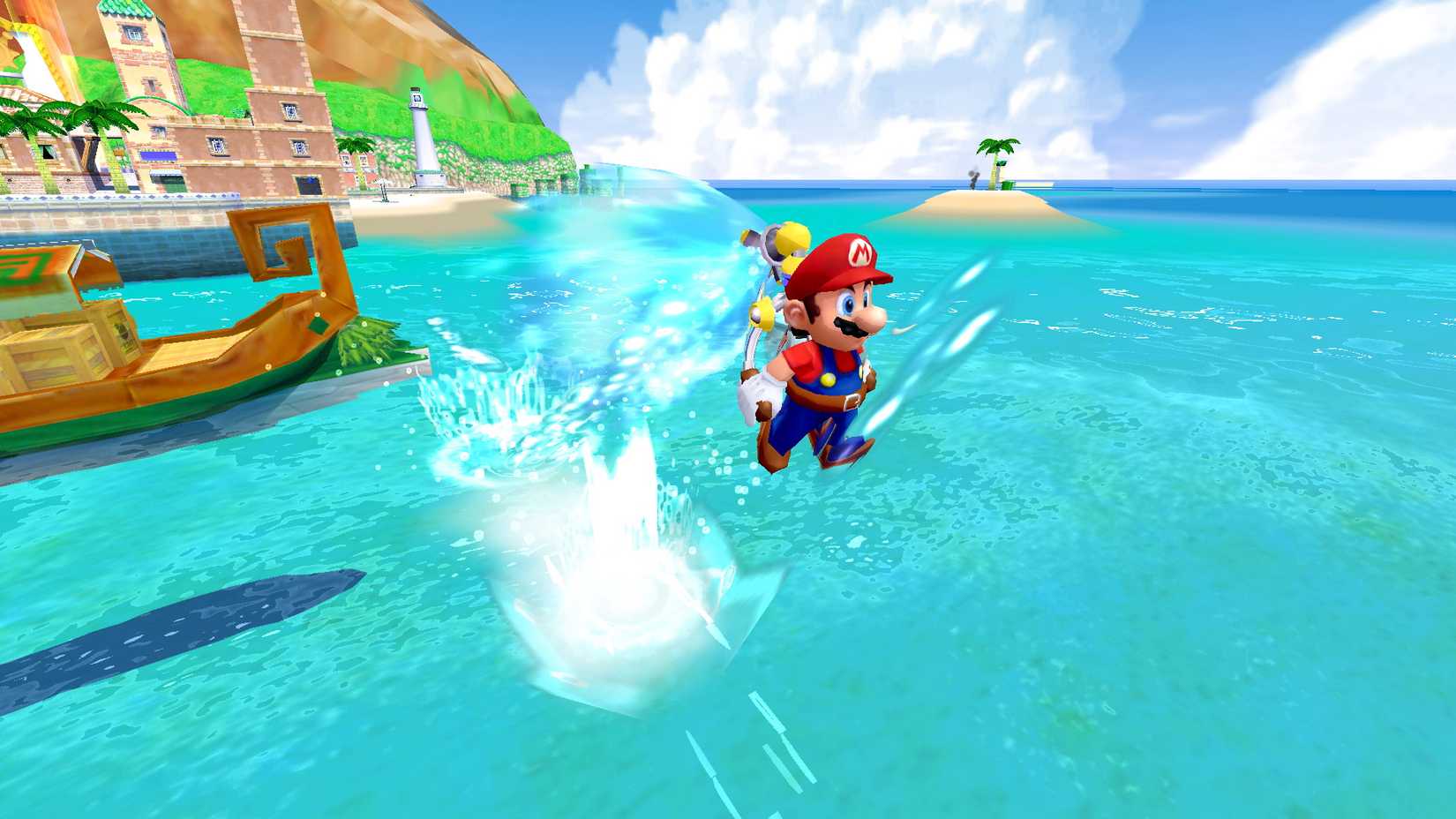
When Super Mario Sunshine finally arrived in 2002, it presented a Mario unlike any seen before. Instead of the familiar platforming prowess, players were tasked with cleaning up the tropical paradise of Isle Delfino using the novel FLUDD (Flash Liquidizer Ultra Dousing Device). This mechanic, while offering a unique and tactile gameplay experience, was a significant departure from Mario’s established identity. The author of the original article reflects on the excitement surrounding Sunshine‘s release, noting, "Mario has always been about tactility for me, and there are few game mechanics more tactile and satisfying than using FLUDD to wash away goo with sparkling gushes of clear water (even if I view Mario using mechanical assistance in his jumping as borderline heretical)." This sentiment encapsulates the internal conflict many fans experienced: appreciating the innovation while grappling with the deviation from tradition.
Similarly, The Legend of Zelda: The Wind Waker, released in 2003, courted controversy with its cel-shaded, cartoonish art style. This visual departure from the more realistic or painterly aesthetics of its predecessors, particularly the acclaimed Ocarina of Time and the impressive SpaceWorld tech demo, initially alienated a segment of the fanbase. The author acknowledges this divisiveness: "I will defend these decisions to the hilt (or most of them; not the single analog stick, though). But there’s no denying that Nintendo was acting like a troll during the early 2000s, or maybe a sulky child throwing a tantrum." This candid admission highlights the perception of Nintendo as actively resisting player expectations and industry trends.

The Commercial Repercussions: A Console Doomed, But a Company Saved
Nintendo’s stubborn refusal to align with prevailing industry standards had tangible commercial consequences. The GameCube, despite its innovative games and dedicated fanbase, lagged significantly behind the PlayStation 2 in sales. The decision to use proprietary mini-DVDs, the unconventional controller design, and the departure from traditional launch strategies all contributed to a perception of the console as niche and less appealing to the broader market.
The author’s observation that "The GameCube was doomed by it" is a stark yet accurate assessment of its market performance. However, this perceived failure was not the end of Nintendo’s story. Instead, it marked a critical turning point, a period of introspection and strategic redirection that would ultimately lead to unprecedented success.
The Iwata Era and the Dawn of a New Philosophy: Embracing Innovation Through Tradition
The early 2000s saw a significant leadership shift within Nintendo, with Satoru Iwata ascending to the presidency in 2002. Iwata, a seasoned game developer himself, recognized the need for Nintendo to forge a new path, one that leveraged its inherent strengths while remaining open to innovation. He channeled the company’s "deep desire to follow a different path" into the development of two transformative consoles: the Nintendo DS and the Wii.
The Nintendo DS, launched in 2004, was a testament to Nintendo’s willingness to experiment with new hardware concepts. Its dual-screen design, touch-screen input, and compact form factor offered a unique gaming experience that appealed to both core gamers and a broader, more casual audience. This console’s success demonstrated that Nintendo could innovate beyond traditional console paradigms and tap into untapped market segments.
The Wii, released in 2006, took this philosophy to an even grander scale. Its motion-controlled gameplay revolutionized how people interacted with video games, making them accessible and engaging for a demographic that had previously been largely excluded from the gaming world. The Wii’s phenomenal success, selling over 100 million units worldwide, cemented Nintendo’s ability to disrupt the market and create entirely new avenues for gaming engagement.
The author posits that "Sometimes, denial of the status quo is exactly what’s needed." This statement encapsulates the paradoxical nature of Nintendo’s GameCube era. The very decisions that seemed to hinder the console’s commercial success were, in retrospect, crucial for fostering the innovative spirit that would define the company’s resurgence. By refusing to be simply another competitor in the console arms race, Nintendo carved out its own unique identity, one that prioritized creativity, accessibility, and a willingness to challenge the established order.
The Enduring Legacy: A Testament to Strategic Resilience
The GameCube era, though commercially challenging, stands as a pivotal period in Nintendo’s history. It was a time of bold experimentation, unwavering conviction, and a steadfast commitment to its own unique vision. While the console itself may not have achieved the sales figures of its rivals, the lessons learned and the innovative spirit fostered during this time were instrumental in shaping the company’s future.
The author’s concluding thought, "Not long after the GameCube was released, Satoru Iwata became the company’s president, and he channeled the company’s deep desire to follow a different path into the creation of the DS and the Wii. By the time those consoles came out, everybody else was ready for something new, too. Sometimes, denial of the status quo is exactly what’s needed," perfectly summarizes the narrative. Nintendo’s stubbornness, often perceived as a weakness, proved to be its greatest strength. It allowed them to cultivate a distinct identity, to explore uncharted territories, and ultimately, to re-emerge as a dominant force in the gaming landscape, proving that true innovation often springs from the courage to be different, even when the world tells you otherwise. The GameCube’s legacy is not one of failure, but of a necessary, albeit painful, crucible that forged the resilience and ingenuity of a company that continues to redefine the art of play.