OLED Gaming Monitor Market Explodes: Shipments Surge as Prices Plummet
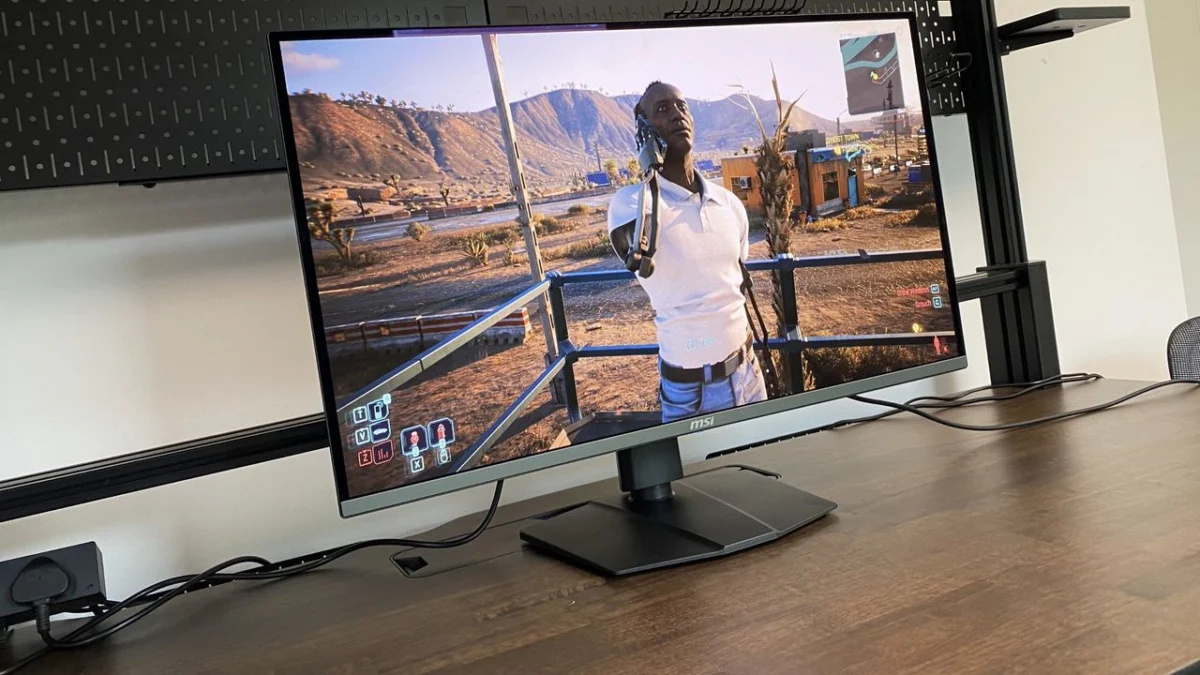
The visual fidelity offered by OLED technology is rapidly transforming the PC gaming landscape, with shipments of OLED panels experiencing unprecedented growth. Falling prices and a burgeoning demand from gamers are driving this revolution, making previously premium displays increasingly accessible.
The allure of OLED technology is undeniable. With its infinite contrast ratios, perfect blacks, and vibrant, pixel-perfect colors, OLED panels offer a visual experience that traditional LCDs simply cannot match. For years, this cutting-edge technology remained largely out of reach for the average PC gamer, confined to the realm of ultra-premium, exorbitantly priced displays. However, recent market shifts and technological advancements have dramatically altered this landscape, ushering in an era where OLED gaming monitors are not just a dream, but an attainable reality for a growing segment of the gaming community.
This seismic shift is clearly reflected in recent industry data. According to a report from the reputable analyst firm TrendForce, the market for OLED panels has witnessed a remarkable surge in shipments. Over the past three months alone, shipments have climbed by an impressive 26.1%. When compared to the same period last year, the growth is even more staggering, with an increase of 98%. This dramatic uptick is directly attributed to the booming popularity of OLED technology within the gaming sector, particularly for 27-inch QHD monitors, which are emerging as the dominant form factor in this rapidly expanding market.
"These results underscore the rapid penetration of OLED technology in the gaming and premium display markets," a TrendForce spokesperson stated, highlighting the technology’s growing dominance. This sentiment is further corroborated by TrendForce’s earlier findings, which indicated a 78% year-on-year increase in OLED panel shipments during the first quarter of the year. This consistent upward trajectory suggests that the momentum behind OLED adoption in the gaming monitor space is far from slowing down, with further growth anticipated throughout the remainder of the year and beyond.
The Rise of OLED: A Market in Flux
The competitive landscape of OLED monitor manufacturing is dynamic and evolving. TrendForce’s analysis reveals a shifting market share among key players. Currently, Asus holds the top position, followed by Samsung, MSI, AOC, and LGE, with other manufacturers rounding out the field. Samsung’s slight dip in market share is attributed to a "gradual withdrawal" from the Chinese market, a strategic move that has opened doors for other competitors. MSI, in particular, has made significant inroads, indicating a strong push into the OLED segment.
The overall supply of OLED panels is also reportedly improving, with new brands entering the market and contributing to increased competition. This influx of new players is a positive development for consumers, as it often leads to more diverse product offerings and potentially more competitive pricing.
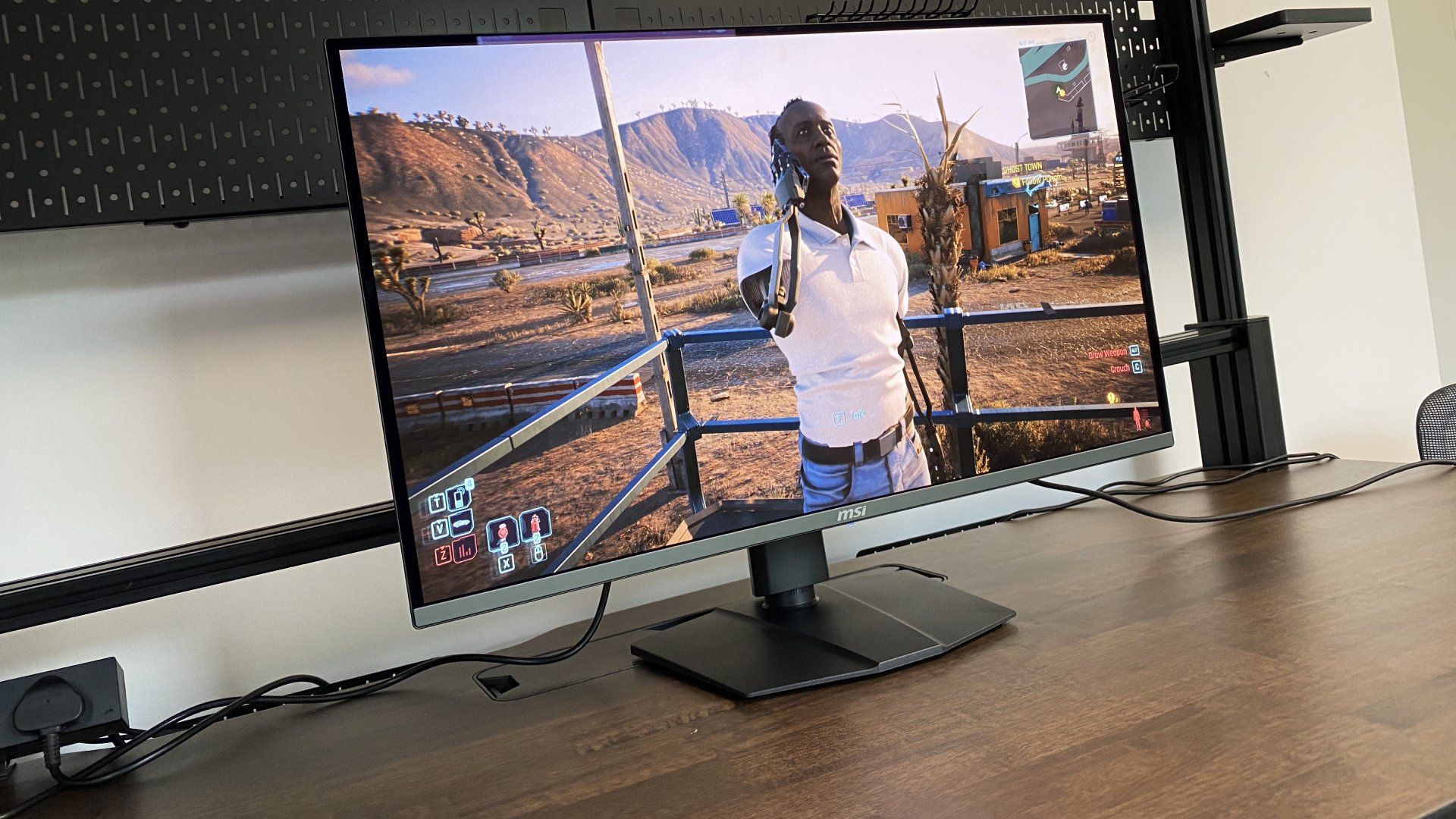
It is important to note that while various brands are marketing OLED monitors, the primary manufacturers of these advanced panels remain South Korean giants Samsung and LG. Many of the displays found under different brand names are, in fact, utilizing panels sourced from these two industry leaders. However, recent developments, such as MSI’s unveiling of a 4K OLED monitor utilizing an inkjet-printed panel from Chinese manufacturer TCL, suggest a potential diversification in panel sourcing for the future, particularly for professional-grade displays. Nevertheless, for the mainstream gaming monitor market, the reliance on Korean-made OLED panels remains a dominant factor.
From Luxury to Mainstream: The Price Revolution
One of the most significant factors contributing to the explosive growth of OLED gaming monitors is the dramatic decrease in their price points. Historically, OLED displays were a luxury item, with gaming monitors often commanding prices upwards of $600 to $1,000. This made them inaccessible to a vast majority of PC gamers. However, this paradigm has shifted considerably.
The market now offers compelling OLED options at much more palatable price points. For instance, the Alienware AW2726DM, lauded as an excellent budget OLED choice, boasts a manufacturer’s suggested retail price (MSRP) of just $350. While this model might employ slightly older panel technology compared to the absolute latest offerings, its visual performance is still described as "fantastic." This significant price reduction has opened the floodgates for gamers who previously could only dream of experiencing the unparalleled visual quality of OLED.
This democratization of OLED technology is a welcome development in an era where other PC gaming components, such as memory, have experienced significant price increases due to supply chain issues and market fluctuations. Monitors, on the other hand, have become one of the few areas where consumers can still find genuine value and technological advancement without breaking the bank.
Supporting Data: The Numbers Behind the Boom
TrendForce’s data provides a robust foundation for understanding the scale of this OLED market expansion:
- Quarterly Shipment Growth: Shipments of OLED panels increased by 26.1% in the last three months.
- Year-on-Year Growth: Compared to the previous year, OLED panel shipments are up by an astonishing 98%.
- First Quarter Performance: In the first three months of the year, OLED panel shipments saw a 78% year-on-year increase.
- Dominant Form Factor: 27-inch QHD monitors are identified as the most popular and fastest-growing segment within the OLED display market.
This consistent and substantial growth across various metrics paints a clear picture of a market segment experiencing rapid and sustained expansion. The data suggests that the demand for OLED gaming monitors is not a fleeting trend but a fundamental shift in consumer preference driven by superior visual technology and increasing affordability.
Implications for the Future of PC Gaming
The widespread adoption of OLED gaming monitors carries significant implications for the future of PC gaming and display technology:
- Enhanced Immersion: The unparalleled contrast, vibrant colors, and perfect blacks of OLED technology significantly enhance gaming immersion. Players can expect to experience games with a level of visual fidelity that was previously unimaginable, bringing virtual worlds to life with stunning realism.
- Competitive Advantage: For competitive gamers, the near-instantaneous pixel response times of OLED panels translate to a tangible advantage. Reduced motion blur and ghosting allow for quicker reaction times and more precise aiming, potentially impacting in-game performance.
- Democratization of High-End Visuals: As prices continue to fall, the exceptional visual quality of OLED will become accessible to a broader audience. This means more gamers will be able to enjoy the benefits of this advanced technology, leading to a more visually rich and engaging gaming ecosystem.
- Innovation in Panel Technology: The intense competition in the OLED market is likely to spur further innovation. We may see advancements in areas such as brightness, color accuracy, and durability, as manufacturers strive to differentiate their offerings and push the boundaries of what’s possible. The emergence of inkjet printing technology for OLED panels, as seen with TCL and MSI, is a prime example of this ongoing innovation.
- Shift in Market Expectations: As OLED becomes more prevalent, consumer expectations for display quality will inevitably rise. This could put pressure on manufacturers of traditional LCD panels to innovate and improve their own technologies to remain competitive.
The current market dynamics, characterized by high demand, sufficient supply, and fierce competition, create a rare and beneficial scenario for consumers. This environment is not only driving down prices but also fostering a healthy and innovative market that is actively serving the interests of PC gamers. The era of OLED gaming monitors has truly arrived, promising a visually spectacular future for the world of PC gaming.
Navigating the Market: Current Deals and Recommendations
For those looking to capitalize on the current OLED boom, several compelling deals are available. PC Gamer’s dedicated deal-hunting efforts have identified some noteworthy options:
- Samsung Odyssey G50SF: Currently available for around $350 at Amazon, this monitor represents a strong value proposition for those seeking an entry into OLED gaming.
- AOC Agon Pro: Another 27-inch, 1440p OLED option, this monitor can also be found for approximately $350 at Amazon, offering a competitive alternative.
- MSI MAG 321UP: For those seeking a larger, 4K-capable OLED display, the MSI MAG 321UP has seen its price drop to around $700 at Newegg, representing a significant reduction from its original MSRP.
These examples highlight the increasing accessibility of high-quality OLED displays. While the absolute cutting-edge models may still command a premium, the overall market trend indicates a significant downward pressure on prices, making OLED technology a viable and attractive option for a wider range of PC gamers. The continued development of the market and the ongoing competition among manufacturers suggest that even more attractive deals and innovative products are likely to emerge in the near future.