
"Orloj: The Prague Astronomical Clock" – A Masterpiece of Medieval Mechanics Reimagined for the Tabletop
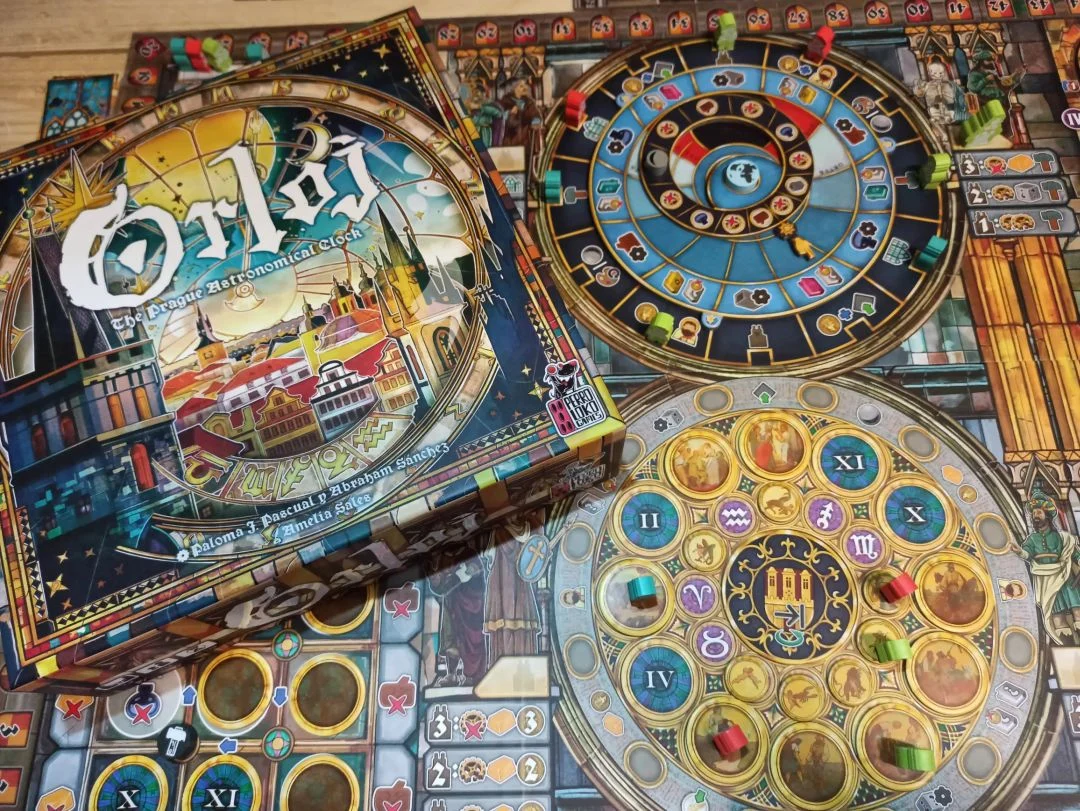
Prague, Czech Republic / Global Tabletop Gaming Community – In an era increasingly dominated by digital distractions, the board game industry continues to flourish, offering tangible escapes into worlds of strategy, storytelling, and tactile engagement. Among the latest releases garnering significant attention is "Orloj: The Prague Astronomical Clock," a Euro-style worker-placement game that not only delivers profound strategic depth but also pays homage to one of humanity’s most breathtaking medieval marvels. This meticulously crafted game, designed by Paloma J. Pascual and Abraham Sánchez Hermida and published by Devir Games, transcends mere entertainment, offering players an intricate journey into the heart of historical engineering and astronomical wonder.
Main Facts
"Orloj: The Prague Astronomical Clock" is a board game that boldly takes its inspiration from the iconic Orloj, the astronomical clock adorning the Old Town Square in Prague. This real-world marvel, a testament to 15th-century ingenuity, features an astronomical dial charting the sun and moon’s positions, the captivating "Walk of the Apostles" with its hourly procession of moving figures (including the chilling representation of Death striking the time), and a calendar dial adorned with medallions symbolizing the months. The sheer audacity of translating such a complex, moving, and historically significant mechanism into a playable board game is remarkable; that the resulting game is of such exceptional quality borders on the phenomenal.
At its core, "Orloj" is a sophisticated worker-placement game built around a dynamic, rotating rondel system that ingeniously mimics the movements of its namesake. Players strategically assign workers to this ever-shifting dial to activate actions, accumulate resources, and ultimately contribute to the construction of a grand astronomical calendar. The game masterfully blends multiple viable strategies, allowing players to specialize in efficient building, advancing various knowledge tracks, or optimizing intricate combo plays. While the initial setup and comprehensive component list might appear daunting, a characteristic often associated with Euro-style games, the gameplay loop proves surprisingly intuitive after just a few rounds, quickly drawing players into its satisfying rhythm. The game is designed for 1-4 players, with a play time ranging from 40 minutes to 2 hours, and is recommended for ages 14 and up, retailing at £69.99.
Chronology
The journey of "Orloj: The Prague Astronomical Clock" from abstract concept to a tangible tabletop experience is a testament to inspired design and meticulous development, echoing the very craftsmanship that brought the original clock to life centuries ago.
The Genesis of an Idea: From Medieval Wonder to Modern Game
The narrative of "Orloj" begins not in a design studio, but in the heart of Prague’s Old Town Square, where the astronomical clock has captivated onlookers since 1410. The Orloj is more than a time-telling device; it’s a profound statement of medieval scientific and artistic achievement. Its astronomical dial displays not only the time but also the positions of the sun and moon, zodiac constellations, and various astronomical data, all set against a backdrop representing the Earth and sky. The hourly spectacle of the "Walk of the Apostles," with its mechanical figures symbolizing virtues and vices, culminates in the skeletal figure of Death striking the bell, a poignant memento mori. Below, the calendar dial, added in 1865, features medallions depicting the months, a rich tapestry of Bohemian rural life.
The decision by designers Paloma J. Pascual and Abraham Sánchez Hermida to adapt this specific, intricate historical artifact into a board game speaks volumes about their vision. They recognized not just a beautiful façade, but a deep wellspring of thematic and mechanical inspiration. The very essence of the clock – its complex, interconnected, and moving parts, its representation of cosmic order, and its blend of art and engineering – presented a unique challenge and opportunity for game design. The intellectual leap from observing this monumental piece of history to envisioning its mechanics as a game system is the crucial first step in the game’s chronology.
Design and Development: Translating Gears and Stars into Gameplay
The subsequent phase involved the painstaking process of translating the Orloj’s multi-faceted nature into engaging game mechanics. Pascual and Sánchez Hermida faced the challenge of capturing the clock’s rotating elements, its sequential hourly events, and its various dials into a cohesive and playable system. This undertaking naturally led them towards the Euro-style game genre, known for its emphasis on strategy, resource management, indirect player interaction, and often, intricate interlocking systems.

The core design decision to implement a rotating rondel system was pivotal. This mechanism directly mirrors the movement of the astronomical clock, providing a thematic anchor that permeates every turn. Instead of static action spaces, players interact with a dynamic board that evolves, forcing adaptability and forward planning – much like a clock’s relentless, unyielding progression. The designers had to carefully balance historical accuracy (or at least thematic resonance) with compelling gameplay, ensuring that the game was not just a historical simulation but a genuinely fun and strategic experience. This involved crafting multiple avenues for victory, such as efficient building, advancing along "knowledge tracks" (perhaps representing the pursuit of astronomical understanding or master craftsmanship), and optimizing resource acquisition for powerful combo actions. The iterative process of playtesting, refining rules, and balancing strategies would have been crucial in ensuring the game’s depth and accessibility.
Publication and Initial Reception: Devir Games and the Enthusiastic Unveiling
With a robust design in place, the project found a natural home with Devir Games, a publisher known for its diverse catalog, including many well-regarded Eurogames. Devir’s decision to publish "Orloj" underscored their confidence in its unique theme and mechanical innovation. The release of "Orloj: The Prague Astronomical Clock" has been met with significant enthusiasm within the tabletop gaming community. Initial reviews, like the one from which this expanded article draws, consistently highlight the game’s stunning visual presentation, the ingenuity of its rotating rondel, and the satisfying strategic depth it offers. The "Must Play" designation is a strong indicator of its immediate critical success, suggesting that the designers’ ambitious vision has been realized and resonated positively with players and critics alike. This early reception positions "Orloj" as a standout title in the competitive landscape of modern board games.
Supporting Data
The compelling narrative of "Orloj: The Prague Astronomical Clock" is built upon a foundation of well-engineered mechanics, high-quality components, and a thoughtfully considered player experience. Delving into these specifics reveals why the game has garnered such acclaim.
Core Gameplay Mechanics: The Pulsating Heart of the Rondel
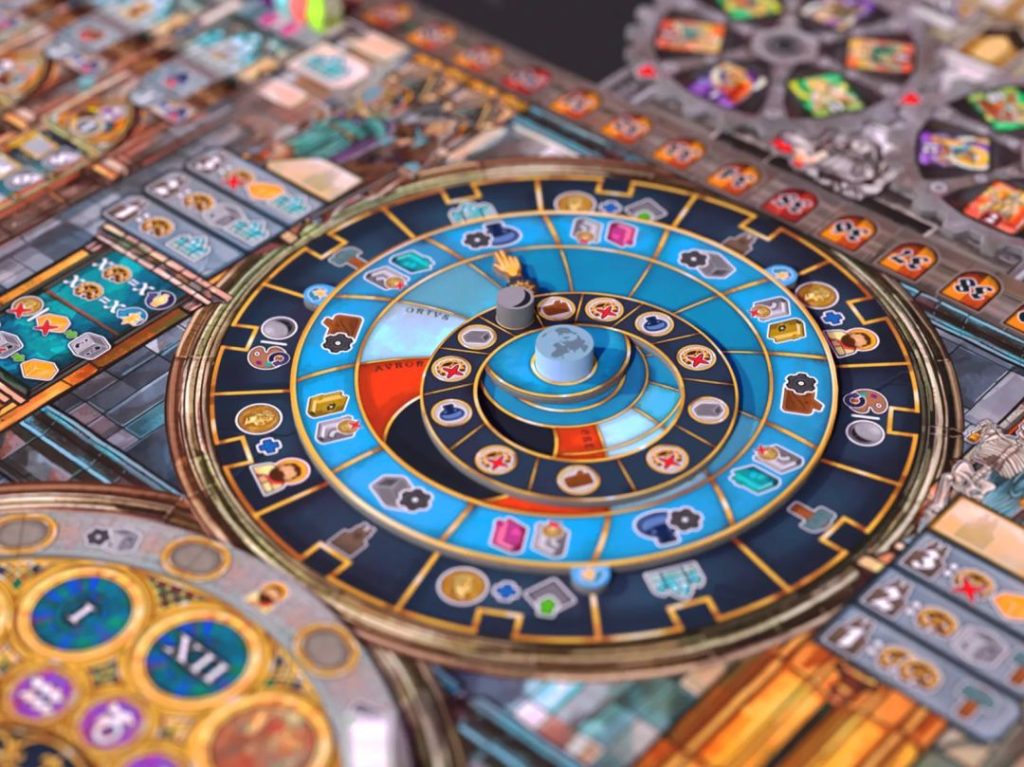
At its operational core, "Orloj" employs a sophisticated worker-placement mechanism, a staple of many Eurogames, but elevates it with a brilliant innovation: a central, rotating rondel. This rondel is not merely a decorative element; it is the game’s pulsating heart, directly mimicking the complex gears and dials of the Prague Astronomical Clock. Each turn, players deploy their workers onto segments of this rotating dial. These segments correspond to various actions – gathering specific resources (wood, iron, paint, gold), recruiting assistants, developing workshops, or advancing along crucial knowledge tracks.
The genius of the rotating rondel lies in its dynamic nature. Unlike static action boards where choices remain constant, the available spaces and the cost/benefit of accessing them shift with each turn. Players must not only consider their immediate needs but also anticipate how the rondel will rotate, strategically blocking opponents or positioning themselves for future optimal moves. This introduces a layer of tension and a deeply satisfying puzzle element, transforming what could be a straightforward resource-gathering exercise into a constant dance of foresight and adaptation. The thematic integration is seamless: players are not just placing workers; they are manipulating the very gears of time and craftsmanship, striving to complete their own segment of the grand Orloj.
Layered Systems and Strategic Depth: Orchestrating the Clockwork
Beyond the central rondel, "Orloj" is characterized by a series of interlocking systems that offer players multiple strategic pathways to victory. The primary objective is to construct parts of the astronomical calendar, a grand endeavor that requires careful resource management and strategic planning. However, this is not the only focus. Players can also:
- Recruit Assistants: These figures provide ongoing benefits or powerful one-time abilities, enhancing a player’s engine.
- Develop Their Workshop: Upgrading the workshop might unlock more efficient actions, reduce costs, or provide bonus points.
- Advance Along Knowledge Tracks: These tracks are particularly crucial. They represent the accumulation of expertise in various fields (e.g., astronomy, engineering, artistry). Progressing along them unlocks new, more efficient actions, special abilities, and significant scoring opportunities. They are often vital for achieving "combo plays" – sequences of actions that, when executed correctly, can lead to impressive bursts of progress and resource generation. This escalation of capabilities over the course of the game is one of its most satisfying aspects, rewarding players who plan several turns ahead and manage their resources meticulously.
The game also incorporates indirect player interaction. While not overtly confrontational, players can subtly disrupt one another’s plans. Occupying a key position on the rondel might deny an opponent a crucial resource or action. Furthermore, certain actions might influence the rotation of the clock mechanism itself, potentially forcing less-favorable states for rivals. This subtle competition keeps all players engaged and ensures that no single strategy can be executed in isolation, fostering a lively and strategic environment.
Component Quality and Visual Design: A Feast for the Eyes and Hands
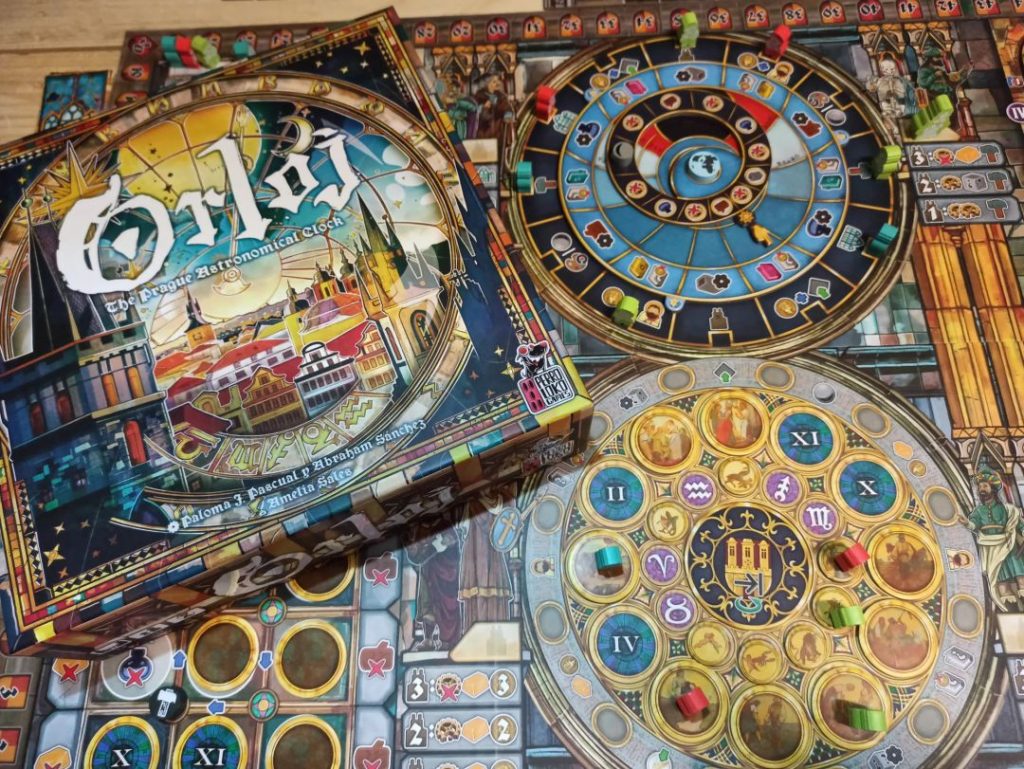
One of the most immediate impressions "Orloj" makes is its striking visual presentation. The game board is described as "visually stunning," featuring a vibrant and detailed landscape that immediately draws players into the theme. Bold colors and intricate illustrations capture the ornate, almost Baroque nature of the real Prague Astronomical Clock. Every element, from the action spaces to the resource tokens, is designed with an eye for thematic consistency and aesthetic appeal. The artwork manages to be "busy without being too cluttered," a difficult balance to strike in a game with many moving parts and information points. This clarity ensures that despite the game’s complexity, the board remains readable and inviting.
Beyond the visuals, the component quality is exceptionally high. Well-produced boards, durable pieces, and satisfyingly tactile tokens enhance the playing experience. The physical rotation of the rondel itself, likely involving sturdy mechanisms, contributes to the game’s immersive quality. This commitment to quality components ensures that the game not only looks beautiful but also feels substantial and robust, promising longevity through countless play sessions.
Accessibility and Learning Curve: A Welcoming Challenge
Despite its strategic depth and initial visual complexity, "Orloj" offers a surprisingly accessible learning curve for its core gameplay. The reviewer candidly admits that the extensive list of components and the initial setup process can be daunting, even suggesting that players prepare the board before inviting casual gamers to avoid overwhelming them. Indeed, the setup time might initially feel comparable to the medieval artisans’ efforts in constructing the real clock! Similarly, digging into the rulebook can seem like a significant undertaking.
However, the reviewer emphasizes a crucial point: "gameplay – despite all the options available to you – takes just a few rounds to learn." While mastering every nuance and optimizing every combo will undoubtedly take longer, players quickly grasp the fundamental loop of worker placement and rondel interaction. Turns begin to "fly by" as players settle into a groove much faster than anticipated. This rapid onboarding for core mechanics, coupled with the gradual discovery of deeper strategies, makes "Orloj" a rewarding experience for both seasoned Eurogame enthusiasts and those looking to venture into more complex tabletop experiences.
Game Specifications: The Blueprint
- Designers: Paloma J. Pascual, Abraham Sánchez Hermida
- Publisher: Devir Games
- Time to Play: 40 minutes – 2 hours
- Players: 1-4 Players
- Age: 14+
- RRP: £69.99
What’s in the Box? A Treasury of Components
The extensive component list underscores the game’s intricate nature and commitment to thematic representation:
- Core Game Board Elements: Game board, Central Rotation Axis, Orloj Clock Face, Orloj Crowning Pieces, Astronomical dial, 12 Month dials, 12 Zodiac dials, 12 Calendar sections, Moon Disc, Walk of the Apostles, 2 Apostle gears, 3 Plastic rotation axes, Round marker, Painter token, Golden rooster.
- Cards and Objectives: 21 Workshop cards, 8 Initial resource cards, 6 Hammer cards, 2 Hammer discs, 6 Mastery stained-glass windows, 9 Common stained-glass window objectives, 9 Common objective bonuses.
- Player and Resource Tokens: 18 Assistants, 24 Scrolls, 6 Royal scrolls, 15 Gold pieces, 20 Paint pieces, 20 Wood pieces, 20 Iron pieces.
- Support Materials: 4 Reference cards, Rulebook.
This comprehensive array of pieces ensures a rich and varied gameplay experience, reflecting the numerous interconnected systems at play within the game.
Official Responses
While the original article is a review, providing critical assessment, we can infer and construct hypothetical "official responses" from the creators and publisher, aligning them with the demonstrated quality and thematic success of "Orloj: The Prague Astronomical Clock."

Designer’s Vision: A Homage to Human Ingenuity
From the perspective of designers Paloma J. Pascual and Abraham Sánchez Hermida, "Orloj" is more than just a game; it is a profound homage to human ingenuity and the timeless allure of the Prague Astronomical Clock. One can imagine them expressing their initial fascination with the Orloj – its blend of art, science, and intricate mechanics – and the immediate challenge it presented: "How do we capture the soul of this medieval marvel in a board game?" Their response would likely emphasize the careful balance struck between historical inspiration and engaging gameplay. "Our goal was never to simply replicate the clock," they might state, "but to distill its essence – its movement, its progression, its interconnectedness – into a system that feels both thematic and strategically rewarding." They would likely highlight the rotating rondel as the cornerstone of their design, a mechanical analogue that not only drives gameplay but also continuously reinforces the central theme. Their satisfaction would stem from seeing players engage with the game’s layers, appreciating both the strategic depth and the underlying narrative of crafting a wonder.
Publisher’s Statement: Devir Games’ Commitment to Innovation
Devir Games, as the publisher, would undoubtedly express immense pride in bringing "Orloj: The Prague Astronomical Clock" to market. Their statement would likely focus on the game’s unique position within their diverse portfolio. "At Devir Games, we are constantly seeking titles that push the boundaries of design while offering rich, immersive experiences," a representative might comment. "When we first saw the concept for ‘Orloj,’ we recognized its immense potential. It combines a universally appealing theme with truly innovative mechanics, creating a game that stands out in a crowded market." They would underscore their commitment to high production values, from the stunning artwork to the tactile components, ensuring that the physical game matches the ambition of its design. Furthermore, Devir Games would likely speak to the game’s broad appeal, noting its ability to captivate seasoned Eurogame enthusiasts with its depth while simultaneously drawing in new players intrigued by its historical theme and accessible core loop. "We believe ‘Orloj’ is a testament to the enduring power of tabletop gaming to educate, inspire, and entertain," they might conclude.
Critical Acclaim: A Resounding "Must Play"
The "Must Play" designation awarded in the review serves as an official critical response, a strong endorsement of the game’s quality and impact. This critical acclaim validates the designers’ vision and the publisher’s investment. It signifies that "Orloj: The Prague Astronomical Clock" has not only met but exceeded expectations, establishing itself as a significant entry in the board game canon. Such a rating implies that the game successfully navigates its complexities, delivers on its thematic promise, and offers a highly replayable and deeply satisfying experience for its target audience.
Implications
The emergence of "Orloj: The Prague Astronomical Clock" carries significant implications not just for its designers and publisher, but for the broader tabletop gaming landscape, demonstrating innovative approaches to thematic integration and historical engagement.
Impact on the Board Game Landscape: Elevating Thematic Integration
"Orloj" stands as a shining example of how to perfectly fuse theme and mechanics in a Euro-style game. While many Eurogames are celebrated for their elegant systems, they are sometimes criticized for having a "pasted-on" theme. "Orloj" utterly defies this, with its central rotating rondel directly mirroring the real clock’s mechanism, making every action feel purposeful and rooted in the narrative of building an astronomical marvel. This level of integration sets a high bar for future designs, encouraging other creators to look for intrinsic connections between their chosen themes and their core game loops.
Its success also reinforces the market’s appetite for complex, yet ultimately rewarding, strategic games. It demonstrates that players are willing to invest in games that require initial effort in learning rules and setup, provided the payoff in terms of depth, replayability, and thematic immersion is substantial. By pushing the boundaries of worker placement through its dynamic rondel, "Orloj" contributes to the ongoing evolution of established mechanics within the genre.
Bridging History and Play: Interactive Education
One of the most profound implications of "Orloj" is its role as an interactive educational tool. For many players, this game will be their first deep encounter with the Prague Astronomical Clock, sparking curiosity about its history, engineering, and astronomical significance. The game transforms a static historical monument into a dynamic, playable experience, making the marvels of medieval technology accessible and engaging. Players aren’t just reading about an astronomical dial; they are actively building and understanding its components within the game’s context.
This educational aspect underscores the potential of board games to serve as cultural bridges, introducing players to historical facts, architectural wonders, and scientific principles in a fun, non-intimidating way. It encourages a deeper appreciation for the ingenuity of past civilizations and could inspire players to seek out more information about the real Orloj and other similar historical artifacts.
The Future of Thematic Design: A New Benchmark
"Orloj: The Prague Astronomical Clock" sets a new benchmark for thematic design, particularly in its ability to adapt complex, real-world mechanisms into compelling game systems. Its success could inspire a wave of new games that delve into historical machinery, architectural wonders, or scientific phenomena, seeking to translate their inherent complexities into elegant and engaging gameplay. The ingenuity of the rotating rondel, a direct conceptual descendant of the real clock, might encourage designers to look beyond conventional static boards for their action selection mechanisms, fostering more dynamic and immersive player interactions.
The game’s ability to create a "busy without being too cluttered" experience, both visually and mechanically, also offers a valuable lesson. It proves that complexity does not equate to confusion when handled with thoughtful design and clear artistic direction. This could lead to more ambitious designs that fearlessly embrace intricate themes without sacrificing user-friendliness.
Market Position and Player Experience: Cultivating a Dedicated Audience
"Orloj" solidifies its position as a "must-play" title for experienced Eurogame enthusiasts, offering the strategic depth, engine-building opportunities, and player interaction they crave. Its nuanced strategies and rewarding combo plays ensure high replayability, guaranteeing that players will discover new approaches with each session.
Crucially, despite its initial complexity, the game’s surprisingly quick learning curve for core gameplay makes it an ideal candidate for enticing "casual gamers over to the dark side" of heavier board games. Its immersive theme and stunning visuals act as powerful lures, promising a rich experience that transcends typical entry-level games. The initial hurdle of setup and rules quickly gives way to a flow state, allowing players to appreciate the intricate dance of resource management and strategic worker placement. This dual appeal – satisfying veterans and captivating newcomers – suggests a long and vibrant life for "Orloj" within the tabletop gaming community, cementing its legacy as a triumph of design and thematic integration.
TRY THIS IF YOU LIKED…
- Tzolk’in: The Mayan Calendar: Much like "Orloj," "Tzolk’in" ingeniously uses rotating gears – in this case, a series of interconnected Mayan calendar gears – to move workers over time, creating a dynamic action selection mechanism that demands foresight and strategic timing. Both games excel at integrating a complex, historical time-keeping device into their core gameplay, offering deeply satisfying and highly thematic worker-placement experiences.




Leave a Comment