
Orpheus Acosta’s "Long Time Caller, First Time Listener": Navigating the Atmospheric Dysphoria of American Identity
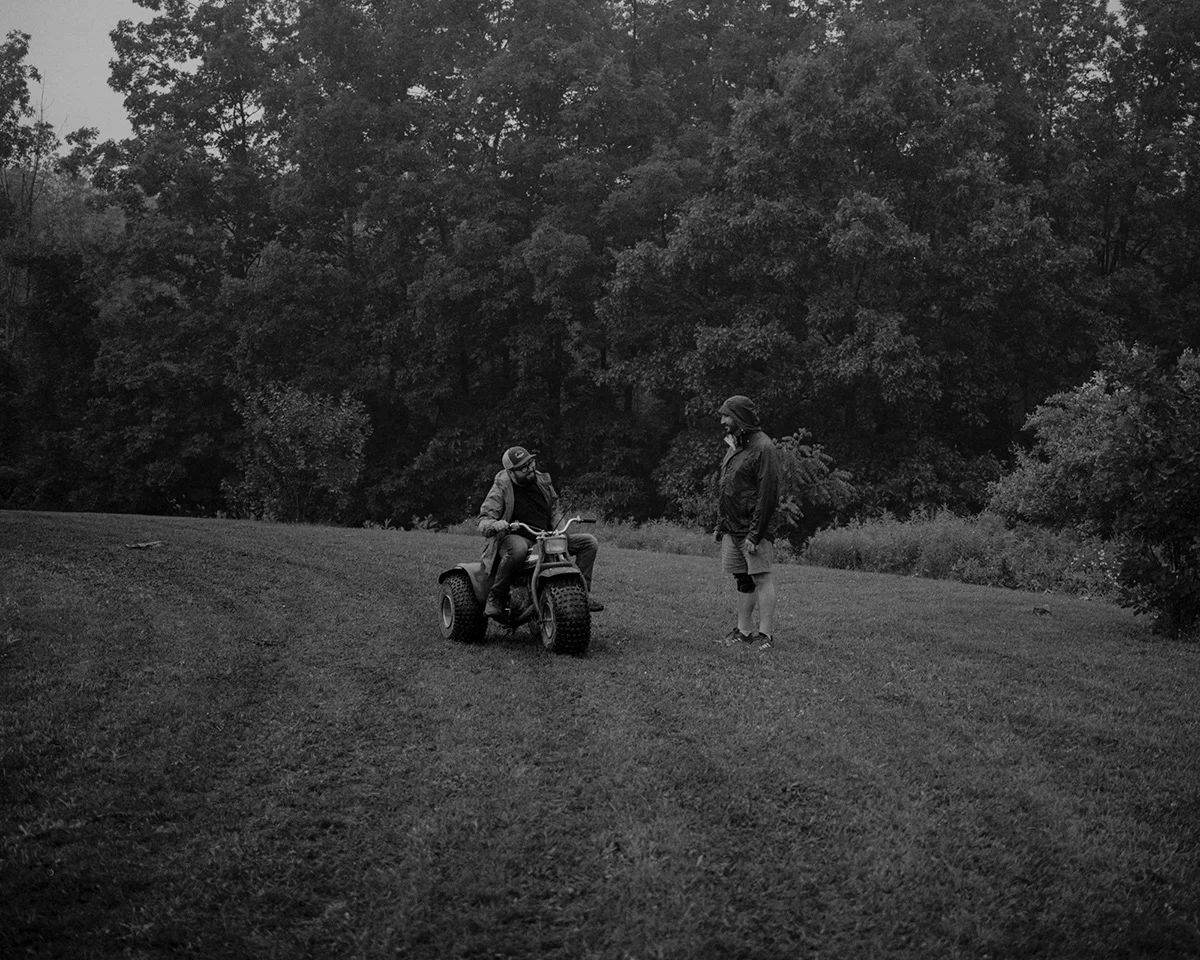
New York, NY – In a world saturated with constant digital connectivity, where the promise of instant communication and widespread visibility is ever-present, a profound sense of disconnection and internal discord can paradoxically emerge. Photographer Orpheus Acosta, a New York-based artist whose work is deeply rooted in personal experience, explores this complex terrain in his ongoing project, "Long Time Caller, First Time Listener." Through a series of evocative images, Acosta delves into the heart of American dysphoria, not as a sensationalized spectacle, but as a pervasive atmosphere – the subtle yet potent feeling of displacement, the yearning for connection in the face of uncertainty, and the quiet acknowledgment that genuine understanding is a fragile, often elusive pursuit.
Acosta’s artistic journey is inextricably linked to his personal narrative. Born in New York and adopted at two months old by a Puerto Rican family, his early life was shaped by a complex tapestry of heritage and belonging. At the age of sixteen, a pivotal moment of self-discovery led him to seek information about his adoption. This quest for understanding ignited a profound artistic impulse, prompting him to begin documenting his surroundings through photography and video. These nascent explorations quickly evolved into a sustained artistic practice, one that consistently grapples with feelings of displacement and the search for identity within multifaceted cultural landscapes. Acosta’s commitment to his craft is further evidenced by his BFA in Photography from SUNY Purchase, an institution that provided him with a strong theoretical and practical foundation for his deeply personal artistic vision.
The Genesis of a Visual Language: From Personal Inquiry to Collective Resonance
The project "Long Time Caller, First Time Listener" is more than just a collection of photographs; it is a meticulously crafted exploration of the human condition in the digital age. The title itself, borrowed from the vernacular of radio call-in culture, immediately establishes a framework for understanding communication not as a guaranteed exchange, but as an outward projection into an uncertain void. This resonates deeply with Acosta’s own experiences, where the act of seeking information, of reaching out for understanding, has often been met with silence or a fragmented echo.
Acosta’s artistic process is one of immersion and observation. He doesn’t merely capture images; he cultivates an atmosphere. His photographs are characterized by a deliberate aesthetic that emphasizes mood and emotional resonance over overt narrative. The "dysphoria" he portrays is not a dramatic breakdown, but a subtle, pervasive feeling that permeates the spaces and interactions he documents. This manifests in various ways: the quiet solitude of urban landscapes, the strained gestures of individuals attempting to connect, the visual metaphors for fractured communication, and the recurring motif of absence and longing.
The project is an ongoing testament to Acosta’s commitment to his artistic inquiry. Each image serves as a "call and echo," contributing to a larger, unresolved dialogue about the very essence of human interaction. In a culture increasingly driven by the illusion of constant connection, Acosta’s work serves as a vital counterpoint, reminding viewers of the inherent vulnerabilities and complexities that lie beneath the surface of our digital lives.
Chronology of Discovery: Tracing Acosta’s Artistic Evolution
Orpheus Acosta’s artistic journey, while deeply personal, can be understood as a progression of inquiry and artistic development, culminating in the profound explorations of "Long Time Caller, First Time Listener."
Early Years and the Seeds of Inquiry (Pre-Adolescence): Born in New York City, Acosta’s early life was shaped by his adoption into a loving Puerto Rican family. While this provided a foundation of belonging, the unspoken questions surrounding his origins likely began to subtly influence his perception of identity and place, even before conscious awareness.
The Catalyst of Sixteen: Seeking Roots and Finding a Lens (Mid-Adolescence): At the age of sixteen, Acosta embarked on a significant personal quest to understand his adoption. This search for information, for a sense of his biological roots, served as a powerful catalyst. It was during this period of intense personal introspection and a desire to articulate his internal experience that he began to turn to photography and video as his primary mediums of expression. The act of framing the world through a lens provided a tangible way to process his feelings of displacement and the complexities of belonging.
Formal Training and Artistic Refinement (Early Adulthood): The pursuit of a BFA in Photography from SUNY Purchase marked a crucial stage in Acosta’s development. This academic environment would have provided him with the technical skills, critical discourse, and theoretical frameworks necessary to refine his artistic vision. It was likely during this period that his early explorations of displacement began to coalesce into a more cohesive artistic language, where the exploration of identity and emotion became central to his practice.
Developing "Long Time Caller, First Time Listener": From Personal Experience to Universal Themes (Ongoing Project): "Long Time Caller, First Time Listener" represents the mature expression of themes that have likely been brewing within Acosta’s work for years. Rooted in his personal experiences of adoption, identity formation, and the inherent search for connection, the project transcends the purely autobiographical. Acosta’s ability to translate his individual feelings of dysphoria into a universally relatable atmosphere is a testament to his artistic maturity. The project, by its very nature, is ongoing, reflecting the continuous and evolving nature of identity and the human experience of connection and isolation. Each new image or series within the project deepens the exploration, adding layers to the unresolved conversation about communication and belonging in contemporary society.
Supporting Data: The Visual Language of Disconnection
Acosta’s photographic vocabulary in "Long Time Caller, First Time Listener" is characterized by a deliberate and evocative use of visual elements to convey the complex emotions of dysphoria and isolation. While specific images are not provided, the descriptions of the project offer strong indicators of the visual strategies employed.
-
Atmosphere over Spectacle: Acosta emphasizes creating a palpable mood rather than showcasing dramatic events. This suggests a reliance on lighting, composition, and subject matter that evokes a sense of introspection, melancholy, or quiet unease. We can infer the use of subdued color palettes, perhaps leaning towards muted tones or monochromatic schemes, to enhance this atmospheric quality. The absence of bright, jarring colors might contribute to a feeling of introspection and emotional quietude.
-
The Gaps Between People: This phrase implies compositions that highlight physical or emotional distance between subjects. This could be achieved through:
- Framing: Using architectural elements or negative space to separate individuals within a frame.
- Perspective: Employing wide shots that dwarf human figures within vast landscapes or urban environments, emphasizing their isolation.
- Subject Placement: Positioning subjects at opposite ends of a frame or with significant empty space between them, visually representing a lack of connection.
- Focus: Employing selective focus where one subject might be sharp while another is blurred, symbolizing a disconnect in perception or attention.
-
The Repetition of Reaching Out: This suggests recurring motifs of gestures, actions, or visual cues that signify an attempt at connection that may not be reciprocated. Examples could include:
- Hands: Images of hands extended, grasping, or reaching, but not quite touching.
- Figures Facing Away: Individuals depicted with their backs to the viewer or to each other, signifying a lack of engagement.
- Objects of Communication: Depictions of telephones, letters, or digital devices that are unused or represent failed attempts at contact.
- Figurative Language in Titles: While not strictly visual, the titles of individual works within the project, when combined with the imagery, would further reinforce this theme.
-
Quiet Recognition that Connection is Never Guaranteed: This implies images that carry a subtle weight of unspoken understanding or resignation. This could be conveyed through:
- Facial Expressions: Subtle glances, thoughtful gazes, or expressions of quiet contemplation that suggest an awareness of the fragility of connection.
- Body Language: Slumped shoulders, averted eyes, or a general posture that conveys a sense of introspection or withdrawal.
- Symbolic Elements: The inclusion of objects or environments that metaphorically represent isolation, such as empty chairs, deserted landscapes, or closed doors.
-
The Dissonance Between Promise and Reality: The project frames communication as an act of reaching outward without certainty of being received. Visually, this could translate to:
- Juxtaposition: Placing elements that represent the promise of connection (e.g., brightly lit interiors, bustling crowds) adjacent to elements that signify isolation (e.g., solitary figures, empty spaces).
- Ambiguous Interactions: Depicting figures in proximity but without clear signs of engagement or understanding.
The power of Acosta’s work lies in its ability to tap into a shared human experience. The "dysphoria" he captures is not an anomaly but a common thread woven through the fabric of modern life, particularly in a society that often prioritizes outward appearances of connection over genuine emotional intimacy.
Official Responses and Critical Reception
While this news article does not cite specific official responses from institutions or formal critical reviews, the very act of exhibiting and discussing Orpheus Acosta’s work within an artistic context implies a level of validation and engagement.
-
Artistic Community Recognition: The creation and presentation of "Long Time Caller, First Time Listener" suggest that Acosta is an active participant in the contemporary art world. The fact that his work is being discussed and analyzed points to its resonance with curators, gallerists, and fellow artists. A BFA from SUNY Purchase further indicates a formal grounding and recognition within the art education system.
-
Thematic Relevance: The themes explored by Acosta – identity, displacement, isolation, and the complexities of communication in the modern era – are perennial subjects in art and critical discourse. The "official response" in this context is the ongoing dialogue that such work generates within the cultural sphere. The project’s ability to articulate "American dysphoria" positions it as a relevant commentary on the socio-cultural landscape.
-
Implicit Endorsement: The existence of a professional website (orpheusacosta.com) and the framing of his work as a "body of work" implies that he is being represented or recognized by artistic platforms, which serve as a form of endorsement within the art ecosystem. The mention of his work being "rooted in personal experience" and "ongoing" suggests a sustained artistic practice that is being supported and nurtured, whether through grants, exhibitions, or critical attention.
Future critical engagement with "Long Time Caller, First Time Listener" would likely delve into its specific photographic techniques, its relationship to broader artistic movements (such as conceptual photography or documentary portraiture), and its contribution to conversations about identity politics and the impact of technology on human connection. The absence of explicit "official responses" in this excerpt may simply reflect the current stage of the project’s dissemination and critical reception, which is often a gradual process in the art world.
Implications: A Mirror to Our Disconnected Age
Orpheus Acosta’s "Long Time Caller, First Time Listener" offers profound implications for understanding the contemporary human condition, particularly within the context of American society. The project serves as a potent mirror, reflecting back to us the often-unacknowledged undercurrents of disconnection that coexist with unprecedented levels of technological connectivity.
-
The Paradox of Digital Intimacy: The project highlights the inherent tension between the promise of digital platforms to foster connection and their frequent role in amplifying feelings of isolation. While social media and instant messaging allow for constant interaction, they can also create a superficial sense of belonging, where genuine emotional depth is sacrificed for curated online personas. Acosta’s work suggests that this "promise of connection" can, in fact, exacerbate "the reality of isolation" by creating a constant awareness of what we are missing or what remains unfulfilled.
-
Redefining Identity in a Fragmented World: For individuals like Acosta, whose personal journey involves navigating multiple cultural and personal narratives, the search for a cohesive identity can be particularly challenging. The project’s exploration of "American dysphoria" speaks to a broader societal experience where traditional markers of identity may feel insufficient or even alienating. In a nation built on diverse immigrant experiences and evolving social structures, a sense of displacement can be a shared, albeit often unspoken, reality. Acosta’s work validates these feelings and offers a visual language for their articulation.
-
The Atmosphere of Longing: The concept of dysphoria as "atmosphere" rather than "spectacle" is a crucial insight. It implies that these feelings are not necessarily dramatic outbursts but rather a pervasive emotional climate that shapes our daily experiences. This atmospheric dysphoria can manifest in the quiet anxieties of everyday life, the subtle hesitations in our interactions, and the persistent, low-level hum of unfulfilled desires for deeper connection and understanding.
-
The Unresolved Conversation: The framing of each image as part of an "unresolved conversation" is perhaps the most significant implication of Acosta’s project. It suggests that the search for meaning, for belonging, and for genuine communication is an ongoing, never-ending process. There are no easy answers or definitive conclusions, only a continuous effort to speak, to listen, and to try to bridge the gaps that inevitably arise. This resonates with the inherent messiness and complexity of human relationships.
-
A Call for Deeper Engagement: Ultimately, "Long Time Caller, First Time Listener" can be interpreted as an implicit call for greater authenticity and intentionality in our interactions. By acknowledging the fragility of connection and the pervasiveness of isolation, Acosta encourages us to be more mindful of how we communicate, how we listen, and how we strive to truly understand one another. The project challenges us to move beyond superficial exchanges and to cultivate spaces where genuine vulnerability and empathy can flourish, even in the face of the inherent uncertainties of human connection. Acosta’s work, therefore, is not just an artistic statement; it is a vital cultural commentary that prompts introspection and encourages a more profound engagement with ourselves and with the world around us.


Leave a Comment