
Ravenloft Resurgent: A Deep Dive into Dungeons & Dragons’ Premier Horror Setting
The Enduring Allure of Fear at the Tabletop
Dungeons & Dragons, the venerable tabletop role-playing game, is renowned for its epic tales of high fantasy, heroic quests, and grand adventures. Yet, beneath the shining armor and spell-slinging wizards, there has always been a darker current—a vein of gothic horror, cosmic dread, and psychological terror. This sinister side finds its most potent expression in the demiplane of Ravenloft, a collection of "Domains of Dread" where malevolent Darklords rule over their cursed lands, trapping unwitting adventurers in perpetual nightmares. For Dungeon Masters (DMs) seeking to truly scare their players, to evoke genuine unease and dread, Ravenloft stands as the ultimate canvas. A recent suite of products and accessories has emerged, specifically designed to empower DMs and immerse players deeper than ever into the chilling embrace of the Mists. This article will explore these essential tools, delving into their design, utility, and the profound impact they have on shaping horror narratives within the D&D multiverse.
A Legacy Forged in Shadow: The Chronology of Ravenloft
The story of Ravenloft is as compelling and enduring as any horror tale. Its origins trace back to 1983 with the release of the module I6: Ravenloft for Advanced Dungeons & Dragons (AD&D). Penned by Tracy and Laura Hickman, this groundbreaking adventure introduced players to Barovia, a land perpetually shrouded in mist and ruled by the iconic vampire Strahd von Zarovich. What set I6: Ravenloft apart was its emphasis on atmosphere, plot, and character interaction over simple dungeon crawling, along with a dynamic antagonist whose motivations were complex and tragic. The module’s success was immediate and profound, cementing Strahd as one of D&D’s most memorable villains and establishing a new paradigm for adventure design.
Following its initial triumph, Ravenloft transcended its module origins to become a full-fledged campaign setting. In 1990, the Ravenloft Campaign Setting boxed set for AD&D 2nd Edition expanded Barovia into an entire demiplane composed of various "Domains of Dread," each a unique pocket dimension governed by a different Darklord, often a tragic figure whose personal evils had twisted their realm. This expansion allowed for an incredible diversity of horror genres, from gothic romance to psychological thriller, body horror, and even mad science. Throughout the 3rd and 4th editions of D&D, Ravenloft continued to evolve, with new sourcebooks and adventures exploring its myriad domains and deepening its lore.
The 5th Edition of Dungeons & Dragons saw a triumphant return to Ravenloft with the critically acclaimed Curse of Strahd adventure in 2016. This module re-imagined the original I6: Ravenloft for a new generation of players, solidifying Strahd’s place as the quintessential D&D antagonist and bringing the setting’s unique blend of horror and heroism back into the spotlight. The success of Curse of Strahd demonstrated a clear appetite for horror in D&D, paving the way for the latest wave of products that seek to enrich and expand the Ravenloft experience even further, moving beyond Barovia to encompass the entire spectrum of terror the Domains of Dread have to offer.

Unleashing the Nightmare: Ravenloft: The Horrors Within
At the heart of this resurgence is Ravenloft: The Horrors Within, the definitive sourcebook designed to help DMs craft truly terrifying and unforgettable campaigns. This tome goes far beyond a simple monster manual, serving as a comprehensive guide to building, running, and surviving a world steeped in fear. The developers at Wizards of the Coast have meticulously curated content that not only provides the raw materials for horror but also offers guidance on how to effectively wield psychological and visceral dread as narrative tools.
The book introduces a wealth of horror-themed subclasses, allowing players to create characters intrinsically linked to the dark forces of Ravenloft. These aren’t just cosmetic changes; they offer mechanical advantages and narrative hooks that make player characters feel like true inhabitants or victims of a terrifying world. Imagine a rogue who draws power from the shadows of forgotten crypts, a cleric who channels divine energy tainted by existential dread, or a barbarian whose rage is fueled by ancestral curses. These subclasses aren’t merely powerful; they are thematic, weaving players directly into the fabric of the horror narrative, forcing them to confront their own inner demons as much as external threats.
Beyond subclasses, The Horrors Within expands character options with new species and backgrounds. These additions allow for greater immersion, enabling players to create characters who are either native to a Domain of Dread or who possess unique connections to its horrors. A Dhampir, for instance, might grapple with their vampiric heritage, while a Reborn could be a patchwork being stitched together from disparate souls, haunted by fragmented memories. Each background comes with specific ties to horror genres, offering DMs immediate hooks for personalizing the terror for each player.
The true genius of The Horrors Within lies in its detailed exploration of the "Domains of Dread." Moving beyond the familiar confines of Barovia, the book unveils a multitude of unique realms, each a self-contained pocket dimension of terror ruled by a malevolent Darklord. These domains are not simply different geographical locations; they embody distinct horror genres. There might be a domain of gothic romance, where a tragic Darklord seeks forbidden love amidst crumbling castles, or a domain of cosmic horror, where sanity-shattering entities lurk beyond the veil of reality. The book provides tools for DMs to create their own Domains of Dread, populating them with custom Darklords whose personal failings and evils have shaped their entire realm. This modular approach ensures endless replayability and allows DMs to tailor the horror experience to their group’s preferences, whether they prefer the slow burn of psychological terror or the jump scares of slasher horror.
Furthermore, The Horrors Within offers invaluable advice on how to implement various horror tropes and mechanics into gameplay. This includes rules for fear and stress, guidance on pacing and atmosphere, and suggestions for utilizing environmental storytelling. It equips the Dungeon Master with the knowledge and inspiration to summon malevolent Darklords, orchestrate grotesque monstrosities, and immerse players in a nightmare from which they truly cannot wake. The book isn’t just a collection of lore; it’s a masterclass in horror game design, ensuring that every session is fraught with tension and memorable terror.

Mapping the Mists: Ravenloft: Horrors Within Map Pack
Visual aids are paramount in tabletop role-playing games, particularly when striving to convey a specific atmosphere or the intricacies of a dangerous environment. The Ravenloft: Horrors Within Map Pack is an indispensable companion to the sourcebook, providing DMs with the physical tools to visualize the terrifying landscapes and encounters of the Domains of Dread. This pack isn’t just a collection of generic battle maps; it’s a meticulously crafted set designed specifically to enhance horror combat and exploration.
The pack includes five double-sided, horror-themed battle maps, each measuring a substantial 22" x 30". These richly illustrated maps transport players to iconic, dread-inducing locations that are synonymous with the Ravenloft setting. Imagine combat unfolding in the decaying grandeur of a haunted manor, its shadowed corridors whispering forgotten secrets, or a desperate struggle amidst the crumbling stones of a cursed tomb, where ancient evils stir. Other maps might depict mist-shrouded forests where unseen predators stalk, abandoned villages haunted by lingering despair, or even the grotesque laboratories of a mad scientist. The artwork is deliberately evocative, designed to immediately set a grim and foreboding tone, adding a layer of visual immersion that complements the narrative.
Beyond the stunning battle maps, the pack also includes over thirty creature and terrain tokens. These tokens are designed to support a wide array of horror genres, providing DMs with tangible representations for monsters, traps, and environmental features. Players can physically see the hulking brute emerging from the shadows, the arcane symbols of a cursed altar, or the treacherous pitfall lurking beneath decaying leaves. This tactile element not only aids in tactical combat, clearly defining positions and movement, but also significantly enhances immersion. The tokens allow DMs to quickly populate their maps with specific threats and atmospheric details, making encounters feel more immediate and dangerous. Whether staging a Darklord’s final stand in their oppressive castle or unleashing creatures from beyond the veil in a desolate wasteland, these maps and tokens ensure that every terrifying D&D encounter is visually compelling and strategically engaging.
The Master’s Veil: Ravenloft DM Screen
For the Dungeon Master, control and discretion are key, especially when orchestrating a campaign of creeping dread. The Ravenloft DM Screen is more than just a barrier; it’s a tool designed to enhance immersion for players while providing critical information for the DM. It elegantly blends aesthetic appeal with practical utility, becoming an extension of the DM’s sinister narrative control.
On the player-facing side, the screen presents a stunning panorama of gothic artwork, depicting the creepy, horrible, and hauntingly beautiful sights one can expect to encounter within Ravenloft. This visual tapestry immediately draws players into the setting, serving as a constant reminder of the eerie atmosphere and the myriad horrors that lurk just beyond the veil of the Mists. It’s a piece of art in itself, contributing to the overall ambiance of the game table and setting a somber, suspenseful tone before a single die is rolled.

The DM-facing side, however, is where the true utility of the screen lies. It is adorned with carefully curated tables and critical rules specifically tailored for running a horror game. Instead of fumbling through multiple books, DMs can quickly reference rules for fear and sanity checks, various conditions that impede adventurers in terrifying ways, random encounter tables for different Domains of Dread, and quick monster statistics for common threats. There might be tables for determining the effects of environmental hazards (e.g., fog, darkness, haunted objects), or rules for psychological effects such as madness and phobias. This immediate access to vital information ensures that the game’s flow remains unbroken, maintaining tension and preventing the dreaded "rulebook pause" that can shatter immersion. The screen empowers the DM to conjure creeping dread, orchestrate tragic falls, and shape nightmares with seamless efficiency, making it an indispensable asset for any Ravenloft campaign.
Faces of Fear: Curse of Strahd Minis
While not every D&D table employs miniatures and grids, for those that do, the visual representation of characters and monsters significantly enhances tactical combat and overall immersion. The Curse of Strahd Minis from WizKids bring the iconic inhabitants of Barovia to life, allowing players to confront the terrifying foes of Count Strahd von Zarovich in vivid detail.
Each set typically includes seven full-color, highly detailed miniatures, representing key characters, legendary heroes, and terrifying monsters from the valley of Barovia. Imagine the impact of placing a meticulously sculpted miniature of Strahd von Zarovich himself on the table, his imposing presence radiating menace. Or perhaps his formidable consorts, the cunning witches of the Amber Temple, or the various monstrous denizens that haunt the land. These miniatures are not merely game pieces; they are collectible works of art that serve as tangible representations of the narrative.
For DMs running the Curse of Strahd campaign, these minis are invaluable. They help players visualize the scale and threat of their adversaries, making combat encounters more dynamic and memorable. Seeing the actual form of a formidable foe like a Bone Grinder or a Werewolf Alpha makes the threat feel more real and immediate. Moreover, having minis for key NPCs, both allies and antagonists, adds a layer of depth to role-playing interactions. These sets excite and guide players, transforming abstract descriptions into concrete, visible threats and heroes, allowing groups to build their own legendary stories with a strong visual anchor.
Whispers of Fate: Tarokka Deck
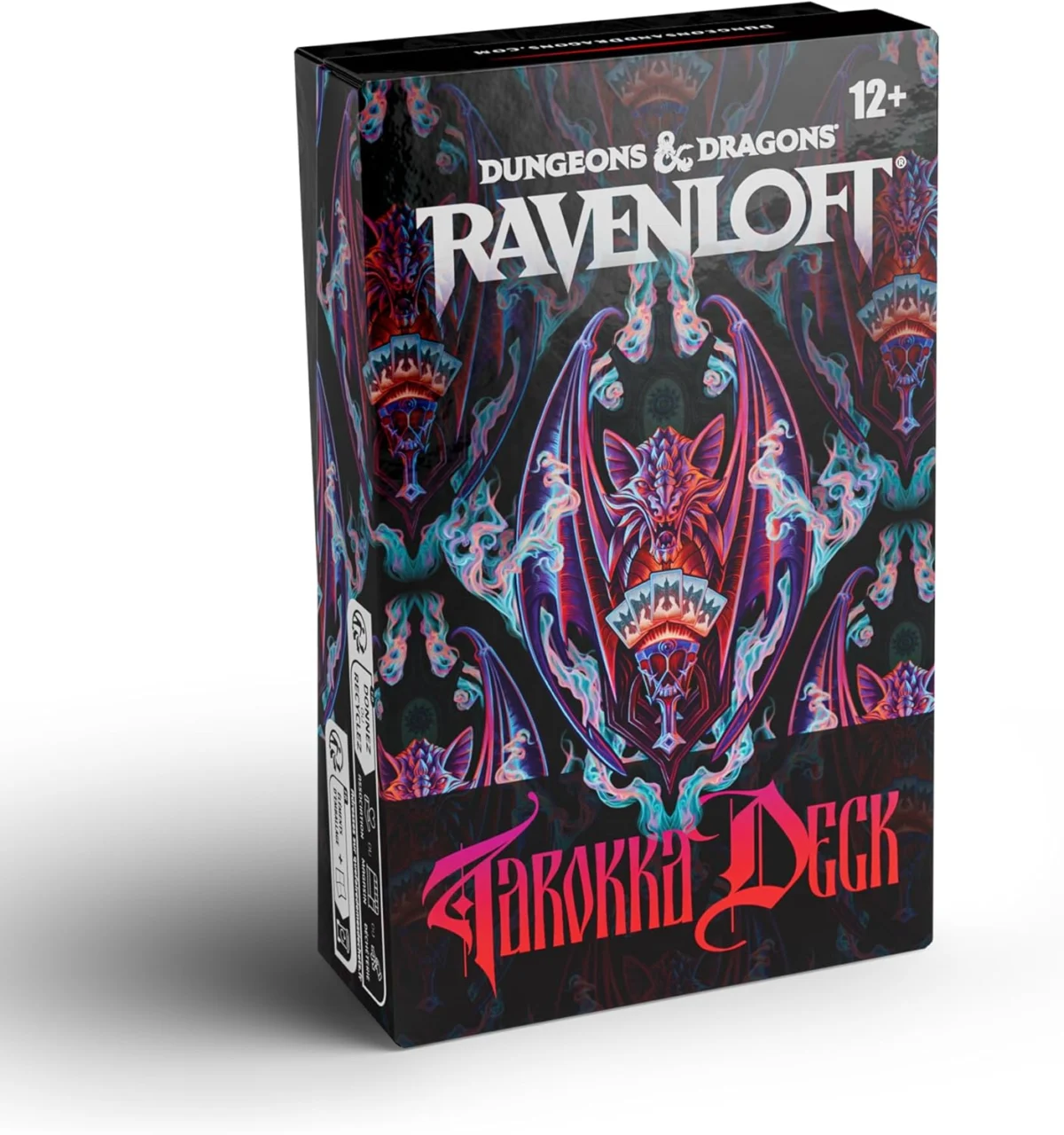
A unique and deeply atmospheric accessory for any Ravenloft adventure, particularly Curse of Strahd, is the Tarokka Deck. This mystical, fully illustrated deck draws inspiration from real-world tarot cards, serving both as a narrative device and a powerful immersive prop. Its artistic design is strikingly beautiful and unique, making it a compelling item for collectors and players alike.

In the context of the Curse of Strahd adventure, the Tarokka deck plays a pivotal role. A fortune-teller, typically the enigmatic Madam Eva, uses the deck to perform a reading that determines the locations of key artifacts, the identity of a vital ally, and the ultimate resting place of Strahd himself. This randomized element ensures that each playthrough of Curse of Strahd is unique, making the campaign highly replayable and keeping players on their toes. The act of drawing and interpreting the cards adds a layer of mysticism and anticipation, directly engaging players in the unfolding narrative.
Beyond its specific role in Curse of Strahd, DMs can utilize the Tarokka deck in myriad ways to enhance any horror campaign. It can be used to divine insights for characters, offering cryptic clues or foreshadowing future events. DMs can also hand out individual cards as physical props, representing hints, tips, or even magical boons. The tactile nature of the deck, combined with its evocative artwork, significantly boosts the atmosphere of the game. It can be used for generating random plot twists, character motivations, or even creating entirely new micro-Domains of Dread on the fly, making it a versatile tool for any DM looking to inject a little more fate and dread into their game. Will players be blessed with good fortune, or besieged with darkness and dread? The Tarokka deck holds the answers.
Stories Beyond the Tabletop: Ravenloft: Heir of Strahd
The world of Dungeons & Dragons extends far beyond the tabletop, permeating through novels, comics, and other media that expand the lore and offer different perspectives on beloved settings and characters. Ravenloft: Heir of Strahd, a novel by acclaimed author Delilah S. Dawson, offers a compelling narrative that plunges readers directly into the heart of Barovia’s dread.
The novel introduces five strangers—Rotrog, an orcish wizard; Chivarion, a drow barbarian; Alishai, a tiefling paladin; Kah, a kenku cleric; and Fielle, a human artificer—who awaken in the mist-shrouded land of Barovia with no memory of how they arrived. This classic "strangers in a strange land" trope immediately sets a tone of mystery and vulnerability. Their predicament deepens when a carriage arrives, bearing a personal invitation from none other than Strahd von Zarovich himself, bidding them to dine at Castle Ravenloft.
Dawson masterfully crafts a tale of survival, identity, and the insidious nature of Barovia. The adventurers are forced to confront not only the twisted enigmas of Strahd and his haunted home but also the dark secrets within their own hearts. The novel explores themes of camaraderie, trust, and the struggle to maintain one’s humanity in a realm designed to strip it away. As the strangers grapple with their amnesia and the horrors of Castle Ravenloft, they must forge a bond from their disparate personalities to survive.

For DMs and players, Heir of Strahd serves as an excellent source of inspiration. It provides a deeper understanding of Barovia’s atmosphere, the psychology of its inhabitants (including Strahd), and the kind of personal struggles adventurers might face. Reading such a novel can spark ideas for new campaign hooks, character arcs, and atmospheric descriptions, enriching the tabletop experience by immersing readers in the lore outside of game sessions. It highlights the power of Ravenloft’s narrative potential, proving that the Mists can claim anyone, and that the true horror often lies within.
The Craft of Fear: Design Philosophy and Official Intent
The concerted release and spotlight on these Ravenloft products underscore a significant commitment from Wizards of the Coast to diversify the D&D experience beyond traditional heroic fantasy. The design philosophy behind this suite of tools is clear: to provide DMs with every conceivable resource to run truly effective and immersive horror campaigns, and to empower players to engage with the genre in meaningful ways.
The intentional development of dedicated horror mechanics in The Horrors Within, such as specific subclasses and rules for fear, reflects a desire to move beyond superficial horror elements. It’s about mechanically reinforcing the narrative of dread, ensuring that the rules themselves contribute to the unsettling atmosphere. The emphasis on diverse "Domains of Dread" and customizable Darklords speaks to a recognition of the broad appeal of horror, allowing DMs to explore everything from classic gothic tales to more modern, psychological thrillers.
The inclusion of physical accessories like the map pack, DM screen, minis, and Tarokka deck demonstrates an understanding of the multi-sensory nature of tabletop gaming. These aren’t just digital files; they are tangible items that enhance visual, tactile, and even auditory (through the shuffling of cards) immersion. They serve to lower the barrier to entry for DMs who might be new to running horror, providing ready-made assets that immediately elevate the game’s production value and atmosphere.
Ultimately, Wizards of the Coast’s intent is to solidify D&D’s position as a versatile platform capable of supporting a wide array of storytelling genres. By providing such comprehensive support for Ravenloft, they are encouraging DMs to experiment with tone, challenge their players in new ways, and explore the darker, more unsettling corners of their imaginations.

The Enduring Mists: Implications for the D&D Community
The comprehensive array of Ravenloft products carries significant implications for the broader D&D community. Firstly, it democratizes horror. Running a truly scary D&D game can be challenging, requiring a delicate balance of atmosphere, pacing, and player interaction. These products, particularly The Horrors Within, provide invaluable guidance and ready-to-use mechanics that empower DMs of all experience levels to craft compelling horror narratives. This lowers the barrier to entry for new DMs interested in the genre and provides veterans with fresh tools and inspiration.
Secondly, it fosters new avenues for player engagement. With horror-themed subclasses and backgrounds, players are given more direct agency in shaping their character’s relationship with fear. This allows for deeper role-playing opportunities, as characters grapple with personal demons, sanity-straining events, and moral dilemmas unique to the horror genre. The tactical elements provided by the map pack and miniatures also make horror encounters more visceral and engaging, transforming abstract threats into concrete challenges.
Thirdly, this strong emphasis on Ravenloft reinforces D&D’s evolution as a dynamic storytelling platform. While high fantasy remains its core, the success of Curse of Strahd and the continued investment in Ravenloft demonstrate that the game can effectively support and deliver diverse genres. This encourages DMs and players to think beyond traditional dungeon crawls, opening doors to more narrative-driven, emotionally resonant, and thematically rich campaigns.
Finally, the release of these products is likely to spark renewed discussion, homebrew content creation, and actual play streams focused on horror D&D. It provides a common language and a shared toolkit for the community to explore and expand upon the themes of dread and survival. The future of horror in D&D looks brighter and more terrifying than ever, with Ravenloft firmly established as the definitive setting for exploring the darkest corners of the imagination.
In conclusion, the suite of Ravenloft products – from the foundational sourcebook The Horrors Within to the immersive map pack, the practical DM screen, the evocative Curse of Strahd minis, the prophetic Tarokka deck, and the lore-expanding Heir of Strahd novel – represents a complete ecosystem for delivering unparalleled horror experiences in Dungeons & Dragons. They are more than just accessories; they are gateways to worlds of dread, empowering DMs to weave tales that genuinely scare their players and leave an indelible mark on their imaginations. As the Mists continue to swirl, Ravenloft beckons, promising nightmares that adventurers won’t soon forget.


Leave a Comment