The Great British Shake-Up: Inside the High-Stakes Talks to Unite the BBC and Channel 4
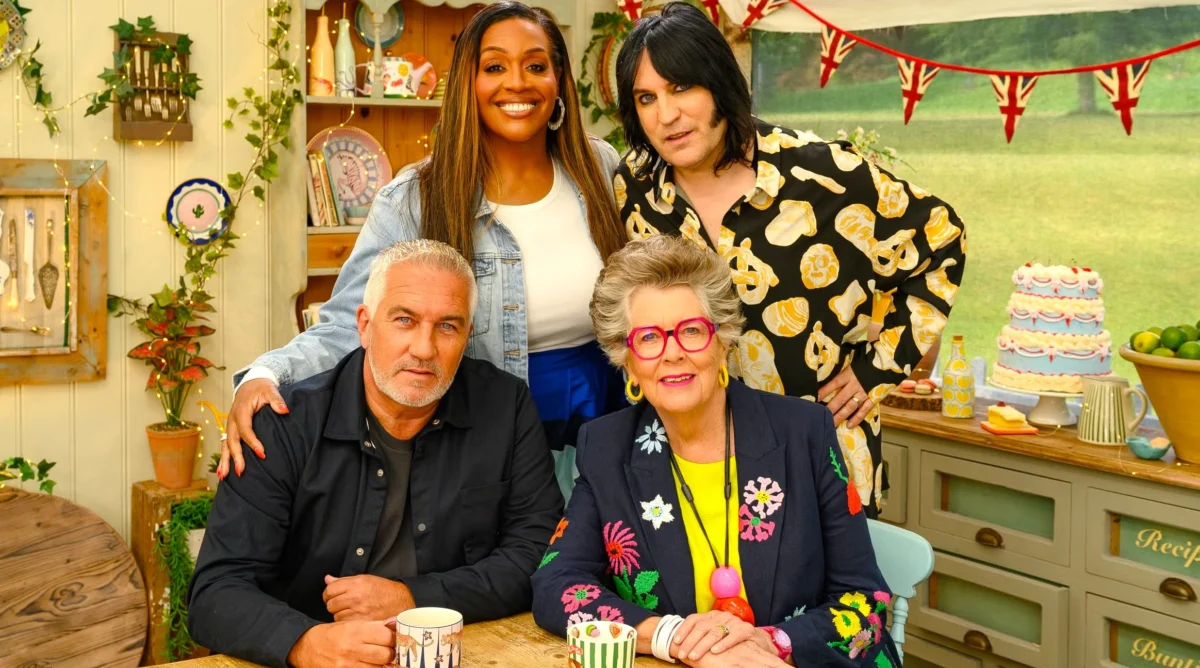
The iconic white marquee of The Great British Bake Off has long served as a metaphor for the state of British broadcasting: wholesome, fiercely competitive, and occasionally prone to a "soggy bottom" when the heat of the commercial kitchen becomes too intense. Now, in a move that could fundamentally redraw the map of the United Kingdom’s media landscape, the BBC and Channel 4 are engaged in high-level discussions that could see the nation’s favorite baking competition—and the rest of Channel 4’s premium library—return to a BBC-owned platform.
The revelation, delivered by BBC Director General Matt Brittin during a high-stakes testimony before the UK Parliament’s Culture, Media and Sport Committee, signals a tactical retreat from decades of rivalry in favor of a "united front" against global streaming giants. As Sky and ITV move toward a historic merger, the British Public Service Broadcasting (PSB) ecosystem is facing an existential crisis that may only be solved through radical collaboration.
Main Facts: A Digital Homecoming for the ‘Bake Off’
The core of the current discourse revolves around a proposed streaming partnership. Matt Brittin confirmed that the BBC has been approached by Channel 4 to explore hosting the latter’s content on iPlayer. This would represent a seismic shift in how British audiences consume domestic television.
Under the proposed framework, Channel 4’s programming—ranging from Gogglebox and Hollyoaks to The Great British Bake Off—would be accessible via the BBC iPlayer interface. Crucially, Brittin noted that this content would likely remain ad-funded, creating a hybrid model within the traditionally ad-free iPlayer environment.
The motivation for this alliance is "scale." In the digital age, the size of a platform’s library and its user data are the primary currencies of survival. Brittin, a former Google executive, was blunt in his assessment of the current market: Channel 4, despite its cultural prestige, is "subscale." With Sky’s proposed acquisition of ITV’s network and streaming units, the UK market is consolidating into a "land of giants," leaving smaller, independent broadcasters like Channel 4 vulnerable to being marginalized by algorithms and massive content budgets.
Chronology: From ‘Bake Off’ Defection to the Consolidation Crisis
To understand the weight of these talks, one must look back at the fractured history of the two broadcasters.
2010–2016: The BBC Era
The Great British Bake Off launched on BBC Two in 2010, eventually moving to BBC One as it became a national phenomenon. It represented the pinnacle of the BBC’s ability to nurture niche concepts into global brands. However, the relationship soured in 2016 when the show’s producer, Love Productions, sought a higher licensing fee that the BBC, constrained by the license fee freeze, refused to pay.
2017: The Great Defection
In a move that sparked national outrage and parliamentary debate, Channel 4 "poached" the series in a three-year deal worth an estimated £75 million. The move was seen as a predatory strike by the commercially funded Channel 4 against its public-sector sibling.
2020–2023: The Streaming Wars Intensify
While Bake Off thrived on Channel 4, the broader landscape shifted. Netflix, Disney+, and Amazon Prime Video began spending billions on UK-produced content, driving up production costs. The BBC’s iPlayer and Channel 4’s streaming service (formerly All4) performed well, but remained siloed, forcing viewers to jump between apps.
2024–2025: The Merger Catalyst
The announcement of Sky’s proposed takeover of ITV changed the calculus. This merger would unite the UK’s largest pay-TV provider with its largest commercial broadcaster. Furthermore, the revelation that Sky would acquire Love Productions (the maker of Bake Off) as part of the ITV deal added a layer of irony: the show is now effectively owned by the very entity merging with Channel 4’s biggest commercial rival.
Supporting Data: The Math of "Subscale" Broadcasting
The push for a BBC-Channel 4 alliance is driven by cold, hard data regarding audience reach and advertising revenue.
- The Scale Gap: Netflix spends approximately $17 billion annually on content. By comparison, the BBC’s total content spend hovers around £2.3 billion ($2.9 billion), and Channel 4’s is roughly £700 million ($880 million). Combined, they still represent a fraction of a single global streamer’s budget, but a unified platform would allow them to pool marketing resources and data analytics.
- The Youth Demographic: Channel 4 has historically held the "crown" for reaching 16-34-year-olds, a demographic that the BBC has struggled to retain. However, data from Ofcom shows that linear viewing among this group has plummeted by over 60% in the last decade. By placing Channel 4 content on iPlayer—the UK’s most-used broadcaster VOD (Video On Demand) service—both entities stand to recapture young audiences who prefer "one-stop-shop" streaming interfaces.
- Ad-Revenue Shifts: As ITV and Sky merge, their combined ad-sales house will become a dominant force in the UK. Channel 4, which relies entirely on advertising, faces the prospect of being "squeezed" out of premium ad buys. Integrating into iPlayer could provide Channel 4 with the "eyeballs" necessary to maintain its premium ad rates.
Official Responses: Protectionism vs. Pragmatism
The proposal has met with a mix of cautious optimism and fierce institutional protectionism.
Priya Dogra, CEO of Channel 4:
In her recent remarks at the Creative Cities Convention, Dogra was careful to distinguish between "partnership" and "merger." While she acknowledged the need for a closer relationship with the BBC, she "bristled" at any suggestion of a full corporate union. "There are no mergers. There are only acquisitions," Dogra stated. Her primary concern remains the "editorial voice" of Channel 4. She argued that being subsumed into the BBC would destroy the "alternative" spirit of the broadcaster, which is mandated by law to take risks and represent underrepresented voices.
Wayne Garvie, President of Sony Pictures Television:
Garvie has taken a more radical stance, advocating for a "de facto" merger. He suggested that Channel 4 could become the "commercial arm" of the BBC, managing BBC Studios and the corporation’s commercial interests. Garvie’s view is that the current separation is a "relic of the 20th century" that the UK can no longer afford if it wishes to protect its creative economy.
The UK Government and Regulators:
The Department for Culture, Media and Sport (DCMS) has tasked the Competition & Markets Authority (CMA) and Ofcom to review the impact of industry consolidation. While the government has historically fanned the flames of a Channel 4 sale, the current focus has shifted toward "sustainability." Regulators are now weighing whether a BBC-Channel 4 streaming alliance would constitute an unfair monopoly in the UK advertising market or if it is a necessary defense against Silicon Valley.
Implications: A New Era for British Public Service Media
The potential integration of Channel 4 into the BBC iPlayer ecosystem carries profound implications for the future of the British media.
1. The End of the "App Fatigue"
For the consumer, the benefits are clear. A unified "British Player" would solve the fragmentation that has plagued UK broadcasting. If a viewer can find Happy Valley (BBC) alongside The Traitors (BBC) and Bake Off (Channel 4) in a single interface, the "friction" of switching apps is removed. This is the only way for domestic broadcasters to compete with the seamless user experience of Netflix.
2. The Identity Crisis of the BBC
Hosting ads on iPlayer—even if only on Channel 4 content—is a move fraught with danger for the BBC. The corporation’s primary defense of the license fee is its ad-free nature. Introducing a commercial tier via a partner could be seen as the "thin end of the wedge," leading to future calls for the BBC itself to be ad-funded.
3. The "Indie" Economy
Channel 4 is a "publisher-broadcaster," meaning it owns no in-house production studios and commissions everything from independent producers. The UK’s "indie" sector is a global powerhouse, but it relies on the diversity of commissioners. If the BBC and Channel 4 align too closely, there is a fear that the number of "doors to knock on" for producers will decrease, leading to a less diverse and more risk-averse creative culture.
4. The Fate of ‘Bake Off’
As Sky and ITV merge, the ownership of Bake Off producer Love Productions by a direct competitor to Channel 4 creates a bizarre conflict of interest. A BBC-Channel 4 alliance on iPlayer might be the only way to ensure the show remains "free-to-air" in the long term. If Channel 4’s finances weaken further, the show could easily migrate to a pay-walled Sky service.
Conclusion
The talks between the BBC and Channel 4 represent a "glass break" moment for British television. What began as a dispute over a tent and some sponge cakes in 2017 has evolved into a battle for the survival of the public service broadcasting model.
As Matt Brittin told Parliament, the goal is to explore this partnership "as quickly as we are able." In a world where the "megaphones" of media are owned by global tech giants and massive merged conglomerates, the BBC and Channel 4 may find that their old rivalries are a luxury they can no longer afford. The "Great British Bake Off" may indeed be coming home—not to a channel, but to a unified digital platform that represents the last stand of British media sovereignty.