Reclaiming Humanity in the Algorithmic Age: A Call for Authentic Creativity
[Image: hand-reaching-from-phone-screen-in-a-maze-of-information-9HdB7cldZ4k – drowning online by Yusuf Saibani (detail)]
In an era increasingly defined by digital demands and the relentless churn of algorithms, the pursuit of genuine human experience and authentic creation has become a quiet act of defiance. For many, particularly those navigating the demanding landscape of creative work and complex personal lives, the pressure to optimize every moment, to "out-machine the machines," often leads to profound exhaustion and a sense of disconnection. Yet, amidst this digital deluge, a subtle counter-movement is emerging: a conscious retreat to the tangible, the imperfect, and the deeply human.
Consider the seemingly simple act of a writer, a homeschooling parent to a large family, including a child with complex needs, taking a brief respite from the ceaseless demands of her schedule. On a recent Saturday morning, instead of converting an hour and a half of waiting time into another work session, she chose a different path. She visited a local spice store, drawn by its aromatic embrace, discovering whole green cardamom pods, dried ginger slices, and ground cumin. Her journey continued to a wild bird store, fulfilling a long-deferred intention to purchase a new feeder and seed. This forty-five-minute interlude, initially feeling "scandalous" in its perceived unproductivity, represented a crucial recalibration – a deliberate pivot from the digital grind to the sensory richness of the real world. This personal vignette, while specific, mirrors a broader sentiment of yearning for authenticity that resonates across the creative community and beyond.
[Image: green-and-brown-plant-on-brown-clay-pot-xWLgCy2JpWo – bowls of spices Ameya Purohit]

The Relentless Pace of Modern Creativity: Navigating Algorithmic Pressures and Burnout
The creative industries, once seen as havens for individual expression, have transformed into intensely competitive ecosystems driven by quantifiable metrics and the insatiable appetite of digital platforms. Writers, artists, and creators of all stripes find themselves on what many describe as a "hamster wheel," perpetually striving to keep pace with algorithmic shifts and consumer expectations. This relentless push for output and visibility often comes at a steep personal cost.
The Algorithmic Imperative and Creator Burnout
The contemporary creative landscape is dominated by algorithms – intricate codes that dictate visibility, audience reach, and ultimately, income. For authors, this often translates into a constant battle to understand and appease platforms like Amazon, which rewards rapid, frequent publication, pushing writers to produce more books at an ever-accelerating pace. Similarly, social media platforms like Instagram frequently alter their algorithms, forcing creators to continually adapt their strategies, often at the expense of genuine connection and creative integrity. This constant optimization cycle, coupled with the inherent demands of creative work, often leads to severe burnout.
The individual experiences of creators underscore this systemic pressure. The writer in our opening anecdote, for instance, juggles her writing career with the profound responsibilities of homeschooling a large family, including a daughter with Down Syndrome and autoimmune conditions that disrupt sleep. Her work often spills into the middle of the night, during meals, and in snatched moments while waiting for children. This fragmented, pervasive work pattern is not an anomaly but a common reality for many contemporary creatives, particularly those from marginalized groups or with significant caregiving responsibilities. The expectation of constant availability and output clashes with the organic, often unpredictable, rhythm of human life and creative incubation.
The Historical Burden of Artistic Endeavor
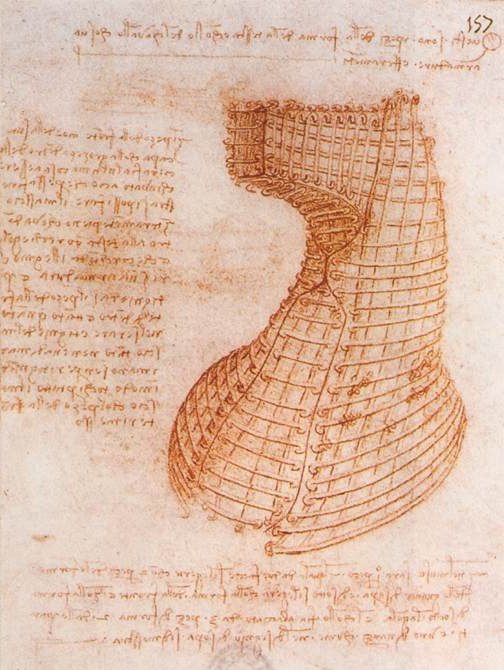
While the current digital pressures feel unprecedented, the challenges faced by artists are, in some respects, historically familiar. The struggle for recognition, resources, and the sheer persistence required to bring a vision to life has always been a fundamental aspect of artistic pursuit. The legendary Leonardo da Vinci, for example, dedicated a decade to meticulously designing and attempting to cast a colossal bronze horse for the Duke of Milan. His monumental effort, however, met a tragic end: the bronze was melted down for cannons by invading French forces, and his clay model became target practice for archers. Even beyond such devastating setbacks, Leonardo famously endured the sharp critiques and insults of his contemporary, Michelangelo.

[Image: Leonardo_da_vinci,_Double_manuscript_page_on_the_Sforza_monument.jpg – manuscript page on the Sforza monument by Leonardo da Vinci (detail)]
Such historical anecdotes serve as a sobering reminder that the path of the artist has rarely been smooth. Yet, the current predicament introduces a novel layer of anxiety: the threat of one’s creative output being devalued, imitated, or directly "stolen" by machines to generate "AI slop," as one creator eloquently put it. This new dimension of existential threat, combined with the relentless pace of modern life and the pervasive sleep deprivation common among overwhelmed individuals, makes succumbing to despair an understandable, albeit unwelcome, response.
The AI Tsunami and the Quest for Authenticity
The advent of advanced artificial intelligence has unleashed a new wave of anxieties across creative fields. The capacity of AI to generate text, images, and even music, often by drawing upon vast datasets of existing human-created work, poses fundamental questions about originality, copyright, and the very definition of creativity.
AI’s Shadow Over Originality
The ease with which AI can mimic human style and produce content raises concerns about the devaluation of authentic human labor. Artists worry that their unique voices and hard-won skills could be rendered redundant or, worse, that their distinct styles could be absorbed and reproduced without attribution or compensation. The ethical implications of AI training on copyrighted material without consent remain a contentious issue, fueling a sense of injustice and violation among creators. The fear is not just of competition, but of a fundamental shift in the value chain of creative work, where the human origin of art becomes secondary to its machine-generated replication.
Typos as a Badge of Honor: Reclaiming Humanity in Writing
Yet, amidst this gloom, glimmers of light are beginning to emerge, not from technological advancements, but from a renewed focus on human ingenuity and resilience. A burgeoning sentiment suggests that if it’s impossible to "beat" the machines at their own game of perfect, optimized output, then perhaps the strategy should be to stop playing that game altogether.
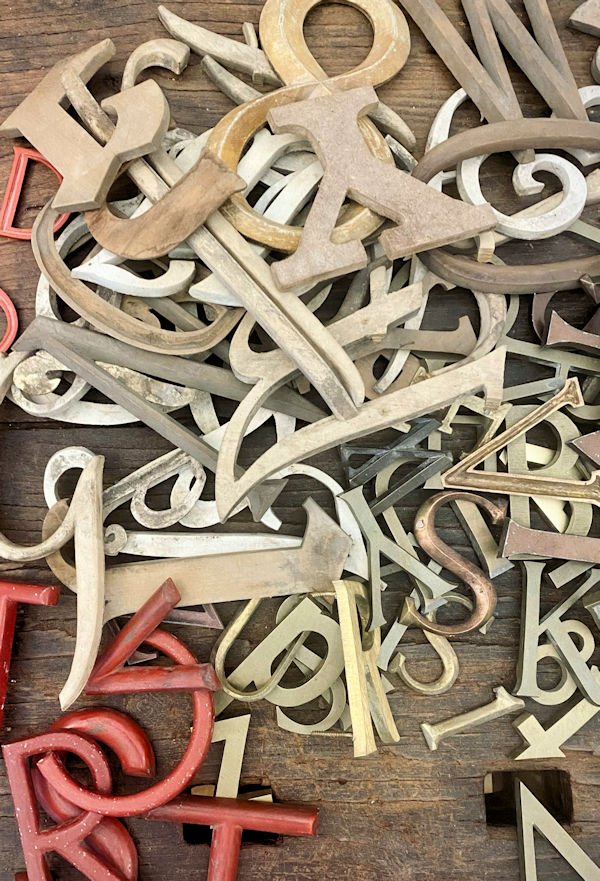
One particularly ironic and telling trend highlights this shift: the idea that typos have become an unexpected indicator of human authorship. For years, independent writers meticulously strived to eradicate every grammatical error and typo, fearing judgment and a perception of unprofessionalism. Now, the very imperfections that were once viewed as weaknesses are being re-evaluated as potential markers of authenticity. This humorous, almost rebellious, stance suggests a growing desire to embrace the inherent quirks, individuality, and even flaws that characterize human creation. It signals a rejection of the sterile perfection often associated with AI-generated content in favor of the raw, personal, and emotional depth that only a human can convey. Human writing, in this emerging paradigm, is celebrated for being idiosyncratic, surprising, and profoundly interesting precisely because of its imperfect, personal touch.
[Image: a-wooden-table-topped-with-lots-of-different-types-of-scissors-e9cjFYm0X7c – jumbled letters by Arno Senoner (detail)]
The Enduring Power of Human Stories
In the face of technological disruption and personal exhaustion, it is often human stories that provide the strongest anchor, pulling creators and consumers alike back from the brink of despondency. For writers, the fight to tell their own stories is fueled by an intrinsic love for narrative, even if it means enduring the relentless "hamster wheel" of modern publishing. This deeply ingrained need to create and connect through storytelling is a testament to its fundamental role in human experience.
A Sanctuary in Narrative: Why Human Tales Prevail
Stories offer a unique sanctuary—a space for empathy, reflection, and understanding. They allow us to explore the complexities of existence, to grapple with universal emotions, and to find common ground in shared human experiences. In a world increasingly saturated with algorithmically optimized content designed to capture attention, human-crafted narratives provide depth, nuance, and genuine emotional resonance. These are the qualities that machines, despite their advanced capabilities, struggle to replicate authentically. The connection formed between a reader and a story born from another human mind remains a powerful, irreplaceable bond. These narratives, often infused with heart, grace, and profound depth, celebrate the very condition of being human—not just the triumphs, but also the struggles, the grief, the hope, and the messy, beautiful reality of existence.
Curated Narratives: A Glimpse into the Human Spirit
To illustrate the enduring power of human-centric storytelling, a selection of narratives stands out for their ability to illuminate the human condition with compassion and encouragement. These books, ranging from cozy fantasy to philosophical fiction, offer fictional encouragement, serving as reminders of resilience, connection, and the multifaceted nature of humanity.
Jester by Tim Carter: The Underdog’s Compassion
[Image: Jester-cover.jpg – Jester (cover)]
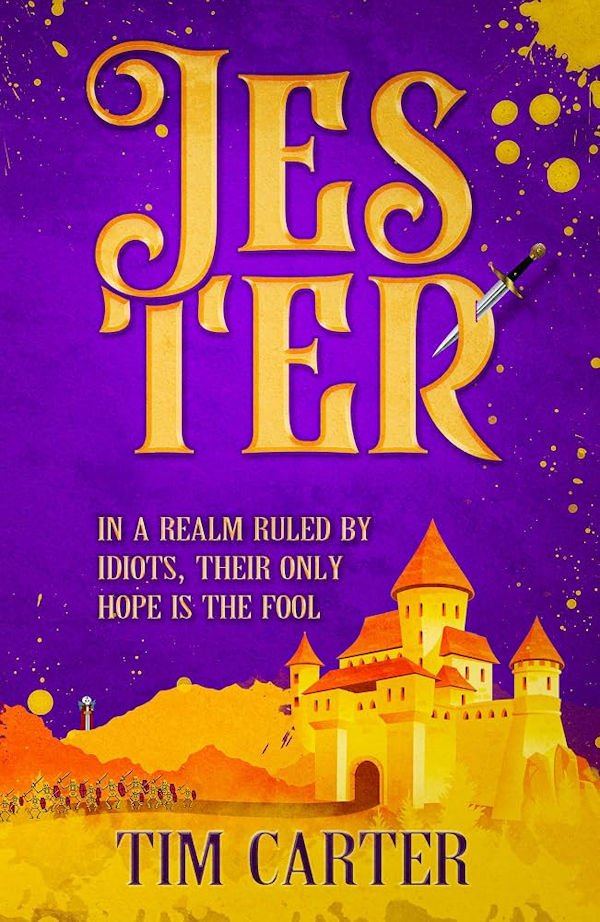
Tim Carter’s Jester, a recently acclaimed SPFBO Finalist, is a compelling example of a narrative that champions the underdog with remarkable heart and wit. The story follows Shelly, a goblin who, against all odds, rises from the ignominy of latrine servitude through a blend of fortune, sharp intellect, courage, and an unexpected capacity for compassion. In a genre often populated by morally ambiguous characters and grim realities, Shelly’s journey as a protagonist striving to do what is right in terrifying and often unsavory circumstances provides a refreshing and deeply needed narrative of ethical perseverance. Its fast-paced plot and memorable characters solidify its place as a story that resonates long after the final page, embodying the spirit of hope and resilience in the face of adversity.
The Tarot Sequence series by K. D. Edwards: Found Family and Unbreakable Bonds
[Image: The-Tarot-Sequence-banner.jpg – The Tarot Sequence (banner)]
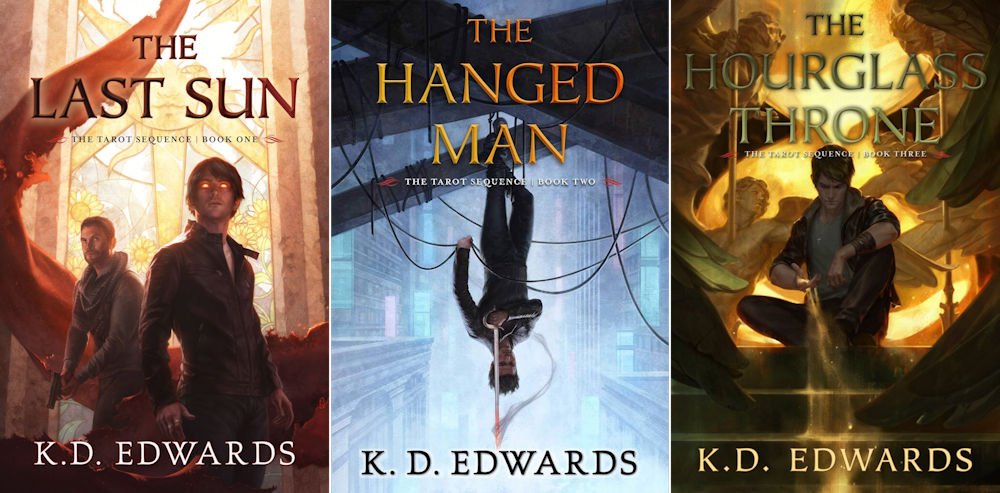
K. D. Edwards’ The Tarot Sequence series has garnered a dedicated following, frequently appearing on "all-time favorites" lists for its intricate world-building and, more significantly, its profound exploration of found family. The heart of these urban fantasy novels lies in the unwavering bond between Rune and Brand, a protagonist and his bonded companion/bodyguard since toddlerhood. Their relationship, tested by myriad magical and personal challenges, forms the bedrock of a burgeoning family of misfits. The series excels at depicting the strength derived from chosen connections, illustrating how individuals can forge powerful, supportive networks in a world that often seeks to isolate them. Readers are drawn to the comforting familiarity of Rune and Brand’s dynamic, finding solace and joy in their shared journey and the palpable sense of belonging they cultivate.
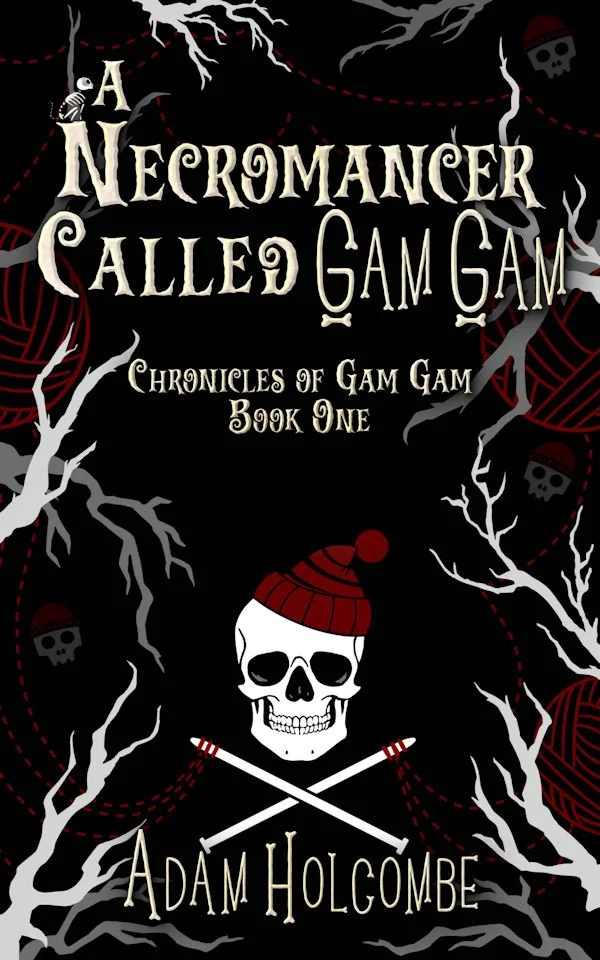
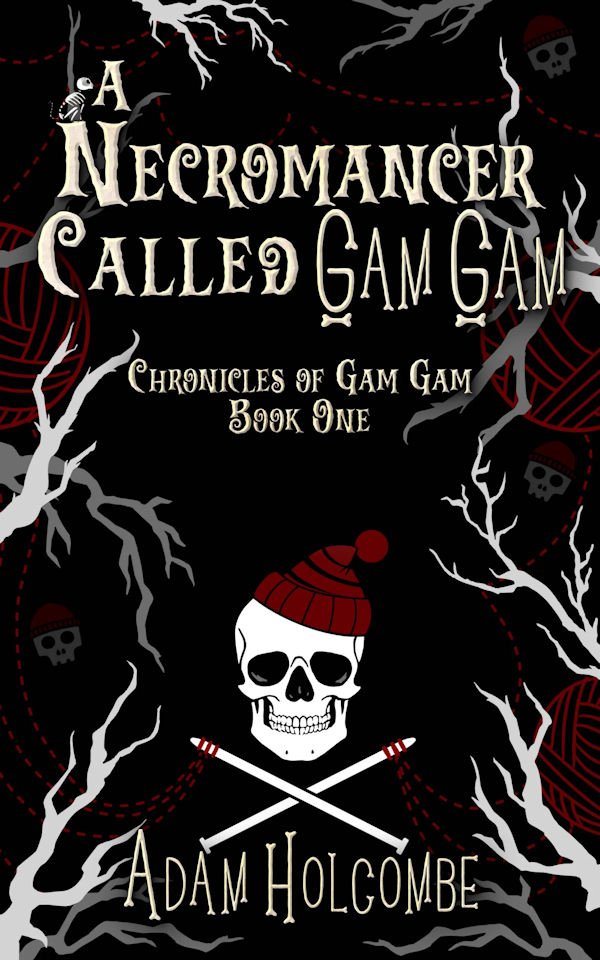
A Necromancer Called Gam-Gam by Adam Holcombe: Grief, Healing, and Grim-Cozy Humanity
[Image: A-Necromancer-Called-Gam-Gam-cover.jpg – A Necromancer Called Gam Gam (cover)]
Adam Holcombe’s novella, A Necromancer Called Gam-Gam, offers a unique and deeply affecting perspective on themes typically associated with horror. While set in a "grim-cozy" world where dark events have transpired, the narrative deftly pivots from conventional fear-mongering to an exploration of love, grief, and the process of healing. Gam-Gam, the titular necromancer, defies genre expectations, using her unique abilities not for malevolence, but to mend emotional wounds. The story is a poignant celebration of human experience in its entirety, embracing not only positive emotions but also the more challenging aspects of sorrow and loss, demonstrating how even the darkest arts can be wielded with profound compassion. The charm of Gam-Gam’s knitted mittens and her skeletal cat, Nugget, further imbues the story with a comforting, quirky humanity.
Vita Nostra by Marina and Sergey Dyachenko: Navigating Inhuman Systems with Human Spirit
[Image: Vita-Nostra-cover.jpg – Vita Nostra (cover)]
Vita Nostra, by the Ukrainian writing team Marina and Sergey Dyachenko (with Sergey’s passing in 2022 adding a layer of poignant reflection on their collective legacy), stands as a masterpiece of philosophical fantasy. Widely recognized as their most famous work in the English-speaking world, it is a story of unparalleled strangeness and emotional depth. The protagonist, Sasha, is ensnared in a bizarre and perilous magic school where academic failure has dire consequences for her loved ones in the real world. Describing Vita Nostra is a challenge; its magic system, intertwined with grammar and existential philosophy, defies easy categorization. At its core, however, it is a profound coming-of-age narrative about a young woman’s desperate struggle to retain her humanity and individuality within the confines of an oppressive, almost inhuman, system. The novel’s intricate exploration of self-discovery and resistance against conformity makes it a powerful testament to the enduring human spirit.
Year of the Reaper by Makiia Lucier: Redemption, Resilience, and Reclaiming Humanity
[Image: Year-of-the-Reaper-cover.jpg – Year of the Reaper (cover)]
Makiia Lucier’s Year of the Reaper, though technically categorized as Young Adult, offers themes and emotional complexity that resonate strongly with adult readers. While the narrative occasionally delves into bleak territory, it is ultimately a story of profound hope and redemption. Cas returns home after enduring a devastating war and plague, having been betrayed and imprisoned, forced to commit terrible acts to survive. His journey is one of learning to be human again—to reconcile with his past, rebuild relationships, and navigate the complex process of forgiveness, both for himself and for those who wronged him. The slow, tender blossoming of romance within the story serves as a crucial counterbalance to the darkness, mirroring Cas’s own internal healing and his gradual re-engagement with life and connection. It is a powerful exploration of resilience and the transformative power of human connection in overcoming trauma.
Implications and a Path Forward: Collective Resilience
The challenges faced by creators in the digital age are significant, but the emerging responses highlight a collective resilience and a renewed commitment to the intrinsic value of human creativity. The shift towards embracing imperfection, prioritizing authentic connection, and celebrating the unique nuances of human experience represents a powerful form of resistance against the homogenizing forces of algorithms and AI.
The Future of Art in a Hybrid World
The future of art and storytelling will likely be a hybrid one, where AI tools might assist in certain aspects of creation, but the ultimate value will reside in the human element—the unique perspective, emotional depth, and individual voice that only a human can bring. This future demands that both creators and consumers actively participate in valuing and distinguishing human-made content. Platforms and publishers, in turn, face increasing pressure to adapt their models to support genuine artistic endeavor rather than merely optimizing for machine-driven metrics.
Collective Resilience: A Call to Action for Creators and Consumers
This evolving landscape calls for a collective effort. For creators, it means finding courage to defy the relentless push for machine-like productivity, to embrace their own unique rhythms, and to infuse their work with unapologetic humanity. For readers and consumers, it means actively seeking out and supporting human-made stories, appreciating the craft and the emotional labor involved, and perhaps even celebrating the occasional typo as a sign of authenticity. In this together, readers and writers form a vital ecosystem that can champion the enduring power of human stories, ensuring that the heart, grace, and depth of our shared experience continue to find expression and resonance in the world.
[Featured image: hand-reaching-from-phone-screen-in-a-maze-of-information-9HdB7cldZ4k by Yusuf Saibani.]