Return to the Prehistoric Playground: Red Art Games Unveils Comprehensive "Joe & Mac Retro Collection" for Modern Consoles
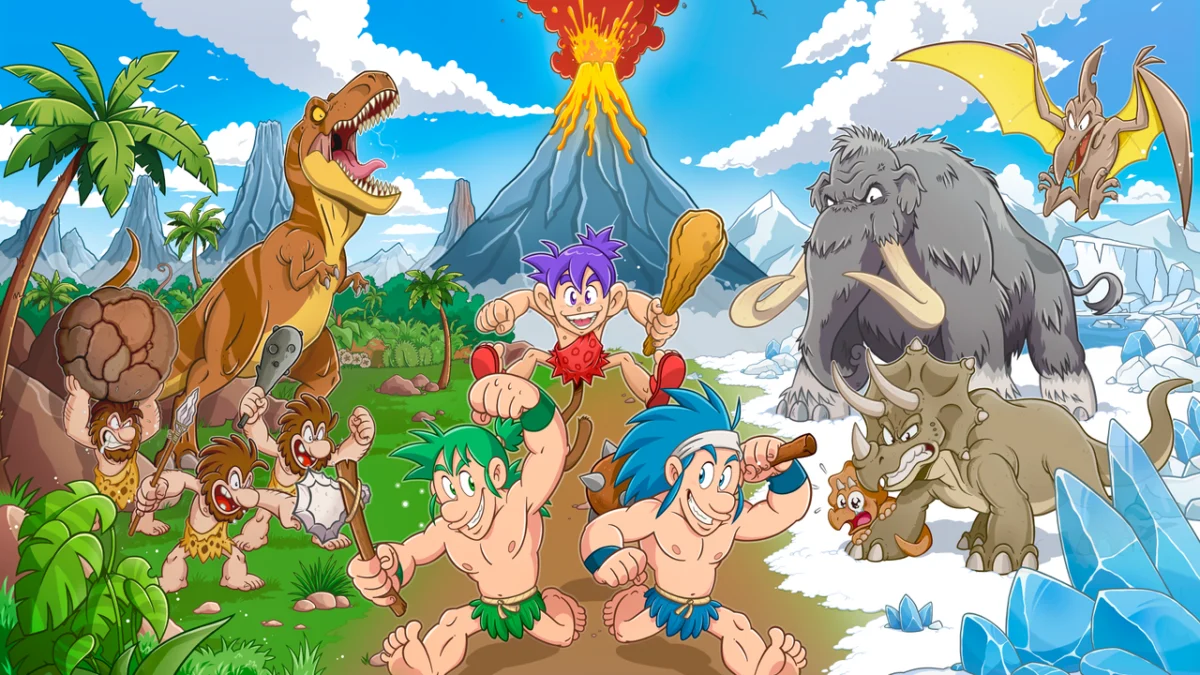
A meticulously crafted compilation of Data East’s beloved prehistoric platformers, the "Joe & Mac Retro Collection" promises to reignite nostalgia for a generation of gamers while introducing a new audience to the charmingly anachronistic world of cavemen, dinosaurs, and wild adventures. Red Art Games, renowned for its dedication to preserving gaming heritage, has not only bundled the iconic Super Nintendo titles but has also infused the collection with a wealth of extras and modern amenities, ensuring an experience that transcends mere emulation.
The announcement of the "Joe & Mac Retro Collection" has sent ripples of excitement through the retro gaming community. This comprehensive package brings together three seminal titles from Data East’s prehistoric saga: Joe & Mac: Caveman Ninja, Congo’s Caper, and Joe & Mac 2: Lost in the Tropics. Originally gracing the Super Nintendo Entertainment System (SNES) between 1991 and 1995, these games represent a golden era of 16-bit gaming, characterized by their vibrant pixel art, engaging gameplay, and a wonderfully bizarre blend of prehistoric settings and cartoonish sensibilities.
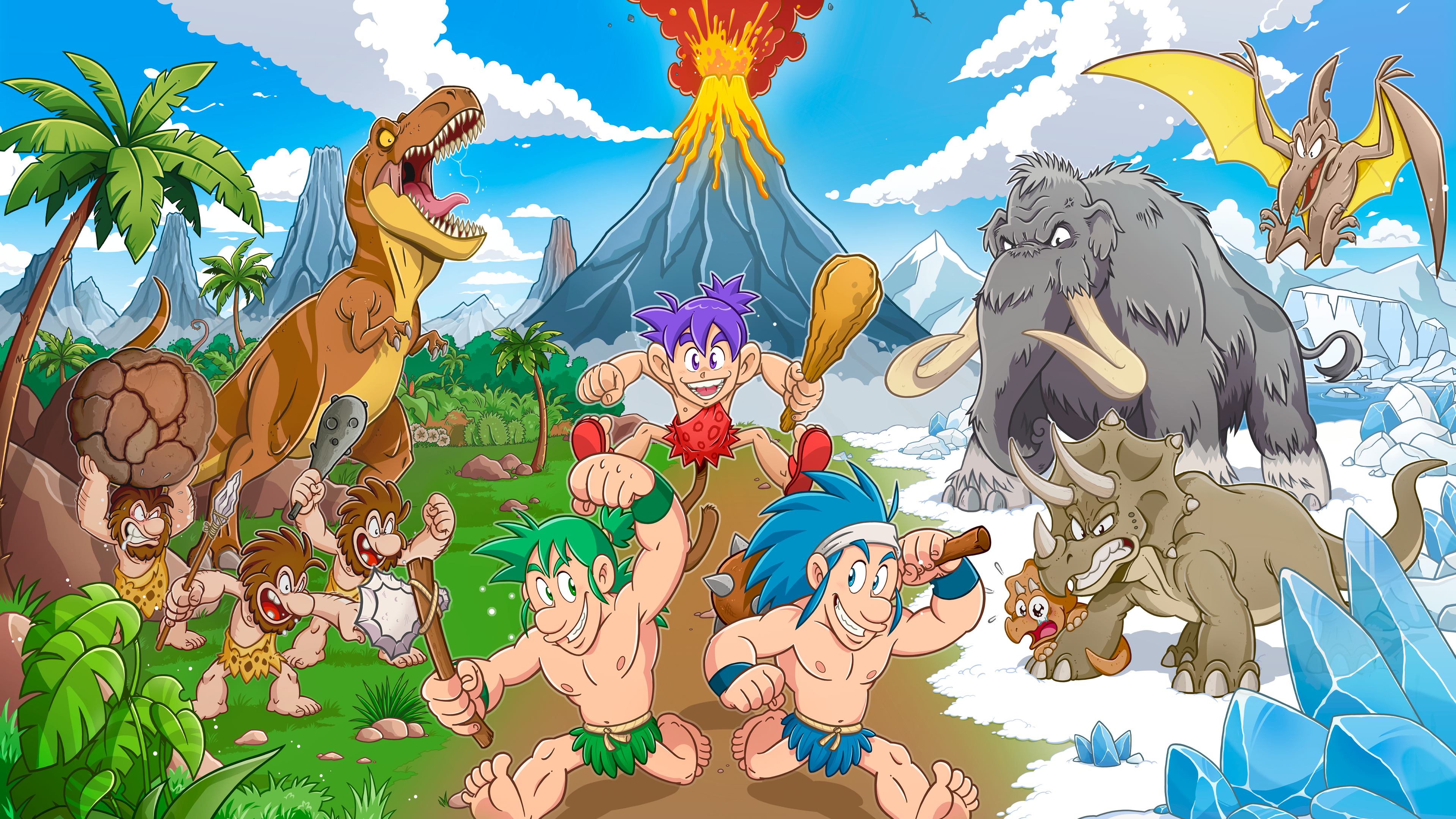
Red Art Games’ approach to this collection goes far beyond a simple port. The publisher has demonstrated a profound understanding of what makes these classic games endure. It’s not just about the gameplay mechanics, which were innovative for their time, but also about the artistic direction, the character design, and the sheer audacious spirit that permeated these titles. In an era often dominated by hyper-realistic graphics and complex narratives, the bold, often goofy character designs, the grinning, toothy dinosaurs, and the wide-eyed prehistoric creatures of the Joe & Mac universe offer a refreshing and enduring appeal.
The Genesis of a Prehistoric Phenomenon: A Look Back at the Original Releases
The journey of Joe and Mac began in 1991 with the arcade release of Caveman Ninja, later adapted for the SNES as Joe & Mac. This initial outing introduced players to the titular cavemen, Joe and Mac, who embarked on a quest to rescue their kidnapped cave-girl companions from a nefarious band of aliens who had plundered their village’s food supply. The game was a hit, lauded for its innovative gameplay mechanics, which included a variety of primitive weapons, the ability to ride dinosaurs, and a surprisingly deep combat system for its time.
Following the success of the first game, Data East continued to explore the prehistoric theme. Congo’s Caper, released in 1992, while not directly featuring Joe and Mac, shared a similar aesthetic and gameplay style, placing players in the role of a chimpanzee who embarks on an adventure to reclaim his stolen girlfriend. This title, while perhaps less well-known than the Joe & Mac series, contributed to Data East’s growing reputation for quirky and engaging platformers.
The saga continued with Joe & Mac 2: Lost in the Tropics, released in 1994 for the SNES. This sequel saw Joe and Mac venturing to a tropical island, facing new challenges and prehistoric foes. The game refined the gameplay of its predecessors, offering more intricate level designs and a greater variety of enemies. These three titles, each with their unique charm and challenges, collectively form a significant chapter in 16-bit gaming history.
The Art of 16-Bit: Enduring Charm and Technical Prowess
The enduring appeal of these 16-bit classics lies in their artistic ingenuity. In an era of limited processing power and graphical constraints, developers were forced to be incredibly creative with their assets. The pixel art of the Joe & Mac games is a testament to this, showcasing how much personality and detail could be conveyed with meticulously crafted sprites.
"There’s a particular charm to 16-bit game art like this that comes from making everything work with very little," states the article. This sentiment resonates deeply with retro gaming enthusiasts. The bold, chunky characters, the exaggerated facial expressions, the vibrant color palettes, and the often-ridiculous creature designs are not merely stylistic choices; they are functional elements that contribute to the game’s readability and immediate appeal. Enemies possess strong, distinct silhouettes, making them easily identifiable even amidst chaotic action. Backgrounds, while suggestive of expansive worlds, avoid becoming an indistinguishable wall of pixels, a common pitfall of earlier graphical styles.
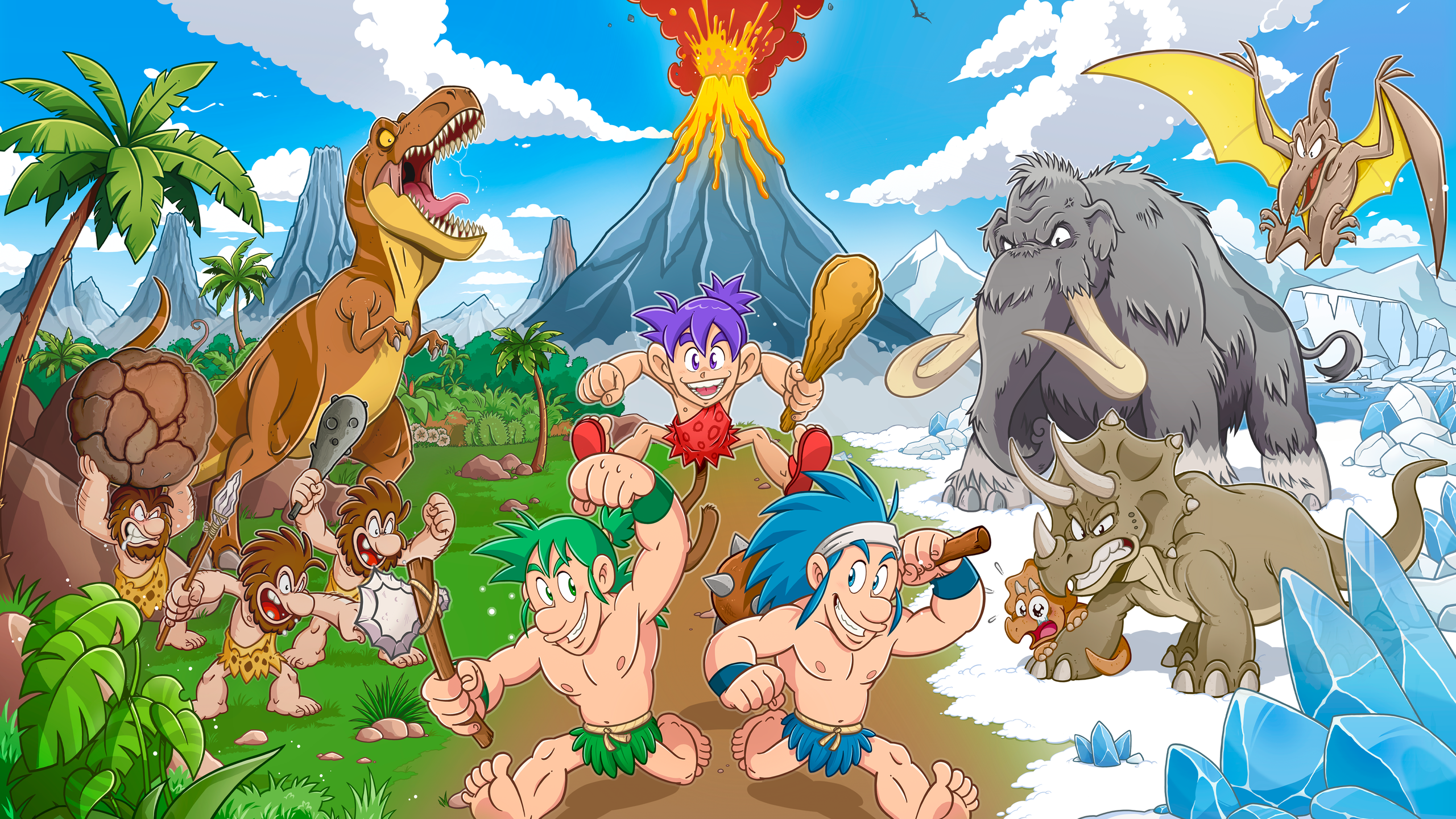
The "Joe & Mac Retro Collection" not only preserves this artistic integrity but also enhances it for modern displays. The collection ensures that these character designs remain readable at a glance, a crucial aspect for engaging gameplay. The visual soup of dinosaurs, cavemen, monsters, and weapons, while seemingly chaotic, coalesces into a cohesive and enjoyable aesthetic that has captivated players for decades. The games lean into a playful, cartoonish interpretation of prehistory, a deliberate departure from any attempt at historical accuracy, which ultimately contributes to their timeless fun.
A Modern Renaissance: Features and Enhancements in the Retro Collection
Red Art Games has gone above and beyond to ensure that the "Joe & Mac Retro Collection" is not just a faithful recreation but a significant upgrade for modern audiences. The collection is designed to be accessible on current-generation consoles, including the Nintendo Switch, Switch 2, PlayStation 5, and Xbox Series X/S, as well as PC via Steam.
One of the most significant additions is the inclusion of the Japanese versions of the games. This includes the uncensored Japanese version of Caveman Ninja, offering a glimpse into the game as it was originally presented in its home market. This commitment to preservation is a hallmark of Red Art Games’ dedication to gaming history.
For those who crave authenticity, the collection offers a CRT filter that mimics the visual experience of playing on an old television set. Coupled with adjustable aspect ratios, players can tailor the presentation to evoke the nostalgia of their original gaming sessions.
Understanding that the original games could be notoriously challenging, the "Joe & Mac Retro Collection" incorporates modern concessions to make the experience more approachable. Features such as save states and a rewind function allow players to mitigate frustrating deaths and progress through the game with less difficulty. This thoughtful inclusion ensures that both seasoned veterans and newcomers can enjoy the games without being excessively punished by their old-school difficulty.
A new "Boss Rush" mode has been added, providing a fresh challenge for players who have already mastered the main games. This mode pits players against a gauntlet of the game’s toughest bosses, testing their skills and endurance.
Furthermore, Joe & Mac and Joe & Mac 2 support two-player co-operative gameplay, allowing friends to team up and tackle the prehistoric challenges together, just as they might have done in the arcades or on their SNES consoles.
The "Virtual Unboxing Experience": Celebrating the Tangible Past
Perhaps one of the most inspired features of the "Joe & Mac Retro Collection" is the "Virtual Unboxing Experience." In an age of digital downloads, this feature harks back to a time when physical media was king and the act of unboxing a new game was a cherished ritual.
This immersive experience allows players to virtually explore digital replicas of the original game boxes, instruction manuals, and cartridges. It’s a celebration of the tactile and tangible aspects of game collecting that have largely faded in the digital era. Red Art Games recognizes that for many, the packaging and accompanying materials were as much a part of the gaming experience as the game itself. This feature not only appeals to nostalgia but also serves as an educational tool, showcasing the artistry and design that went into game packaging of the past.
Physical Editions: A Collector’s Dream
Red Art Games is also offering elaborate physical editions of the "Joe & Mac Retro Collection," catering to the discerning collector. These editions are designed to be as nostalgic and feature-rich as the digital content.
Standard physical editions include reversible covers, posters, stickers, badges, and comprehensive manuals, all designed to evoke the spirit of original game releases. For the ultimate enthusiasts, the "Rock Edition" elevates the collector’s experience further by adding an acrylic stand and a retro-inspired box that is a true homage to classic game packaging. These physical releases are not merely copies of games; they are curated artifacts designed to be displayed and cherished.
Release Details and Pre-Order Information
The "Joe & Mac Retro Collection" is slated for a digital release on October 29th across all announced platforms. Physical editions for the Nintendo Switch and PlayStation 5 are scheduled for an early 2027 release. Interested players can pre-order the collection now through Red Art Games’ official website and other participating retailers.
Implications for the Retro Gaming Landscape
The "Joe & Mac Retro Collection" represents more than just a re-release; it signifies a growing trend in the gaming industry: the careful and passionate curation of classic titles for modern audiences. Publishers like Red Art Games are playing a vital role in preserving gaming history and ensuring that these beloved games are not lost to time.
The success of such collections underscores the enduring appeal of retro gaming. It demonstrates that there is a significant market for well-crafted compilations that go beyond simple ports, offering enhanced features, historical context, and collector-oriented extras. This approach not only satisfies the nostalgia of older gamers but also introduces younger generations to the foundational titles that have shaped the medium.
As technology advances, the importance of these curated collections will only grow. They serve as digital museums, safeguarding the artistic and cultural heritage of video games. The "Joe & Mac Retro Collection," with its meticulous attention to detail and its celebration of both the games and their presentation, stands as a prime example of how to honor the past while embracing the future of gaming. It’s a powerful reminder that the magic of gaming transcends eras, and that sometimes, the simplest pleasures – a caveman, a dinosaur, and a good old-fashioned platforming adventure – are the most timeless.