Sony Revives an 80s Icon: The MDR-3R USB-C Headphones Usher in a New Era of Retro Audio Chic
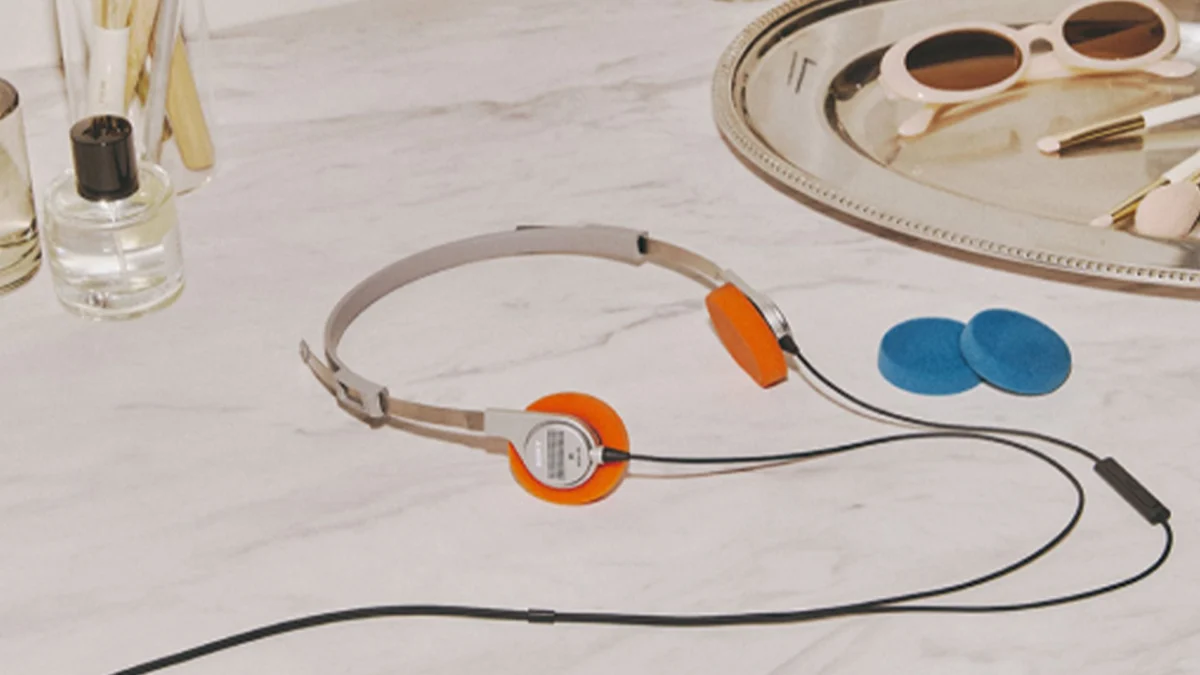
London, UK – [Date] – In a move that’s sending ripples of excitement through the audiophile and retro-tech communities, Sony has brought back a legendary name from the golden age of portable music: the MDR-3 headphones. Reimagined for the modern era as the MDR-3R USB-C Wired Headphones, this revival taps into a burgeoning nostalgia for 80s design and a renewed appreciation for the unadulterated sound quality offered by wired audio. While the initial release has swiftly sold out, the resurgence of this iconic headphone model signals a significant trend in consumer electronics, highlighting the enduring appeal of classic aesthetics coupled with contemporary functionality.
The Echo of an Era: Reintroducing the Legendary MDR-3
For those who lived through the 1980s, the name "Walkman" is synonymous with a revolution in personal entertainment. It was the device that liberated music from the living room, allowing individuals to curate their own soundtracks to life on the go. Yet, no portable music player is complete without its auditory companions. In that era, the Sony MDR-3 headphones stood as the perfect sonic partner to the Walkman, embodying a minimalist yet functional design that prioritized sound fidelity. These headphones, with their distinctive look and reliable performance, became an integral part of the portable audio experience for a generation.
Now, Sony has resurrected this beloved model, not as a direct replica, but as a modernized iteration. The new MDR-3R USB-C Wired Headphones carry the torch of their predecessor, aiming to capture the same spirit of accessible, high-quality personal audio. This revival is particularly poignant in a market increasingly dominated by wireless earbuds, suggesting a conscious decision by Sony to cater to a segment of consumers who value a different approach to listening. The resurgence of the MDR-3R is not merely a nostalgic nod; it is a strategic embrace of a design philosophy and audio experience that, while once commonplace, is now experiencing a remarkable comeback.
A Full Circle Moment: The Resurgence of Wired Headphones
The timing of the MDR-3R’s reintroduction is no accident. The past decade has witnessed a dramatic shift in headphone technology, with wireless options, particularly Bluetooth earbuds, dominating the market. The convenience of untethered listening has become a primary selling point, leading many to believe that wired headphones were destined to become a relic of the past. However, recent trends indicate a significant re-evaluation of this assumption.
A growing contingent of music enthusiasts, critical listeners, and even mainstream consumers are rediscovering the inherent advantages of wired audio. Factors such as superior sound quality, the absence of battery life concerns, and a more secure connection are driving this renewed interest. Wired headphones, by their very nature, bypass the compression and potential signal degradation that can occur with wireless transmission, offering a purer, more detailed listening experience. This has led to a significant increase in the popularity and market presence of wired headphones, with many brands now investing in and promoting their wired offerings.
Sony’s decision to revive the MDR-3R, equipped with a USB-C connector – the modern standard for many devices – perfectly aligns with this evolving landscape. It acknowledges that while wireless technology has its place, there is a substantial and growing demand for the reliable, high-fidelity audio that only wired connections can consistently deliver. The fact that these headphones, priced at a competitive £49, have already sold out underscores the pent-up demand and the keen interest in products that blend heritage with contemporary relevance.
The Legacy of Design: Simplicity Meets Sophistication
The original MDR-3 headphones were more than just functional audio equipment; they were a statement of 1980s design. Characterized by their clean lines, compact form factor, and often vibrant color options, they represented a shift towards user-friendly, aesthetically pleasing technology. Unlike the bulky, over-ear headphones of earlier eras, the MDR-3 offered a more streamlined and portable solution, fitting neatly into the burgeoning lifestyle associated with personal music players.
The MDR-3R USB-C Wired Headphones appear to have carefully preserved this design ethos. While specific details of the new iteration’s construction and materials are yet to be fully elaborated upon, the image provided suggests a continuation of the minimalist aesthetic. The emphasis is likely on a lightweight, foldable design, making them practical for everyday use and travel. This focus on practical elegance is a key element of their appeal, resonating with a consumer base that appreciates products that are both functional and visually appealing.
In an age where many electronic devices are designed with disposable aesthetics in mind, the revival of a product that prioritizes durability and timeless design is a welcome development. It speaks to a desire for products that offer longevity and a sense of enduring quality, a stark contrast to the rapid obsolescence that often characterizes modern technology. The MDR-3R, by inheriting the design DNA of its predecessor, taps into this yearning for products with a sense of history and lasting value.
The Technical Evolution: USB-C and Beyond
While the spirit of the original MDR-3 is clearly honored, the MDR-3R USB-C Wired Headphones are undeniably a product of the 21st century. The most significant modernization is the integration of a USB-C connector. This universal port has become the de facto standard for charging and data transfer on a wide range of devices, from smartphones and tablets to laptops and even some gaming consoles.
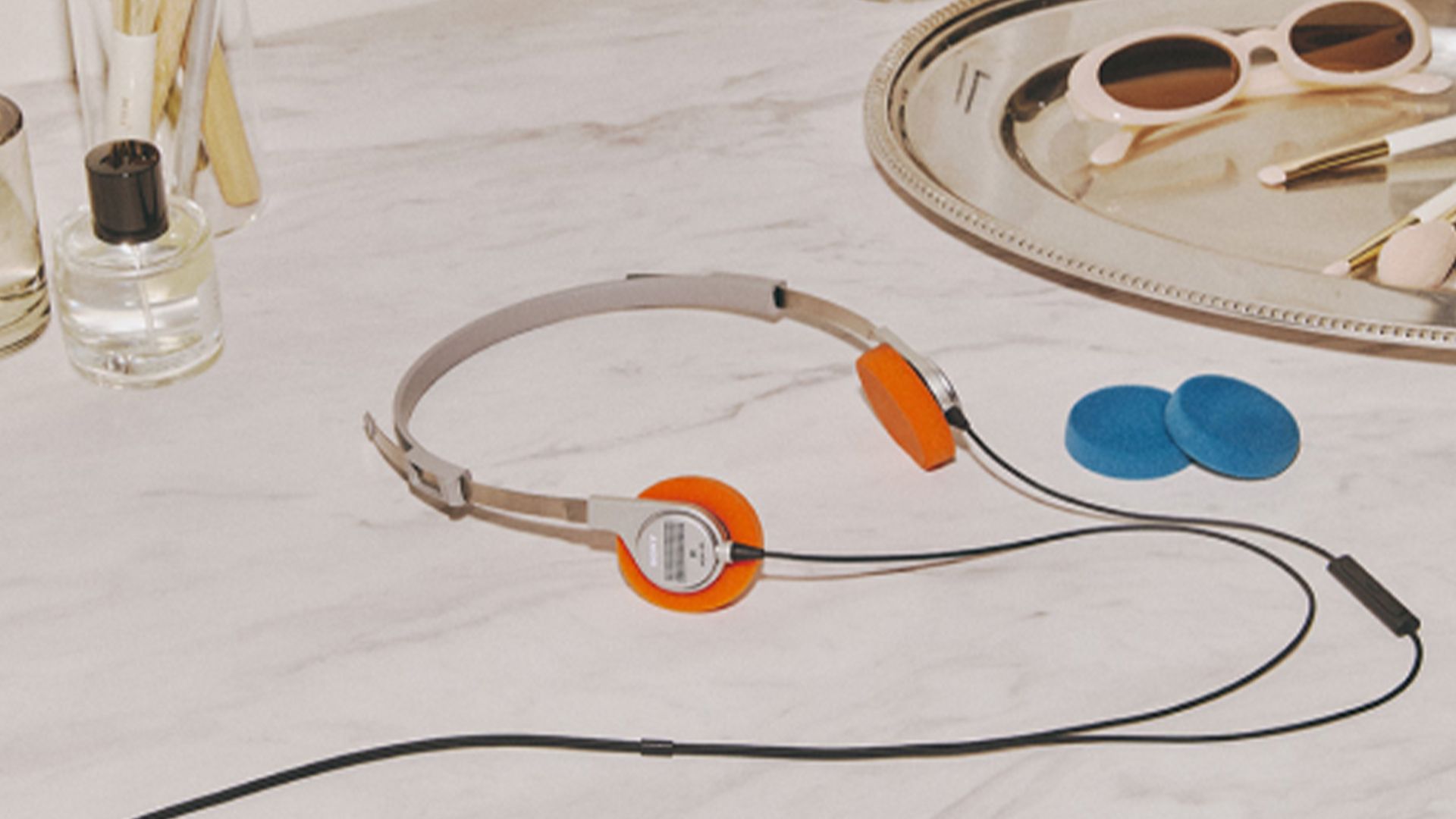
This strategic choice by Sony offers several key advantages:
- Universal Compatibility: For users with modern smartphones that have ditched the traditional 3.5mm headphone jack, the USB-C connection provides seamless plug-and-play functionality. This eliminates the need for dongles or adapters, offering a cleaner and more convenient user experience.
- Digital Audio Transmission: USB-C can carry a digital audio signal directly to the headphones. This bypasses the often lower-quality digital-to-analog converter (DAC) found in some smartphones, potentially leading to improved audio fidelity. Some USB-C headphones also incorporate their own high-quality DACs, further enhancing the listening experience.
- Power Delivery: While primarily for audio, USB-C can also carry power. This opens up possibilities for active noise cancellation or other powered features within the headphones, though it’s unclear if the MDR-3R incorporates such advancements.
The inclusion of USB-C positions the MDR-3R as a forward-thinking product that respects legacy while embracing current technological standards. It’s a smart move that caters to the practical needs of today’s connected consumer, ensuring that this retro-inspired headphone can seamlessly integrate into their existing tech ecosystem.
Market Impact and Consumer Response: The "Dupes" Phenomenon
The rapid sell-out of the Sony MDR-3R USB-C Wired Headphones is a clear indicator of strong consumer demand. This swift depletion of stock, however, also presents an opportunity for the market. As with many popular product launches, especially those with a nostalgic appeal, the scarcity of the official release often spurs the creation of "dupes" – similar products from other manufacturers that aim to capture the essence of the original at a potentially more accessible price point or with immediate availability.
The article’s mention of "several popular dupes" suggests that the market is already responding to this trend. Consumers seeking an immediate solution or a more budget-friendly alternative may turn to these comparable offerings. This phenomenon is not unique to headphones; it’s a common pattern across various consumer goods, from fashion to electronics.
The existence of dupes, while potentially diluting the market for the original, also serves to validate the underlying appeal of the MDR-3R’s design and concept. It indicates that the aesthetic and functional principles embodied by the revived headphones resonate with a broad audience, encouraging further innovation and competition within the wired headphone segment.
For Sony, the sell-out is a positive problem. It demonstrates the brand’s ability to tap into cultural trends and consumer desires. The challenge now will be to replenish stock effectively and potentially to build upon this success with further iterations or related retro-inspired audio products. The "cult classic" status of the original MDR-3 has clearly translated into modern-day desirability, proving that good design and sound quality, when presented with a compelling narrative, can transcend decades.
Looking Ahead: The Future of Retro Audio
The resurgence of the Sony MDR-3R USB-C Wired Headphones is more than just a product launch; it’s a cultural indicator. It reflects a broader societal trend towards valuing authenticity, durability, and timeless design. In an increasingly digital and ephemeral world, consumers are seeking tangible connections to the past and products that offer a sense of lasting value.
The success of this revival suggests that there is a significant market for well-executed retro-tech. This could pave the way for other iconic audio brands to revisit their heritage, offering modernized versions of beloved classic products. The emphasis on wired audio, driven by a desire for superior sound quality and reliability, also signals a potential shift in consumer priorities, challenging the unchallenged dominance of wireless convenience.
As the market continues to evolve, the Sony MDR-3R stands as a testament to the enduring power of iconic design and the timeless appeal of high-quality audio. Its return is a celebration of a bygone era of portable music, reimagined for the listening habits and technological realities of today. For retro fans and audiophiles alike, this revival is a welcome and harmonious development, promising a future where classic sound meets contemporary style.
[Author Name]
[Author Title]
[Publication Name]