The Winter of Discontent: Analyzing the Rise and Sudden Fall of Silent North
The virtual reality survival landscape is notoriously unforgiving, a digital wilderness where only the most polished and engaging titles manage to maintain a consistent player base. For Combat Waffle Studios, a developer that previously tasted immense success with the extraction shooter Ghosts of Tabor, the foray into the expansive, open-world survival genre with Silent North was intended to be their magnum opus. However, less than two years after its highly anticipated debut, the studio has officially announced the retirement of the title.
The decision to pull Silent North from all digital storefronts marks a significant moment in the VR industry, serving as a stark reminder of the "Early Access trap" and the volatility of consumer trust in the modern gaming era.
Main Facts: The Sunset of a Frozen Frontier
On November 12, 2026, Combat Waffle Studios issued a formal statement confirming that Silent North, their ambitious PVPVE (Player vs. Player vs. Environment) survival game, would be delisted from the Meta Quest and Steam VR stores. The game, which sought to blend the high-stakes survival mechanics of titles like DayZ with the immersive capabilities of virtual reality, has officially ceased sales, though servers remain temporarily operational for existing owners.
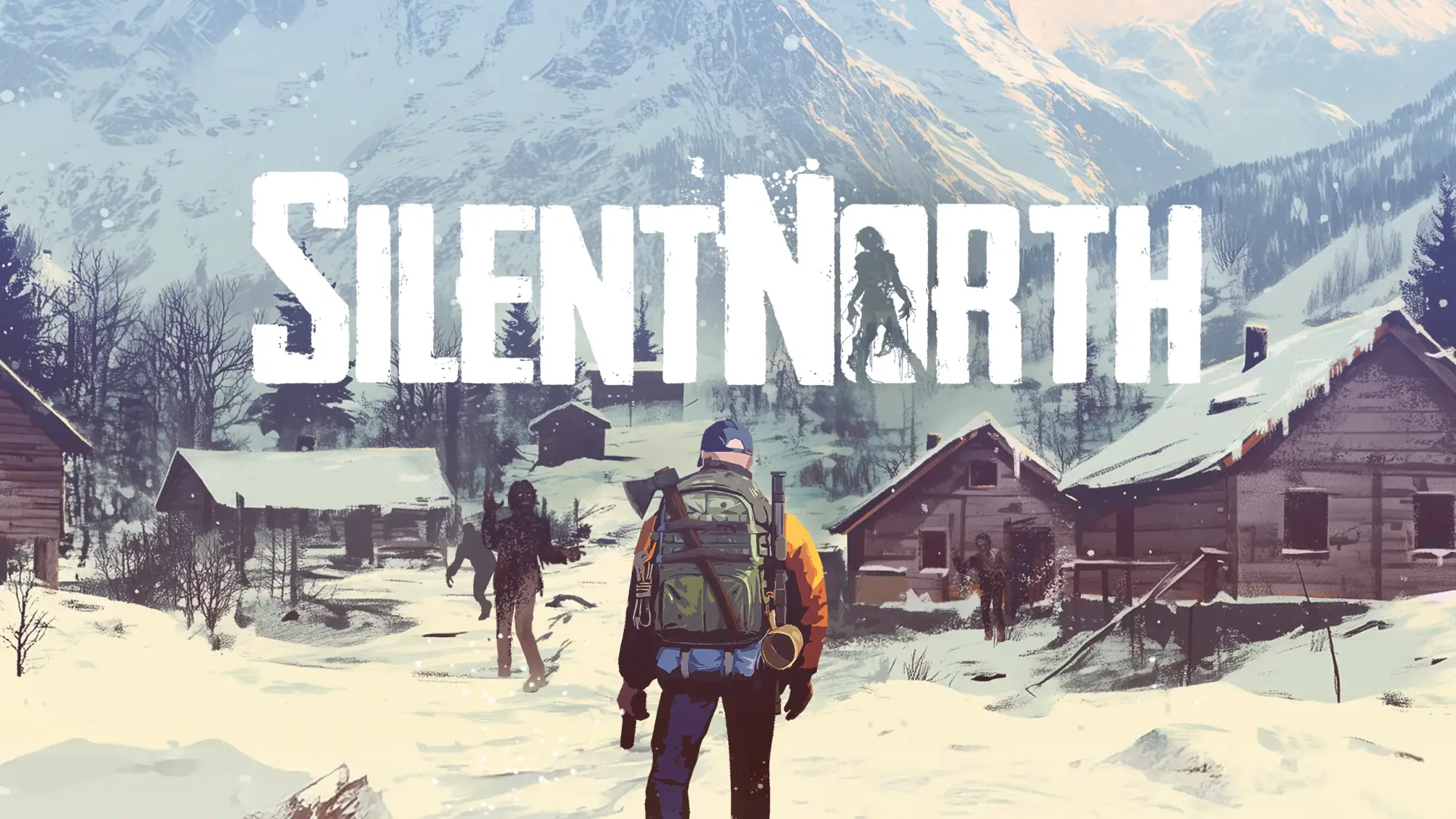
The core premise of Silent North was its setting: a sprawling, post-apocalyptic rendition of the Swiss Alps. Players were dropped into a frozen wasteland where they were tasked with managing biological needs—hunger, thirst, and body temperature—while navigating a world infested with both AI-controlled zombies and hostile human players. The game emphasized scavenging, complex crafting systems, and base-building, promising a persistent world where alliances could be forged or broken in the pursuit of dominance.
Despite the pedigree of Combat Waffle Studios, the game suffered from a disastrous reception. At the time of its retirement, it held a "Mostly Negative" rating on Steam and a lackluster 3.1-star rating on the Meta Quest store. The studio cited a rushed launch, high refund rates, and an inability to recover from a damaged reputation as the primary drivers behind the project’s termination.
Chronology: From Peak Anticipation to Absolute Zero
The journey of Silent North is a timeline of ambitious goals meeting the harsh reality of development cycles and market expectations.
The Foundation (2023–2024)
Following the massive success of Ghosts of Tabor, Combat Waffle Studios became one of the most watched developers in the VR space. They announced Silent North as a spiritual evolution of the survival genre. While Tabor focused on short-form extraction raids, Silent North was envisioned as a "forever home" for survival enthusiasts—a persistent world that didn’t reset every thirty minutes. Throughout 2024, teasers showed impressive vistas of snow-capped mountains and intricate weapon handling, fueling significant hype within the VR community.
The Launch (April 2025)
Silent North entered Early Access in April 2025. It arrived on the Meta Quest 3 and PC VR platforms simultaneously. However, the launch was immediately marred by technical instability. Players reported frequent server crashes, "inventory voids" where hours of progress would vanish due to desync, and a lack of meaningful content in the vast open world. The "Swiss Alps" often felt more like an empty white void than a lived-in environment.
The Struggle for Stability (Late 2025–Mid 2026)
Combat Waffle spent the following year attempting to "patch the holes in the ship." They released several major updates aimed at optimizing performance for the Quest’s mobile chipset and refining the zombie AI, which was frequently criticized for being either non-threatening or unfairly glitchy. Despite these efforts, the concurrent player count began to dwindle. In a PVPVE game, a low player count is a death sentence; without other players to encounter, the "PVP" element vanished, leaving players in an empty, grind-heavy world.
The Retirement (November 2026)
Recognizing that the cost of development and server maintenance far outweighed the dwindling revenue from new sales, Combat Waffle made the difficult decision to "retire" the title. The announcement marked the end of the game’s commercial life, shifting the studio’s focus back to their flagship titles and future projects.
Supporting Data: A Quantitative Look at the Failure
The metrics surrounding Silent North provide a clear picture of why the studio felt the project was no longer viable. In the world of digital distribution, the first 90 days are often indicative of a game’s lifetime trajectory, and for Silent North, those numbers were bleak.
Consumer Sentiment
- Steam Platform: With 101 recorded reviews, the game maintained a "Mostly Negative" status. In the "Protopopov Ratio" (a common industry metric estimating sales based on review counts), 101 reviews for a VR title suggests a total player base on Steam of roughly 3,000 to 5,000 users—a catastrophically low number for a game requiring persistent server infrastructure.
- Meta Quest Store: The 3.1-star rating from 494 reviews is perhaps more telling. The Quest store generally skews toward higher ratings than Steam. A 3.1 rating indicates deep-seated dissatisfaction among the core "standalone VR" demographic, which usually represents the bulk of a VR game’s revenue.
The Refund Crisis
Combat Waffle’s official statement specifically highlighted a "high refund rate early on." In the Meta and Steam ecosystems, players can generally refund a game within two hours of playtime. For a survival game, which usually requires hours just to understand the mechanics, a high refund rate within the first two hours suggests that the initial user experience (the "First Time User Experience" or FTUE) was so plagued by bugs or poor performance that players didn’t feel it was worth the risk of keeping.
Official Responses: Combat Waffle’s Admission of Failure
The studio’s farewell address was notably candid, eschewing the typical corporate jargon in favor of a blunt assessment of their mistakes.
"At Combat Waffle Studios, we have big ambitions and tackle big projects, but sometimes we miss the mark," the statement read. This admission is rare in an industry where developers often blame "toxic communities" or "market shifts" for a game’s failure.
The most revealing part of the statement addressed the timing of the release: "Sadly, we were pushed to launch earlier than we would have liked. That led to a high refund rate early on and quickly gave the game a poor reputation."
This "pushed to launch" narrative suggests internal or external pressures—perhaps from investors or the need to generate cash flow to support other projects—that forced a half-baked product into the hands of consumers. The studio concluded by stating that while the decision was "painful," it was "necessary to keep moving forward." This implies a strategic pivot to protect the studio’s overall financial health rather than sinking more resources into a "sunken cost" venture.
Implications: What This Means for the VR Industry
The failure of Silent North carries several heavy implications for the future of VR development and the survival genre as a whole.
1. The "First Impression" Trap in the Age of Algorithms
The era of "fix it later" is rapidly coming to an end for indie and mid-sized studios. While giants like CD Projekt Red (Cyberpunk 2077) or Hello Games (No Man’s Sky) have the capital to spend years rebuilding a tarnished reputation, smaller studios do not. Once the Steam and Meta algorithms categorize a game as "Negative," it is buried in search results. Silent North proved that in a crowded market, you often only get one chance to capture the audience’s attention.
2. The Difficulty of Scaling Survival for VR
Silent North attempted to do something incredibly difficult: maintain a persistent, large-scale world on mobile hardware (Quest). The technical overhead of tracking thousands of items, base structures, and AI entities across a massive map while maintaining the 72Hz or 90Hz frame rate required for VR comfort is a monumental task. The failure of the game may lead other developers to stick to smaller, instanced "extraction" styles (like Ghosts of Tabor) rather than true open worlds.
3. The Shadow of "Ghosts of Tabor"
There is an inherent risk in a studio becoming its own biggest competitor. Much of the Silent North player base came from Ghosts of Tabor. When players found Silent North to be less polished or less engaging than the studio’s previous work, they simply went back to Tabor. For Combat Waffle, this was a double-edged sword: they owned the audience, but they couldn’t provide a compelling enough reason for that audience to migrate or split their time.
4. Consumer Wariness of VR Early Access
The "retirement" of a game so soon after launch adds to a growing sense of "Early Access fatigue" among VR enthusiasts. As more high-profile VR projects are abandoned or left in a state of permanent "Beta," consumers may become more hesitant to support titles in their infancy, potentially stifling innovation in the sector.
Conclusion
The story of Silent North is not one of a lack of talent, but rather a misalignment of ambition, timing, and execution. Combat Waffle Studios remains a powerhouse in the VR space, but the freezing winds of the Swiss Alps have claimed their first major casualty. As the servers eventually go dark, the industry is left with a sobering lesson: in the world of survival gaming, the elements aren’t the only thing that can kill you—reputation is just as lethal.