Speculative Shifts: Analyzing the September 22, 2026, Literary Release Wave and the Evolution of Genre Fiction
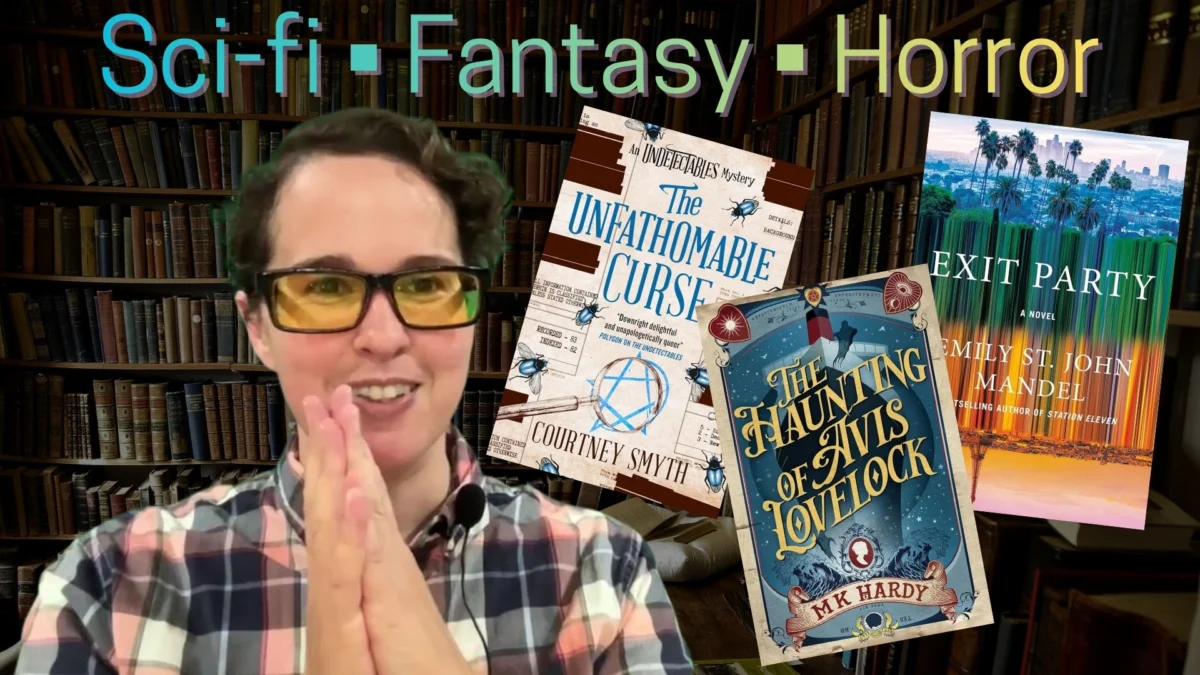
The final week of September has historically served as a cornerstone for the publishing industry, acting as the gateway to the lucrative fourth-quarter literary season. On September 22, 2026, Locus Magazine, the long-standing "journal of the science fiction and fantasy field," unveiled its latest curated selection of new releases. This week’s slate—spanning Science Fiction, Fantasy, Horror, and Young Adult (YA) fiction—reflects a broader transformation within the speculative fiction landscape, characterized by a shift toward ecological themes, post-AI social structures, and a resurgence of gothic horror.
As the industry navigates the complexities of a digital-first marketplace, the role of established tastemakers like Locus has become increasingly vital. The magazine’s latest multimedia push, featuring a comprehensive video guide to the week’s arrivals, highlights the growing necessity for cross-platform engagement in an era where book discovery is driven by a blend of traditional criticism and social media algorithms.
Main Facts: The September 22 Release Landscape
The releases for the week of September 22, 2026, represent a diverse cross-section of the "Big Five" publishing houses and prominent independent presses. According to data aggregated by Locus, this week sees the debut of over 45 notable titles in the speculative categories.
Key Genre Highlights:
- Science Fiction: The focus has shifted from interstellar warfare to "Internalized Futurism," exploring how neural interfaces and bio-engineering affect human identity.
- Fantasy: "High Fantasy" is seeing a move away from Eurocentric medievalism toward mythologies rooted in the Global South, with a particular emphasis on maritime and archipelago-based world-building.
- Horror: A surge in "Climate Horror" (Cli-Horror) reflects societal anxieties regarding environmental collapse, utilizing supernatural metaphors to process ecological grief.
- Young Adult: YA fiction continues to evolve by blending traditional coming-of-age tropes with sophisticated political allegories, moving past the "dystopian fatigue" of the early 2020s.
The centerpiece of this week’s announcement is the Locus New Releases video, a strategic move to capture the "BookTube" and "BookTok" demographics while maintaining the rigorous standards of professional literary journalism.
Chronology: The Road to the Autumn Literary Peak
To understand the significance of the September 22 release window, one must look at the preceding months of the 2026 publishing cycle.
Q1-Q2 2026: The "Experimental" Phase
The early months of 2026 saw a flurry of experimental novellas and digital-only releases. This period was marked by publishers testing the waters for "AI-Assisted Human Curation," where editors used predictive modeling to determine which sub-genres would trend by the fall.
July–August 2026: The Summer Lull and Marketing Ramp-Up
As is traditional, the mid-summer months saw a decrease in "heavyweight" releases, with publishers instead focusing on marketing campaigns for their "Big Fall Books." Advance Reading Copies (ARCs) for the September 22 titles began circulating among reviewers in late July, building the "buzz" necessary for a successful launch.
September 1–15, 2026: The Pre-Equinox Surge
The first half of September saw the release of several high-profile sequels. This set the stage for September 22, which serves as the "Primary Launch Window" for new intellectual properties (IPs) and standalone novels intended for the 2026 award season (including the Hugos, Nebulas, and Locus Awards).
September 22, 2026: The Current Release Point
The current week represents the culmination of these efforts. By releasing a comprehensive video and editorial guide on this specific Tuesday (the industry-standard day for new releases), Locus provides a roadmap for readers overwhelmed by the sheer volume of content.
Supporting Data: The 2026 Speculative Fiction Market
Quantitative analysis of the current market reveals several trends that inform this week’s release list. According to industry reports from the first half of 2026, speculative fiction remains the fastest-growing sector of the trade book market.
Market Share and Growth
- Science Fiction & Fantasy (SFF): SFF sales have increased by 12% year-over-year. This is attributed to the "Escapism Economy," where readers seek complex secondary worlds as a respite from global socio-political volatility.
- Horror: The horror genre has seen a 15% increase in readership among Gen Z and Millennials, specifically in sub-genres like "Cosmic Nihilism" and "Folk Horror."
- Audiobook Dominance: 42% of the titles released on September 22 are launching simultaneously with high-production "immersive" audiobooks, featuring full casts and ambient soundscapes.
The "Locus Effect"
Historical data suggests that titles featured in the Locus "New and Notable" lists see an average 8% increase in library circulations and independent bookstore orders within the first 30 days of release. This highlights the magazine’s role as a critical intermediary between publishers and the "power readers" who drive word-of-mouth success.
Official Responses: The Voice of the Community
The release of the September 22 list has prompted responses from various stakeholders in the literary community, emphasizing the collaborative nature of modern publishing.

From the Editors of Locus
In a statement accompanying the release, the Locus editorial team emphasized their commitment to diversity and discovery:
"Our goal for the September 22 lineup was to bridge the gap between household names and the emerging voices that are redefining what ‘speculative’ means. In a crowded market, curation is an act of advocacy. We are not just listing books; we are charting the future of the human imagination."
Author Perspectives
Several authors whose works debuted this week have commented on the shifting landscape. Novelist Elara Vance, whose sci-fi thriller The Silicon Pulse was featured, noted:
"Being part of the Locus selection is a milestone. As writers in 2026, we are competing with more than just other books—we are competing with every digital distraction imaginable. Having a platform like Locus validate our work helps ensure that serious fiction finds its audience."
The Call for Sustainability
Crucially, the Locus announcement included a plea for reader support. As an independent entity, the magazine highlighted the precarious nature of literary journalism. "We publish hundreds of reviews and news stories each year, but we can’t do it without your help," the magazine stated, underlining the reality that while the content of speculative fiction is thriving, the infrastructure of criticism requires constant community reinvestment.
Implications: The Future of Genre Curation
The events of this release week carry significant implications for the future of the publishing industry and the speculative genres at large.
1. The Multimedia Mandate
The inclusion of a YouTube video as a primary discovery tool confirms that text-based reviews are no longer sufficient to sustain a literary magazine. To survive, legacy publications must transform into multi-channel media brands. This shift may lead to a more "personality-driven" form of criticism, where the charisma of the reviewer becomes as important as the quality of the prose being reviewed.
2. The Decentralization of "The Canon"
The variety in the September 22 releases—ranging from vast futuristic worlds to niche supernatural discoveries—suggests that the idea of a "unified" science fiction or fantasy canon is dissolving. Instead, we are seeing the rise of "micro-communities" of readers. Locus is pivoting to serve as a hub for these disparate groups, offering a "big tent" approach that accommodates everything from hard sci-fi to cozy fantasy.
3. Financial Vulnerability of Independent Media
The urgent request for donations featured in the Locus announcement serves as a sobering reminder of the "Information Paradox": while there is more content than ever before, the financial models to support high-quality, independent reporting on that content are under strain. If organizations like Locus were to falter, the speculative fiction field would lose its most reliable historical record and its most objective critical voice.
4. Speculative Fiction as a Mirror to Reality
The themes present in this week’s books—identity, ecological survival, and the ethics of technology—indicate that speculative fiction in 2026 has moved firmly into the realm of social commentary. The "futuristic worlds" mentioned in the announcement are less about prediction and more about "present-tense reflection," using the lens of the fantastic to examine the urgent crises of the 21st century.
In conclusion, the September 22, 2026, new releases represent more than just a list of titles; they are a snapshot of a literary culture in transition. As readers dive into these new stories, they are participating in a grand tradition of speculative inquiry, supported by a magazine that has remained a lighthouse for the genre for over half a century. The success of these titles—and the platform that promotes them—will depend largely on the continued engagement and financial support of the global community of readers.