Surviving the Anomaly: Into the Radius 2 Set for Full 1.0 Release on Meta Quest 3/3S
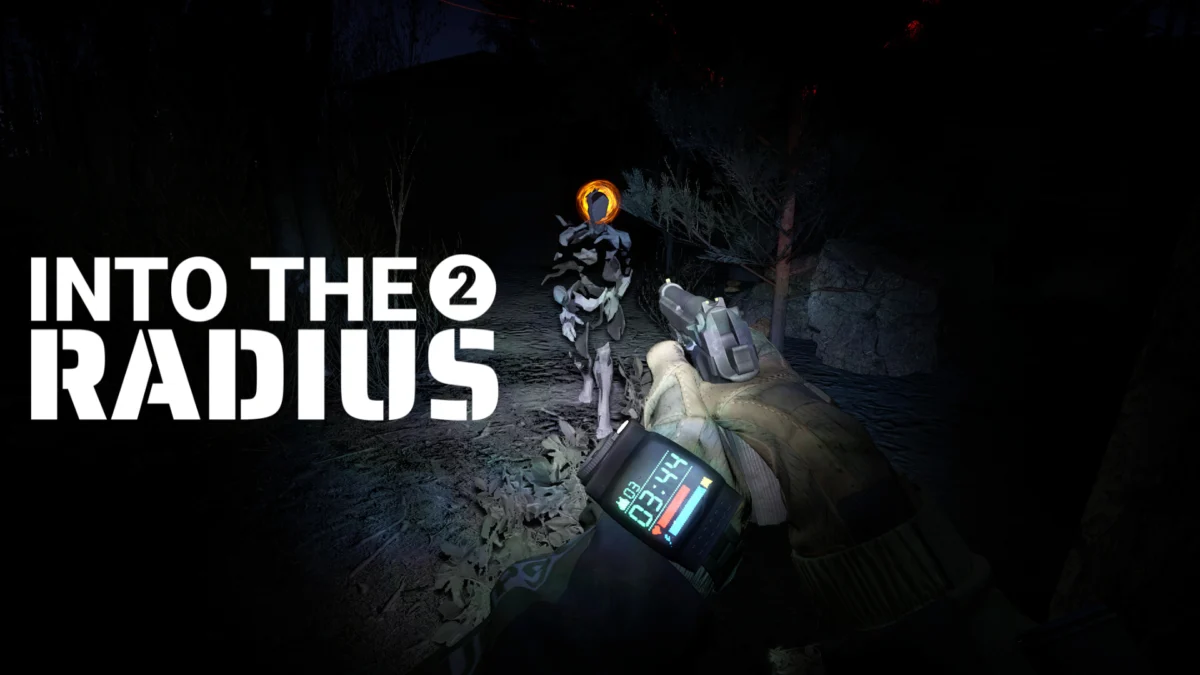
The landscape of virtual reality survival horror is about to undergo a seismic shift. CM Games (often referred to as CM Immersive), the architects behind one of VR’s most haunting and mechanically dense experiences, has officially announced that Into the Radius 2 will exit Early Access and achieve a full 1.0 release on the Meta Quest 3 and Quest 3S platforms on August 27.
Following a successful, albeit brief, Early Access period that began in May 2025, the sequel to the cult-classic "STALKER-esque" shooter is prepared to deliver its complete vision to standalone headset users. This transition marks a pivotal moment for Meta’s hardware, as the title pushes the boundaries of what is possible on mobile chipsets, offering a feature-complete story campaign, expanded environments, and a controversial yet refined approach to narrative delivery.
Main Facts: A New Chapter in the Pechorsk Anomaly
The 1.0 release of Into the Radius 2 is not merely a performance patch; it is a comprehensive overhaul of the Early Access build. When the game launches on August 27, it will bring the Meta Quest version into parity with the SteamVR full release, which has already set a high bar for immersive simulation in the genre.
Key Launch Features
The full release introduces several critical components that were absent or limited during the Early Access phase:
- Complete Story Campaign: A structured narrative that guides players through the mysteries of the Pechorsk Anomaly, providing closure to the enigmatic events established in the first game and expanded upon in the sequel’s early builds.
- Fully Voice-Acted Characters: For the first time in the series, the "Zone" feels inhabited—or at least haunted—by distinct personalities. Characters like Guide Lauri and Supervisor Eva provide context, missions, and a human element to the desolate landscape.
- Expanded Geography: New zones have been added to the map, each featuring unique topographical challenges and environmental storytelling.
- New Threats and Tools: The 1.0 update introduces advanced anomaly types that require new tactical approaches, alongside an expanded arsenal of realistic firearms and survival equipment.
- Hardware Exclusivity: Notably, the game is optimized specifically for the Meta Quest 3 and the newly released Quest 3S. This suggests a heavy reliance on the Snapdragon XR2 Gen 2 chipset to handle the game’s complex physics, lighting, and AI systems, effectively leaving the aging Quest 2 hardware behind.
Chronology: From Cult Classic to Standalone Powerhouse
To understand the significance of the Into the Radius 2 launch, one must look at the trajectory of the franchise, which has become a bellwether for the "hardcore" VR survival market.
The Foundation (2020–2023)
The original Into the Radius launched on PCVR in 2020. It was initially a sleeper hit, praised for its uncompromising realism—requiring players to manually clean their guns, organize their backpacks, and navigate using a physical map and compass. Its eventual port to the original Meta Quest was considered a technical marvel, proving that deep, atmospheric "extraction shooters" had a home on standalone VR.
The Sequel’s Arrival (May 2025)
In May 2025, CM Games launched Into the Radius 2 into Early Access on both Steam and the Meta Quest Store. The initial reception was overwhelmingly positive regarding the mechanical improvements, particularly the addition of two-player co-op, a feature the community had requested for years. However, the Quest version was understood to be a work in progress, with limited content and several "placeholder" systems.
The Road to 1.0 (June – August 2025)
Throughout the summer of 2025, the developers utilized a rapid feedback loop. They implemented "Beta" branches where players could test the new story elements. It was during this phase that the developers encountered their first major hurdle: a disconnect between the game’s traditional "lonely" atmosphere and the new narrative-heavy direction. This feedback led to a significant pivot in the weeks leading up to the August 27 release.
Supporting Data: The Mechanics of Survival
Into the Radius 2 distinguishes itself through "tactile immersion." The 1.0 release doubles down on the data-driven survival mechanics that define the series.
Weaponry and Maintenance
The game features a meticulously modeled selection of Soviet-era and modern firearms. Unlike arcade shooters, weapons in Into the Radius 2 can jam if not maintained. Players must use oil and brushes to clean carbon buildup and ensure their magazines are manually loaded with the correct ammunition types (AP, FMJ, etc.). The 1.0 update expands this roster, adding high-tier rifles that are essential for the late-game zones.
The Economy of the Zone
The gameplay loop revolves around "The Facility," a central hub where players sell artifacts found in the Zone to purchase better gear. Data from the Early Access period showed that players spent approximately 30% of their playtime in the hub, managing inventory and preparing for the next "tide"—a periodic reset of the world that respawns enemies and shifts anomalies. The 1.0 update balances this economy, ensuring that the new zones provide rewards commensurate with their increased difficulty.
Technical Performance on Quest 3
By targeting the Quest 3/3S exclusively, CM Games has been able to implement higher-resolution textures and more complex "anomaly" particle effects. While the Quest-footage trailer has been delayed, early reports from the beta indicate that the game utilizes the Quest 3’s increased GPU clock speeds to maintain a stable frame rate even during intense firefights involving multiple entities and physics-based environmental hazards.
Official Responses: Navigating the NPC Controversy
The path to the 1.0 release was not without friction. The introduction of the story campaign brought with it two central NPCs: Guide Lauri and Supervisor Eva. In the initial beta versions of the 1.0 update, these characters were presented as constant companions via radio and frequent in-person meetings.
Player Backlash
The community response was swift and largely critical. Long-time fans of the series argued that the "cheery" and "talkative" nature of the NPCs shattered the sense of isolation that made the first game a masterpiece of atmospheric horror. Players felt that having a "voice in their ear" at all times made the Pechorsk Anomaly feel less like a death trap and more like a guided tour.
The Developer’s Pivot
CM Games demonstrated a high level of transparency and agility in their response. Recognizing that the "vibe" of the game was its strongest asset, the developers issued a statement confirming they would scale back the NPC interactions.
In the final 1.0 build:
- Supervisor Eva: Her frequent interruptions have been moved to voice messages that the player can choose to listen to on their tablet at their own pace.
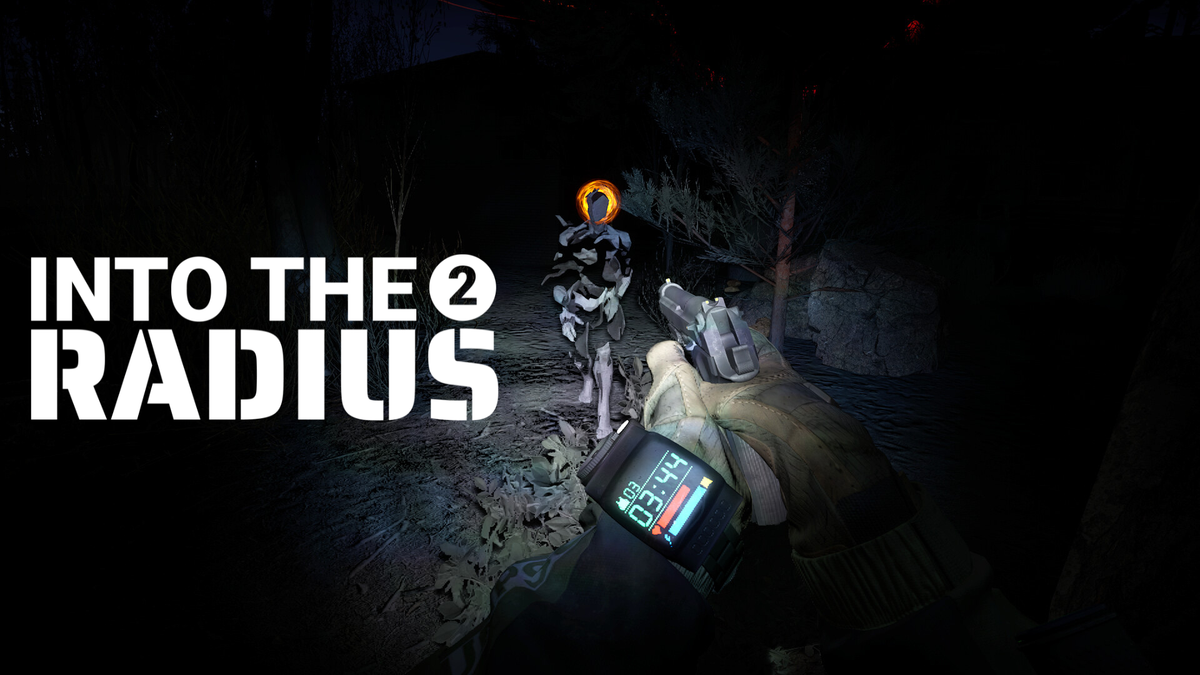
- Guide Lauri: Physical, "human" appearances have been largely replaced with "interactable white figures"—ghostly, ethereal representations that better fit the supernatural aesthetic of the Zone.
- Tone Adjustment: The dialogue was rewritten and re-recorded to be more somber and pragmatic, aligning with the dystopian setting.
This move has been widely praised by the community as a rare example of a developer prioritizing "atmosphere" over "mass-market appeal."
Implications: The Future of High-End Standalone VR
The full release of Into the Radius 2 on Meta Quest 3/3S carries significant implications for the VR industry at large.
The "Quest 3 Only" Trend
This launch reinforces a growing trend in the VR ecosystem: the abandonment of the Quest 2. As developers seek to create more "PC-like" experiences, the hardware gap between the Quest 2 and Quest 3 has become a bottleneck. By making Into the Radius 2 a Quest 3-era exclusive, CM Games is signaling that the next generation of VR survival games will require the extra overhead provided by the latest silicon.
The Evolution of the "Extraction" Genre
Into the Radius 2 is essentially a single-player (or co-op) take on the "Extraction Shooter" genre popularized by titles like Escape from Tarkov. Its success on a mainstream platform like the Meta Quest store suggests there is a massive appetite for "hardcore" games that do not hold the player’s hand. If Into the Radius 2 performs well, it may pave the way for more complex, simulation-heavy titles to migrate from PCVR to standalone.
Narrative vs. Atmosphere
The controversy surrounding Lauri and Eva highlights a recurring challenge in VR game design: how to tell a story without breaking the player’s sense of presence. Into the Radius 2 will serve as a case study for future developers on how to balance a "fully voice-acted campaign" with the "lonely exploration" that VR enthusiasts crave.
Conclusion
As August 27 approaches, the anticipation for Into the Radius 2 1.0 continues to build. By combining the visceral, tactile gunplay of its predecessor with a more robust (yet carefully restrained) narrative and the power of the Quest 3, CM Games is poised to deliver one of the most significant VR titles of 2025. For those brave enough to step back into the Pechorsk Anomaly, the "Tide" is about to bring a whole new level of terror.