The Silent Sunset: How DRM and Obsolescence Turned Iconic iPod Apps into Lost Media
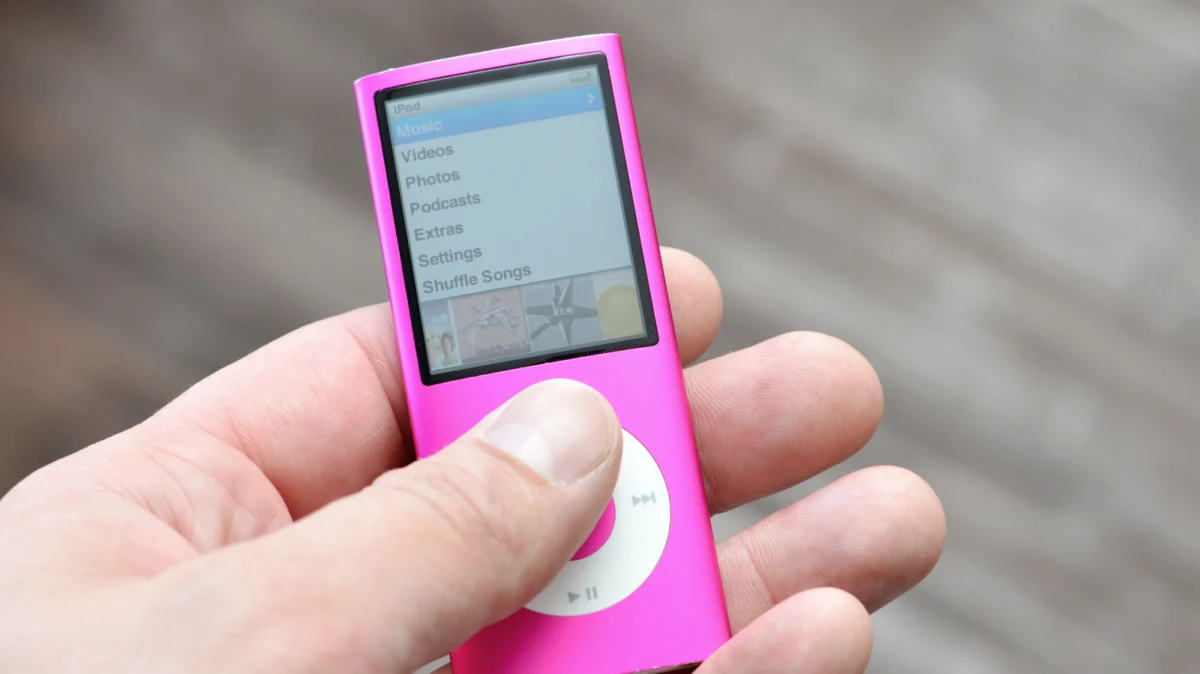
The silhouette commercials of the early 2000s, featuring dancing figures against vibrant neon backgrounds, defined an era of technological triumphalism. The iPod was more than a device; it was a cultural monolith that fundamentally restructured the music industry. However, while history books rightfully credit the iPod with saving the record labels and ushering in the age of the smartphone, a significant chapter of its legacy is being systematically erased.
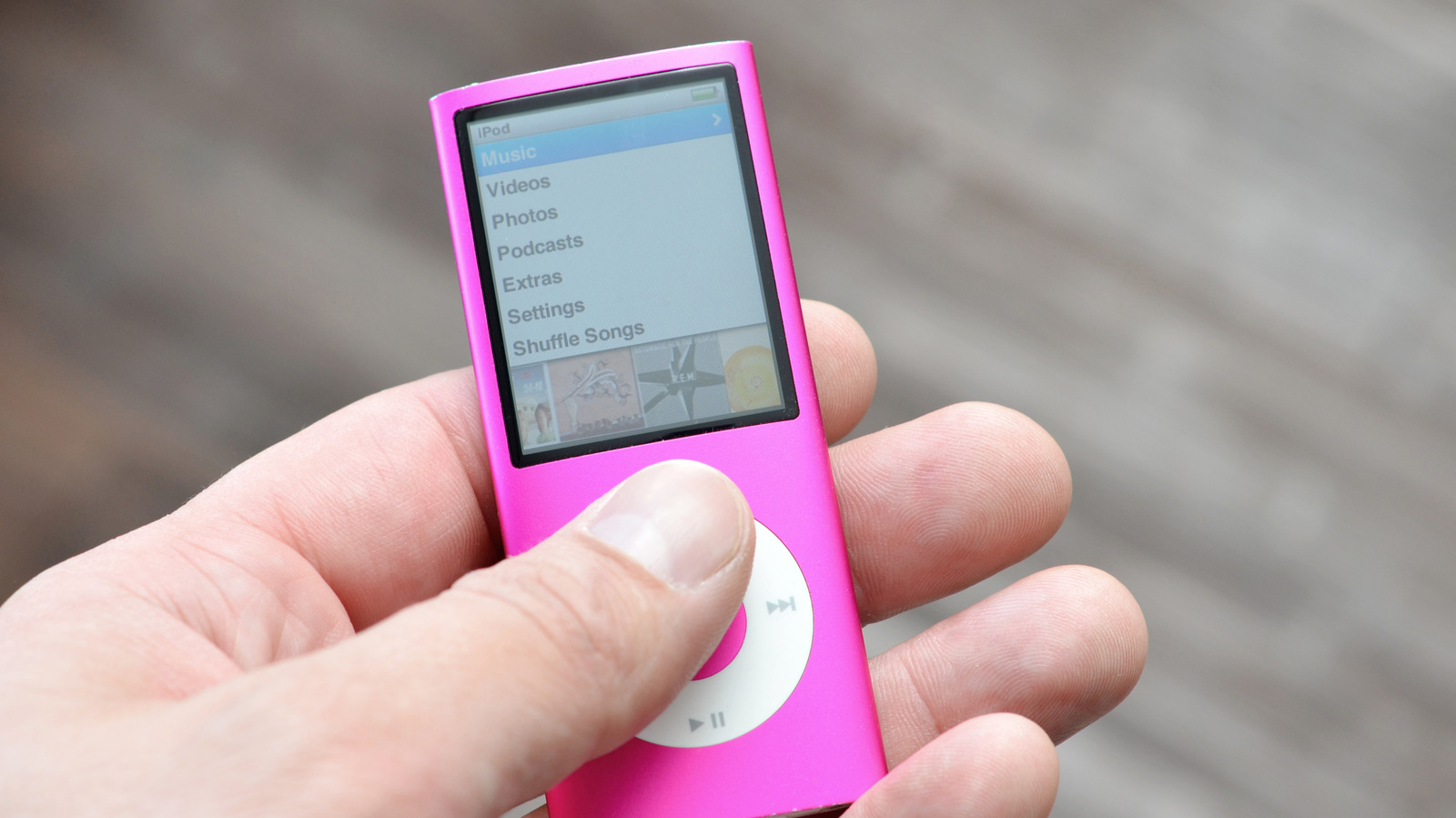
The iPod was the unsuspecting birthplace of the mobile gaming revolution. Long before the App Store became a multi-billion-dollar marketplace, Apple experimented with a highly curated selection of "iPod Games" designed specifically for the click-wheel interface. Today, these titles represent a tragic category of "lost media"—software that is legally unavailable, technically inaccessible, and functionally dead. As Gen Z drives a nostalgic revival of "dumb" tech and retro MP3 players, they are discovering a digital graveyard where some of the most innovative games of the 2000s have been laid to rest.
Main Facts: The Architecture of Disappearance
The disappearance of iPod software is not an accident of time, but a result of deliberate technical architecture. Unlike the Game Boy or the NES, where physical cartridges allow for easy preservation and emulation, the iPod’s gaming ecosystem was built on three pillars that ultimately ensured its demise:
- Hardware-Specific Input: Games like Vortex were designed around the mechanical friction and circular motion of the capacitive click wheel. Replicating this experience on a flat glass touchscreen is inherently inferior, making ports difficult and unappealing for developers.
- Aggressive DRM: Apple utilized a proprietary version of FairPlay Digital Rights Management (DRM). These games were tethered to specific iTunes accounts and required server-side authentication. When Apple shuttered the click-wheel game section of the iTunes Store in 2011, the "key" to authorize these games on new devices effectively vanished.
- The Shift to 64-bit Architecture: For the apps that survived the jump to the iOS App Store (like Tap Tap Revenge), the "32-bit apocalypse" of iOS 11 in 2017 acted as a final executioner. Apple dropped support for older 32-bit applications, rendering thousands of early mobile games unplayable on modern iPhones and iPads.
Chronology: From Click Wheels to Dark Screens
The evolution and eventual extinction of the iPod gaming era followed a precise timeline:
- 2001–2005: The Internal Era. Early iPods featured basic, built-in games like Brick, Parachute, and Solitaire. These were hardcoded into the firmware and remain accessible on surviving hardware.
- 2006: The iTunes Store Expansion. Apple launched the "iPod Games" section on the iTunes Store. These were the first downloadable titles, priced at $4.99, developed by partners like Electronic Arts, Square Enix, and Namco.
- 2007–2008: The Peak of Innovation. This period saw the release of Phase and Song Summoner, titles that integrated the user’s personal music library into the gameplay mechanics.
- 2008: The App Store Launch. The debut of the iPhone 3G and the App Store shifted Apple’s focus. The click wheel was relegated to "legacy" status almost overnight as developers flocked to the multitouch interface.
- 2011: The Removal. Apple quietly removed all click-wheel games from the iTunes Store. Users who had purchased them could no longer re-download them if they moved to a new computer or lost their local backups.
- 2014: The Server Shutdowns. Major publishers began shutting down servers for early iOS hits, turning games like Tap Tap Revenge into unplayable icons on a home screen.
Case Studies: The Four Lost Icons
To understand the scale of what has been lost, one must look at the specific titles that pushed the boundaries of what a music player could do.
1. Vortex: The Mechanical Perfection of the Wheel
Vortex was perhaps the purest expression of the iPod’s hardware. Developed by Kabloom Games, it was a 360-degree "brick-breaker" where the player controlled a paddle along the outer rim of a circular pit. The game was a masterclass in haptic synergy; the speed at which you spun the click wheel correlated perfectly with the paddle’s movement.
Because the game was so deeply integrated with the physical click wheel, it was never ported to iOS. Today, Vortex only exists on 5th-generation iPods or early Nanos that still have the software installed. If that hardware fails, the game dies with it.
2. Phase: Harmonix’s Procedural Experiment
Before Rock Band took over living rooms, Harmonix developed Phase. Released in 2007, it was a rhythm game that performed a feat of engineering that was revolutionary for its time: it analyzed any song in the user’s library and procedurally generated a beat map.
This meant players weren’t limited to a preset tracklist. You could play a three-lane rhythm game to a 20-minute Pink Floyd epic or a high-speed punk track. However, because Phase relied on the specific file-management system of the click-wheel iPods and Apple’s strict DRM, it cannot be "sideloaded" onto modern devices. It remains trapped in a format that the modern world has outgrown.
3. Song Summoner: The Unsung Heroes
Square Enix is known for its sprawling RPGs, and Song Summoner was no exception. This was a tactical role-playing game where players took on the role of a "Conductor." The game’s central mechanic involved "summoning" warriors from the metadata of the songs on your iPod. A heavy metal track might produce a powerful warrior, while a classical piece might result in a mage.
The game encouraged users to curate their music libraries specifically to find the rarest "Tune Troopers." While Square Enix attempted an iOS port later, it was eventually pulled due to compatibility issues with newer versions of iOS. The original click-wheel version, with its unique "Soul of Music" mechanic, is now entirely inaccessible to new players.
4. Tap Tap Revenge: The Social Phenomenon
If the click-wheel games were the "indie" precursors, Tap Tap Revenge was the blockbuster. It was the first true "killer app" for the iPod Touch and iPhone. It utilized the touchscreen to mimic the Dance Dance Revolution experience and featured massive hits from artists like Lady Gaga and Metallica.
However, Tap Tap Revenge was a "live service" game before the term was common. It required connection to servers for track downloads and leaderboards. When Disney acquired the developer (Tapulous) and subsequently shut down the servers in 2014, the game became a brick. Even with the original app file, the lack of server-side data makes the game unplayable, marking it as one of the most prominent victims of the digital-only age.
Supporting Data: The Barriers to Preservation
The preservation of these games faces a "triple threat" of technical barriers:
- Encryption: Most iPod games were encrypted with a user-specific key. Copying a game file from one iPod to another results in a "failed to authorize" error, even if both devices are owned by the same person.
- The Lack of Emulation: While there are emulators for almost every console in history, the iPod’s operating system (a proprietary version of Pixo or Apple’s own embedded OS) remains difficult to emulate. The "iPodGW" project and other community efforts have made strides, but they lack the legal or technical framework to bypass DRM.
- Physical Decay: The lithium-ion batteries in old iPods are beginning to swell and fail. As the hardware dies, the only "live" copies of these games are disappearing.
Official Responses and the Industry Stance
Apple has remained largely silent on the issue of legacy software preservation. The company’s philosophy has historically been one of forward momentum; legacy support is viewed as a hurdle to innovation. When asked about the removal of 32-bit apps, Apple’s official stance emphasized security and performance, noting that older apps could "slow down" the modern user experience.
Publishers like Square Enix and Disney have similarly moved on. For a corporation, the cost of maintaining servers or updating code for a decade-old game often outweighs the potential revenue, leading to the "sunsetting" of titles that thousands of players once loved.
Implications: The Fragility of the Digital Archive
The saga of the lost iPod apps serves as a cautionary tale for the modern gaming landscape. As we move further into an era of digital-only consoles (like the PS5 Digital Edition or Xbox Series S) and subscription services (like Game Pass or Apple Arcade), the "ownership" of media is becoming increasingly illusory.
The disappearance of Phase or Song Summoner proves that if a platform holder decides to stop supporting a piece of software, that software effectively ceases to exist. It raises vital questions for digital historians:
- How do we preserve the history of a medium that is tethered to a server?
- Should "abandonware" laws be updated to allow for the cracking of DRM on software that is no longer for sale?
As Gen Z continues to buy up used iPods on eBay, they are finding beautiful, sleek devices that are, in many ways, ghosts of their former selves. The music still plays, but the games—the vibrant, innovative, and tactile experiences that proved the iPod could be more than just a jukebox—have vanished into the digital ether, leaving behind only a memory of a click-wheel spin.