
Tabletop Gaming Magazine Celebrates 11 Years: Editor Matt Chapman Reflects on a Decade of Dice, Dragons, and Dynamic Shifts
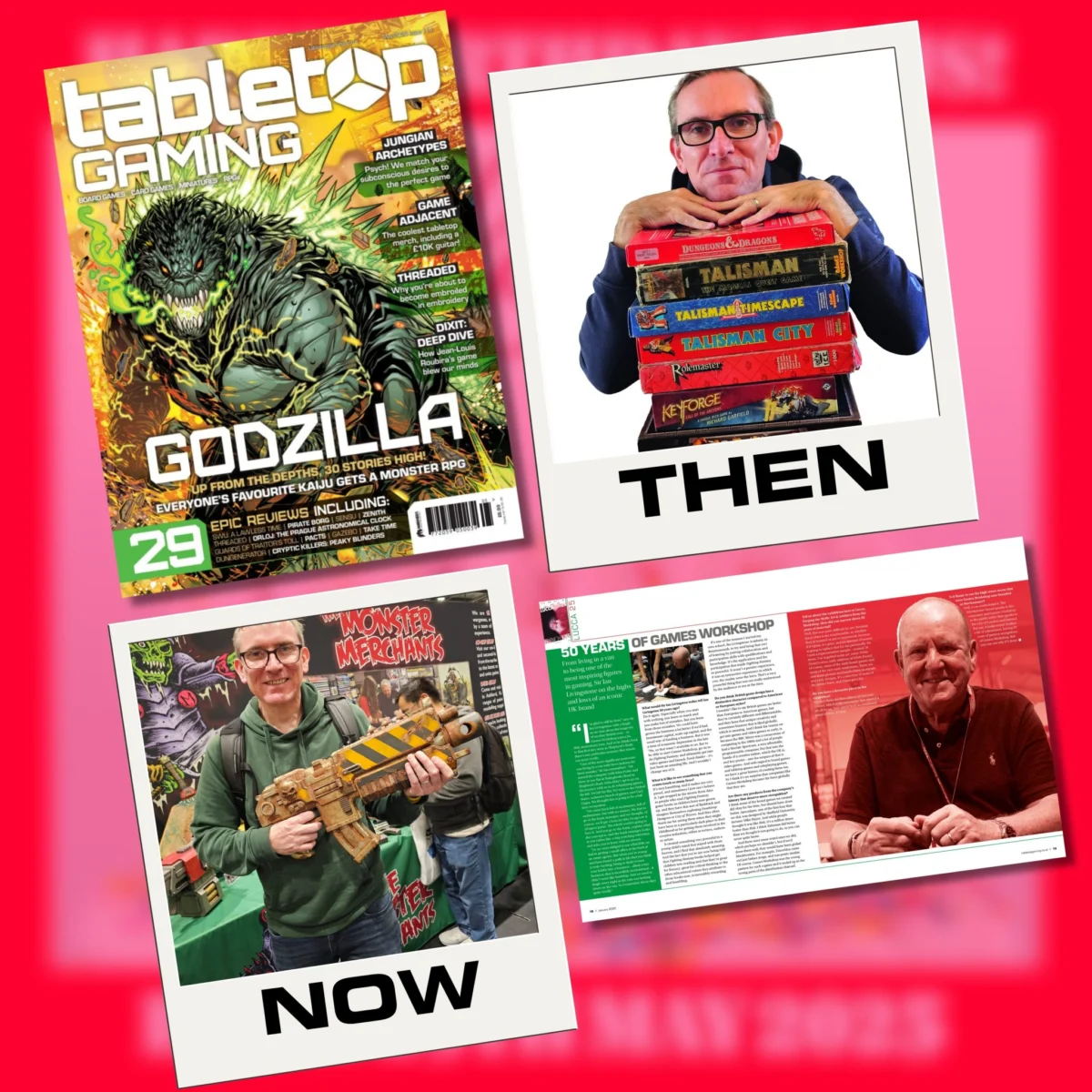
Birmingham, UK – Tabletop Gaming magazine, a venerable institution in the global hobby, proudly marks its 11th anniversary today, having first rolled the dice at the UK Games Expo in 2015. Over more than a decade, the publication has been an indispensable guide, chronicler, and celebrator of the vibrant and ever-evolving world of board games, card games, role-playing games, and miniatures. As the magazine enters its second decade, current Editor Matt Chapman offers a candid look back at his impactful tenure, sharing personal highlights, industry insights, and the moments that have defined his time at the helm.
Chapman, who took up the editorial reins in September 2025 with Issue 107, has overseen a period of remarkable innovation and growth within the tabletop sphere. From the groundbreaking art gracing its covers to intimate conversations with industry legends, and from the quiet discovery of hidden gem games to the seismic shifts in market trends, his editorship has been a testament to the enduring power and appeal of analogue play. His reflections not only commemorate a significant milestone for the magazine but also provide a valuable snapshot of the hobby’s recent history through the eyes of one of its most dedicated proponents.
A Decade of Dedication: Tabletop Gaming Magazine’s Enduring Legacy
Since its inception at the UK Games Expo in 2015, Tabletop Gaming magazine has served as a critical nexus for enthusiasts, designers, and publishers alike. Launched to cater to a burgeoning interest in board games and role-playing games, the magazine quickly established itself as a trusted voice, offering in-depth reviews, exclusive interviews, strategic guides, and a window into the creative processes driving the hobby forward. Its presence at a major industry event like UK Games Expo underscored its commitment to being at the heart of the community from day one.
The magazine’s 11-year journey has mirrored the exponential growth and diversification of tabletop gaming itself. What was once considered a niche pastime has blossomed into a mainstream cultural phenomenon, attracting millions worldwide. Tabletop Gaming has been there every step of the way, documenting the rise of crowdfunding platforms, the explosion of independent designers, the innovation in game mechanics, and the increasing diversity of themes and narratives explored through play. Its longevity speaks volumes about its ability to adapt, inform, and inspire its readership.
Matt Chapman’s current leadership represents the latest chapter in this illustrious history. Inheriting a rich legacy from previous editors – including Rob Burman (Issues 1-6), Matt Jarvis (Issues 7-35), Christopher John Eggett (Issues 36-79), and Charlie Pettit (Issues 85-106) – Chapman has continued to steer the magazine with a clear vision, blending respect for its foundations with an eagerness to embrace new trends and perspectives. His period in charge, spanning from September 2025 to the present day, has been characterized by a blend of editorial expertise and a deep personal passion for the hobby.
Matt Chapman’s Editorial Journey: Highlights from the Big Chair
An Eye for the Iconic: Favourite Magazine Covers
For any editor, the magazine cover is more than just packaging; it’s a statement, a promise, and a visual representation of the issue’s soul. Matt Chapman’s tenure has seen several memorable covers, but two stand out for their artistic merit and thematic impact. "WeirdCo and CD PROJEKT RED gave us some great art choices for Cyberpunk TCG, so the Issue 113 cover is up there," Chapman reveals. This cover was a vibrant homage to the neon-drenched, dystopian future of the Cyberpunk universe, perfectly capturing the aesthetic of the highly anticipated trading card game. The collaboration with such prominent entities as WeirdCo and CD PROJEKT RED, known globally for their immersive digital experiences, signaled a significant moment where major franchises continued to bridge the gap between video games and their tabletop counterparts. The artwork wasn’t just visually striking; it was a potent symbol of the evolving landscape of intellectual property in gaming, showcasing how beloved digital worlds could translate into compelling physical experiences.
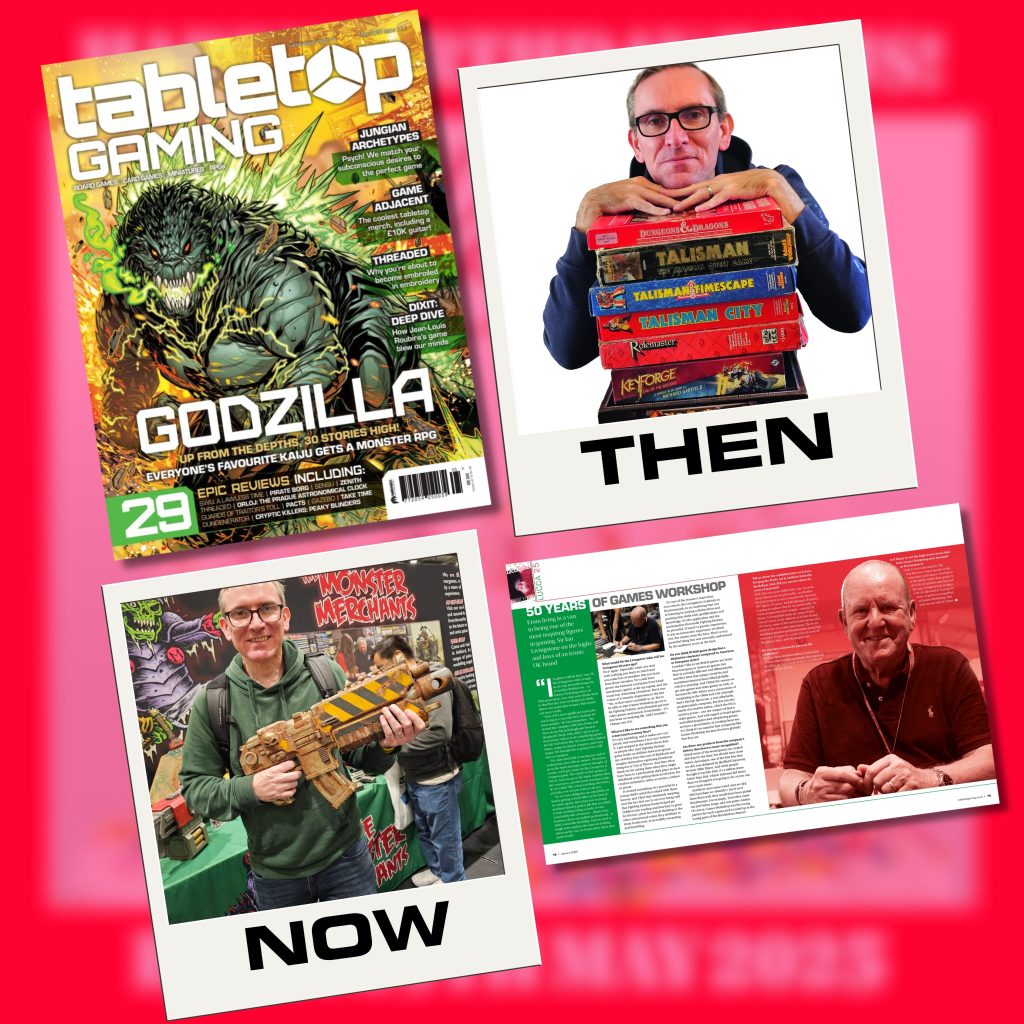
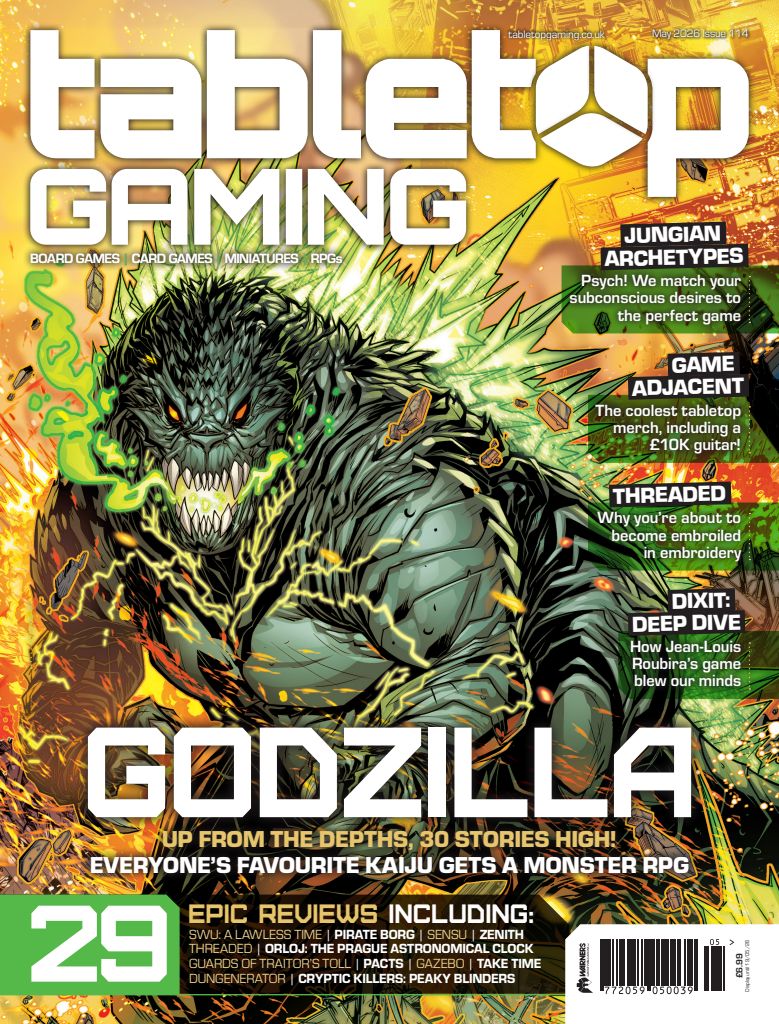
Yet, even with the high-tech allure of Cyberpunk, Chapman admits a soft spot for a different kind of behemoth. "But who doesn’t love Godzilla? The charismatic kaiju was a neon-blast of joy on Issue 114." The Godzilla cover, bursting with vibrant energy and the unmistakable silhouette of the King of the Monsters, was a masterclass in capturing pop culture appeal. It demonstrated the magazine’s ability to celebrate both emerging indie titles and established cultural icons, broadening its appeal and reminding readers of the sheer fun inherent in tabletop gaming. The sheer "joy" described by Chapman speaks to the emotional connection that evocative cover art can forge with an audience, making an issue instantly recognizable and desirable on newsstands.
A Conversation with a Legend: Favourite Interview
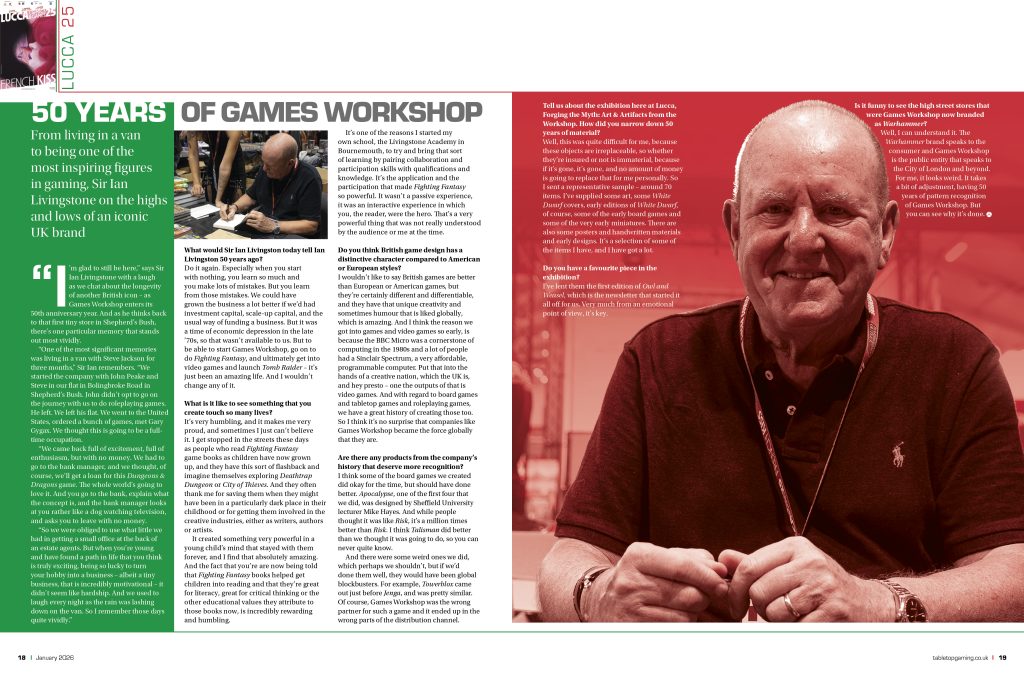
The opportunity to speak with the pioneers of an industry is a rare privilege, and for Matt Chapman, an interview with Sir Ian Livingstone transcended mere journalistic duty. "Getting to sit down with Sir Ian Livingstone to talk about the early days of UK gaming gave me genuine goosebumps," he recalls. Sir Ian Livingstone is not just a name; he is an architect of modern British gaming. As co-founder of Games Workshop, co-creator of the seminal Fighting Fantasy series of gamebooks, and a tireless advocate for gaming and digital literacy, his influence is immeasurable.
The interview, featured in Issue 110 in January 2026, was more than just a historical account; it was a journey back to the genesis of a cultural phenomenon. Chapman’s "goosebumps" highlight the profound respect and awe one feels when connecting directly with a figure who shaped the very foundations of the hobby that has become one’s life’s work. It provided readers with an invaluable glimpse into the challenges, innovations, and sheer passion that characterized the formative years of tabletop gaming in the UK, offering context and depth to the vibrant scene we see today. Such interviews are crucial for preserving the history of the hobby and inspiring future generations by showcasing the dedication of those who built it from the ground up.
Discovering Gems: Favourite Games as Editor
One of the unique privileges of an editor is the constant exposure to new and innovative games. Chapman has used his position not only to review the latest releases but also to shine a light on deserving titles that might have slipped through the cracks. "I’ve been searching for great games that never got reviewed in TTG and slipping them in when we can – see Sky Team on page 65, for example," he explains. This proactive approach underscores a commitment to thorough coverage and a desire to ensure that quality games, regardless of their marketing budget, receive the attention they deserve. Sky Team, a cooperative two-player game about landing an airplane, is celebrated for its tense decision-making and unique theme, making it a perfect example of the kind of innovative design Chapman seeks to champion.
Beyond reviewing, personal connection to a game is often the strongest endorsement. "Tatsu (also in this issue, see page 62) has really clicked with me and I’ve started carrying that pocket version when I travel." Tatsu, an abstract strategy game known for its elegant design and deep tactical play, embodies the kind of accessible yet profound gaming experience that resonates with many. Chapman’s decision to carry a "pocket version" speaks volumes about its replayability and portability, making it an ideal companion for a busy editor on the go and highlighting the growing trend of smaller, more focused games gaining significant traction.
The Games That Got Away: Time Constraints and Missed Opportunities
Even with an insatiable appetite for games, the demands of editorship can mean some personal gaming ambitions fall by the wayside. "I play a lot of Magic: The Gathering so I was hoping to expand into Star Wars Unlimited, but I could never find an opponent when I had free time!" Chapman laments. This candid admission offers a relatable glimpse into the life of a gaming professional – the desire to explore new horizons within the hobby is often thwarted by the sheer volume of work. Star Wars Unlimited, a highly anticipated collectible card game launched recently, represents a significant new entry into a competitive market, and Chapman’s interest reflects his finger on the pulse of emerging trends. His playful resignation, "I’ve had to admit defeat and let former editor Charlie be the expert for us on that one," not only adds a touch of humor but also highlights the collaborative nature of the magazine’s expert team, where different editors contribute their specialized knowledge.
The Enduring Flame: A Lifelong Love for Dungeons & Dragons
For many in the tabletop community, a single game often serves as the gateway to the hobby. For Matt Chapman, that game is unequivocally Dungeons & Dragons. "Playing Dungeons & Dragons from a very young age is the reason I’m sitting in this big chair," he declares. This powerful statement underscores the foundational impact of RPGs on his life and career trajectory. D&D, the quintessential role-playing game, fosters creativity, storytelling, problem-solving, and social interaction – skills that are invaluable in an editorial role.
His continued engagement with the game, even amidst his busy schedule, speaks to its timeless appeal. "I still run a few D&D games and play whenever I can." This commitment is a testament to the deep personal connection he maintains with the roots of his passion. D&D‘s ability to create shared narratives and foster imagination remains as potent today as it was when it first captured Chapman’s imagination, proving that some games transcend trends and become lifelong companions.
A Global Invitation: The Standout Event
Sometimes, a single event can crystallize the significance of one’s role. For Chapman, this moment arrived shortly after his appointment. "When I announced my new role on LinkedIn, the fine people at Lucca Comics & Games spotted that and invited me to their event in Italy," he recounts. Lucca Comics & Games is one of the largest and most prestigious comics and games festivals in the world, attracting hundreds of thousands of visitors annually. An invitation from such an esteemed event is a clear recognition of Tabletop Gaming magazine’s influence and Chapman’s position within the industry.
"I was completely enchanted by my time there and am adding it as a yearly destination," he adds. This experience highlights the global interconnectedness of the tabletop gaming community and the opportunities that arise from leading a respected publication. The enchantment he felt speaks to the unique atmosphere of these grand festivals – a blend of cultural celebration, creative energy, and sheer communal passion for speculative fiction and games. It served as a powerful reminder of the broader impact and reach of his work.
Rethinking the Market: The Biggest Change in Gaming
One of the most surprising and significant shifts Chapman observed during his editorship was in the trading card game (TCG) market. "I thought we’d reached saturation point with trading card games and it would be impossible for a new game to make an impact in such a crowded market," he confesses. This initial assessment, shared by many industry observers, seemed logical given the dominance of established giants like Magic: The Gathering and Pokémon.
However, the reality proved dramatically different. "Since then, we’ve seen the Cyberpunk TCG raise $28.4m (£20.9m), Riftbound establish itself as a major player, Azuki generate an awful lot of interest and even niche titles like the volleyball-based Haikyuu!! Baboco!! BREAK TCG potentially get a Western release." This explosion of new, successful TCGs defied expectations, demonstrating a robust and expanding market capable of supporting diverse entries. The Cyberpunk TCG‘s monumental crowdfunding success, in particular, shattered previous records and showcased the immense appetite for fresh, innovative TCG experiences, especially when tied to popular intellectual properties. The emergence of Riftbound and Azuki, alongside more niche titles like Haikyuu!! Baboco!! BREAK TCG, illustrates a market segment that is not only growing but also diversifying in terms of theme and mechanics, proving that innovation and strong community engagement can still carve out significant spaces. This shift profoundly altered Chapman’s perspective on market dynamics and the potential for new entries in seemingly saturated genres.
Foresight and Fulfillment: A Gaming Prediction That Came True
Editorial foresight is a valuable asset, and Chapman had a moment of vindication during his tenure. "As soon as I saw the Cyberpunk TCG, I knew it was going to be super-popular," he states confidently. This early conviction led to a strategic editorial decision: "We featured it on the Issue 113 cover just before the Kickstarter launched, so when it broke all the crowdfunding records for a tabletop game that felt really special."
This prediction wasn’t just a lucky guess; it was based on an editor’s keen understanding of market trends, game design, and fan anticipation. The decision to feature the Cyberpunk TCG prominently before its crowdfunding campaign demonstrated a willingness to take a calculated risk and highlight what the magazine believed would be a significant development. The subsequent record-breaking success of the Kickstarter campaign not only validated Chapman’s intuition but also reinforced Tabletop Gaming magazine’s role as a tastemaker and an influential voice in the industry, capable of identifying and championing future hits.
Wisdom for the Future: Advice to His Younger Self
Looking back, Chapman offers a concise but profound piece of advice to his past self: "Remember, you can’t review everything! That’s what our team of experts is for." This insight speaks to the immense volume of games released annually and the inherent limitations of a single individual, even an editor, to personally engage with every title. It’s a lesson in delegation, trust, and the importance of building a competent and diverse team.
In an industry overflowing with creativity, discerning what to cover and what to entrust to specialized reviewers is crucial for maintaining editorial quality and breadth. This advice underscores the collaborative nature of producing a high-quality magazine, where an editor’s role is as much about curation and management as it is about personal opinion and engagement. It’s a testament to the strength of Tabletop Gaming‘s network of contributors, whose collective expertise allows the magazine to provide comprehensive and authoritative coverage across the vast spectrum of tabletop gaming.
Implications and The Road Ahead for Tabletop Gaming
Tabletop Gaming magazine’s 11th anniversary is more than just a chronological milestone; it’s a testament to the enduring appeal of physical games in an increasingly digital world. The magazine has successfully navigated significant industry shifts, from the rise of crowdfunding to the diversification of game genres and the integration of major intellectual properties. Its consistent presence has provided a stable platform for discovery, discussion, and celebration within a hobby known for its dynamic evolution.
Matt Chapman’s reflections offer a window into the passion and dedication required to maintain a publication of this caliber. His insights into cover choices, memorable interviews, personal game preferences, and industry predictions not only entertain but also inform, providing valuable context for understanding the contemporary tabletop landscape. The surprising growth of the TCG market, in particular, highlights the continuous need for publications like Tabletop Gaming to challenge assumptions and report on emerging trends with an open mind.
As the magazine moves forward, its role as a curator of quality content, a historical archive, and a community hub remains vital. In an age of information overload, a well-curated print magazine offers a tangible, in-depth experience that digital platforms often struggle to replicate. The continued success of Tabletop Gaming underscores the importance of professional journalism and expert analysis in helping enthusiasts navigate the ever-expanding universe of tabletop games. With a rich history behind it and a dynamic future ahead, Tabletop Gaming magazine, under Matt Chapman’s guidance, is poised to continue celebrating the best of the hobby for many years to come.
For more reflections on Tabletop Gaming magazine’s 11-year history, explore interviews with previous editors:
- Rob Burman: Issues 1-6 (Summer 2015-Autumn 2016)
- Matt Jarvis: Issues 7-35 (September 2016-October 2019)
- Christopher John Eggett: Issues 36-79 (November 2019-June 2023)
- Charlie Pettit: Issues 85-106 (December 2023-August 2025)



Leave a Comment