
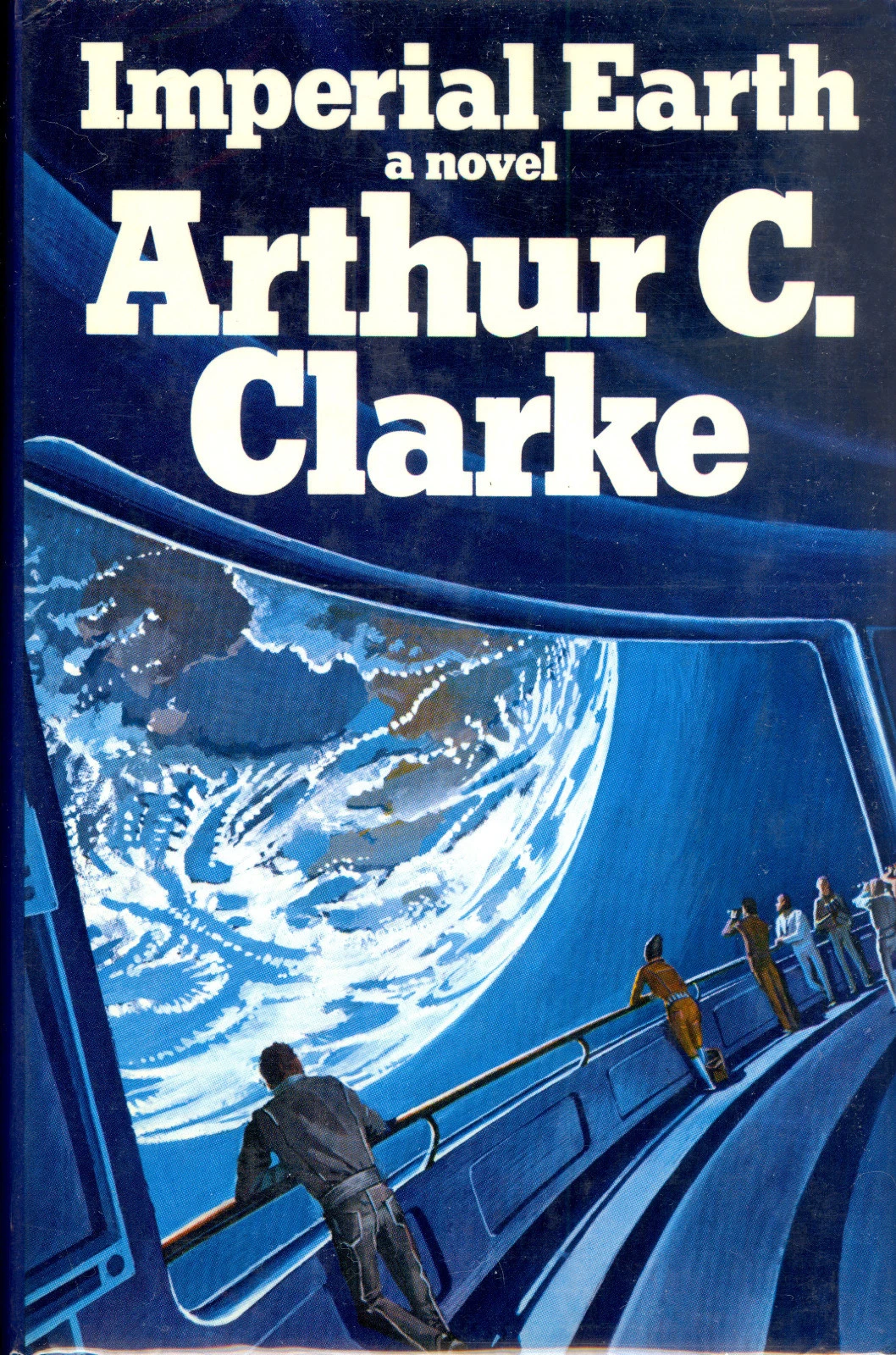
London, England – In the pantheon of science fiction’s grand masters, Arthur C. Clarke stands as a towering figure, celebrated for his prescient visions, meticulous scientific detail, and philosophical explorations of humanity’s destiny among the stars. Alongside literary giants like Robert A. Heinlein, Isaac Asimov, and Ray Bradbury, C

The Architecture of Despair: Why Arthur Schopenhauer’s Pessimism is the Modern Antidote to Disappointment
In an era dominated by the "optimization" of the self and the relentless pursuit of "toxic positivity," the mid-19th-century reflections of a famously grumpy German philosopher are seeing an unlikely resurgence. Arthur Schopenhauer (1788–1860) has long been regarded as the gold standard of philosophical despair—a thinker whose o

The Architecture of Despair: Why Arthur Schopenhauer’s Pessimism Offers a Blueprint for Modern Contentment
In the history of Western philosophy, few figures cast a shadow as long or as intentionally dark as Arthur Schopenhauer. Born in 1788 and dying in 1860, Schopenhauer spent his seventy-two years establishing himself as the most systematically and professionally pessimistic thinker the world has ever produced. While philosophy as a field rarely attra

The Comfort of Philosophical Despair: Re-evaluating Arthur Schopenhauer’s Pessimism for the Modern Era
Arthur Schopenhauer (1788–1860) occupied his seventy-two years of life as perhaps the most systematically and professionally pessimistic thinker in the history of Western philosophy. In a field that rarely attracts the "chipper" or the naive, Schopenhauer stands alone as the gold standard of despair. Often described as the "absolute
