
The Ambient Awareness Paradigm: A Deep Dive into the JLab JBuds Open Wireless
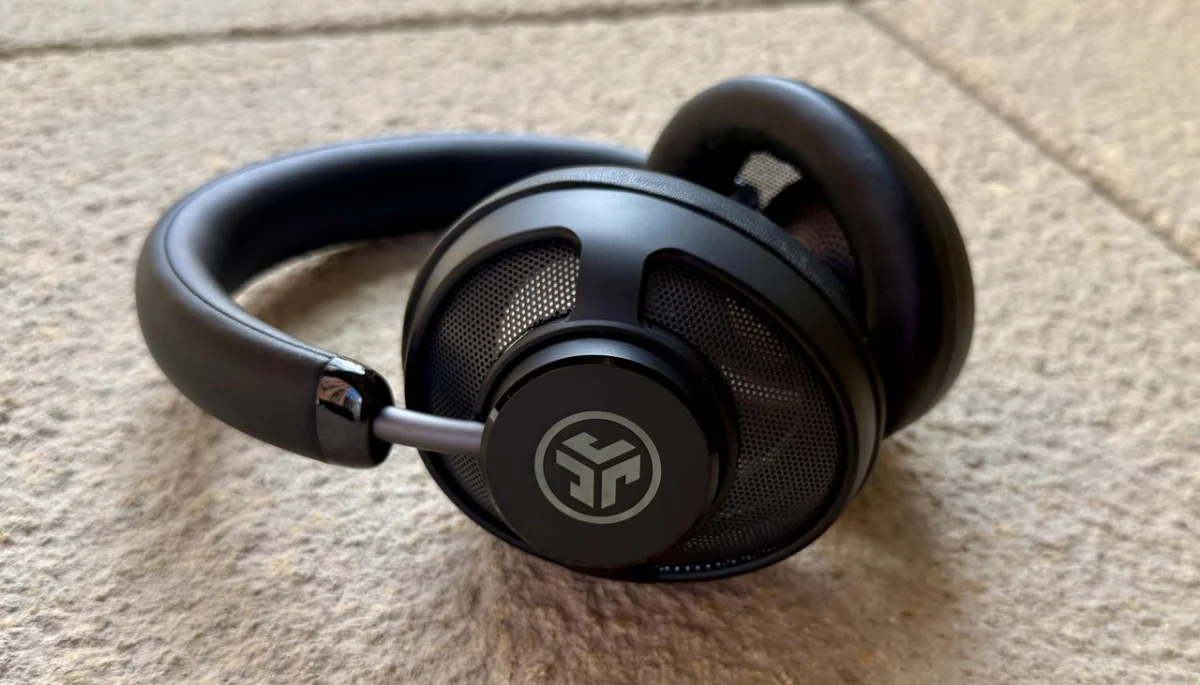
The landscape of personal audio is currently undergoing a radical transformation. For decades, the industry was obsessed with isolation—perfecting the seal of silicone tips or the silence of active noise cancellation (ANC). However, a new trend has emerged: the desire to stay connected to the physical world while remaining tethered to the digital one. While the market has been flooded with "open-ear" earbuds, JLab has taken a bold, experimental step by applying this philosophy to an over-ear form factor.
The JLab JBuds Open Wireless represent a significant departure from the brand’s traditional portfolio of budget-friendly earbuds. Priced at $99.99 (£99.99 / AU$199.99), these headphones attempt to carve out a new niche: the "earspeaker" for the modern lifestyle. This review explores whether this distinctive design is a revolutionary step forward for ambient awareness or a specialized tool with a use case too narrow for the mainstream.
1. Main Facts: Redefining the "Open" Experience
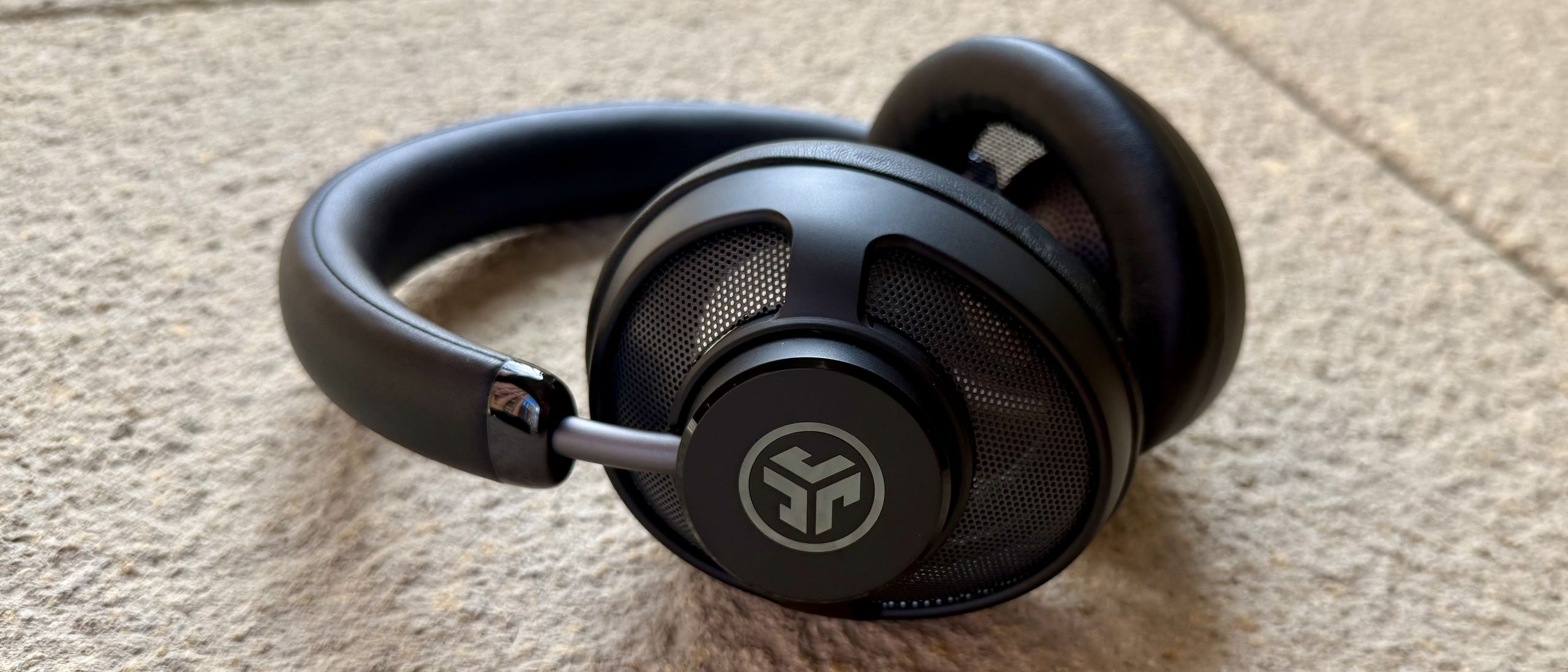
The JLab JBuds Open Wireless are not "open-back" headphones in the traditional audiophile sense. While audiophile open-back headphones (like those from Sennheiser or HiFiMAN) use vented housings to improve soundstage and driver accuracy, the JBuds Open are designed for "open-ear" transparency.
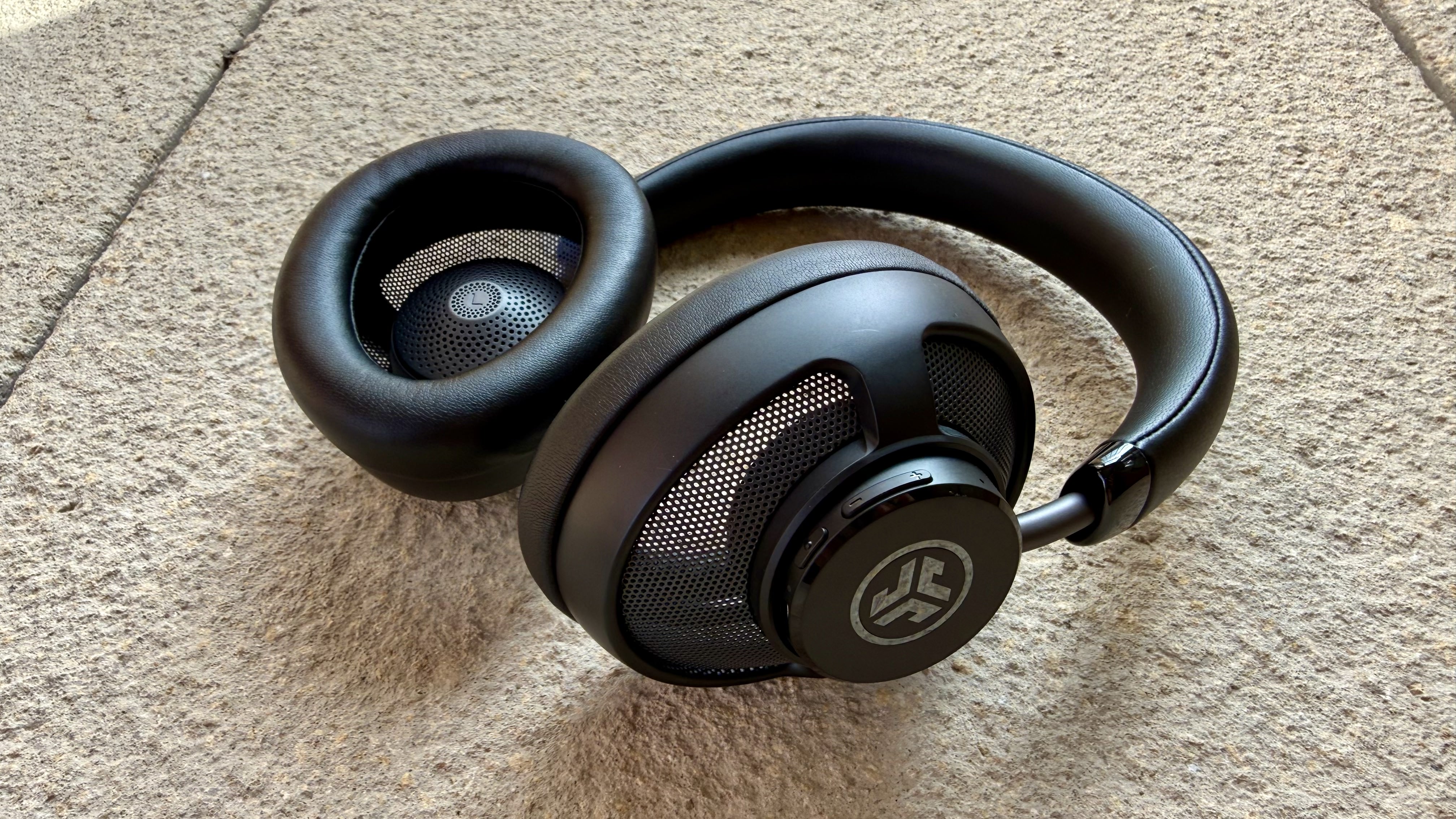
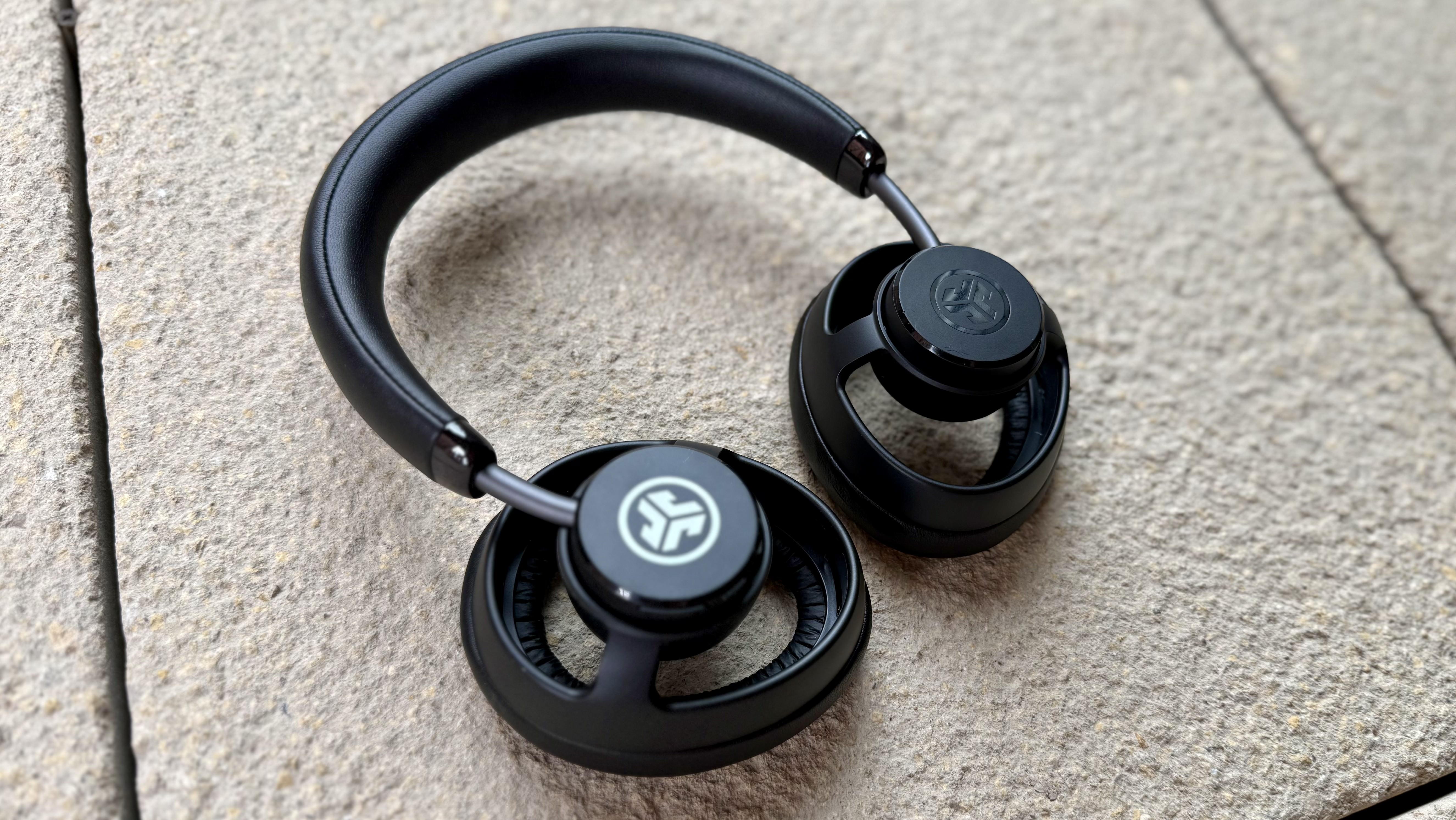
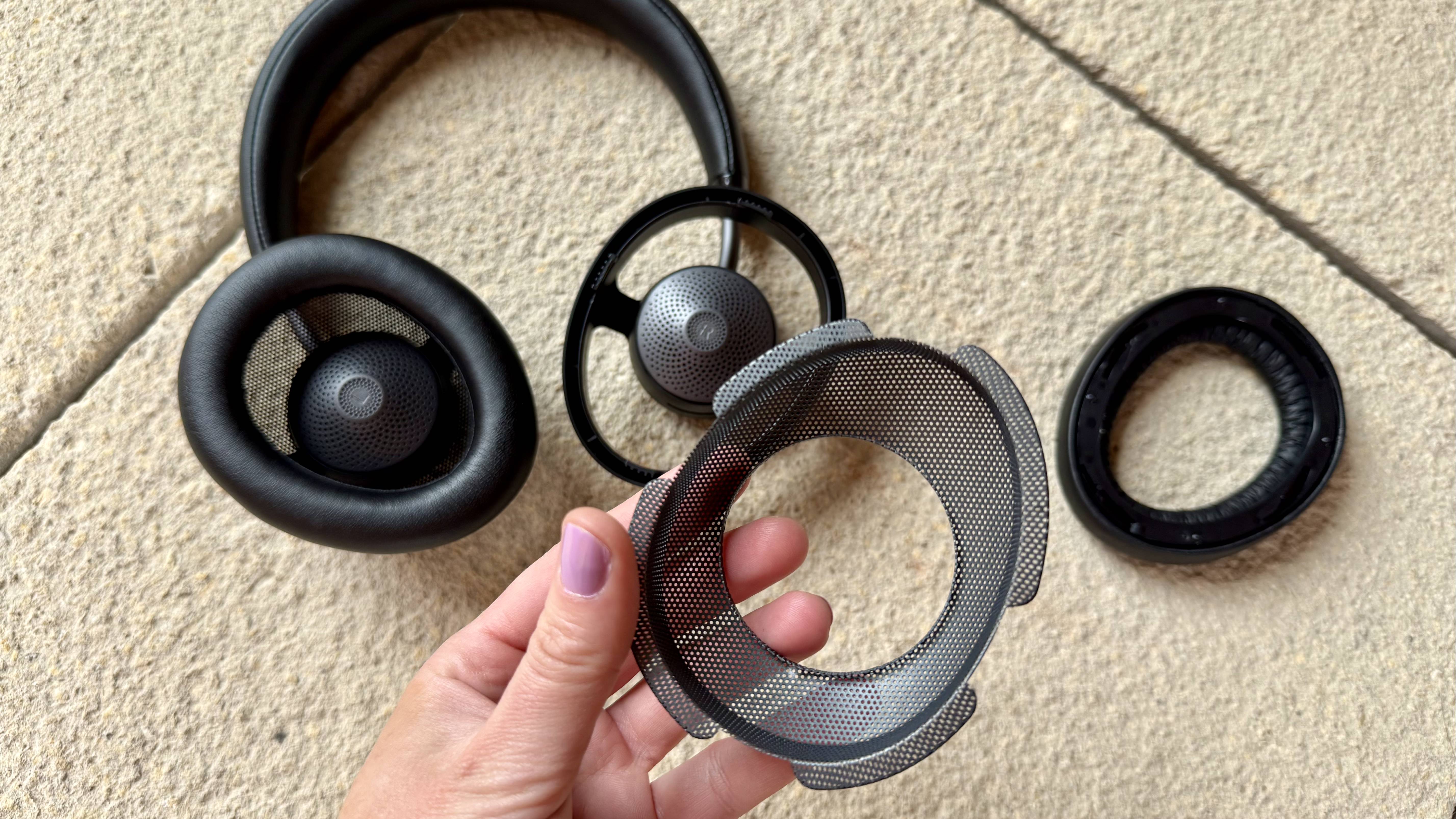
The core distinction lies in the seal. Traditional over-ears create a vacuum-like isolation around the ear. The JBuds Open intentionally avoid this. The earcups sit lightly against the head, and the design features removable metal grilles that, when detached, leave the drivers completely exposed to the elements. This allows ambient sound to flow freely into the wearer’s ears alongside their music.
Key Specifications:
- Driver Configuration: Dual coaxial dynamic drivers (35mm and 12mm).
- Connectivity: Bluetooth 6.0 with Multipoint support; USB-C wired option.
- Battery Life: Rated up to 24 hours (approx. 20 hours in real-world testing).
- Weight: 245g.
- Price Point: $99.99 / £99.99.
2. Chronology: From IFA 2025 to the Global Market
The journey of the JBuds Open Wireless began in the third quarter of 2025. JLab officially unveiled the prototype at IFA 2025 in Berlin, a trade show increasingly dominated by "hearable" technology and wellness-focused audio. The announcement was met with curiosity, as the industry had largely relegated open-ear technology to bone-conduction headsets or clip-on earbuds.
Following a successful reception at IFA, JLab initiated a staggered global rollout. The headphones first hit the North American and European markets in late 2025, strategically positioned for the holiday shopping season. By early 2026, the product reached the Australian and Asian markets.
Historically, this design echoes the "earspeaker" concept pioneered by Sony in the late 1990s with the MDR-F1. While Sony’s venture was aimed at home hi-fi enthusiasts, JLab has modernized the concept for a mobile, Bluetooth-dependent generation, prioritizing lifestyle flexibility over stationary high-fidelity listening.
3. Supporting Data: Design, Engineering, and Ergonomics
To understand the JBuds Open, one must look at the physical engineering that separates them from standard headphones.
The Hybrid Build
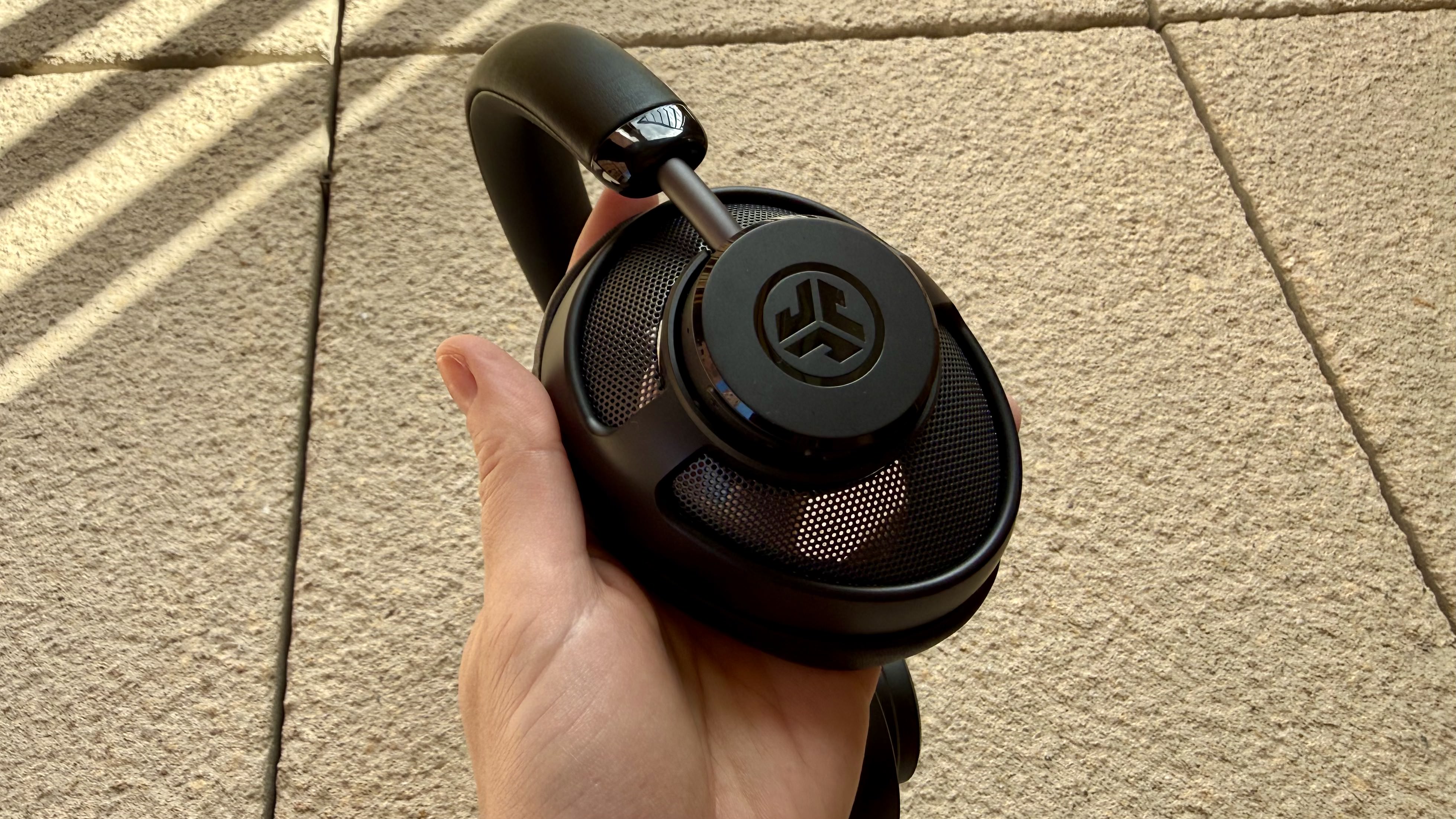
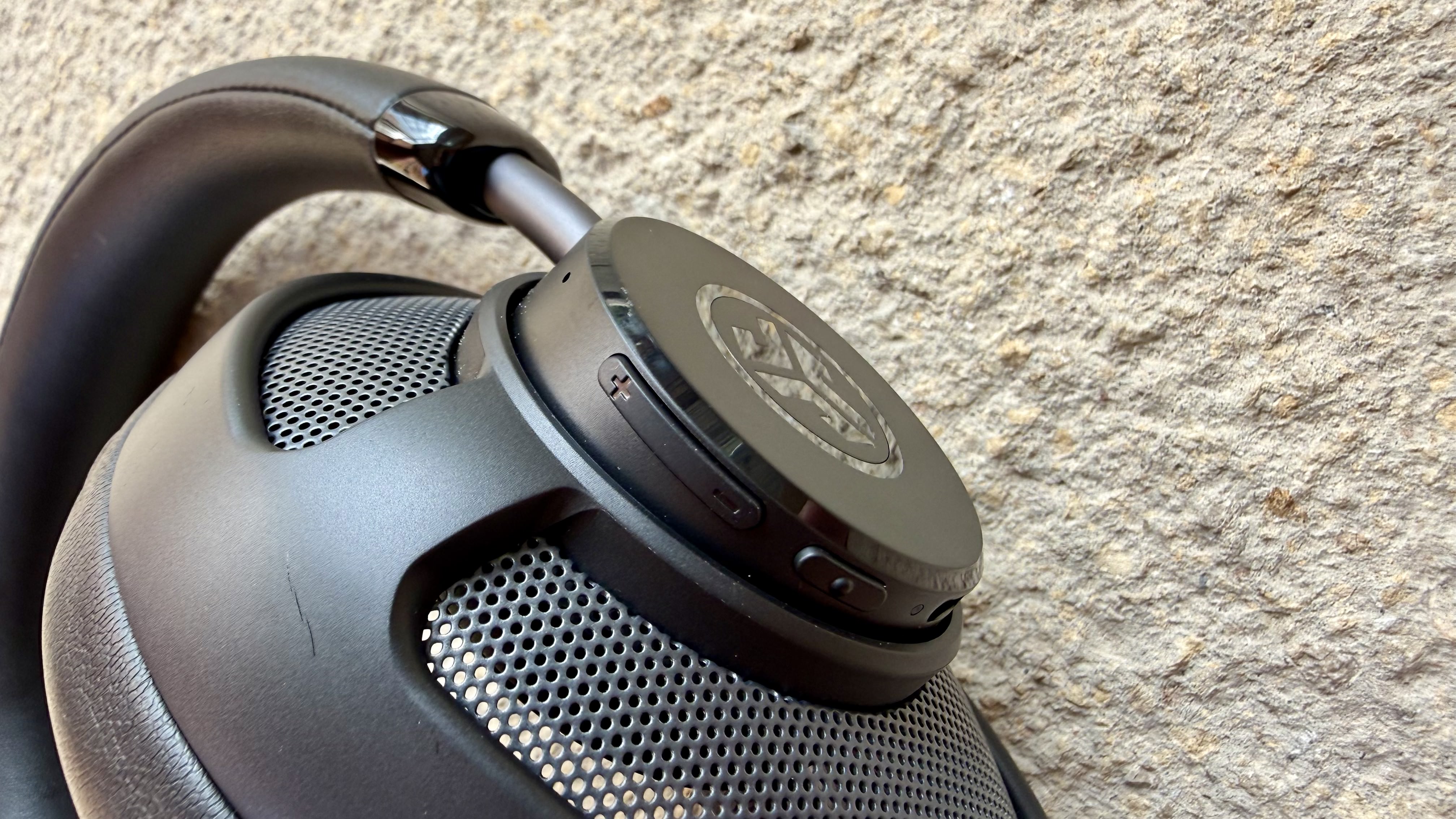
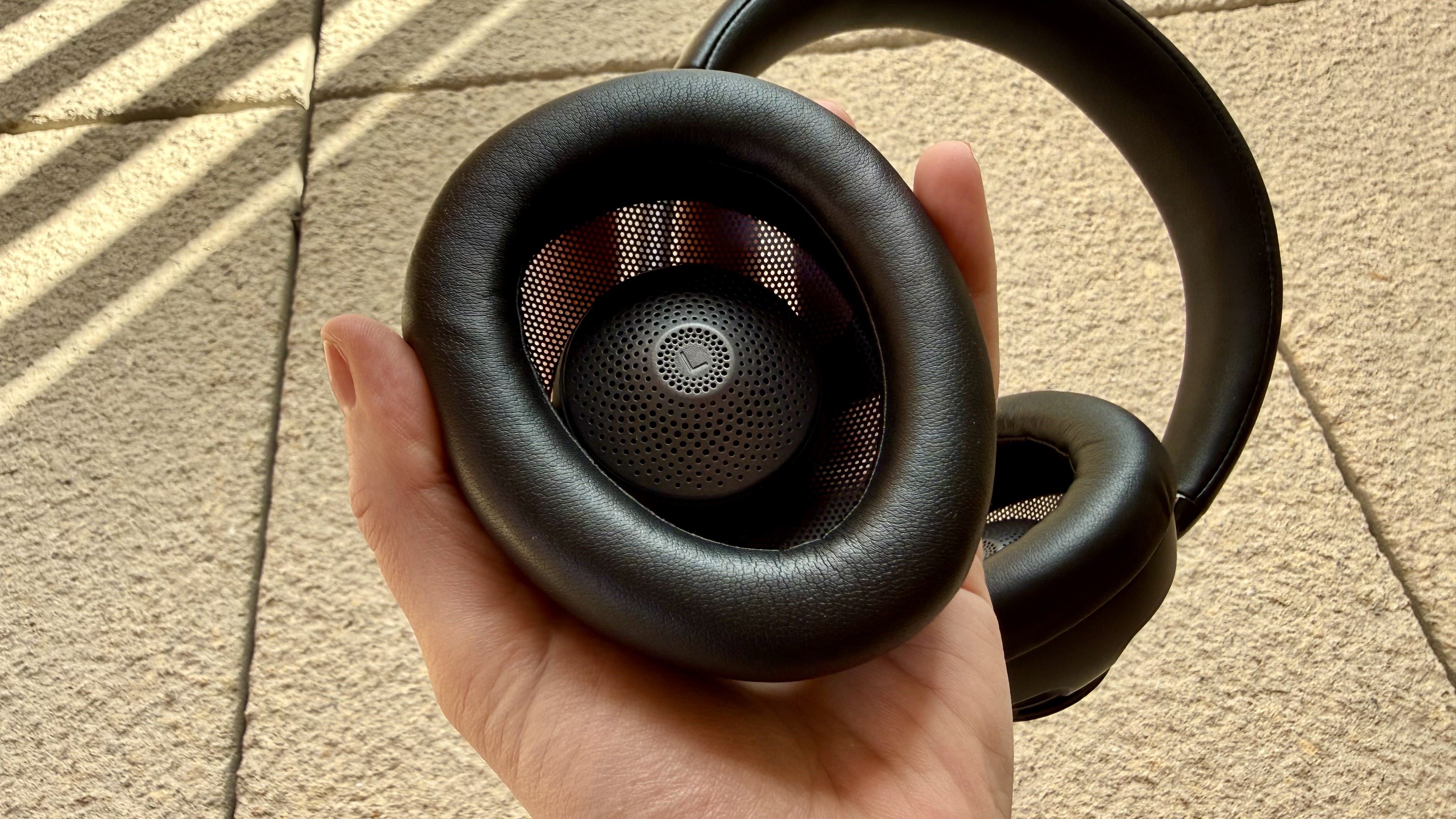
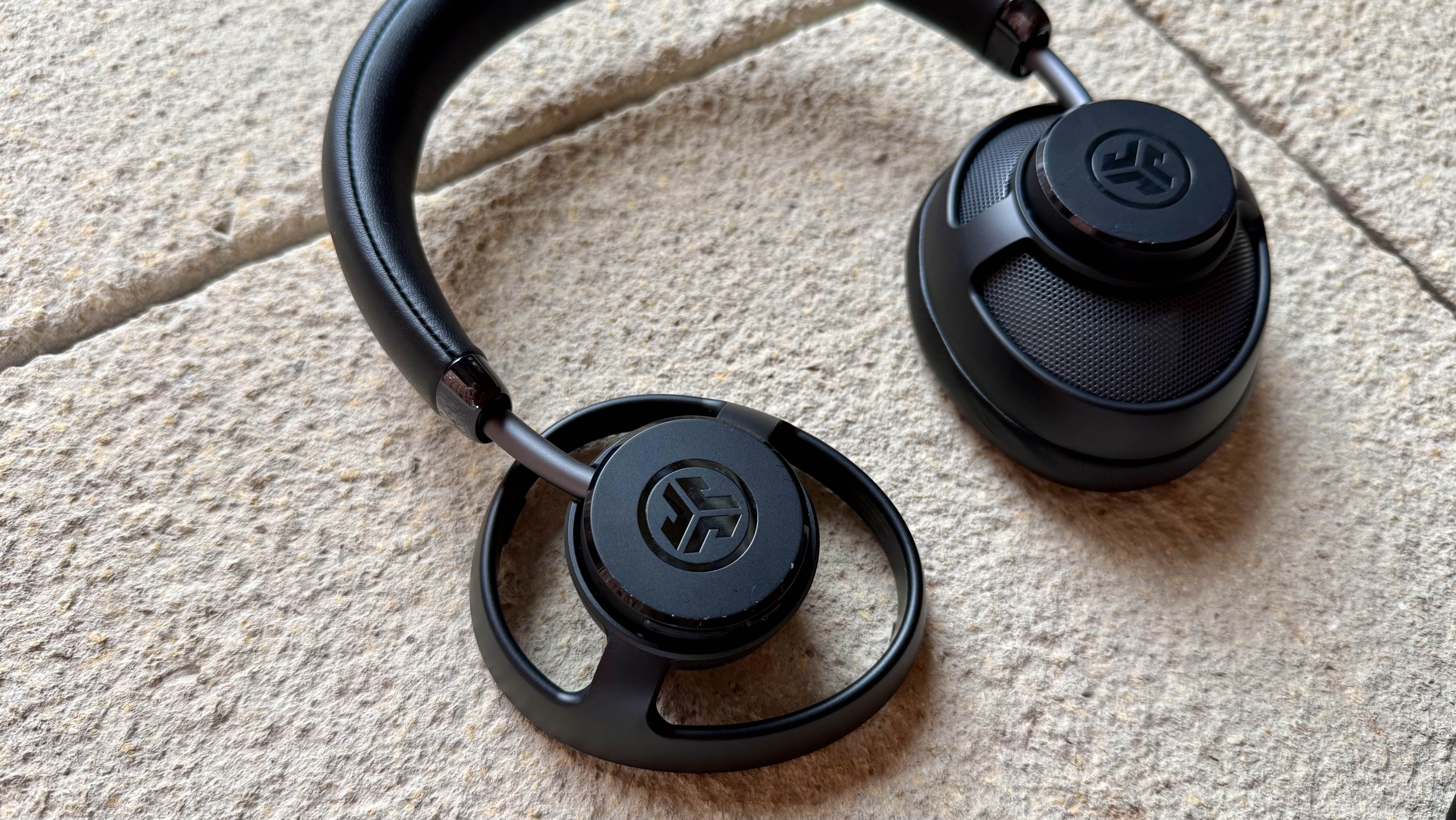
At 245g, the JBuds Open are remarkably lightweight for over-ear headphones. This is achieved through a primarily plastic construction, which, while feeling slightly less premium than high-end competitors like Bose or Sony, serves a functional purpose. The reduced weight, combined with memory foam padding on the earcups and headband, allows for "all-day" comfort.
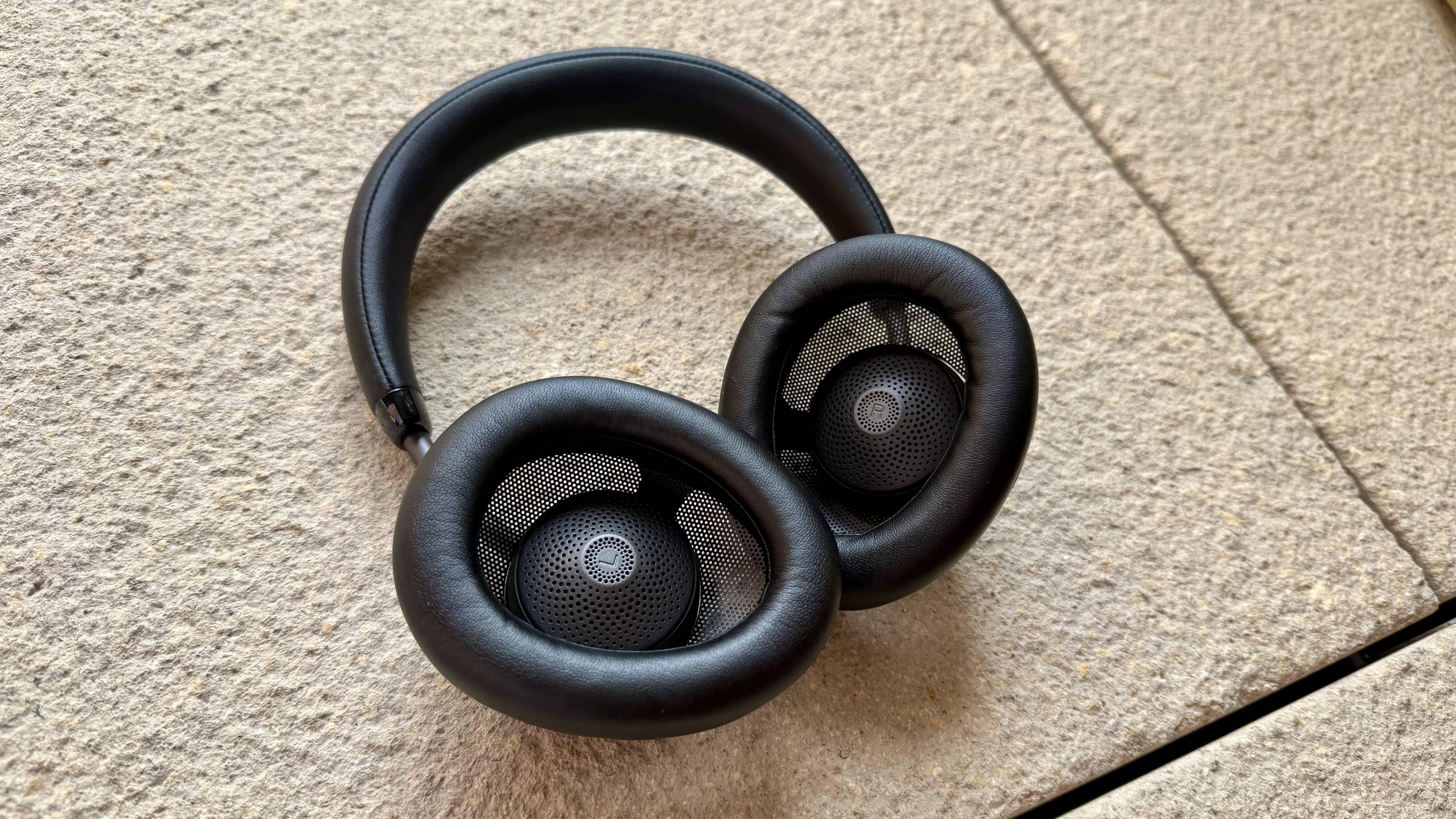
The most striking design feature is the "wheel-spoke" earcup pattern. A metal grille sits within this spoke and can be removed with a simple twist-and-pop mechanism. Removing the grilles not only alters the aesthetic to a more "industrial" or "sci-fi" look but also maximizes the intake of ambient noise.
Driver Performance and Audio Profile
JLab has utilized a coaxial driver setup—a 35mm driver for mid-to-low frequencies and a 12mm driver for highs. In a traditional sealed environment, this would likely produce booming bass. In an open-ear environment, however, the lack of a seal means that sub-bass frequencies (the "thump" you feel) are largely lost to the air.
Audio Testing Data:
- High-End: Cymbals and hi-hats are crisp but can become "shrill" at volumes exceeding 80%.
- Mid-Range: This is the strength of the JBuds Open. Vocals are clear and forward, making them excellent for podcasts and acoustic tracks.
- Low-End: While they offer more bass than bone-conduction headphones, they lack the sub-bass extension found in the 1More Sonoflow or other budget-closed headphones.
- Soundstage: Because the drivers are physically separated from the ear canal and the housing is open, the soundstage is exceptionally wide. Listening to orchestral scores, such as Jóhann Jóhannsson’s Arrival, provides a cinematic sense of space that closed-back headphones cannot replicate at this price point.
4. Official Responses and Manufacturer Positioning
JLab’s marketing strategy for the JBuds Open focuses on three pillars: Safety, Comfort, and Communication.
The company’s internal testing and official documentation suggest that the JBuds Open are intended for users who find traditional earbuds intrusive or uncomfortable. By moving the audio source outside the ear, JLab claims to reduce "ear fatigue" and the heat buildup often associated with over-ear headphones.
While the headphones lack an official IP (Ingress Protection) rating, JLab representatives have noted that the open design allows for significantly better airflow than sealed models. This makes them a "de facto" choice for light workouts and running, where sweat accumulation usually ruins the earpads of closed-back headphones.
JLab also emphasizes the "Multipoint" functionality of Bluetooth 6.0. In a professional setting, this allows a user to stay connected to a laptop for a video call while remaining paired to a phone—all while being able to hear a colleague walk into the office and start a conversation.
5. Implications: The Future of the "Open" Category
The release of the JLab JBuds Open Wireless raises a fundamental question about the future of audio: Is total isolation still the goal?
The "Narrow Use Case" Problem
The primary challenge for the JBuds Open is environmental versatility. In a quiet environment—a home office, a park, or a rural trail—the headphones excel. They provide a "soundtrack to your life" feel. However, the experience degrades rapidly in high-noise environments. During urban testing, the sound of traffic, sirens, and public chatter frequently overwhelmed the audio, forcing the user to increase the volume to unsafe levels.
Furthermore, sound leakage is a significant social implication. Because the design is inherently open, people sitting nearby can hear the user’s music or calls. This renders the JBuds Open unsuitable for quiet offices, libraries, or crowded public transport.
Accessibility and Auditory Processing
An unexpected implication of this technology lies in the realm of neurodiversity and accessibility. For individuals with sensory processing issues or those who find the "clogged" feeling of ANC (Active Noise Cancellation) disorienting, the JBuds Open provide a vital middle ground. They allow for audio consumption without the anxiety of being "cut off" from the environment.
Conclusion: A Niche Triumph
The JLab JBuds Open Wireless are a polarizing product. They are not a "one-size-fits-all" solution. They are bulky, they leak sound, and they struggle in the cacophony of a modern city.
However, for the right user—the rural runner, the remote worker who needs to hear the doorbell, or the person who simply cannot stand the sensation of earbuds—they are a triumph of specialized engineering. At under $100, they offer a unique value proposition: the comfort of an over-ear with the awareness of a "hearable." While they may not achieve the mainstream dominance of the AirPods or the Bose QuietComfort series, they represent a vital diversification of the audio market, proving that sometimes, being "open" is more important than being "perfect."
Summary of Pros and Cons
Why Buy?
- Unrivaled Awareness: You are never truly disconnected from your surroundings.
- Superior Comfort: Memory foam and no "ear pressure" make them ideal for long sessions.
- Customization: The ability to remove grilles and tweak EQ settings via a user-friendly app.
- Competitive Price: Offers a unique form factor for under $100.
Why Avoid?
- Environmental Sensitivity: Unusable in loud environments like airplanes or busy streets.
- Sound Leakage: Your music becomes public property in quiet spaces.
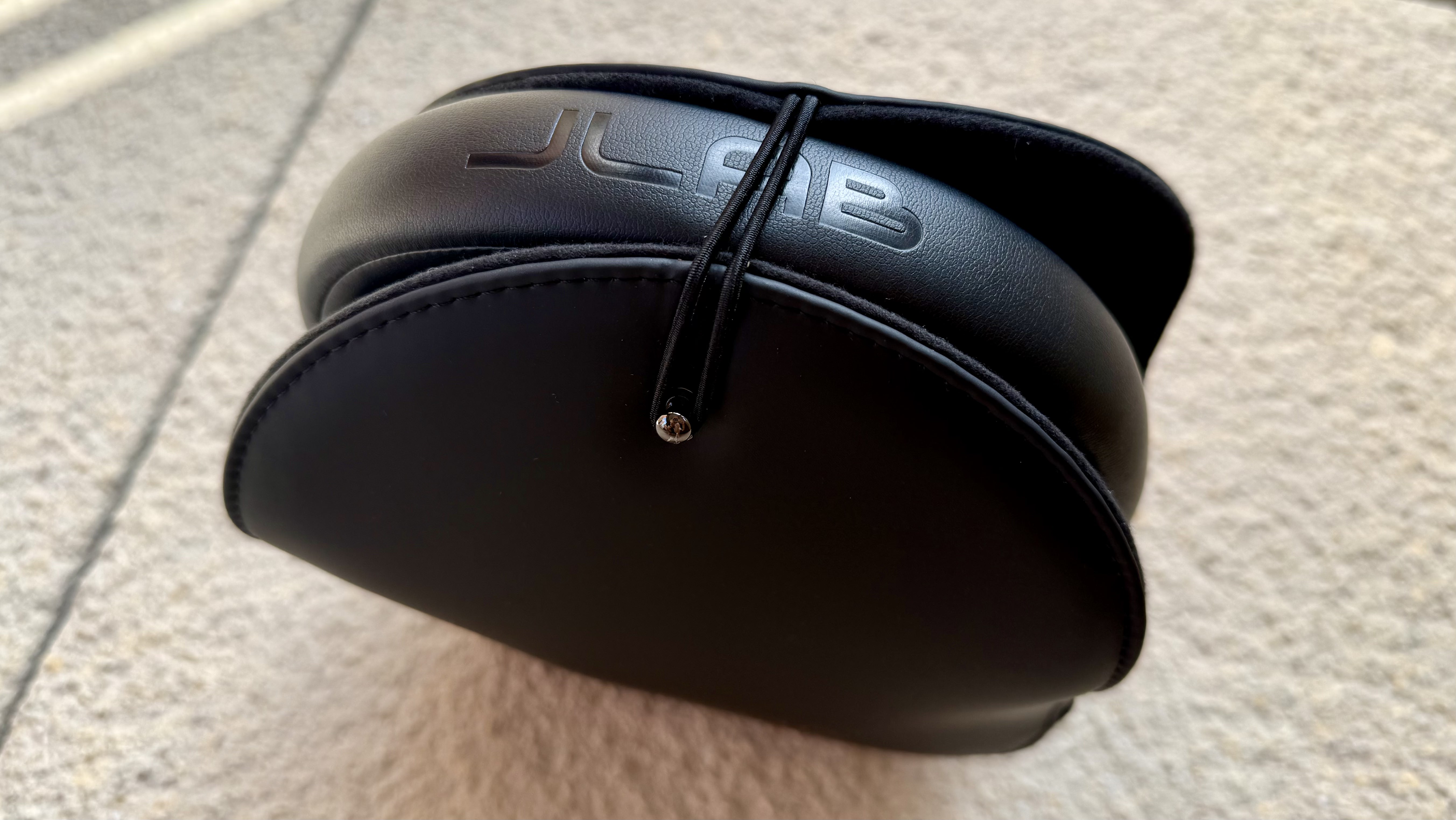
- Bulky Form Factor: They do not fold and take up significant space in a bag.
- Missing Sub-Bass: Audiophiles seeking deep, vibrating low-end will be disappointed.




Leave a Comment