The Art and Craft of Building Worlds: Author Linda Wilson on the Enduring Appeal of Book Series
By [Your Name/Publication Name]
In the ever-evolving landscape of literature, the creation of a compelling book series remains a powerful testament to an author’s ability to weave intricate narratives and cultivate enduring reader engagement. From the sprawling sagas that span generations to the tightly focused explorations of character development, series offer a unique promise: the adventure need not end with the final page. This enduring appeal, coupled with the strategic advantages it offers to authors and readers alike, is the focus of our conversation with acclaimed children’s author Linda Wilson, whose Abi Wunder Ghost/Mystery trilogy exemplifies the thoughtful construction of a series.
Wilson, whose website can be found at bit.ly/44Dx1t9, is currently in the midst of finalizing the last installment of her Abi Wunder trilogy, "Secrets of the Heart." This project, a culmination of extensive research and practical experience in writing and publishing chapter-book trilogies, serves as the foundation for her insights into the multifaceted world of serial storytelling. Her blog posts, including this one, aim to demystify the process for aspiring authors considering embarking on their own multi-book journeys.
The Genesis of a Series: More Than Just a Good Story
The decision to transform a standalone narrative into a series is rarely arbitrary. It often stems from a deep wellspring of creative potential that simply cannot be contained within a single volume. As Wilson eloquently puts it, "How big is your book idea?" This fundamental question probes the very essence of a narrative’s scope and its capacity for sustained exploration.
Drawing parallels to beloved literary examples, Wilson highlights how certain themes and concepts lend themselves naturally to extended narratives. The iconic "Little House" series by Laura Ingalls Wilder and Roger Lea MacBride, for instance, meticulously chronicles the passage of time and the growth of a family across multiple generations. Similarly, the enduring popularity of the Nancy Drew mysteries lies in the consistent growth and evolution of its eponymous protagonist, offering readers a familiar yet ever-developing character to follow.
Beyond fiction, the principle extends to non-fiction. Educational series like "The Magic School Bus" and the "Body Works" series demonstrate how a singular topic can blossom into a diverse collection of books, each offering a unique perspective or delving into a specific facet of the original concept. This expansive potential, Wilson argues, is a key indicator of a story’s suitability for serial treatment.

The Author-Reader Compact: A Promise of Continued Engagement
At its core, writing a series is a pact between author and reader. It is a promise that the captivating worlds, intriguing characters, and thrilling adventures introduced in the first book will not vanish with its conclusion. This promise fosters a unique bond, encouraging readers to invest more deeply in the narrative and its inhabitants.
In her discussion, Wilson references Karen S. Wiesner’s seminal work, "Writing the Fiction Series: The Complete Guide for Novels and Novellas." Wiesner, in turn, quotes author Thomas Helm, who astutely observes, "Author and reader dread the end, which is the test of a good novel. Why not expand into a series?" This sentiment underscores the inherent desire for continuation that arises from a truly resonant story. When both creator and audience are reluctant to part ways with the narrative world, the creation of a series becomes a natural and often celebrated progression.
Wilson’s Abi Wunder Trilogy: A Case Study in Serial Design
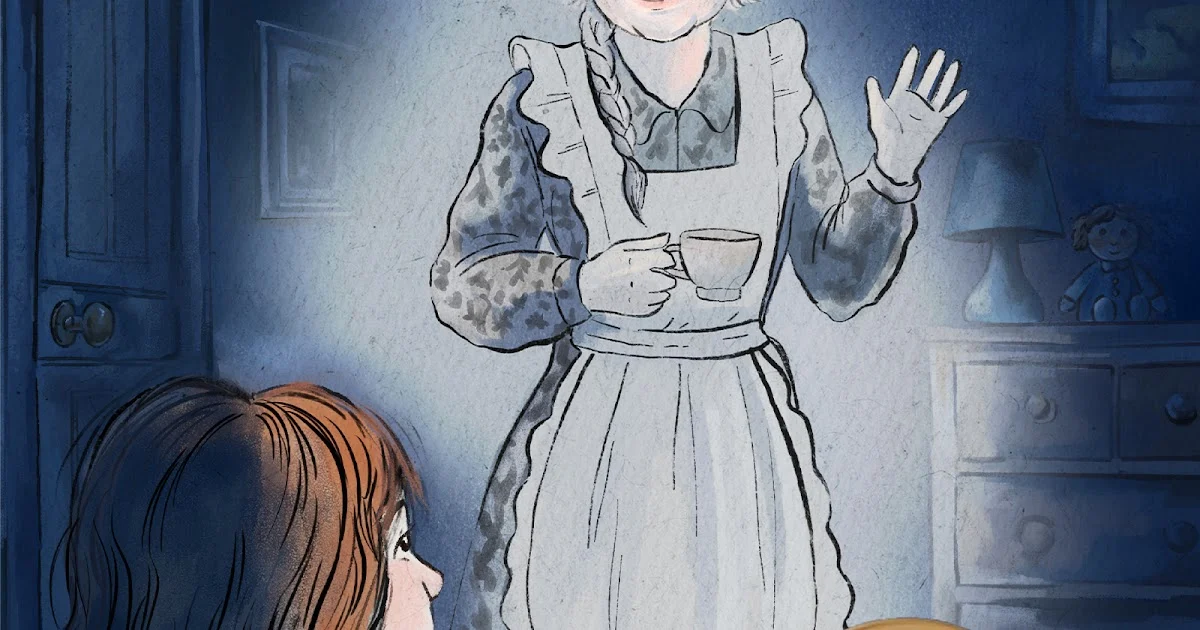
Linda Wilson’s own foray into series writing, the Abi Wunder Ghost/Mystery trilogy, serves as a practical illustration of these principles. Aimed at young readers aged 7 to 10, the trilogy is designed to offer a cohesive yet distinct reading experience across its installments.
The first two books, "Secret in the Stars" and "Secret in the Mist," have already captivated young imaginations. "Secret in the Stars," brought to life with illustrations by Tiffany Tutti, and "Secret in the Mist," featuring the artistry of Danika Corrall, are now available on Amazon. The latter, published in December 2025, was further enhanced by cover art and formatting from 100 Covers.
The forthcoming "Secrets of the Heart," also illustrated by Danika Corrall, represents the final chapter in Abi Wunder’s journey. Wilson’s current focus is on meticulously weaving together the narrative threads that have been carefully laid throughout the trilogy, ensuring a satisfying and meaningful conclusion. This process of thematic culmination is a critical element in successful series writing, providing a sense of closure and rewarding the reader’s sustained engagement.
The Strategic Imperative: Why Turn a Standalone into a Series?
Wilson’s blog post outlines several compelling reasons why an author might choose to expand a single book idea into a series. While the exact list of considerations from her blog post is not fully provided in the original text, the underlying themes can be inferred:

- Unfolding Character Arcs: A series allows for the deep and nuanced development of characters over an extended period. Readers can witness their growth, their struggles, and their triumphs in a way that is often impossible within a single novel. This creates a more profound connection and a sense of personal investment.
- Expanding World-Building: For authors who have created rich and intricate worlds, a series provides the space to explore these settings more fully. New locations, cultures, and lore can be introduced, offering readers a more immersive and expansive experience.
- Exploring Complex Themes: Certain themes and ideas are too multifaceted to be adequately addressed in a single book. A series allows for a more in-depth examination of these themes, exploring their various dimensions and implications from different angles.
- Building a Loyal Readership: A well-executed series cultivates a dedicated readership. Fans become invested in the ongoing narrative and eagerly anticipate each new installment. This loyalty can translate into sustained sales and a strong author platform.
- Leveraging Established Success: If a standalone novel proves to be successful, transforming it into a series can capitalize on that momentum. Readers who enjoyed the first book are likely to seek out subsequent installments, providing a built-in audience.
- Creative Momentum: Sometimes, an author’s creative energy simply doesn’t dissipate after completing a single book. The characters and their world continue to inspire new ideas and storylines, making the transition to a series a natural and fulfilling next step.
Crafting the Narrative Threads: The Backbone of a Cohesive Series
The success of a series hinges on its ability to feel cohesive, even as each installment offers a distinct experience. Wilson emphasizes the importance of "connecting threads" that run through the trilogy, culminating in the final book. These threads can take many forms:
- Recurring Characters: Familiar faces from previous books can reappear, offering continuity and depth. Their relationships with the protagonist can evolve, adding layers to the narrative.
- Unresolved Mysteries or Subplots: A compelling series often features overarching mysteries or subplots that are gradually revealed across multiple books. This creates anticipation and encourages readers to keep turning the pages.
- Thematic Resonance: Underlying themes can be explored from different perspectives in each book, reinforcing the central message of the series.
- Character Development: The protagonist’s journey and growth are often central to a series. The challenges faced and lessons learned in earlier books shape their character in subsequent installments.
- World Evolution: The setting itself can evolve over the course of a series. New discoveries can be made, or the world can undergo significant changes, impacting the characters and their quests.
Wilson’s current challenge, as she embarks on "Secrets of the Heart," is to imbue these connecting threads with profound meaning and to craft an ending that is not only satisfying but also resonates with the entirety of the trilogy. This requires a delicate balance of fulfilling reader expectations while also offering a sense of resolution and closure.
The Road Ahead: Part II of "Tips on How to Start a Series"
Linda Wilson’s commitment to demystifying the process of series writing is evident in her plan to continue this discussion in future blog posts. The upcoming installment, "Tips on How to Start a Series," Part II, promises to delve deeper into the practicalities of initiating a multi-book narrative. This suggests a focus on the foundational elements, such as brainstorming initial concepts, developing compelling characters from the outset, and structuring the overarching plot.
The inclusion of other recent releases by Linda Wilson, such as the award-winning "Botas Altas" (the Spanish version of "Tall Boots") and "Cuna en la Naturaleza" (the Spanish version of "Cradle in the Wild"), showcases her versatility and her commitment to reaching a diverse readership. These bilingual and translated works, along with her upcoming picture book "The Pur-r-rfect Costume" and middle-grade novel "A Home Run Friendship," further underscore her prolific career and her dedication to the craft of storytelling.
In essence, Linda Wilson’s insights offer a valuable roadmap for anyone contemplating the creation of a book series. It is a journey that demands not only creative vision but also strategic planning, a deep understanding of narrative structure, and a commitment to building a lasting connection with readers. As the literary world continues to embrace the enduring appeal of serialized storytelling, authors like Wilson provide the wisdom and inspiration to navigate this rewarding path.